Kangjian
Kangjian
Kangjian
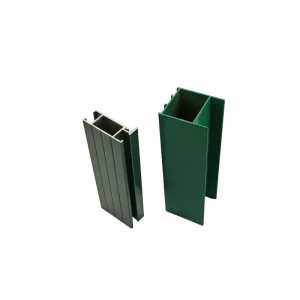
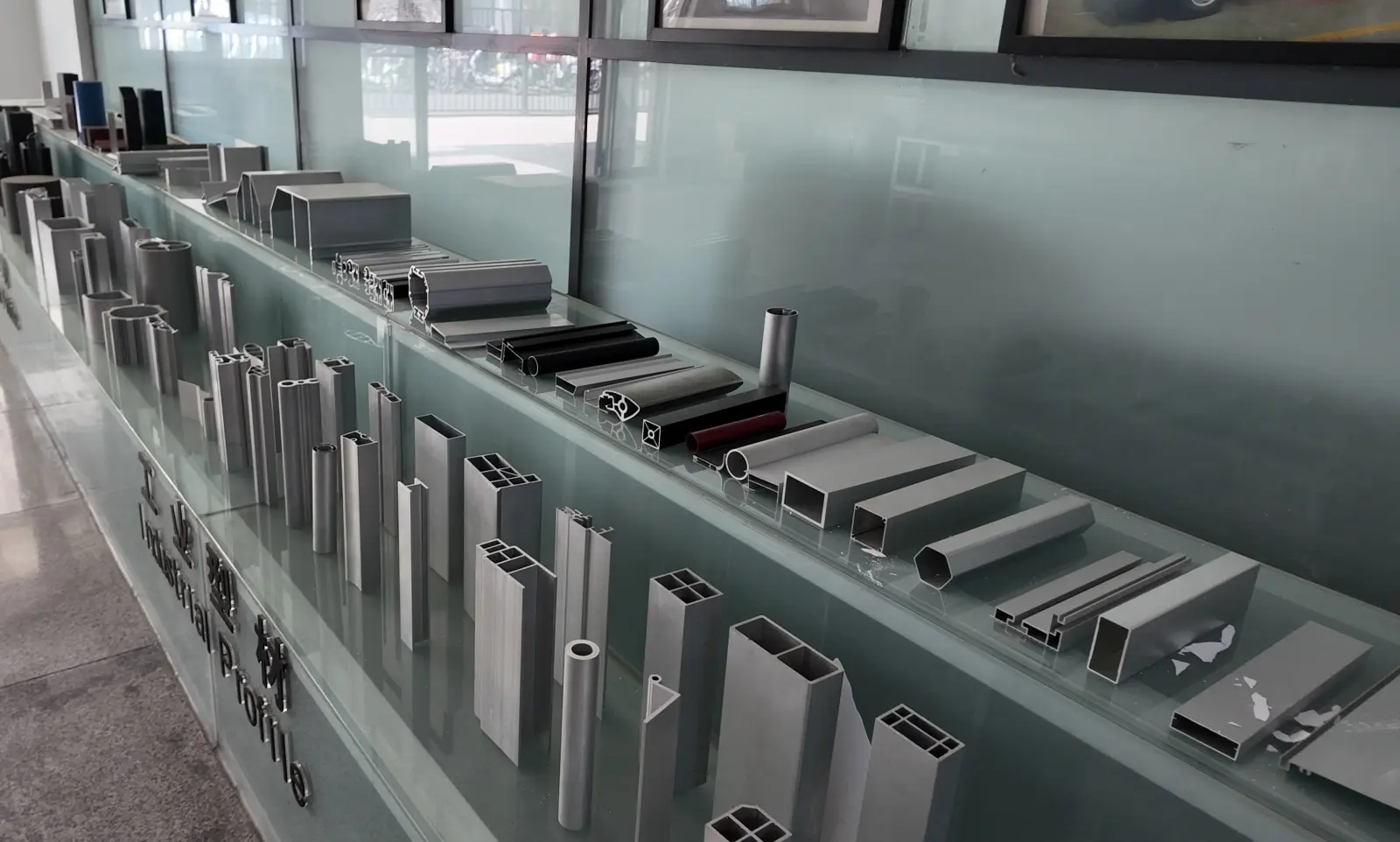
Explore our selection of custom precision profiles manufactured to meet industrial tolerances, strict global specifications, and robust quality parameters.
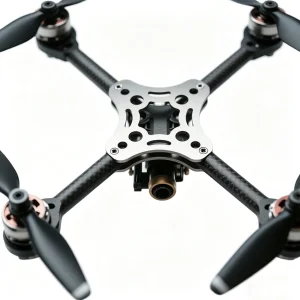
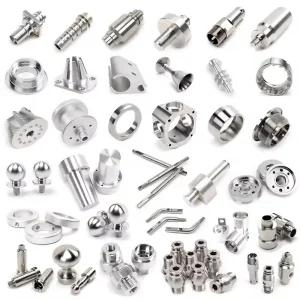
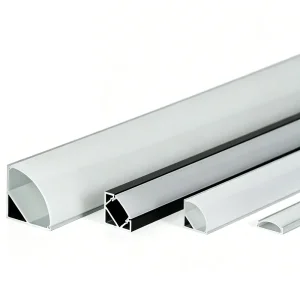
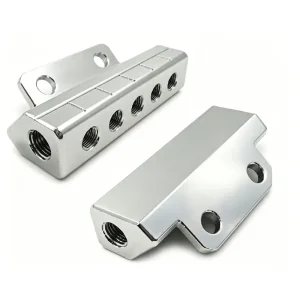
The global structural and design sectors are experiencing a tectonic shift toward sustainable lightweighting, structural consolidation, and carbon mitigation. High-precision custom aluminum profiles are at the heart of this transition. Modern industrial demands no longer tolerate generic stock profiles. Global entities require specialized metallurgical properties and precise geometric tolerances for high-speed transit, solar racking, and aerospace systems.
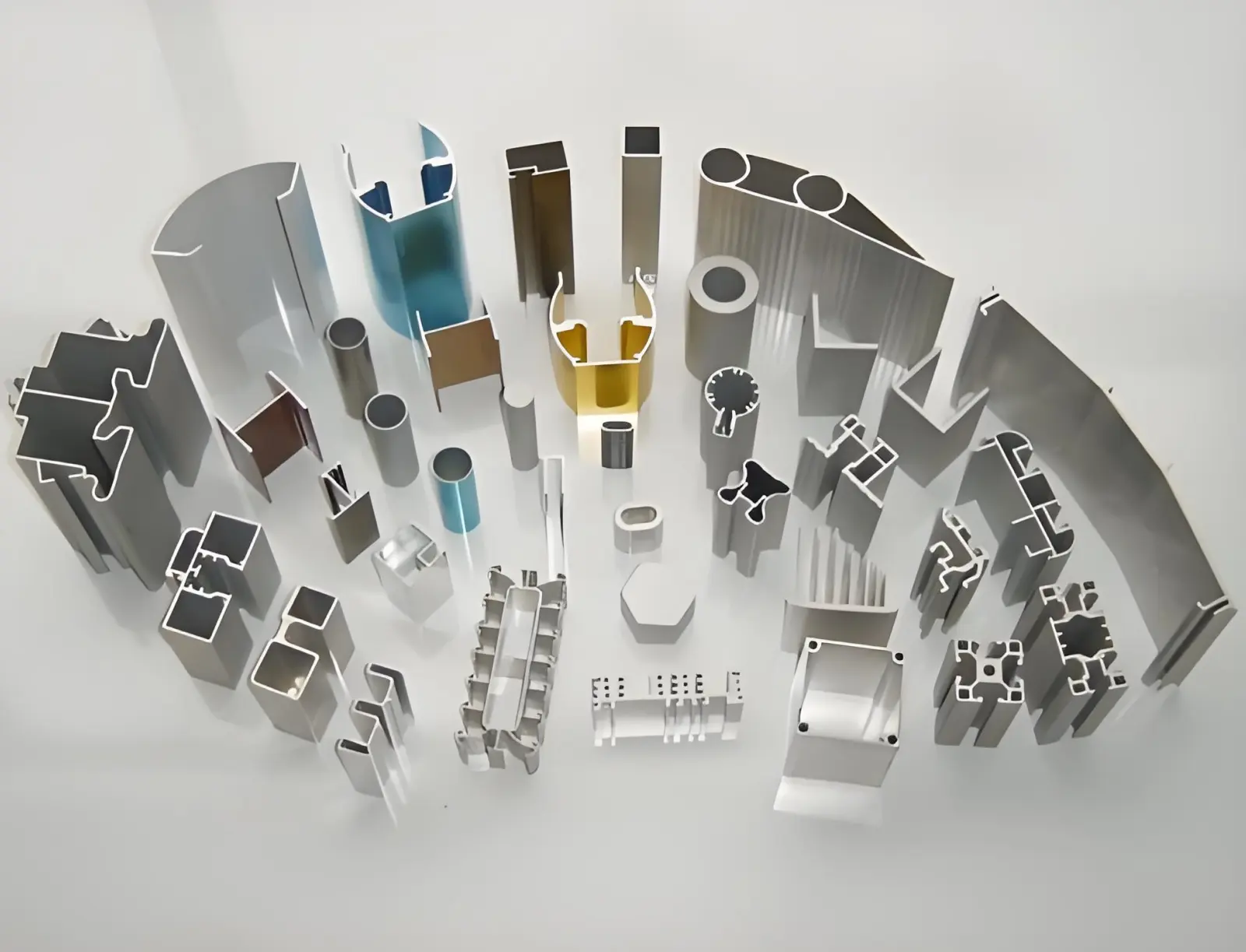
Key trends driving the custom profile market include the proliferation of complex hollow sections, advanced micro-channel thermal heat sinks, and the requirement for post-extrusion CNC machining. By combining structural design and extrusion into a single custom profile, companies reduce raw material weights, eliminate redundant welding operations, and ensure optimal tensile yield strengths.
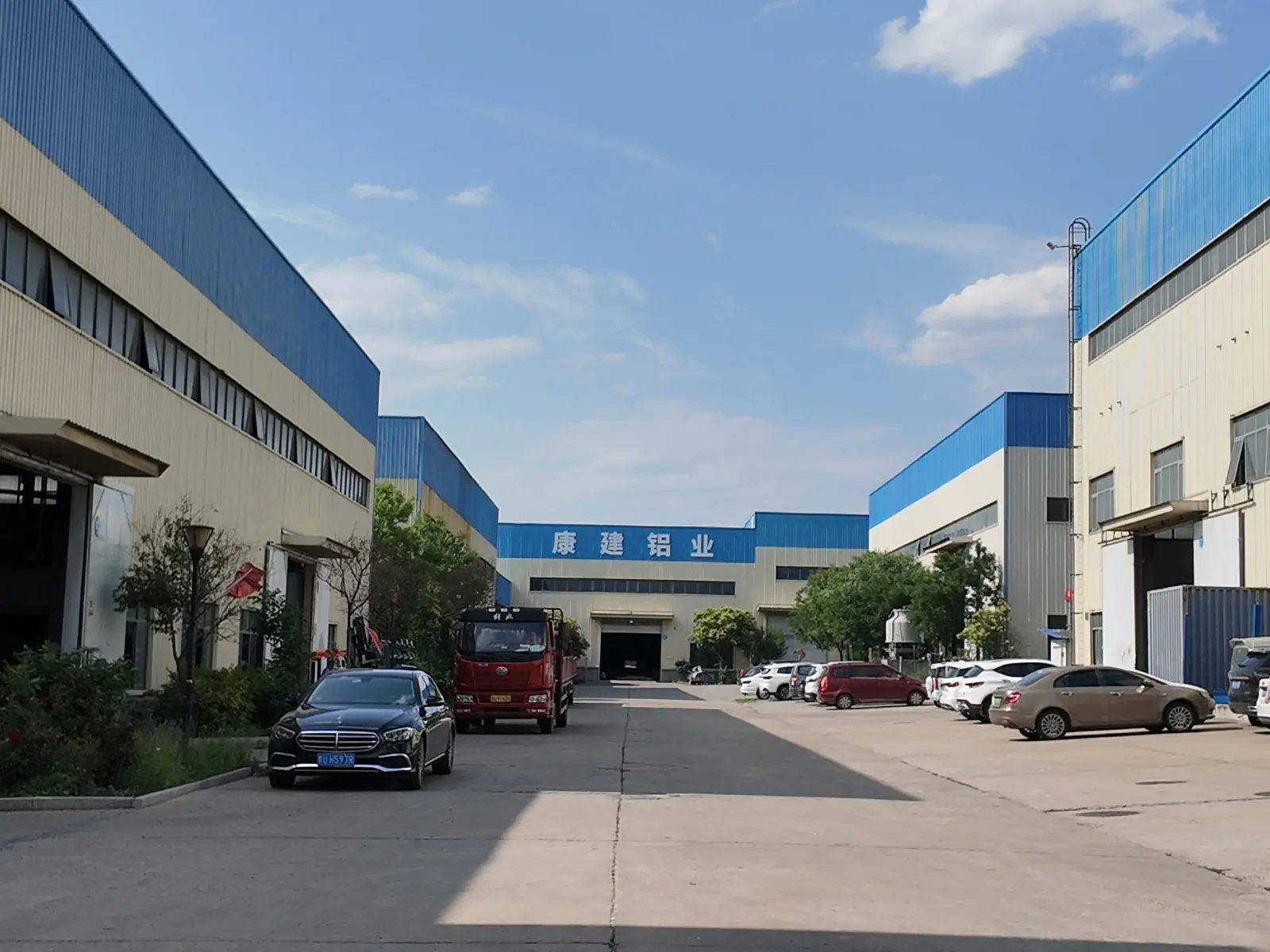
Established in the Jimo District of Qingdao City, Qingdao Kangjian Aluminum Industry Technology Co., Ltd. (founded in 2022) has emerged as an industry-leading fabrication force. The company specializes in premium aluminum and custom alloy profiles for high-speed rail transit, subways, automotive structural systems, marine installations, and performance architectural envelopes.
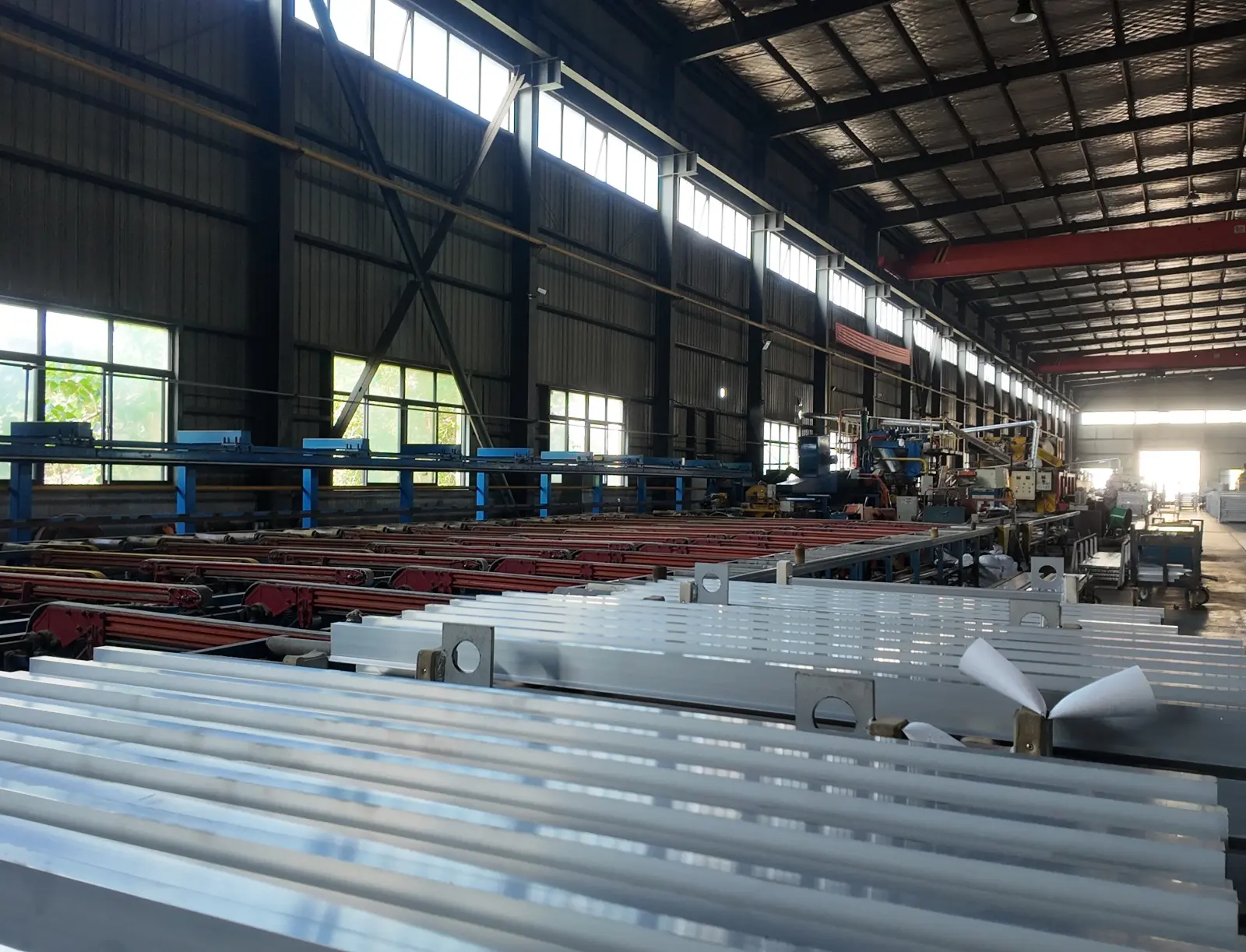
Backed by robust infrastructure, our facility spans 200 mu, encompassing 80,000 square meters of factory space and a dedicated 4,000 square meter administrative hub. With an annual design capacity of 15,000 tons, our facility integrates 5 automated extrusion production lines—ranging from high-precision 700T lines up to massive 2500T extrusion units. This advanced industrial array allows us to process standard and intricate shapes with strict tolerances.
Born near the Yellow Sea industrial corridor, the founders of Kangjian Aluminum identified a persistent gap in the global market: the lack of flexible, high-precision custom aluminum extruders willing to tackle demanding structural applications. By anchoring the operation in Qingdao, Kangjian utilizes the region's shipping infrastructure to establish a "dual-sea layout" connecting domestic Chinese demand with global shipping routes.
In three years, Kangjian has grown from a regional provider to a global supply partner. The firm's domestic reach includes core industrial bases in Anhui, Beijing, Jiangsu, Hunan, and Guangdong. Internationally, our products serve key logistics networks in South Korea, Japan, North America, and Europe. Our average annual order delivery rate and output value have consistently climbed by 30% year-over-year.

Procurement directors face structural volatility, shipping delays, and inconsistent chemical compositions in raw metals. Mitigating these risks requires selecting an aluminum extrusion partner with strict quality controls and vertical production capabilities.
Early collaboration on profile geometry reduces weight and eliminates secondary machining. Our engineers refine cross-sections to maximize structural performance while lowering die production costs.
We supply high-grade alloys (such as 6063, 6061, 6082, and 7075 series) with precise temper control (T5/T6). This ensures our profiles perform reliably in high-stress and harsh environments.
Combining high-capacity extrusions with custom CNC machining under one roof eliminates intermediate shipping costs, reduces handling defects, and shortens procurement lead times.
Kangjian custom profiles are engineered to meet the demands of performance-critical applications across various industrial sectors.

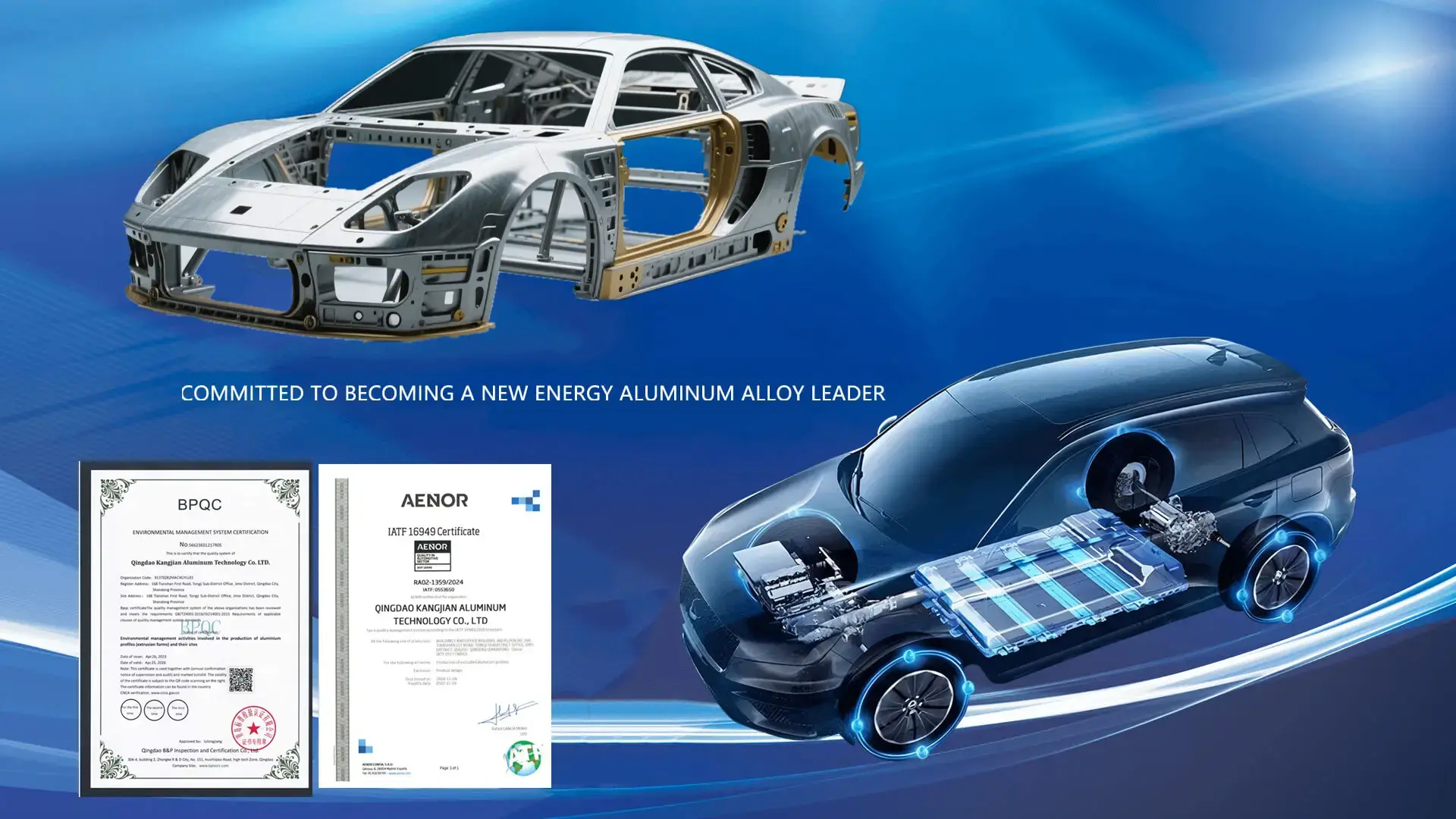
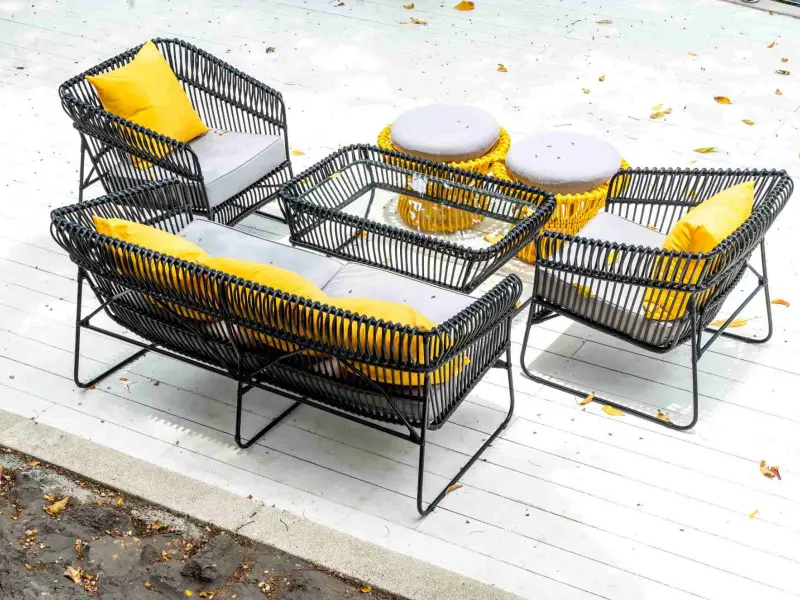
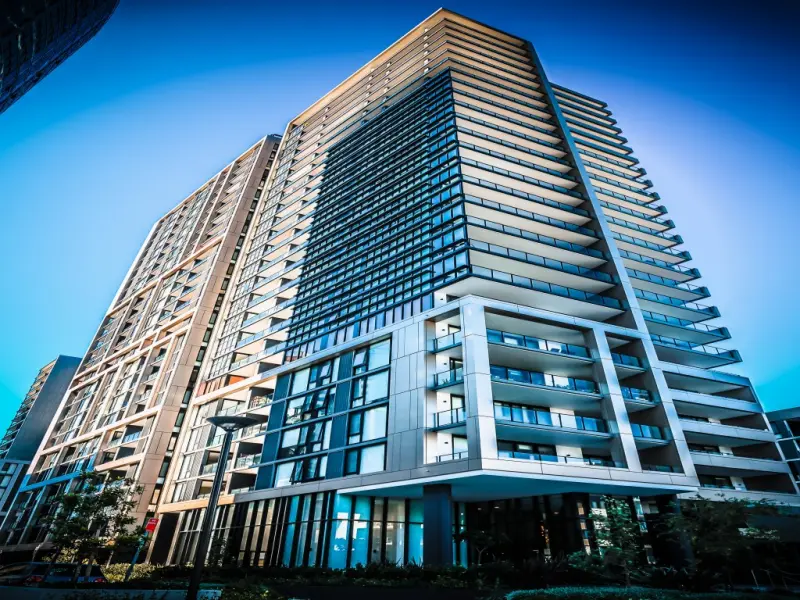
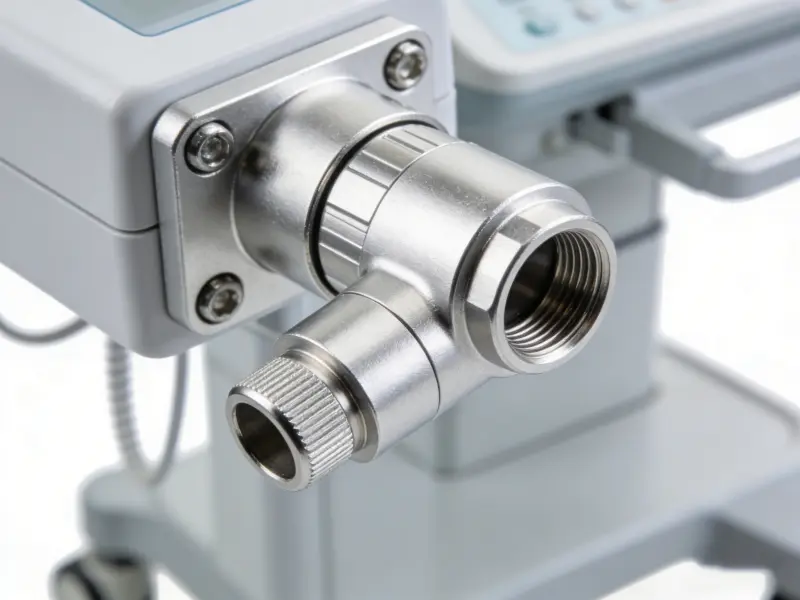
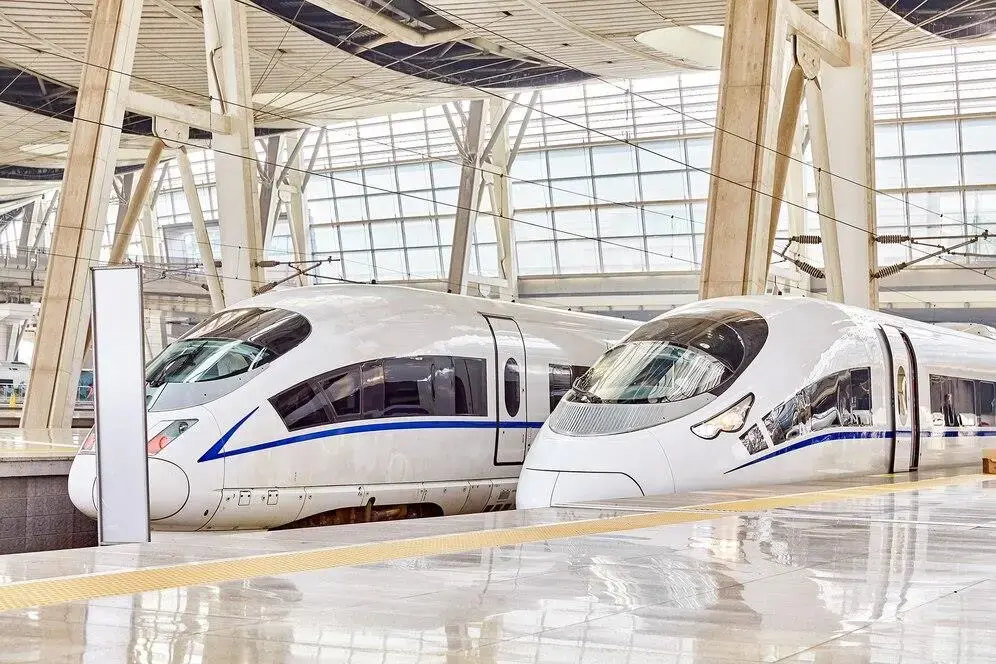
Designed for structural integrity and high yield strength. Our large-scale structural sections are used in modern subway systems, train car bodies, and marine superstructures exposed to dynamic loads and saltwater environments.
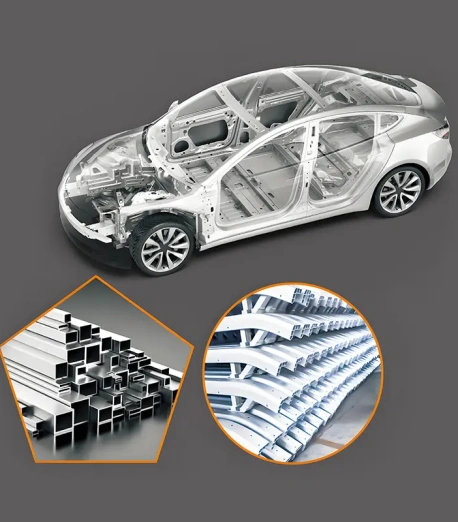
EV battery pack housings, crash management systems, and chassis components require strict precision tolerances. Our profiles help reduce vehicle weight, extending battery range while meeting global crash safety standards.
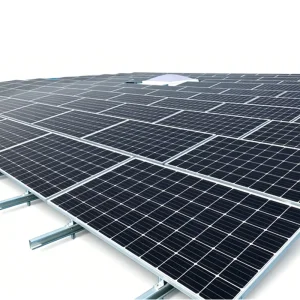
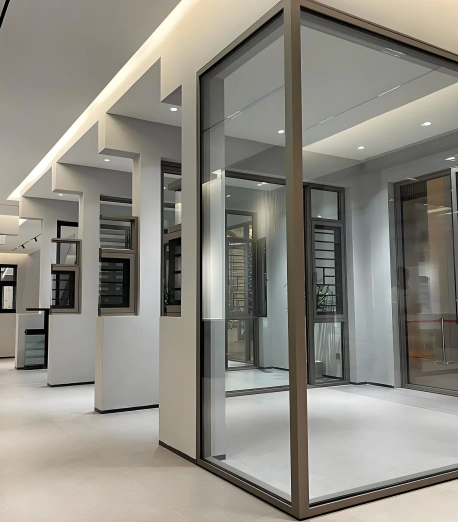
High-performance curtain wall extrusions, door assemblies, and solar frames. Engineered with thermal break designs to limit heat transfer, helping modern structures meet green building standards.
Modern structural design requires post-extrusion precision. Our factory is equipped with secondary processing centers that turn basic raw profiles into ready-to-assemble structural parts.
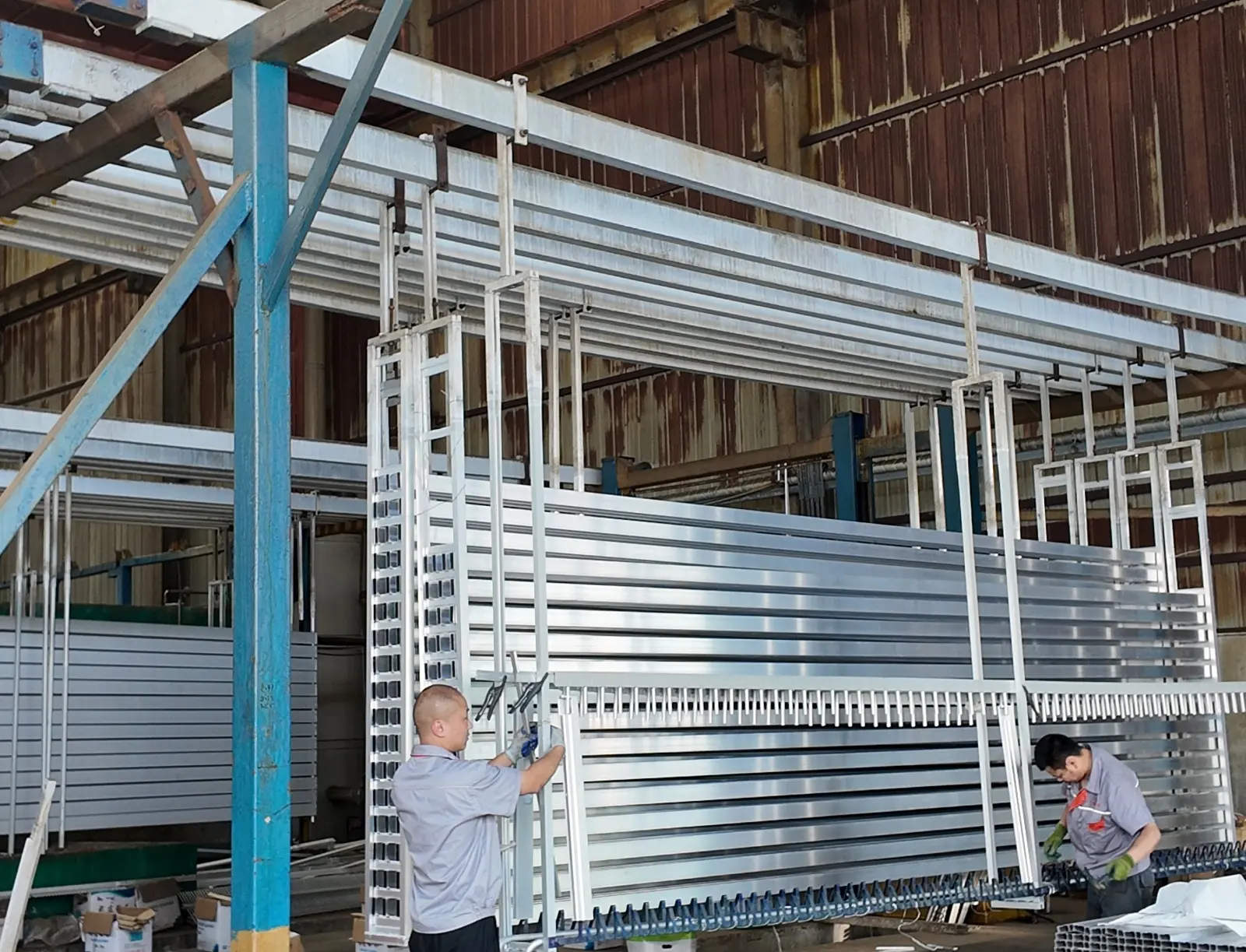
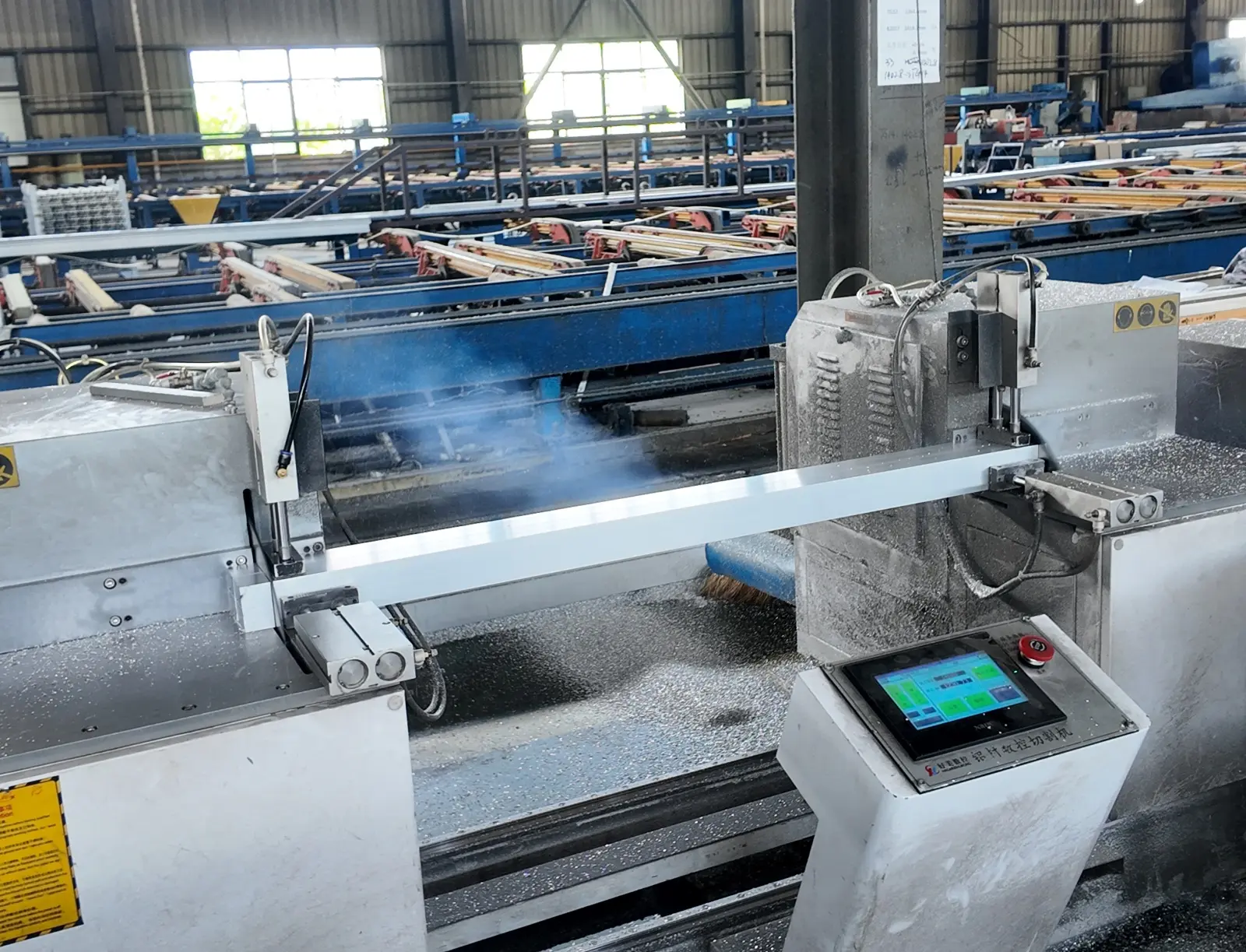
We offer multi-axis CNC milling, turning, precision tapping, and automated double-head mitre cutting. This enables us to maintain tight tolerances down to ±0.05 mm. Surface treatments include anodizing (natural and chemical), electro-coloration, powder coating, and PVDF coatings to ensure high UV resistance and long-term surface stability.
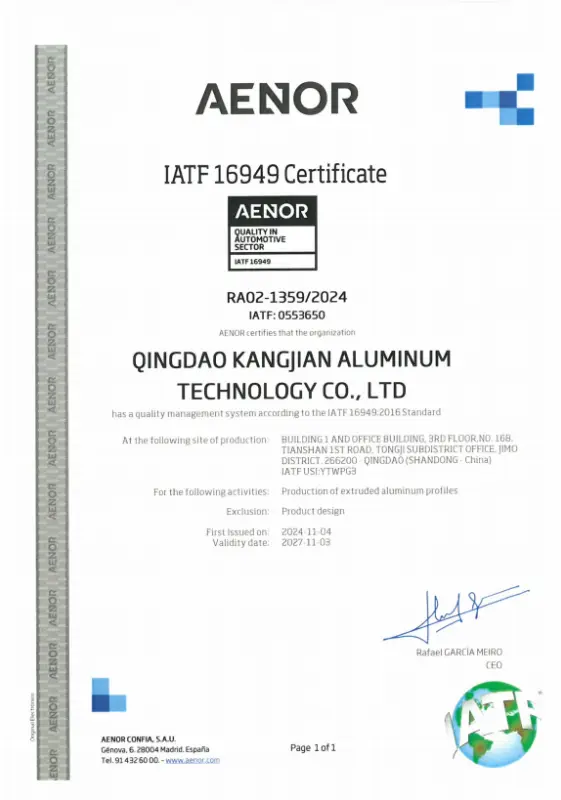
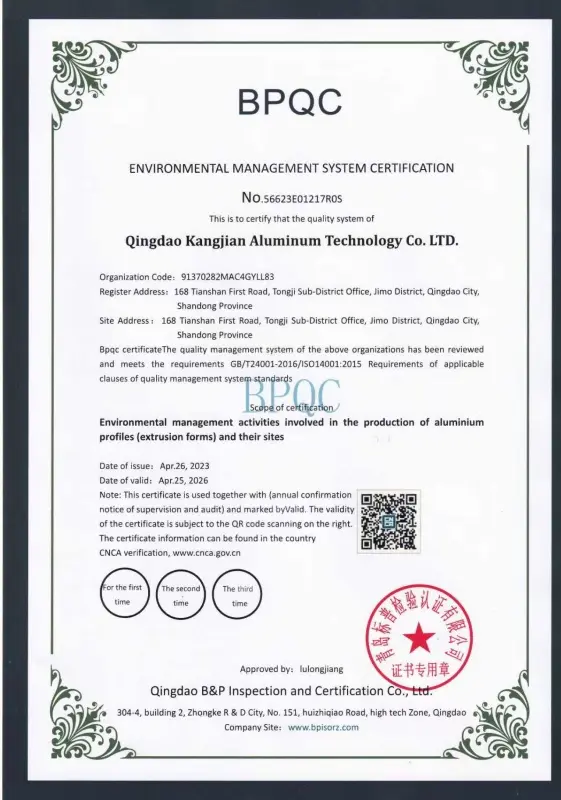
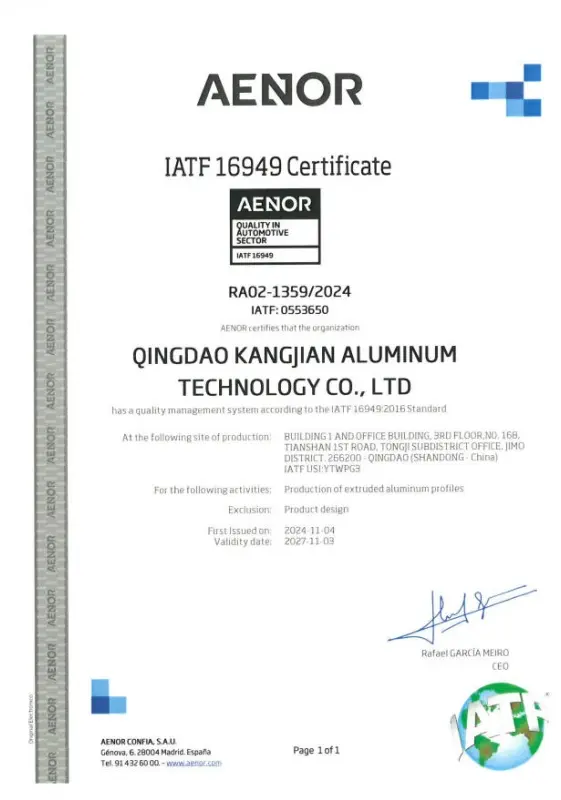
Under E-E-A-T guidelines, industrial competence must be backed by official testing and third-party certifications. Kangjian has built a comprehensive quality assurance framework, verified by leading global compliance bodies:
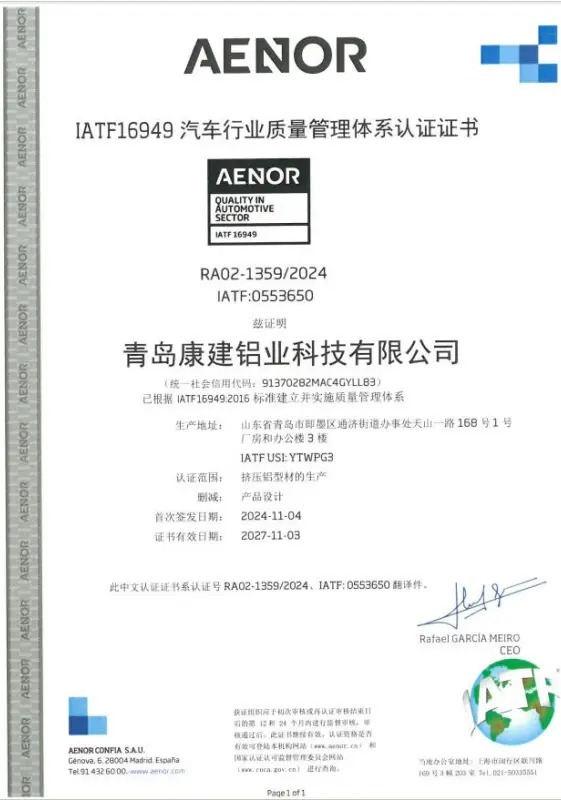
Automotive Quality Standard
Railway & General Welding Standards
Quality & Environmental Management
Adhesive Bonding for Rail Vehicles
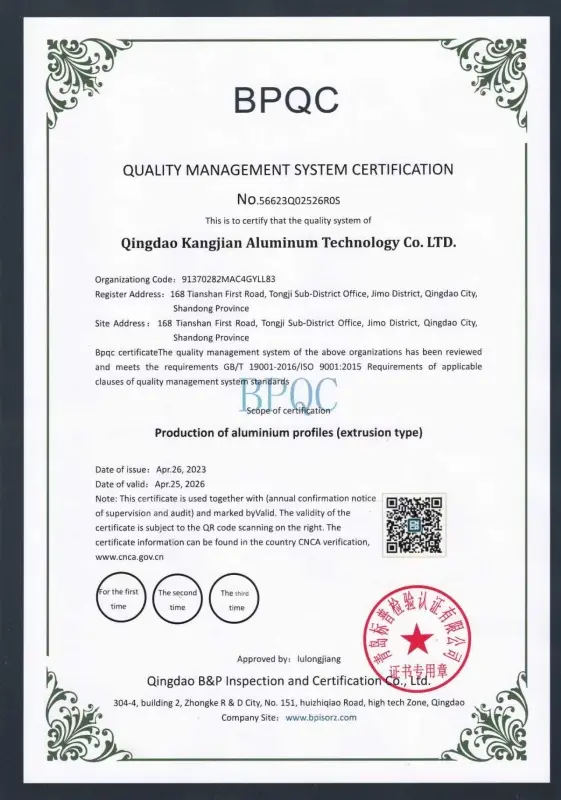
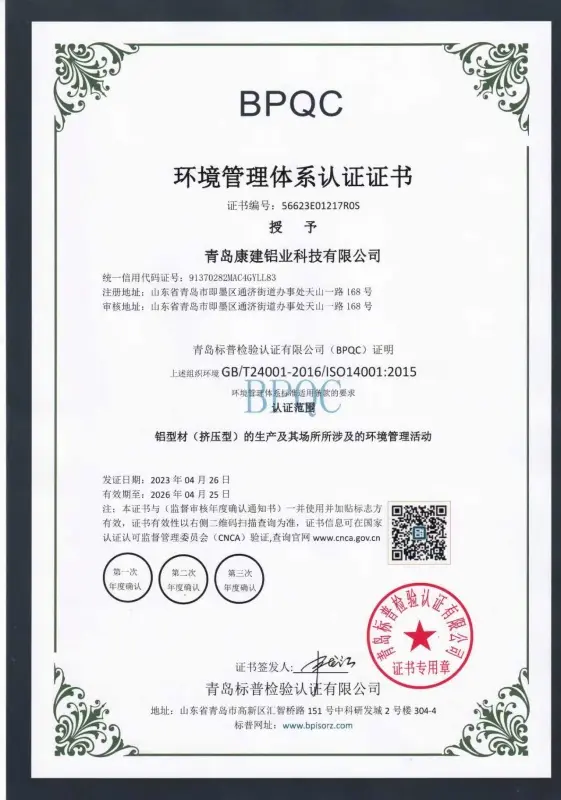
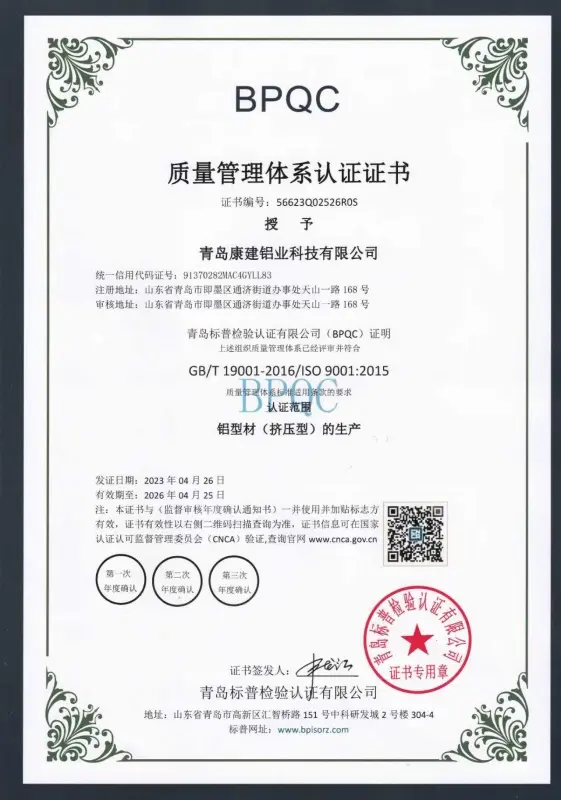
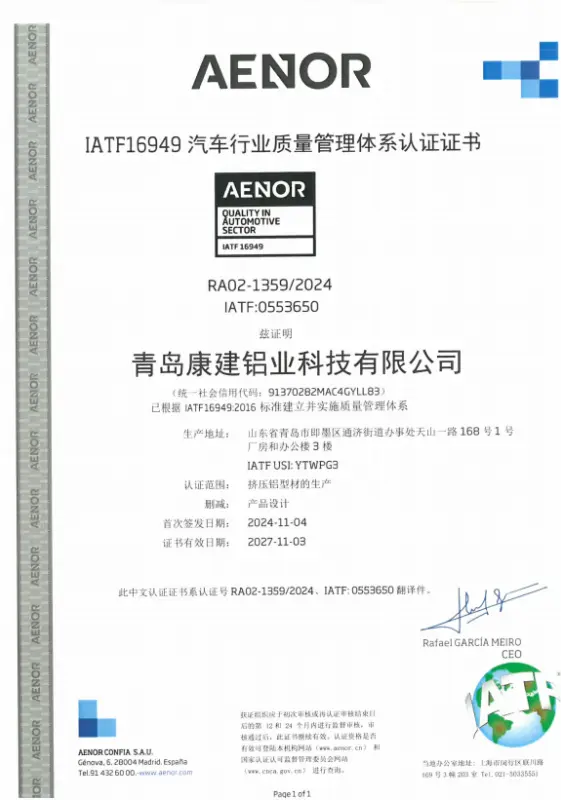



From large marine transport systems to micro CNC electronic fixtures, our custom designs are engineered to perform under demanding mechanical loads.
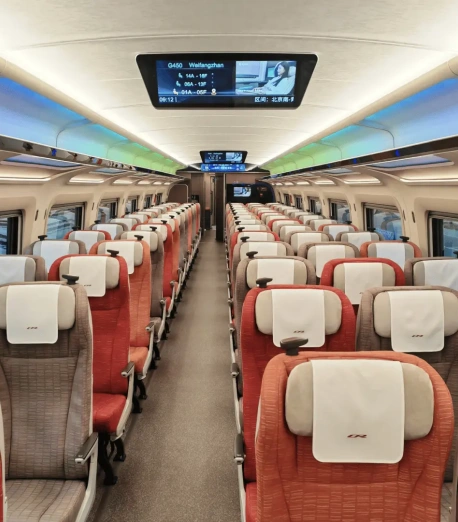
Multi-hollow structural profiles designed for high-stress rail frameworks.
Corrosion-resistant decking designed to withstand harsh weather conditions.
Alloy structures engineered to absorb impact energy during collisions.
Alloys engineered to resist stress corrosion cracking in offshore environments.
Access key metallurgical, structural, and procurement answers verified by our quality control engineers.
Answer: 6063-T5 is chosen for architectural and light-structural parts due to its excellent surface finish capabilities and response to anodization. 6061-T6 is a high-strength structural alloy used in demanding engineering applications like automotive chassis, rail frames, and drones, where yield strength and fracture toughness are critical.
Answer: Our equipment range spans from 700T to 2500T. This allows us to extrude profiles from small 10x10mm components up to larger profiles with circumscribing circle diameters (CCD) of approximately 250mm, depending on the wall thickness and shape complexity.
Answer: IATF 16949 compliance requires complete traceability and process control. We implement APQP (Advanced Product Quality Planning) protocols, utilize PPAP (Production Part Approval Process) packages for die release, and perform statistical process control (SPC) checks on chemical composition and mechanical properties.
Answer: For high-exposure environments, we recommend a class-two architectural anodized coating (minimum thickness of 15 to 25 microns) or a fluoropolymer (PVDF) powder coating. These treatments provide high resistance to salt spray, UV rays, and general chemical wear.
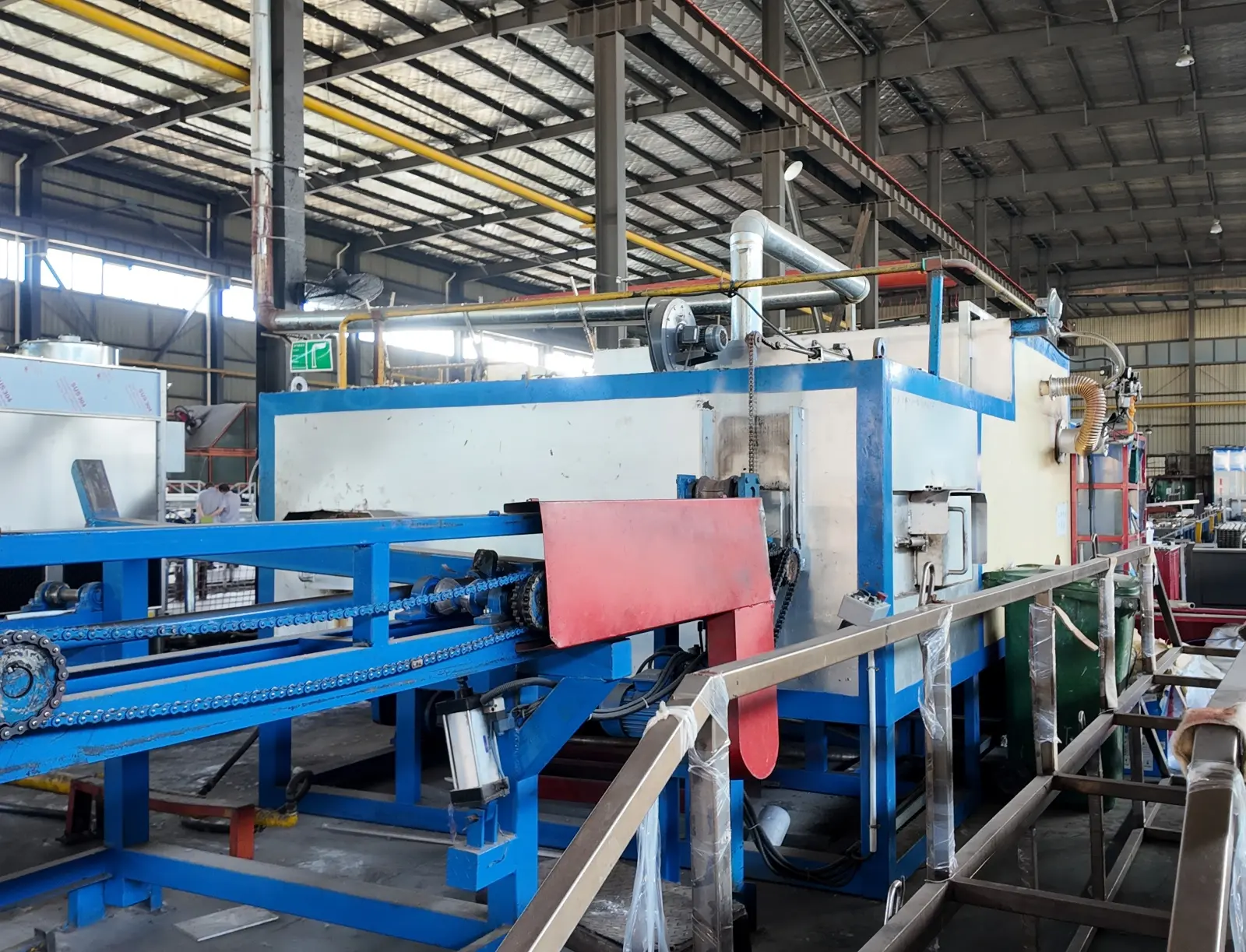
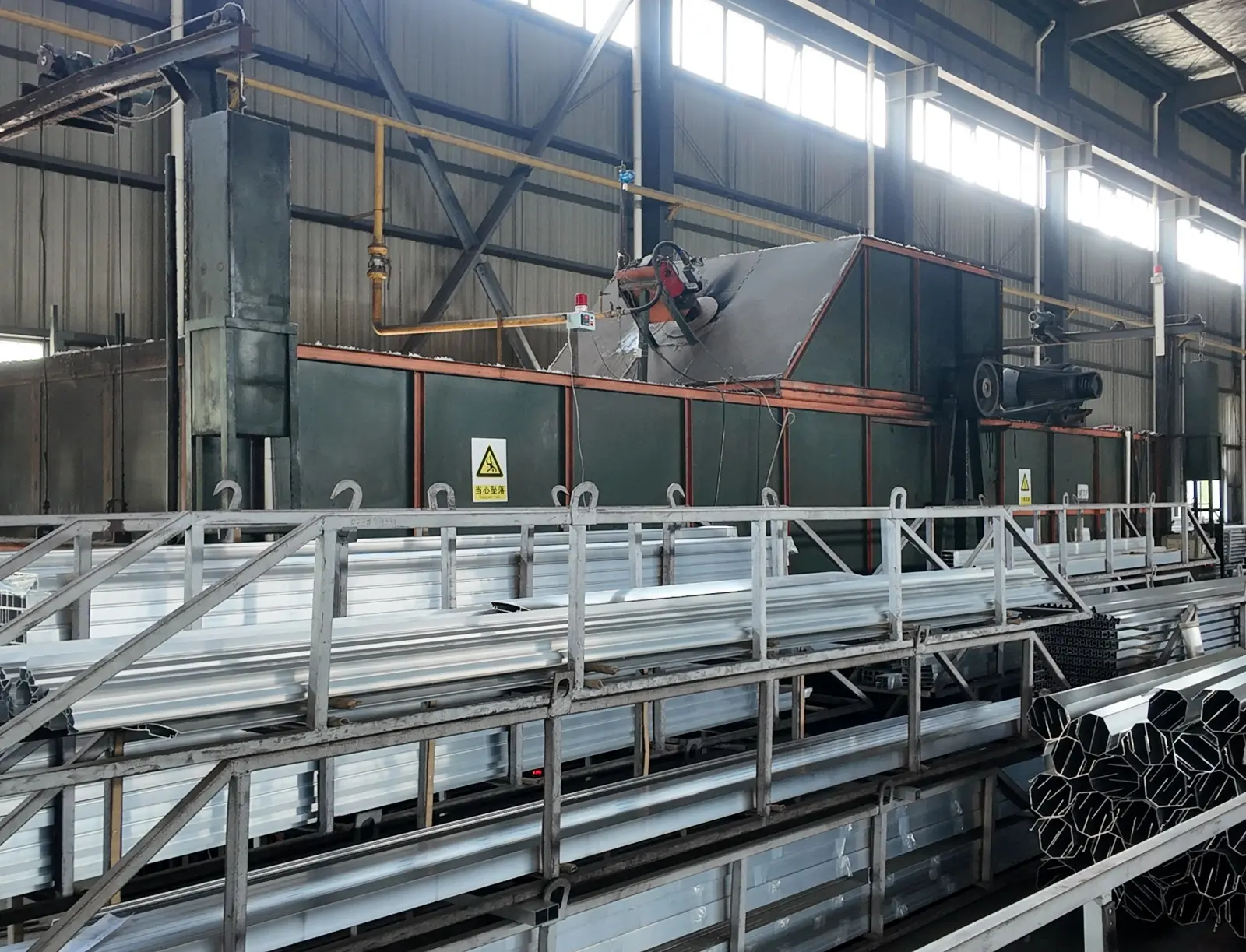
Answer: After extrusion, profiles undergo precision stretching on our run-out tables to relieve internal stresses. They are then aged in controlled furnaces to reach the required temper. For shipping, we wrap bundles in protective paper and place them in reinforced wooden crates to prevent bending or surface scratching.
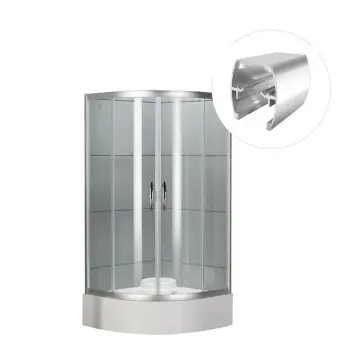
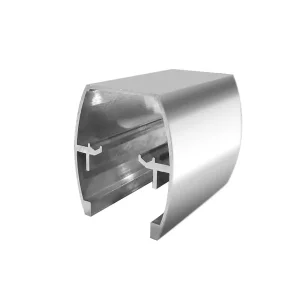
Designed for high corrosion resistance and custom sliding track installations.
Learn More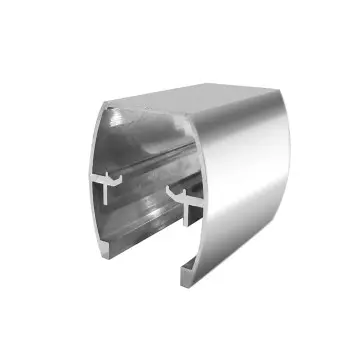
Features thin-wall structures and an anodized surface treatment for residential bathrooms.
Learn More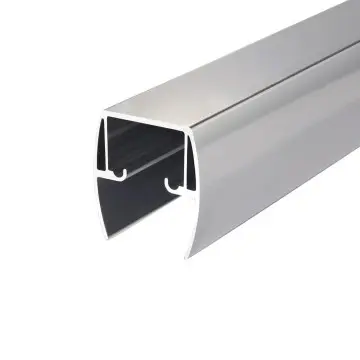
Features high dimensional stability and is optimized for automated assembly lines.
Learn More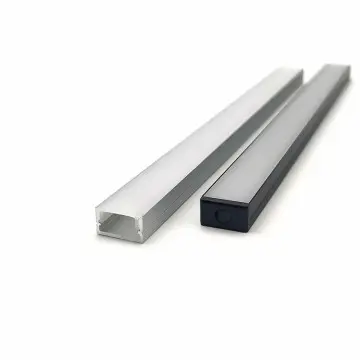
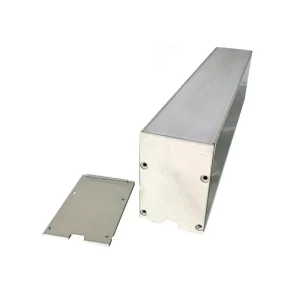
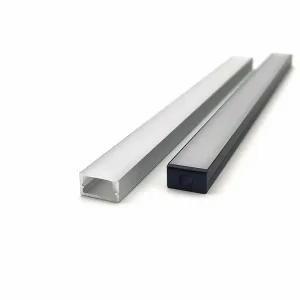
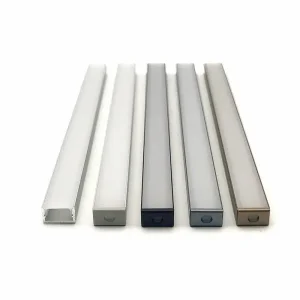
Designed for strip lighting, housing electronics, and structural framing.
Learn More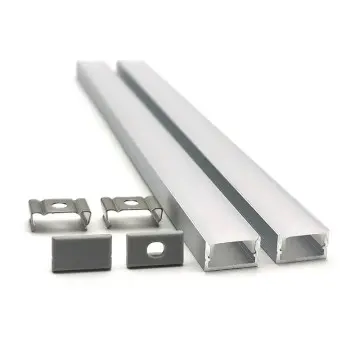
Optimized for thermal dissipation, extending the operating life of LED modules.
Learn More
Designed for space-efficient corner mounting in architectural installations.
Learn MoreSelect from our range of structural components, photovoltaic frames, mounting brackets, and precision CNC robotics profiles.