Kangjian
Kangjian
Kangjian
Explore our engineering capabilities across industrial, architectural, and structural applications.
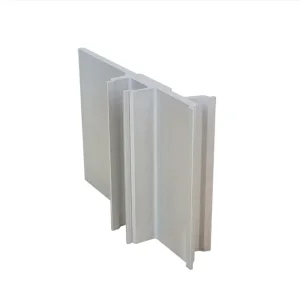
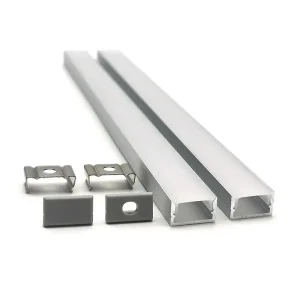
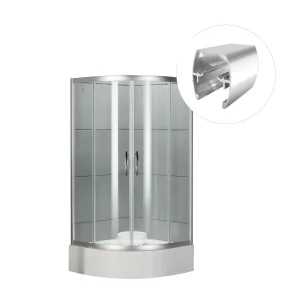
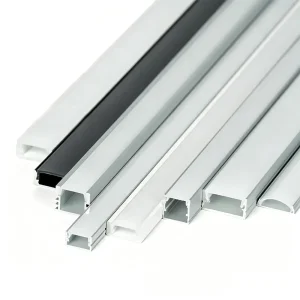
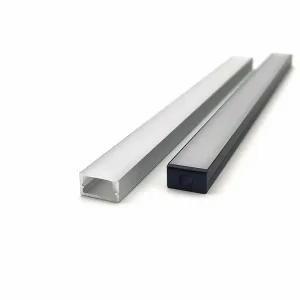
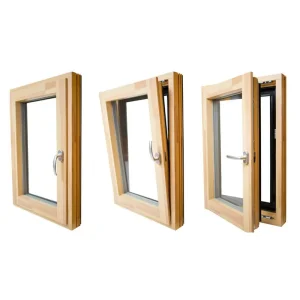
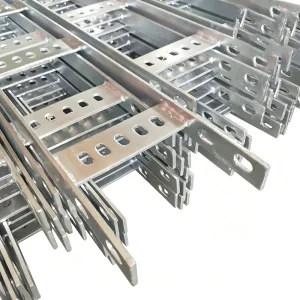
Analyzing key structural trends, volume sourcing benchmarks, and quality requirements across tier-1 procurement sectors.
In modern commercial architecture and large-scale industrial infrastructure, heavy-duty sliding systems have transitioned from simple partition solutions to critical, performance-limiting assemblies. The global demand for wholesale door sliding rollers and heavy-duty tracks is driven by multi-industry mandates for long-cycle reliability, energy conservation (via tight-fitting seals), and spatial optimization. Corporate procurement officers, project managers, and custom building facade engineers face strict technical constraints when sourcing components capable of supporting structural loads from 200kg up to 1,500kg per leaf.
According to international architectural hardware engineering guidelines, an average commercial sliding door system undergoes up to 100,000 cycles annually. Even minor physical degradation in roller alignment, bearing runout, or track rigidity can lead to catastrophic system lockup, escalating maintenance overheads and compromising safety profiles.
Enterprise-scale purchasers must evaluate door sliding roller suppliers using a multi-dimensional matrix. Sourcing decisions are no longer determined solely by unit cost; they are heavily influenced by long-term durability metrics, raw material integrity, and precision machining tolerance limits.
The combination of high-strength POM, Nylon, or stainless steel wheels with precision ball-bearing cores determines the dynamic weight limit. The roller's radial load distribution must perfectly align with the structural profile of the sliding door track to prevent localized stress points and premature tracking wear.
Premium suppliers validate their roller assemblies through accelerated life testing. Standard industrial specifications call for compliance with EN 1527 standards, requiring assemblies to clear 100,000 to 200,000 displacement cycles under maximum load without structural failure or visual degradation.
From sub-zero logistics freezers to highly corrosive coastal resorts, sliding rollers must resist salt spray, high humidity, and extreme heat. Custom zinc-plated brackets, SUS304 or SUS316 stainless steel housings, and dust-proof bearing seals are vital for operational integrity in harsh conditions.
How architectural profile designs and sliding hardware align to create seamless, heavy-duty structural systems.
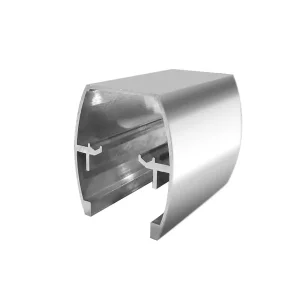
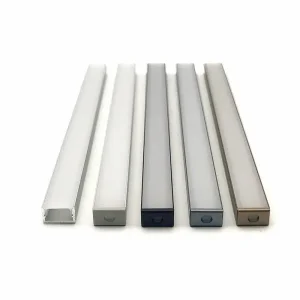
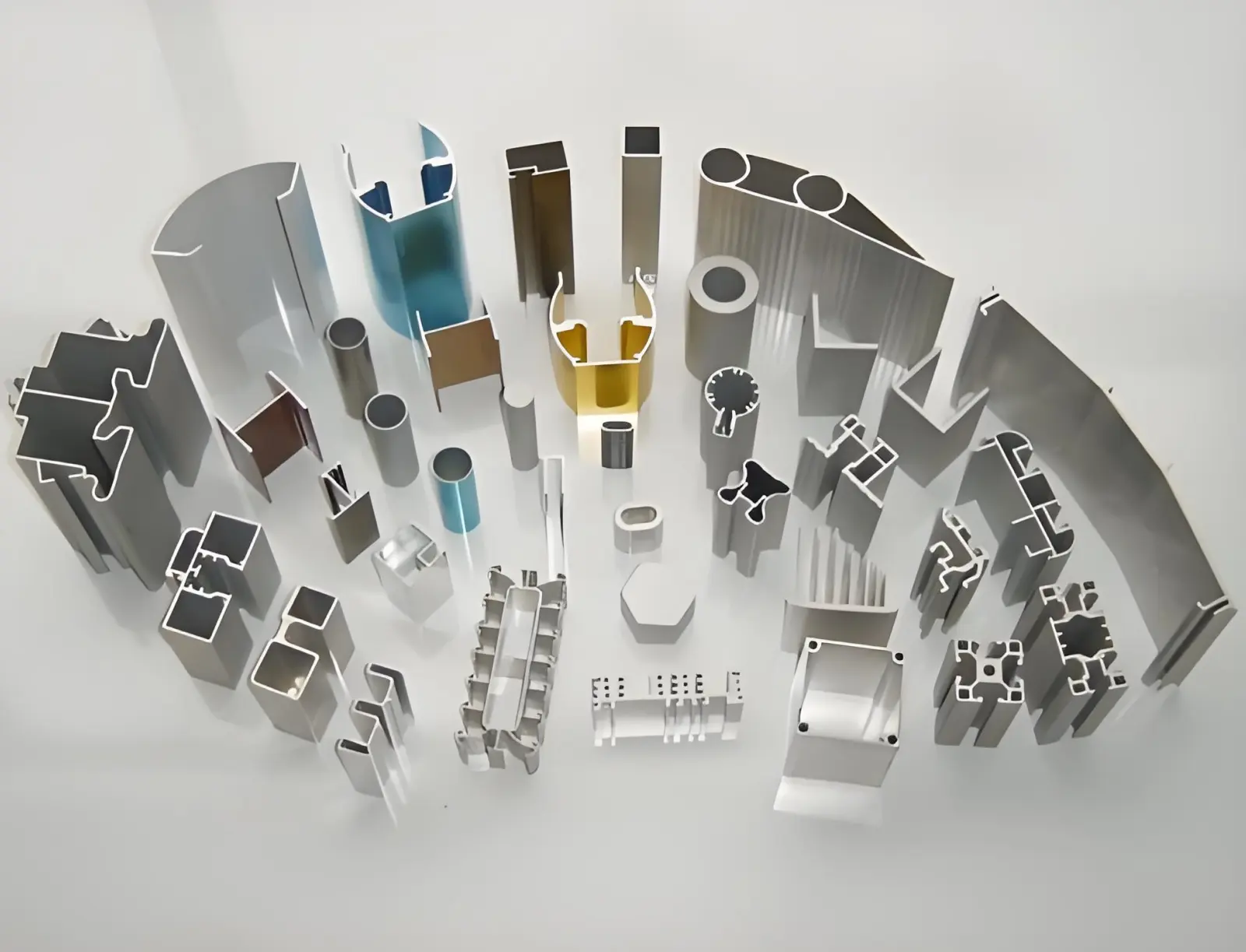
A door sliding roller does not operate in isolation. It forms a paired structural dynamic system with the extruded aluminum track profile. As a primary manufacturer of high-end aluminum alloy extrusions (supporting sectors such as high-speed railways, marine vessels, and energy-efficient buildings), our engineering philosophy emphasizes co-dependent tolerances. If the track profile's structural channel deflects by even 0.5mm under load, the sliding roller will experience uneven lateral friction, accelerating fatigue wear and inducing loud operating vibration.
Standard industrial extrusions (such as 6063-T5 or 6061-T6 aluminum alloys) are utilized to manufacture high-strength track channels. The interior running surfaces of these profiles must be perfectly linear and free of extrusion die marks. Match-machined track geometry ensures that the curved or flat contact faces of POM/Nylon rollers make optimal surface contact.
When pairing heavy structural doors with rollers, using hard anodized or powder-coated aluminum surfaces reduces friction coefficients, allowing manual operations to remain under 20 Newtons (N) of starting force, satisfying international accessibility guidelines (ADA compliance).
Investigating the next generation of materials, bearing designs, and self-lubricating technologies.
The performance limit of sliding door hardware relies heavily on advancements in material science. Traditional steel rollers often suffer from corrosion and noise, while early polymers were prone to flat-spotting under long-term static loads. The modern design roadmap focuses on eliminating these limits through compound materials and hybrid bearing mechanics.
Integrating carbon fiber-reinforced polyoxymethylene (POM) and lubricated nylon formulations. These compounds exhibit high mechanical strength, resistance to deformation under load, and self-cleaning attributes when operating on aluminum or stainless tracks.
Utilizing ABEC-5 or ABEC-7 level precision deep-groove ball bearings, grease-packed for life and double-sealed (RS/ZZ configurations). This ensures that dirt, moisture, and fine concrete dust cannot penetrate the internal races, maintaining rolling resistance at near-zero coefficients over decades of use.
Integrating miniature hydraulic dampers and spring-loaded anti-jump mechanisms within the roller carriage. This prevents doors from bouncing back upon impact, protects frame structures, and prevents fingers from being pinched in heavy residential patio door systems.
Leveraging high-end extrusion metallurgy, precision fabrication, and multi-sector certifications to supply global sliding track infrastructures.
Established in 2022 and situated in the Jimo District of Qingdao, Qingdao Kangjian Aluminum Industry Technology Co., Ltd. has grown to become the premier high-precision aluminum profile manufacturer in the regional economic zone. Our advanced facility spans over 80,000 square meters of factory space and features five state-of-the-art extrusion production lines (including one 1450T extruder, two 700T units, one 2500T unit, and one 1150T unit).
Our core manufacturing scope goes beyond simple extrusion. We specialize in producing complex, high-tolerance aluminum components for demanding sectors including high-speed railways, subways, automotive structural elements, marine vessels, and high-performance energy-saving building facades. It is this high-precision engineering expertise that allows us to manufacture tracks, hangers, and structural frame components that integrate with sliding roller hardware systems.

To ensure complete reliability for global architectural and industrial projects, our production processes comply with demanding automotive, railway, and structural welding quality frameworks. This level of quality management sets us apart from standard commercial profile extruders.
Certified under ISO22163 Railway Industry Management System and IATF16949 Automotive Quality Management System. These standards verify that our structural parts endure high-vibration environments and high dynamic stress fatigue.
Holding certifications for EN15085 Welding System, AWS (American Welding Society), and DIN6701 Bonding System. This ensures that customized structural assemblies containing aluminum tracks are engineered to survive critical stresses.
Conveniently situated near the Port of Qingdao, we export high-end profiles and architectural system parts to South Korea, Japan, the United States, and Northern Europe. Our average annual production delivery rate grows consistently at a 30% margin.
Navigating global building codes, import standards, and structural certifications for smooth delivery.
Sourcing hardware components globally requires strict adherence to regional construction codes and product liability regulations. A sliding roller or track profile that complies with Asian quality standards may still fail to meet European CE directives or North American ASTM structural benchmarks. Enterprise buyers must partner with manufacturers who recognize these technical requirements and provide comprehensive test reports and traceability certifications.
For commercial construction in North America, sliding window and door assemblies must comply with the AAMA/WDMA/CSA 101/I.S.2/A440 standards. The sliding roller mechanisms must support the door panel load without causing localized track damage. Our extruded tracks undergo precise deflection calculations to ensure compatibility with AAMA testing protocols, ensuring wind-load structural resistance and preventing water penetration.
In European markets, sliding hardware assemblies require CE markings, and testing must align with the EN 1527:2013 standard. This standard classifies sliding hardware across key performance criteria, including durability (corrosion resistance grades 1 to 4) and initial movement resistance. Partnering with a manufacturer certified in ISO9001 and ISO14001 ensures that every batch of raw materials is fully traceable, helping you clear European import inspections without delay.
Furthermore, our production capabilities provide custom alloy certificates (for grades 6063, 6061, 6082, etc.) and complete surface finishing reports (covering anodizing thicknesses, micron-level powder coating consistency, and 240-hour Salt Spray testing profiles). This transparency is vital for large commercial projects located in seaside areas, where coastal humidity increases corrosion risks.
Resolving key design, material, and installation challenges for sliding door roller systems.
POM is a highly crystalline polymer with excellent tensile strength, low friction coefficients, and high resistance to deformation under load. It prevents "flat-spotting" when doors sit idle for long periods. Nylon wheels are softer and provide quieter operation under lighter loads, but they are more susceptible to ambient humidity changes, which can cause minor dimensional changes over time.
Single-roller assemblies are ideal for lightweight glass panels or window frames (up to 80kg). For heavier sliding glass doors or security doors (100kg to 300kg+), tandem (double-wheel) rollers are recommended. Tandem rollers distribute the load across multiple wheels and pivot points, reducing localized point pressure on the track profile and ensuring a smoother glide.
A track profile with a wall thickness under 1.5mm may flex and deform under heavy dynamic loads. This deflection misaligns the roller, placing lateral load pressures on radial-contact ball bearings. This misalignment leads to accelerated bearing wear and noisy operation. We recommend using extruded aluminum tracks with a minimum wall thickness of 2.0mm, paired with hard-anodized or powder-coated surfaces.
For hardware assemblies, compliance with EN 1527 standards is recommended. For track components and custom structural frames, the production facility should hold ISO9001 quality system certifications. For rail transit or high-end architectural integrations, look for factories certified under IATF16949 or EN15085 welding systems to ensure consistent material performance.
Coastal environments contain high airborne chloride concentrations, which accelerate galvanic corrosion on steel sliding parts. Sourcing components that undergo 240-hour or 480-hour neutral salt spray testing (ASTM B117 compliance) ensures that components, stainless steel housings, and sealed bearings are resistant to corrosion, preventing system seize-ups.
Heavy duty and customized metal components engineered for industrial, robotic, and architectural projects.