Kangjian
Kangjian
Kangjian
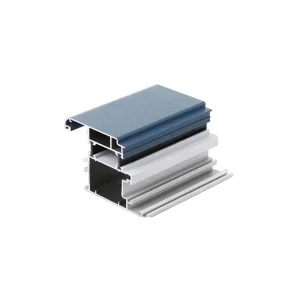
In modern industrial design, weight reduction represents one of the most critical structural achievements. As industries aim to reach net-zero carbon goals, the demand for lightweight structural profiles has grown exponentially. Specifically, 6xxx and 7xxx series aluminum alloys have emerged as critical structural mediums. Offering a high strength-to-weight ratio, excellent thermal conductivity, and superb anti-corrosion properties, aluminum alloy extrusions are replacing traditional structural steel across multiple heavy-industry sectors.
Globally, the commercial deployment of aluminum extends from structural frames in high-speed railways and subways to precision component systems in electric vehicles (EVs) and robotics. Industrial purchasing managers and structural engineers require materials that don't just meet dimensional specifications but also guarantee precise alloy temper consistency, microstructural uniformity, and strict geometric tolerances.
This is where professional manufacturers like Qingdao Kangjian Aluminum Industry Technology Co., Ltd. make a difference. As a leading manufacturer in Northern China, we bridge the gap between heavy metallurgy and precision manufacturing, delivering highly customized profiles tailored for long-term field stability.
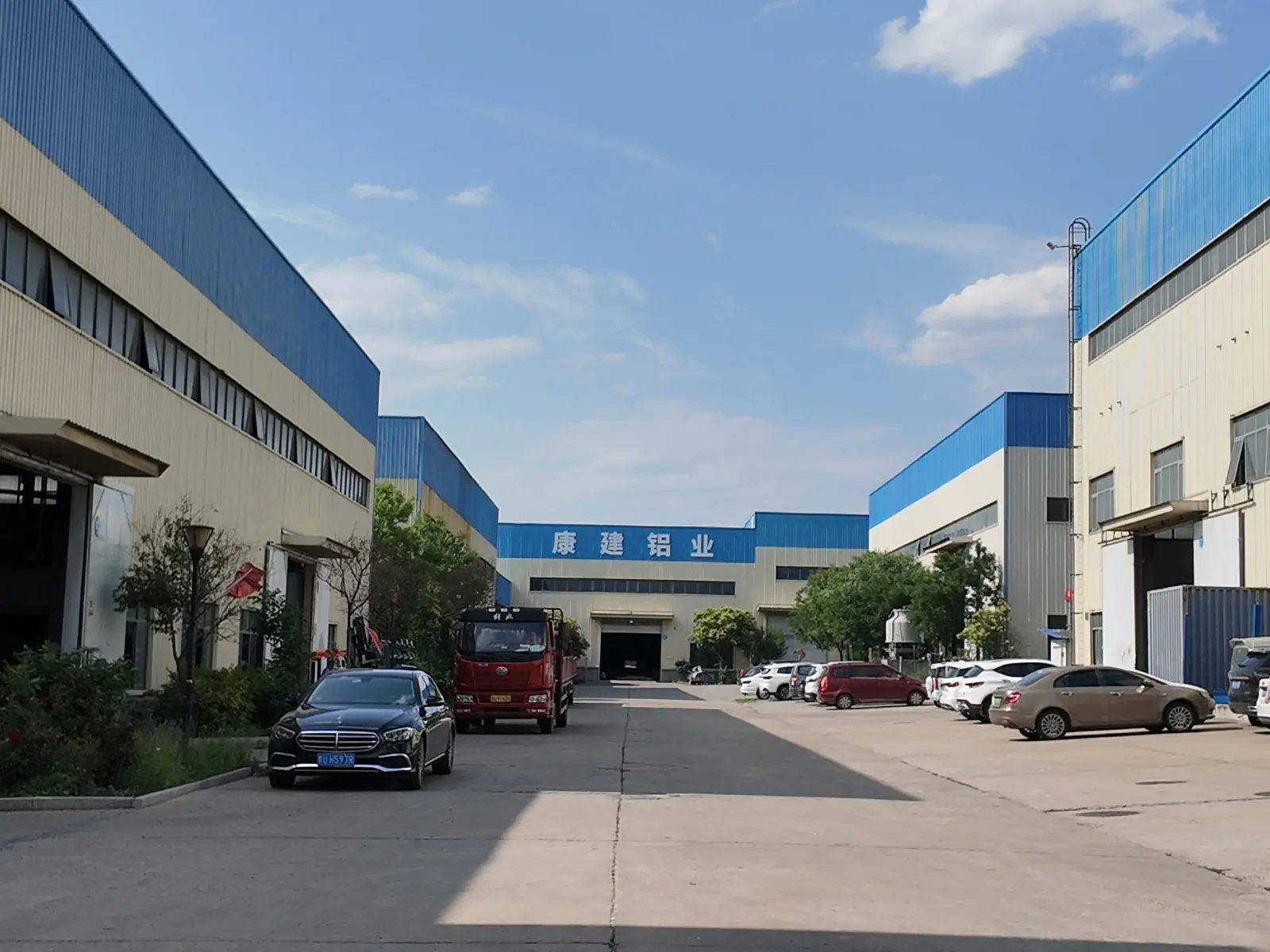
Founded in 2022 and located in the Jimo District of Qingdao, Kangjian operates a modern facility designed to address the challenges of high-mix, high-precision industrial production.
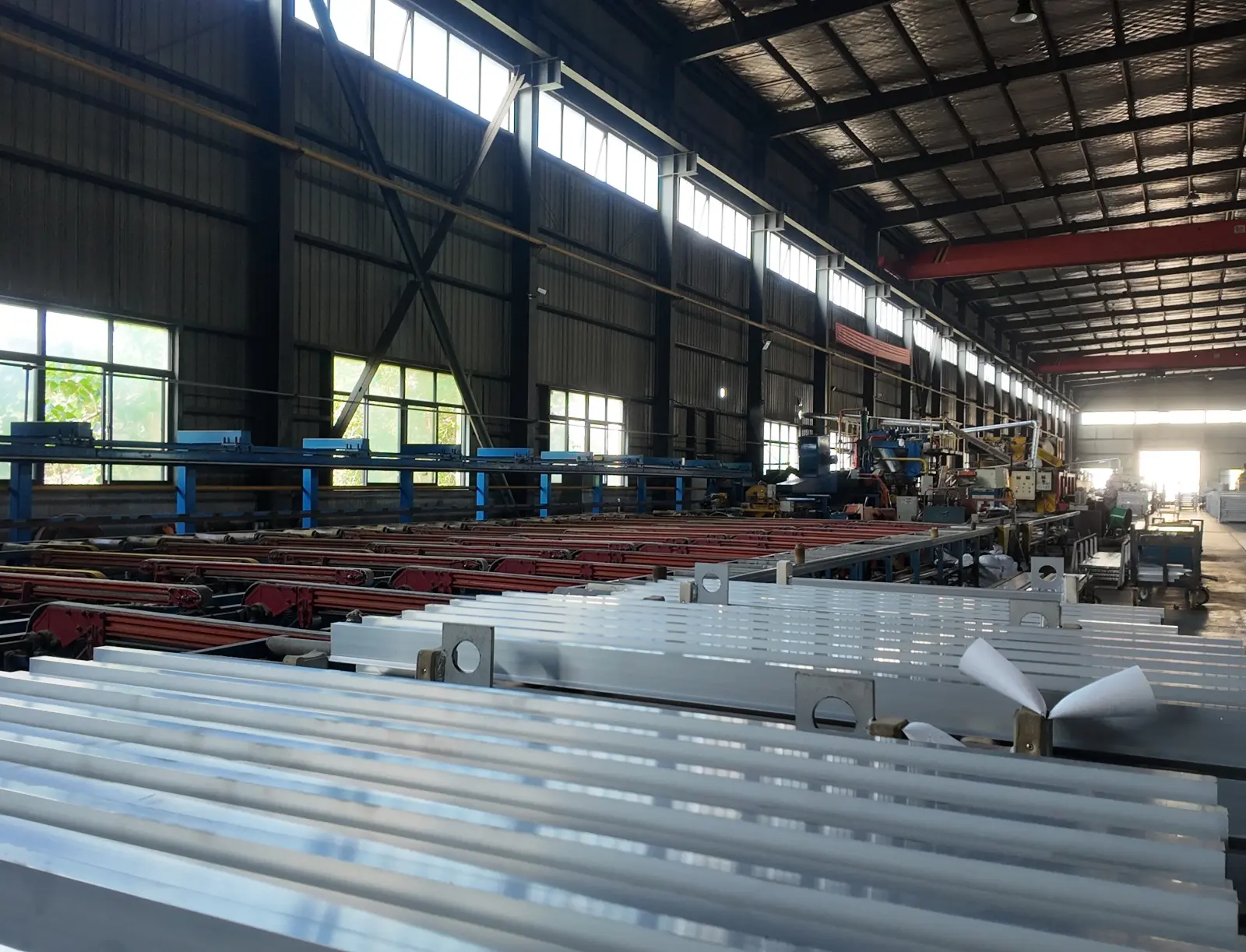
Spanning an industrial area of 200 mu (with over 80,000 square meters of production workshops and 4,000 square meters of administrative offices), Kangjian is currently the largest aluminum profile manufacturer in the Qingdao region. We operate 5 state-of-the-art extrusion lines with a combined annual capacity of 15,000 tons. This production capabilities include:
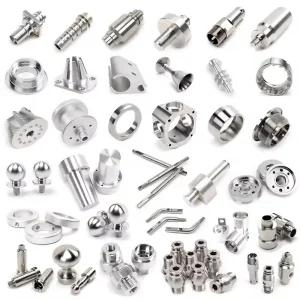
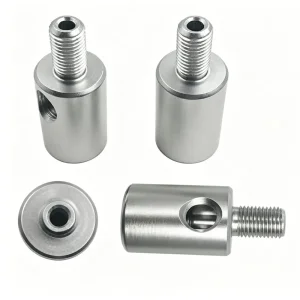
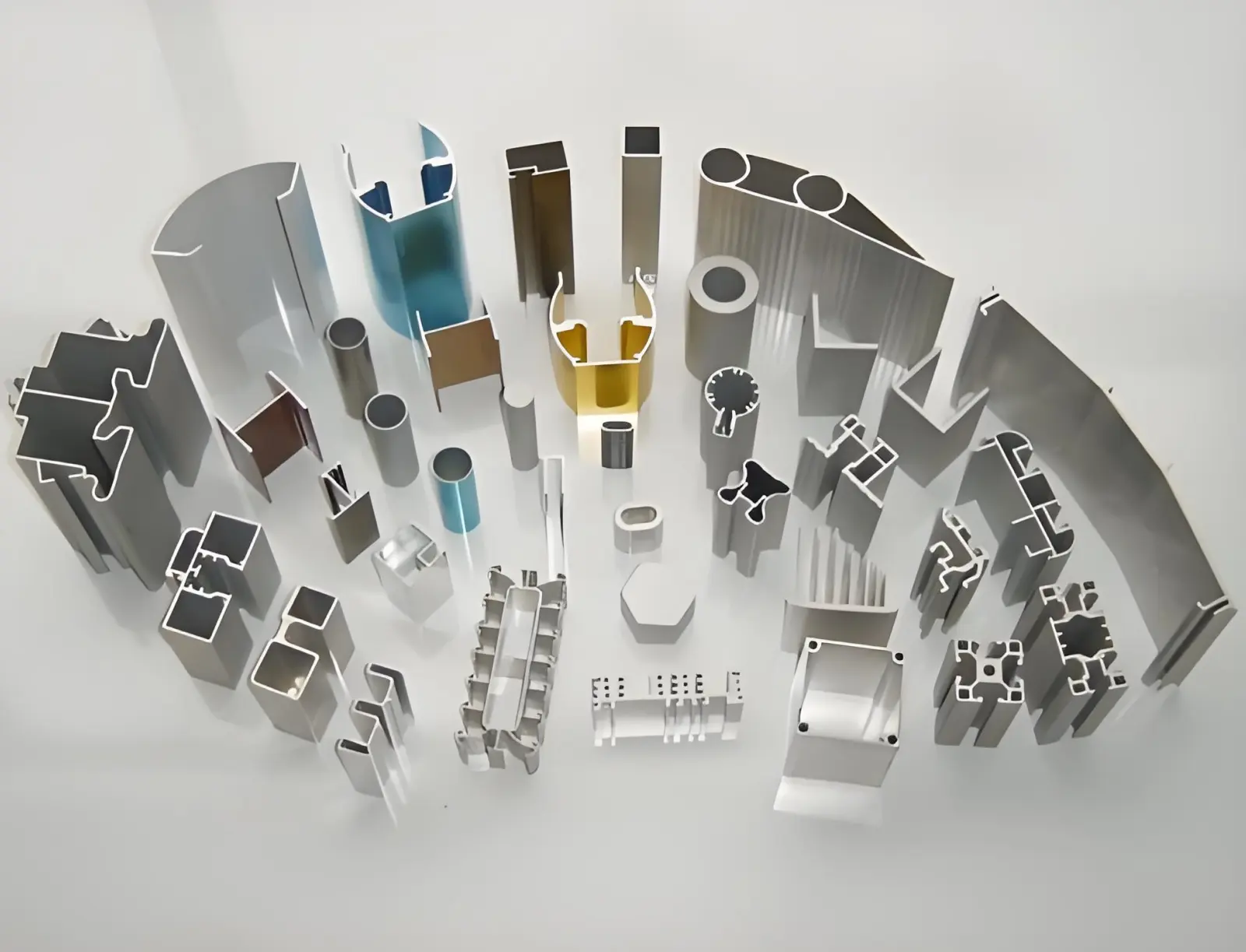
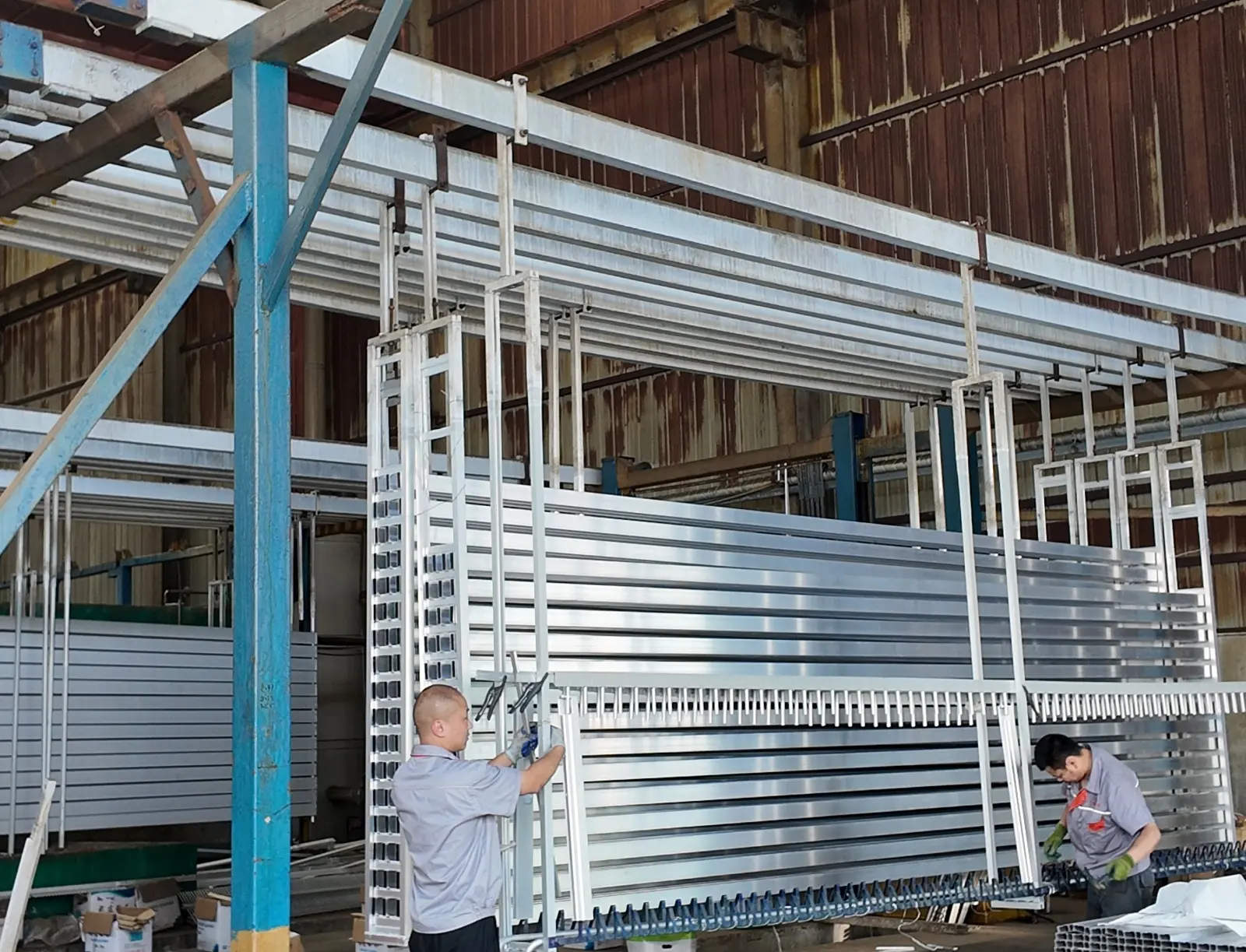
Beyond our extrusion capacity, our facility offers vertical integration including CNC precision machining, robotic milling, multi-axis profile bending, automated welding, anodizing, powder coating, and thermal barrier assemblies. This allows us to supply complete, installation-ready structural sub-assemblies directly to our clients' production lines.
Modern supply chain volatility highlights the value of logistical reliability. Located in Qingdao—a primary deep-water port city along the Yellow Sea—Kangjian utilizes a dual-sea logistical model. We source domestic primary aluminum ingots through local supply routes while maintaining proximity to international trade routes.
Our proximity to Qingdao Port enables prompt shipping schedules, lowering transit risks and container handling costs for overseas buyers. Whether shipping to South Korea, Japan, the European Union, or North America, our logistics network handles export compliance, customs clearance, and container shipping routes efficiently.
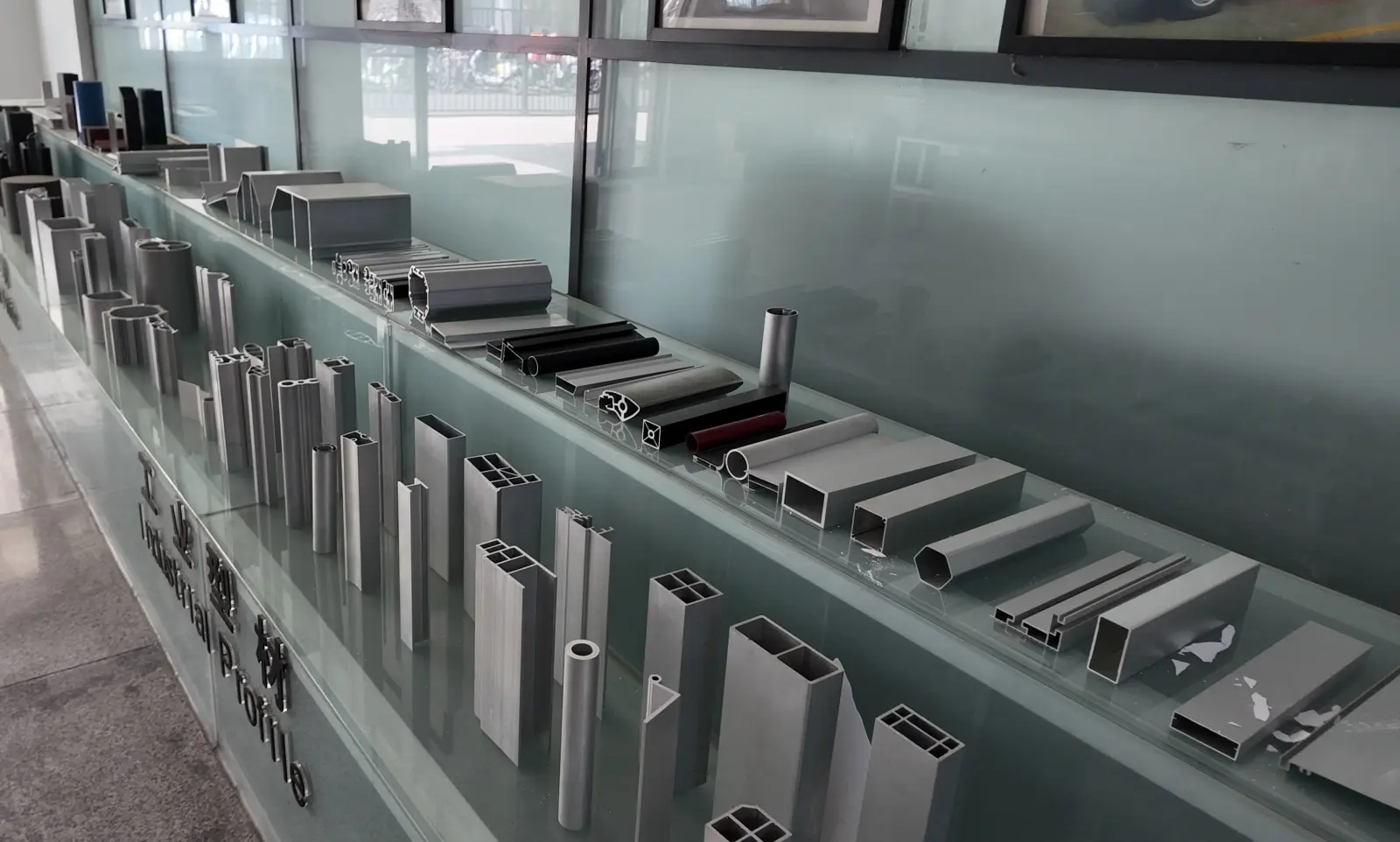
Each industry demands specific mechanical performance profiles from aluminum alloys. Below is a detailed view of our specialty manufacturing areas.
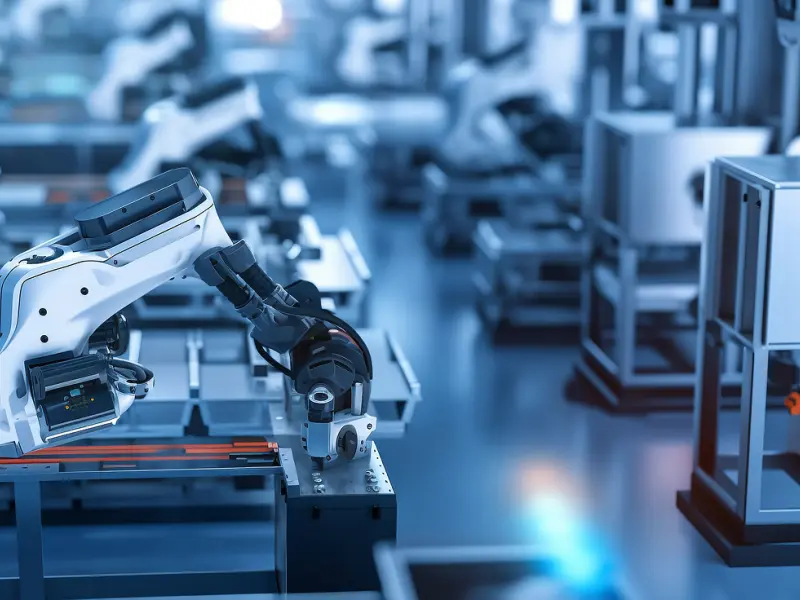
Custom-engineered framing, heavy equipment enclosures, robotic safety gantries, and modular assembly tracks.
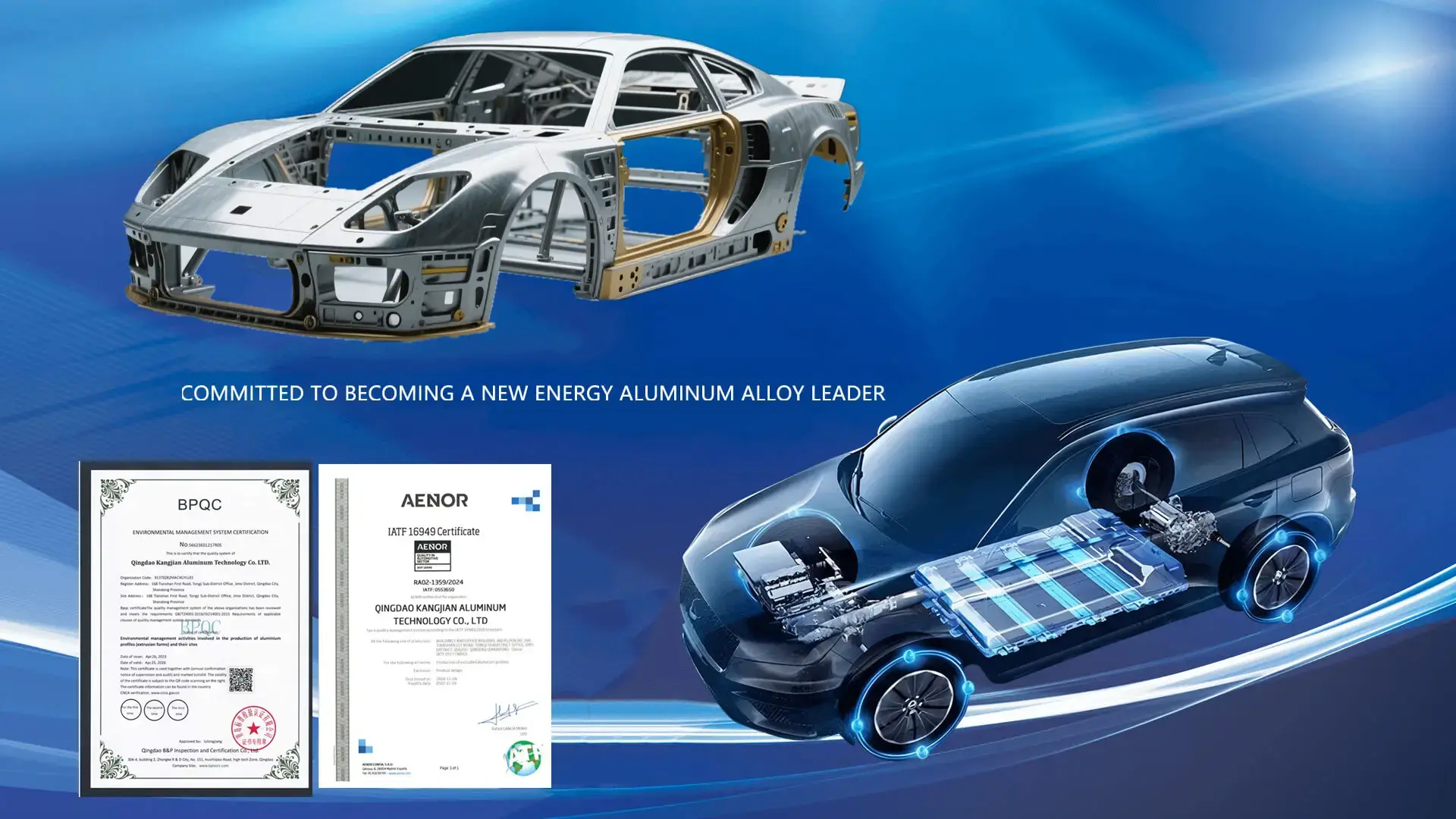
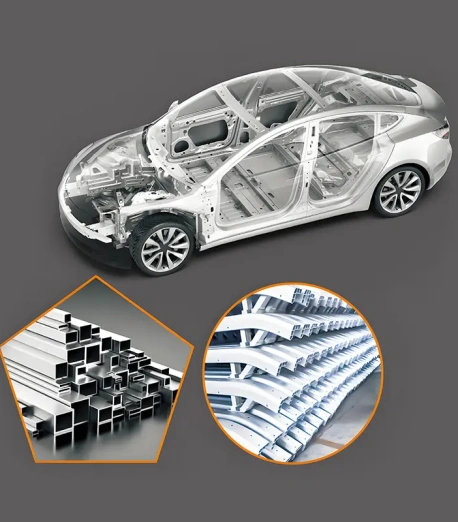
Lightweight structural elements, EV battery housing extrusions, bumpers, and powertrain mounting parts.
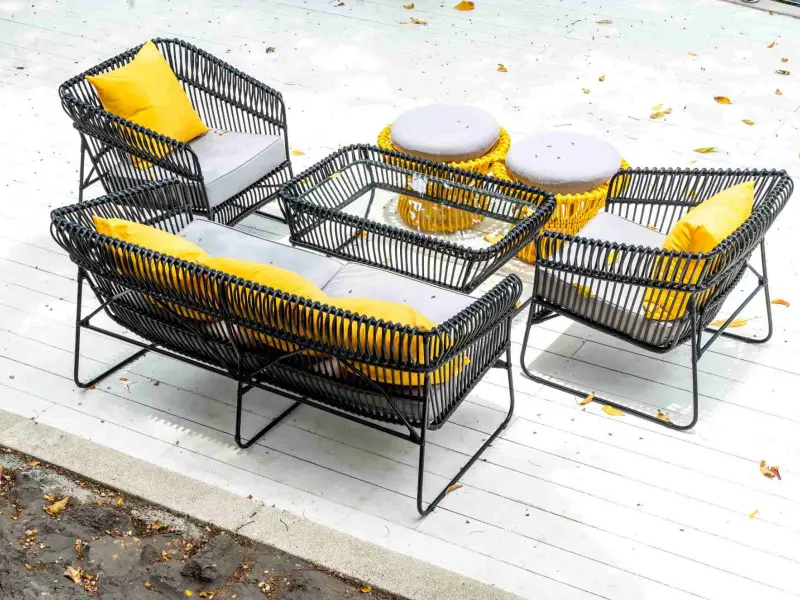
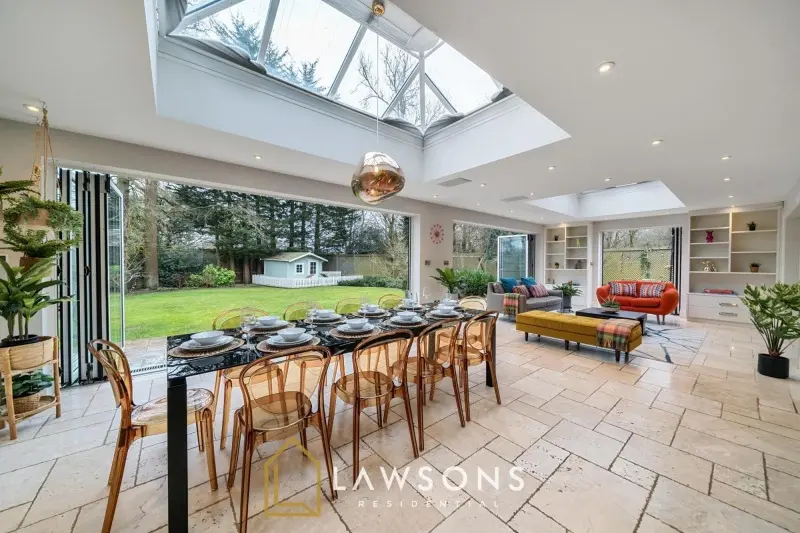
Anodized corrosion-resistant furniture tubing, framing systems, and architectural patio extrusions.
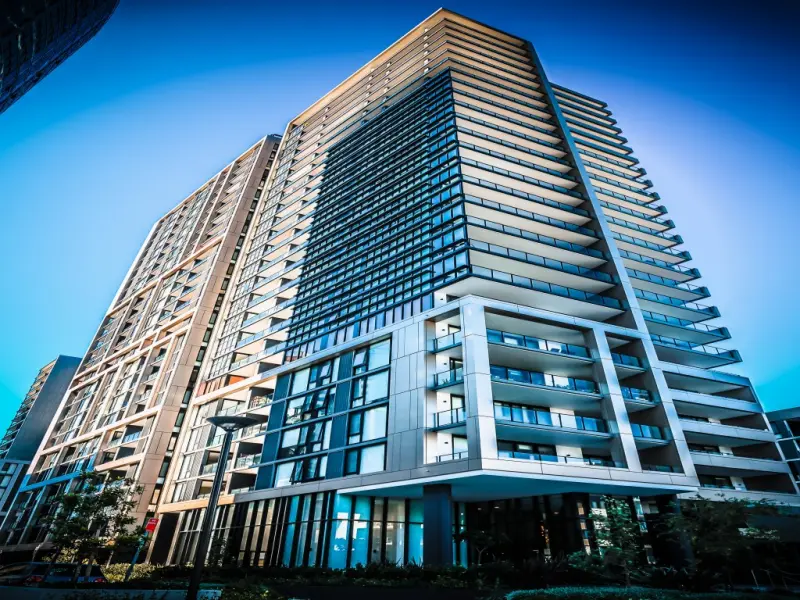
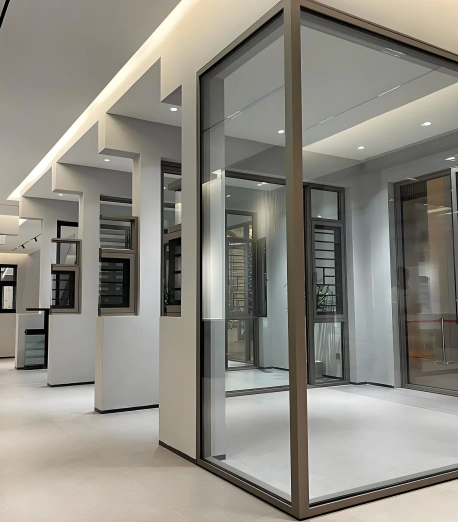
Thermal-break window tracks, structural facade supports, storefront profiles, and decorative trims.
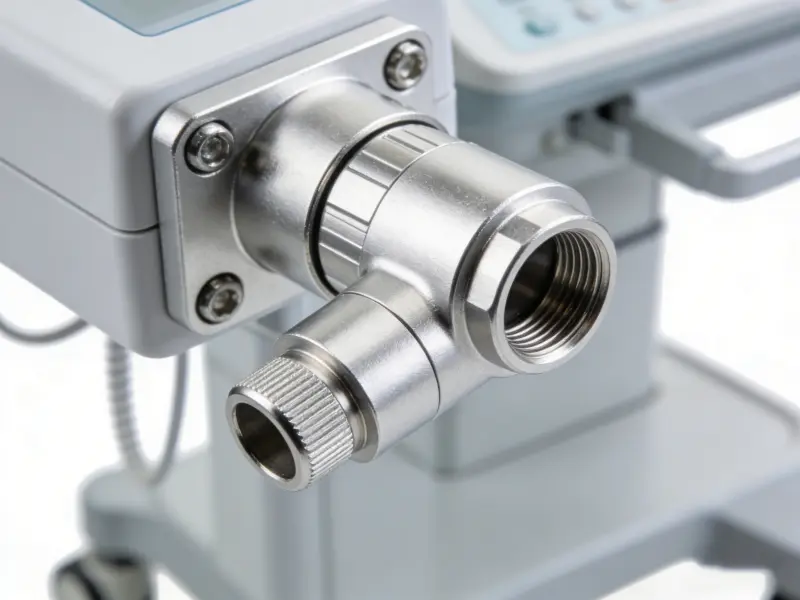
High-anodized, cleanroom-ready structural profiles for medical scanner frames, hospital beds, and carts.
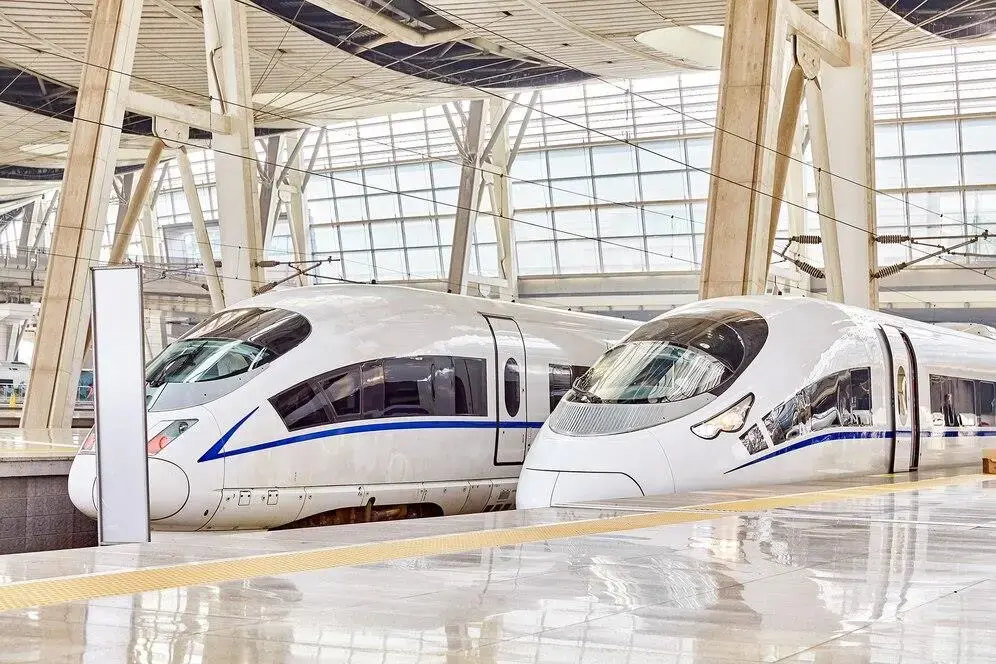
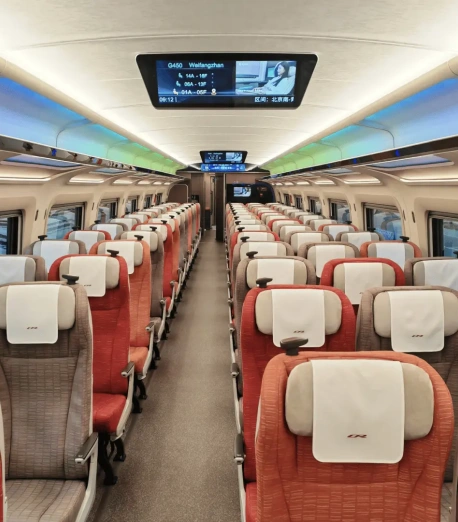
High-load floorboards, container columns, trailer framing, railway coach structural pillars, and gangways.
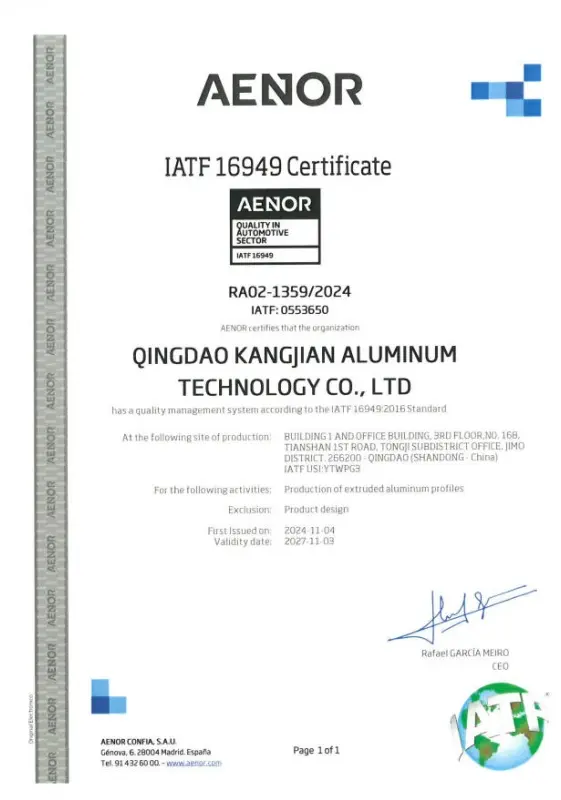
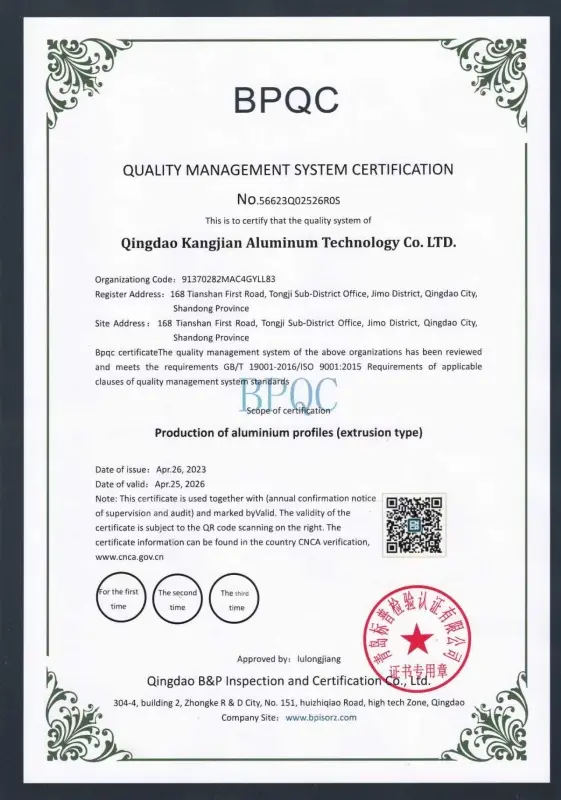
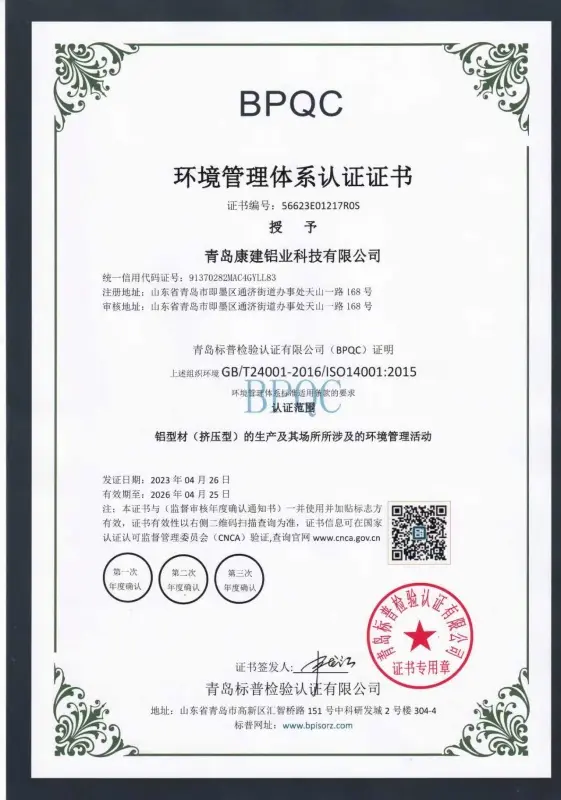
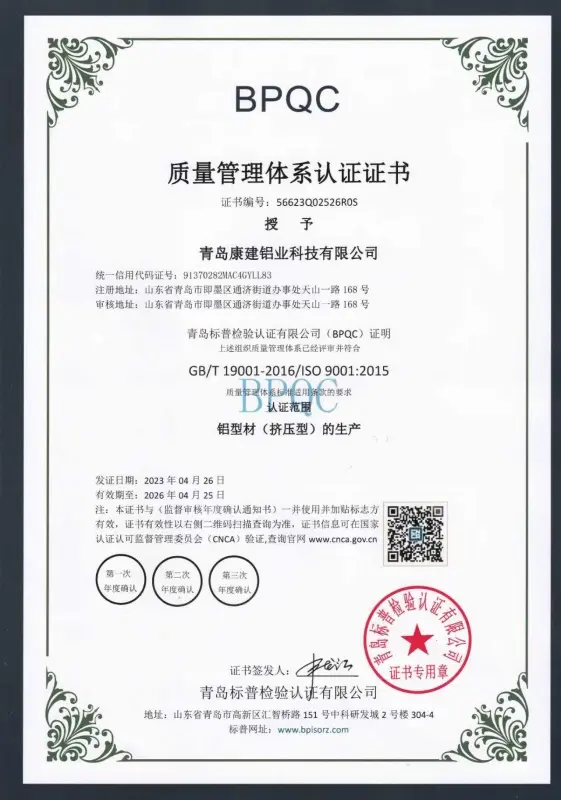
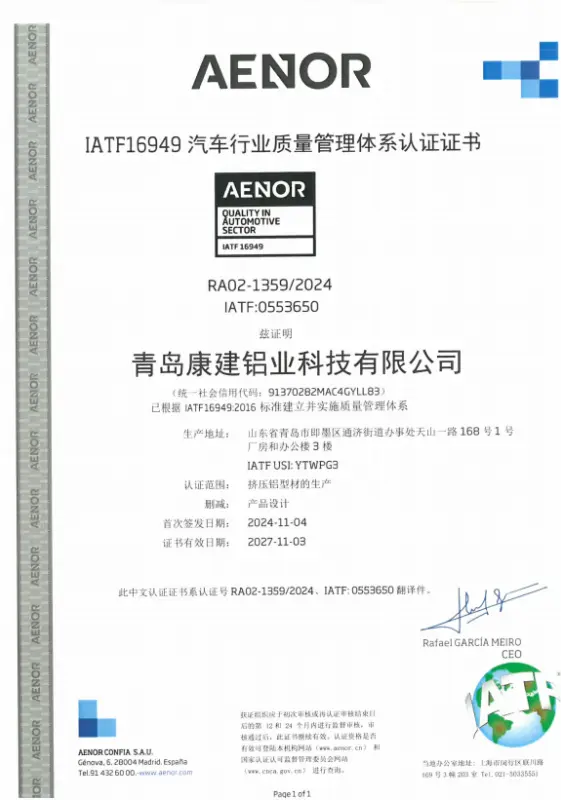
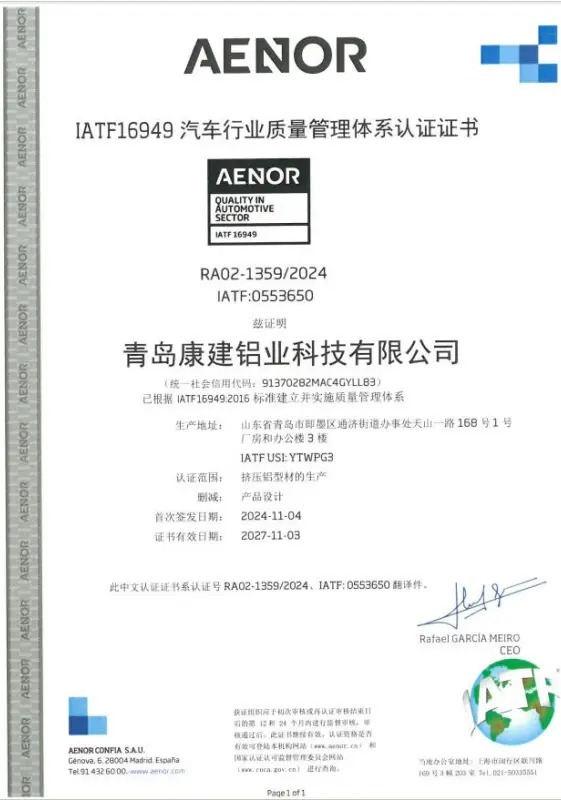
Our engineering services rely on international standards. Kangjian has established quality, safety, and operational control networks that meet requirements across industries:
These certifications verify our process control—from metallurgy inspection and extrusion flow modeling to tensile tests, anodizing thickness checks, and final coordinate measuring machine (CMM) dimensional checks.

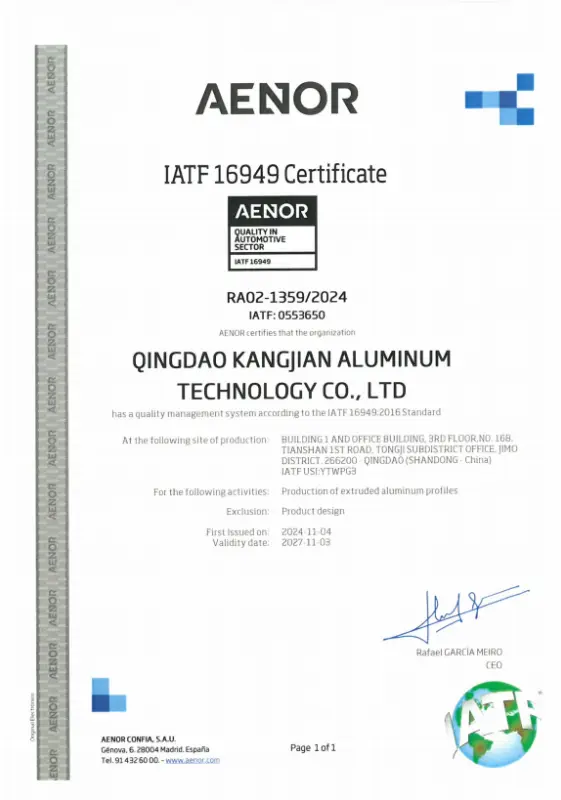
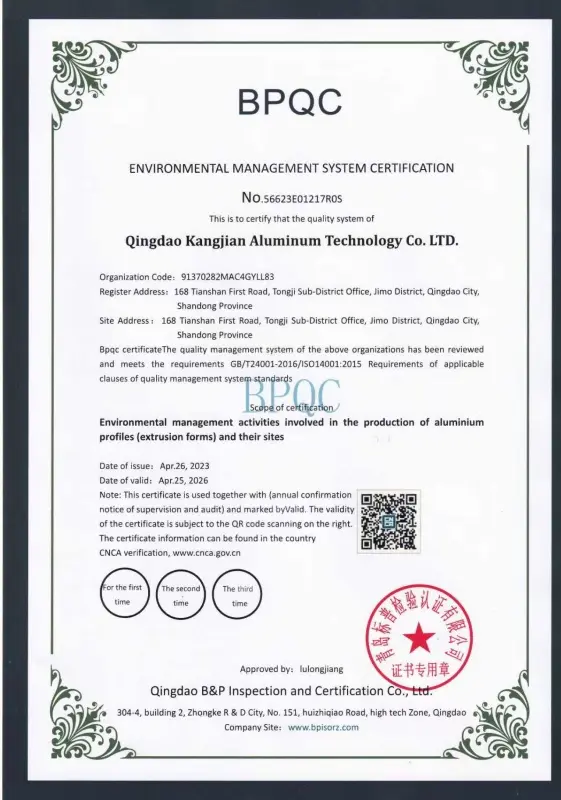
The manufacturing path for aluminum alloys is transitioning toward decarbonization and digitized process control. Kangjian focuses on integrating green aluminum, which utilizes renewable hydro and solar energy for primary smelting. This lowers the embodied carbon footprint of the resulting extrusions.
Our engineering roadmap includes AI-driven process simulation models for die design. By analyzing thermal profiles and material flow during extrusion, we minimize defect opportunities and lower scrap rates. This helps us optimize manufacturing costs while maintaining high structural consistency for B2B procurement partners.
Looking ahead, we are expanding our R&D focus on advanced 7xxx high-strength alloys for structural rail and marine projects, aiming to provide structural designs that balance strength with low weight.

Explore some of our leading structural profiles, manufactured with high surface quality and precise mechanical temper properties.
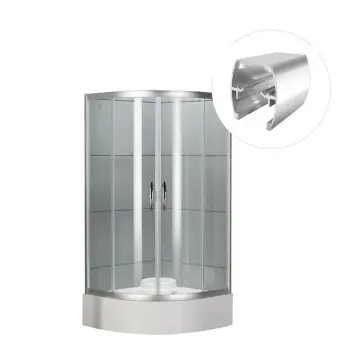
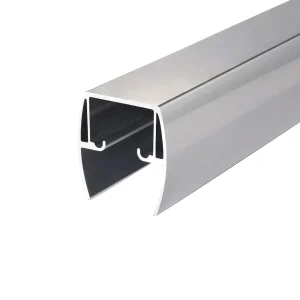
Designed with tight assembly tolerances and an anodized surface treatment for wet environments.
Learn More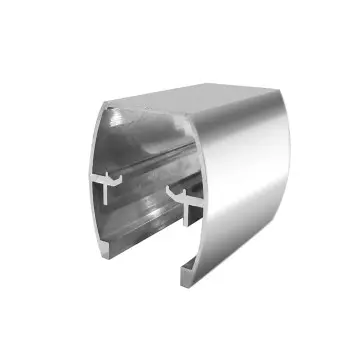
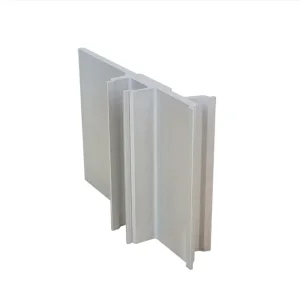
Highly optimized wall thickness to reduce weight while preserving structural rigidity.
Learn More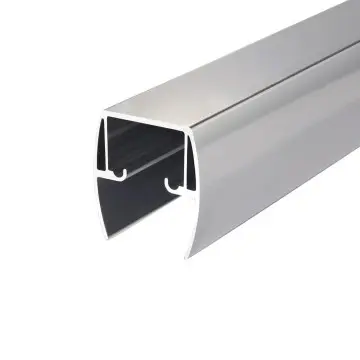
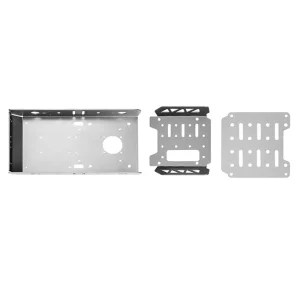
Industrial structural profile featuring reliable dimensional stability and easy machining characteristics.
Learn More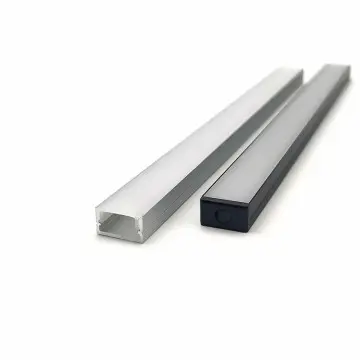
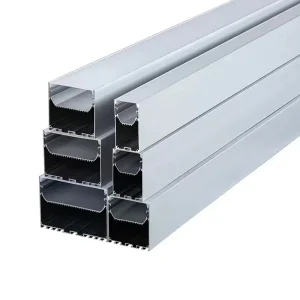
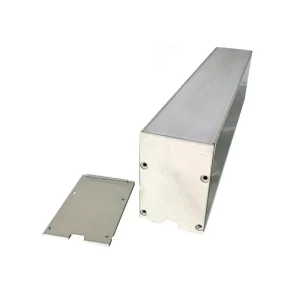
Engineered for thermal management in modern commercial LED systems and industrial electronics.
Learn More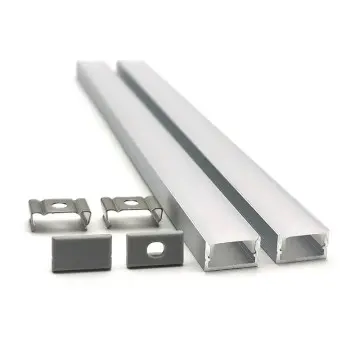
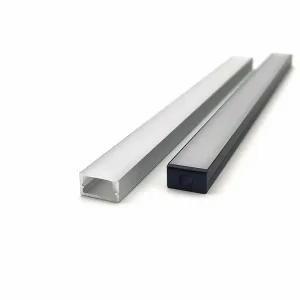
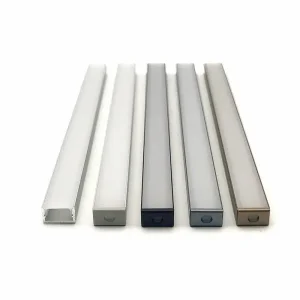
Anodized matte finish with integrated diffusion lens channel design for heat dissipation.
Learn More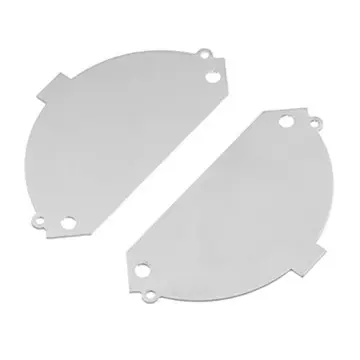
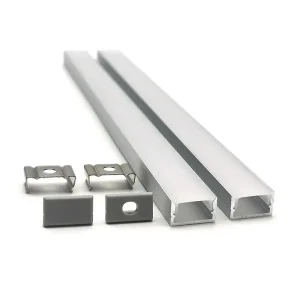
Compact form-factor extrusion suited for architectural niches and modern commercial interiors.
Learn MoreOur profiles are used in structural applications across logistics ports, heavy machinery, architectural facades, and modern commercial builds.
Key mechanical, alloy, and shipping guidelines for industrial procurement managers and project design leads.
6061 is commonly used for heavy structural applications (e.g., transport frames, marine structures, and brackets) due to its higher tensile strength and yield point. 6063 provides a better surface finish and is easier to extrude, making it popular for windows, doors, lighting fixtures, and architectural trim where appearance is key.
We use controlled aging processes (such as T5 or T6 heat treatments) before machining to relieve residual internal stresses. Our CNC milling operations use optimized tooling and cooling setups to prevent thermal distortion, allowing us to maintain tolerances of ±0.02 mm on high-precision parts.
We are certified under EN 15085 for welding railway vehicles and components, ISO 3834 for fusion welding quality requirements, and DIN 6701 for adhesive bonding in rail vehicle construction. These certifications verify that our joining processes meet high structural safety standards.
Standard extrusion tooling setups typically require an MOQ of 1 to 3 tons, depending on the cross-sectional weight of the profile. Standard lead times range from 15 to 20 days for new tool creation and sample approval, followed by 10 to 15 days for bulk production.
Yes, we provide anodizing options from 5 to 25 microns in thickness, offering resistance to environmental exposure. Other finishes include architectural powder coating, fluorocarbon (PVDF) spraying, and electrophoretic painting.