Kangjian
Kangjian
Kangjian
Explore our leading custom nonferrous metallurgical products engineered to strict global tolerances and structural standards.
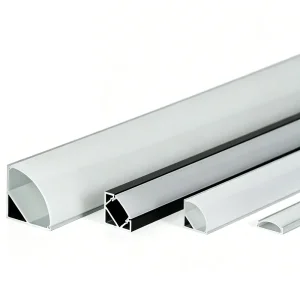
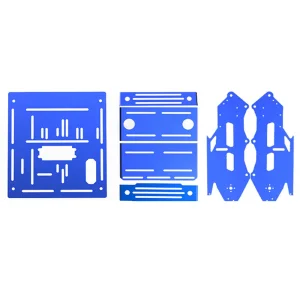
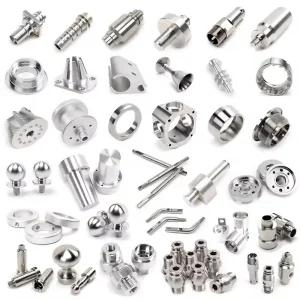
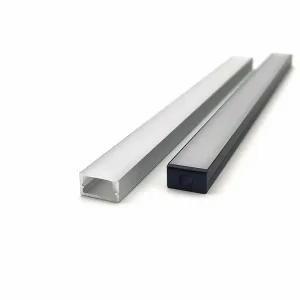
An in-depth analysis of high-end aluminum extrusion dynamics, global procurement workflows, and critical material science advancements.
In the current global industrial landscape, nonferrous metallurgy has emerged as the cornerstone of lightweight structural design, green energy infrastructure, and micro-precision mechanics. Among all nonferrous materials, industrial-grade aluminum alloys represent the fastest-growing sector. As global markets transition toward carbon neutrality, industries ranging from automotive and heavy rail to solar photovoltaics (PV) and consumer electronics are seeking metallurgy partners who offer more than raw casting; they require refined extrusion, precision thermal treatments (T5/T6 tempering), and tight-tolerance CNC finishing.
This evolution is driven by the demand for structural material optimization. Modern engineering requires profiles with high strength-to-weight ratios, extreme corrosion resistance, and exceptional thermal conductivity. The transition from legacy ferrous structures to custom-engineered aluminum extrusions enables industries to reduce structural weight by up to 50% without compromising mechanical integrity.
For international enterprise procurement teams, securing reliable wholesale supply chains in nonferrous metallurgy requires rigorous verification. Key operational factors include:
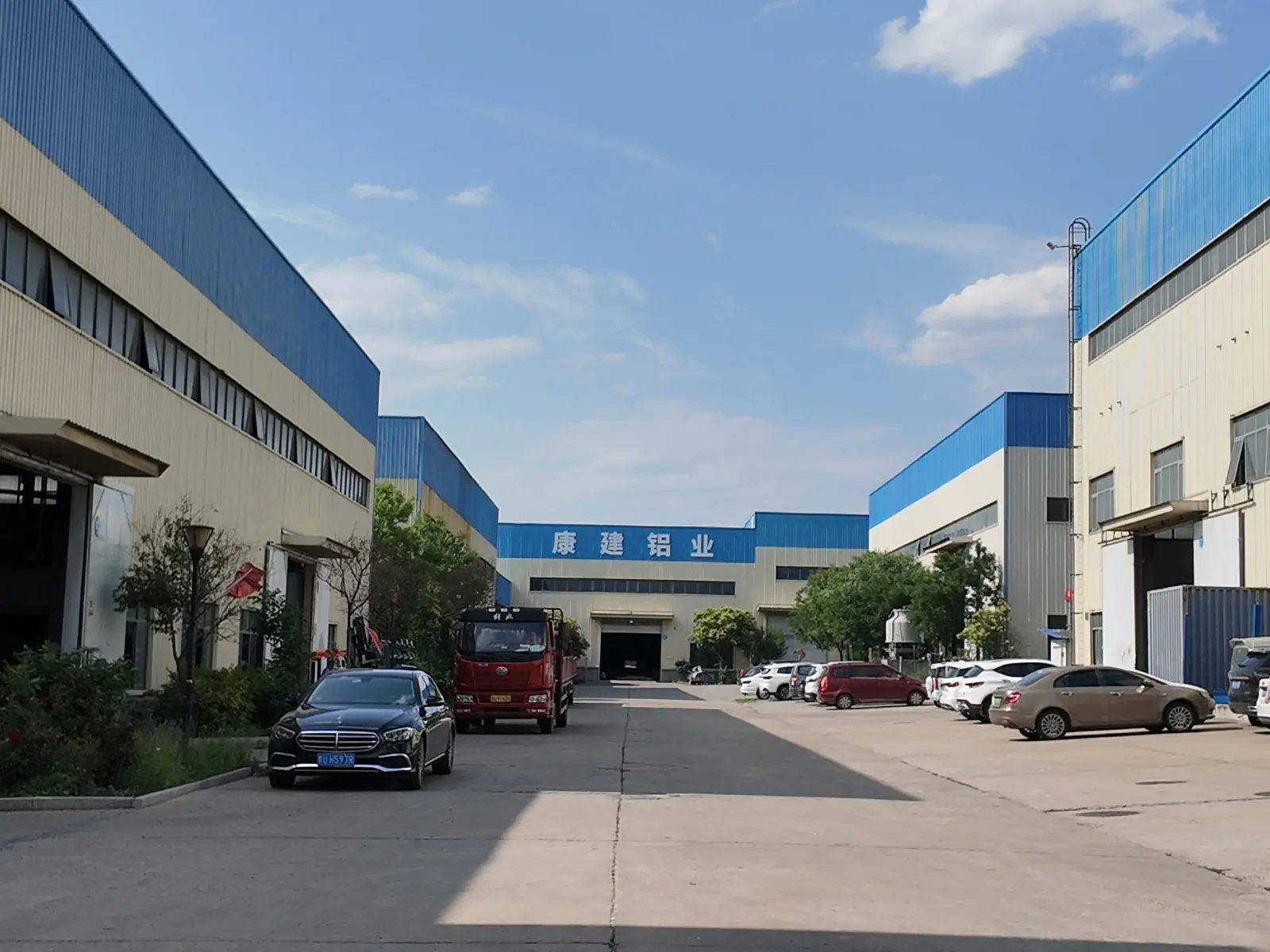
Leveraging massive production footprints and advanced European quality standards to serve global heavy industry.
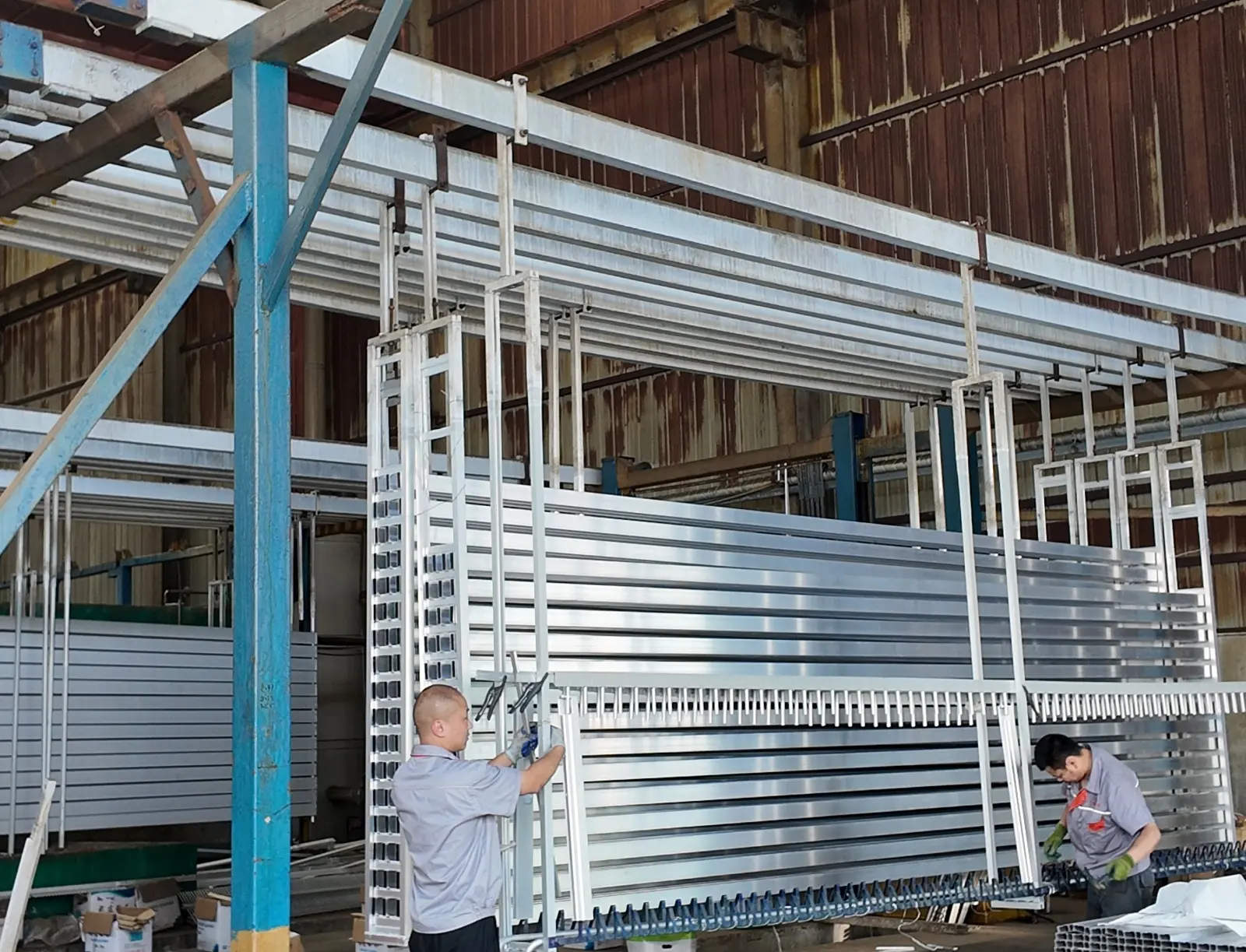
Established in the Jimo District of Qingdao, China, Qingdao Kangjian Aluminum Industry Technology Co., Ltd. has scaled to become one of the region's premier developers of high-capacity aluminum extrusions. Operating on a modern 200-mu industrial park containing 80,000 square meters of precision manufacturing facilities, the company supports a base annual output of over 15,000 tons of high-performance profiles.
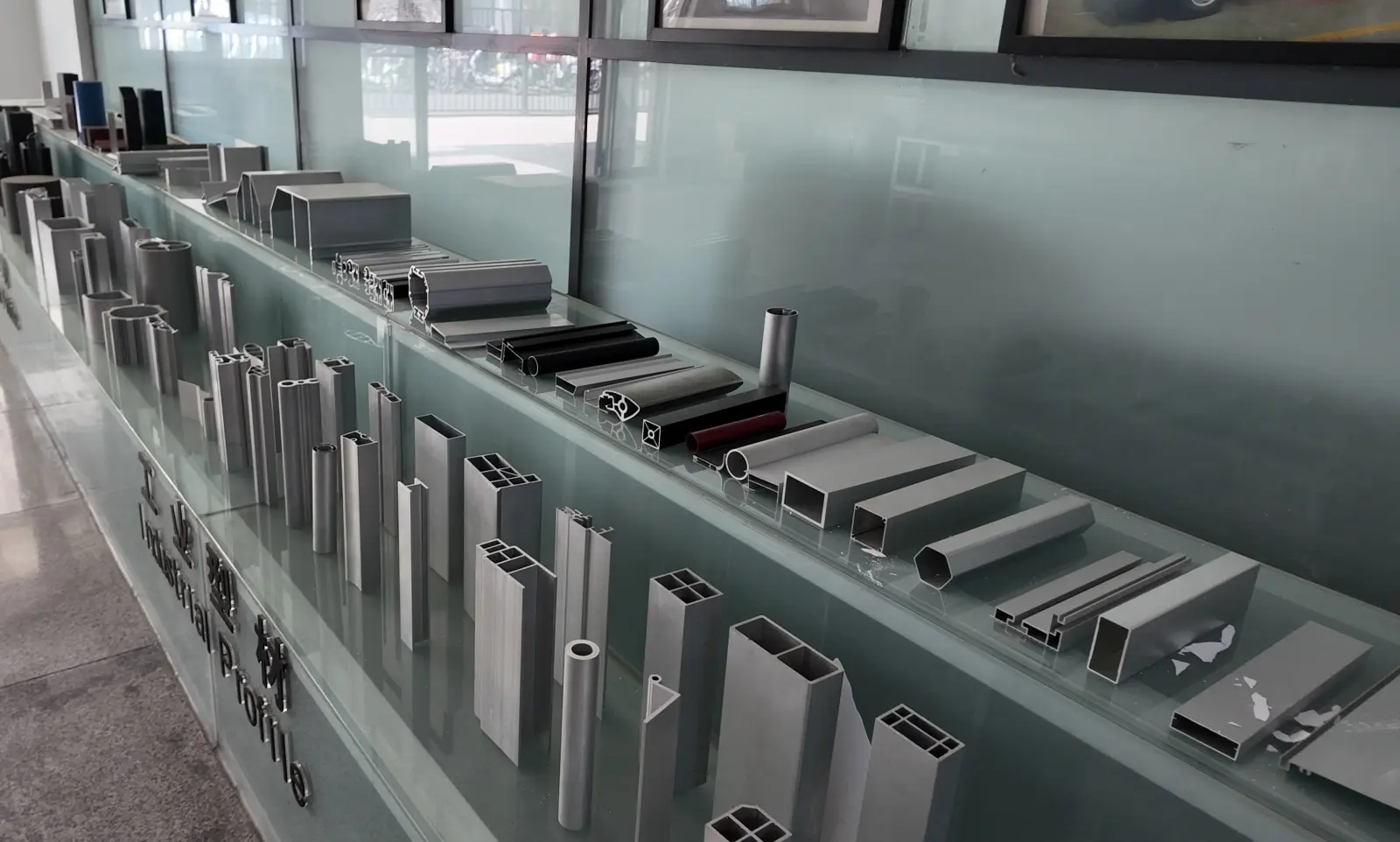
Our facility utilizes five extrusion lines designed to accommodate diverse dimensional and structural profiles:
Our profile solutions are engineered to support key global industrial sectors, including high-speed rail, solar photovoltaics, and robotics.
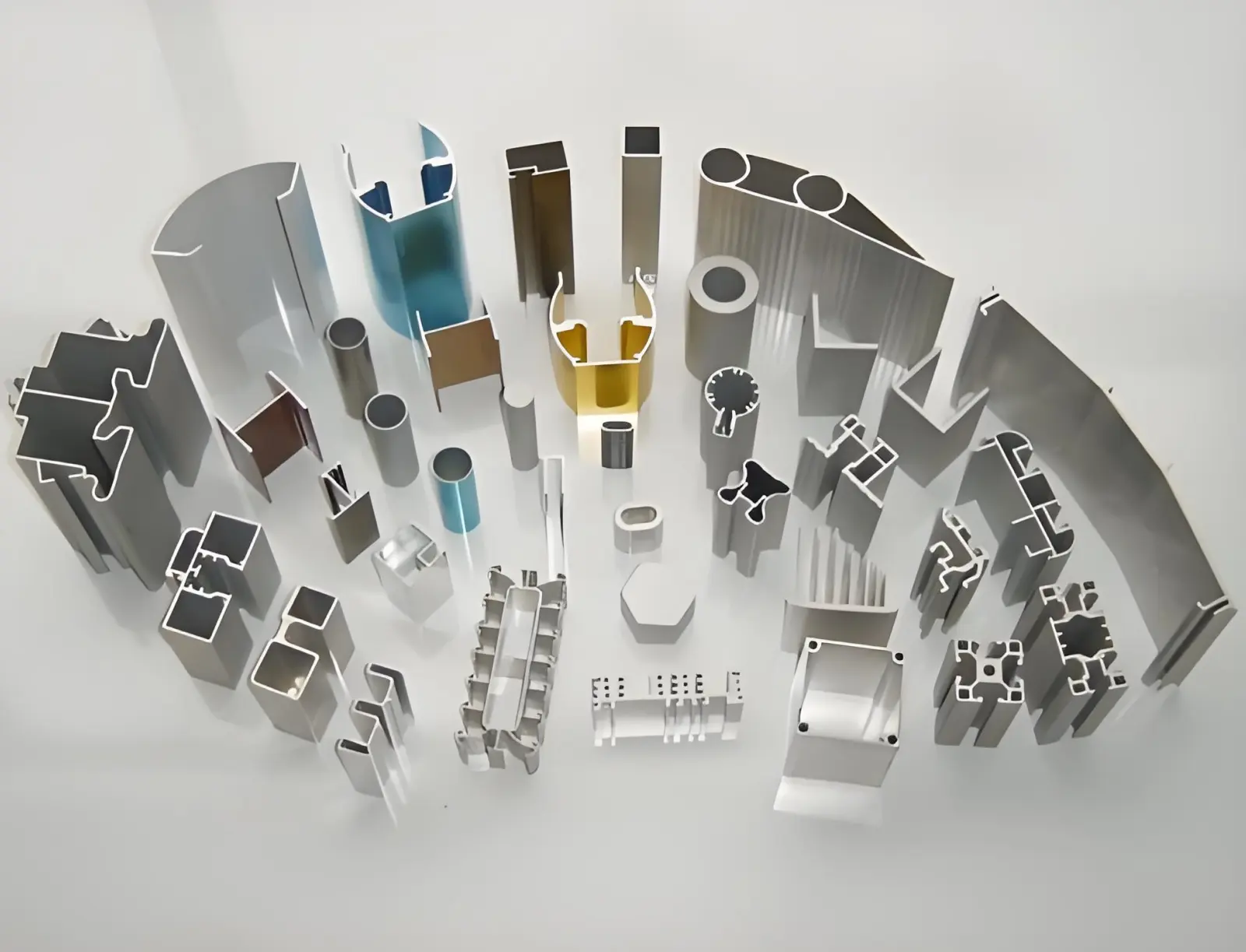
High-performance nonferrous metallurgy requires precise control over both structural geometries and microstructural properties. For critical projects, including rail transit framing (subway and high-speed rail systems), automotive crash management bumpers, and marine superstructures, mechanical integrity is verified through rigorous testing:
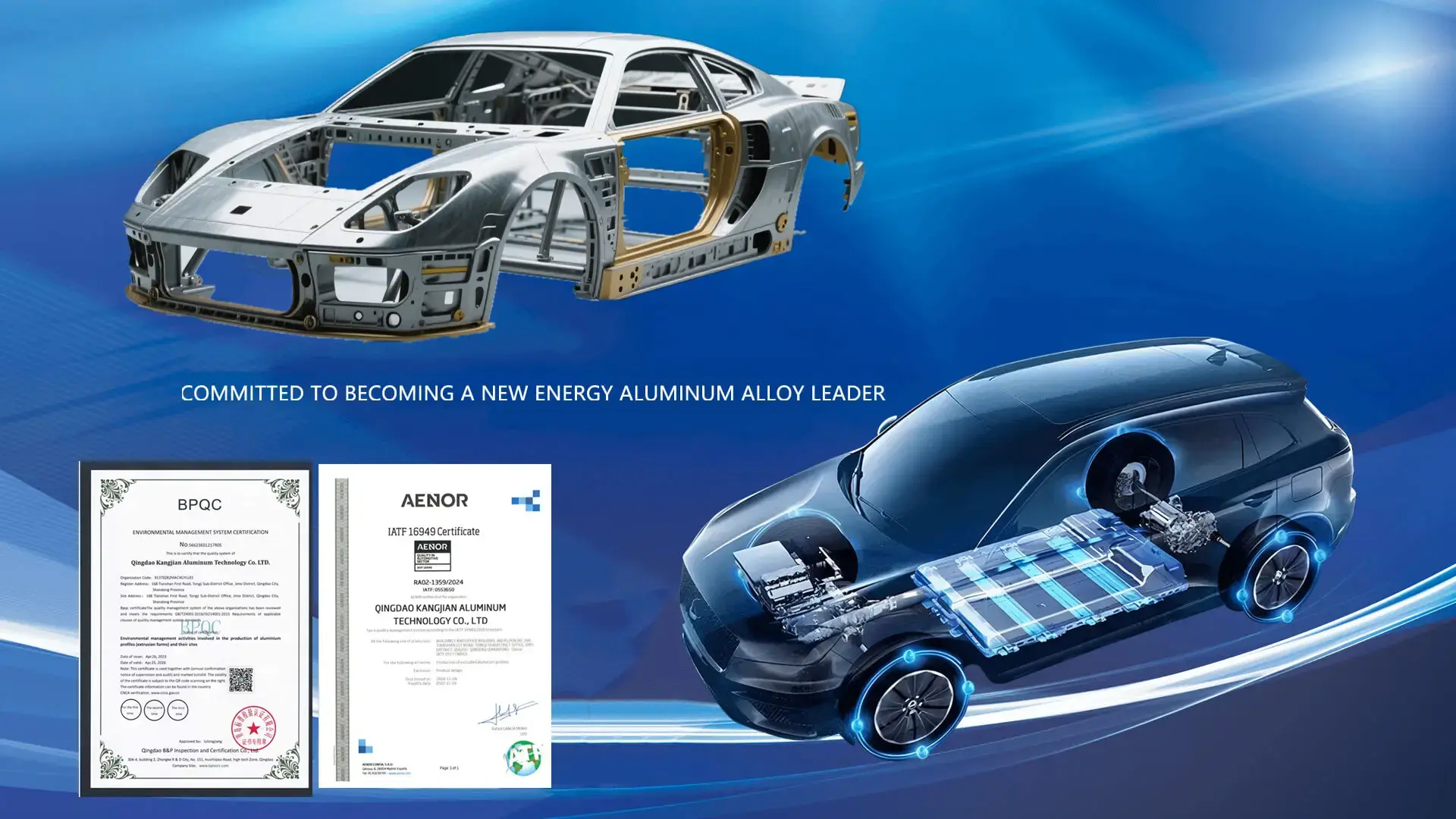
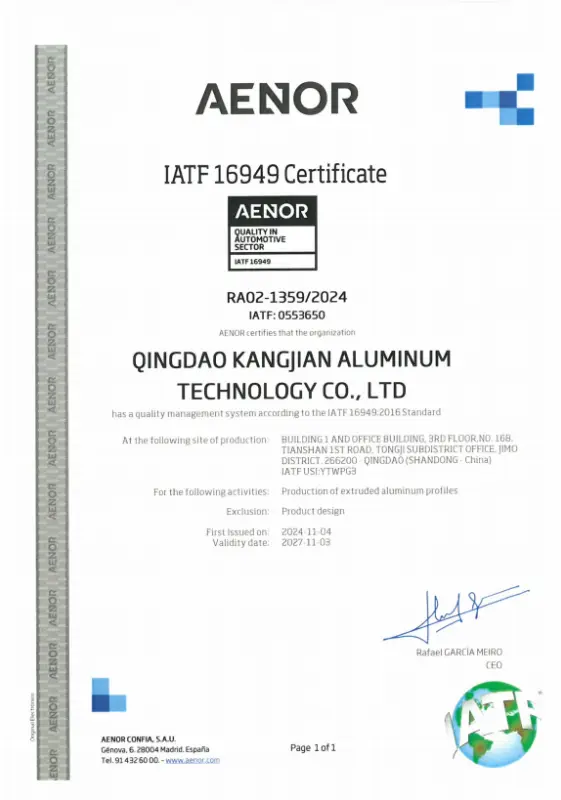
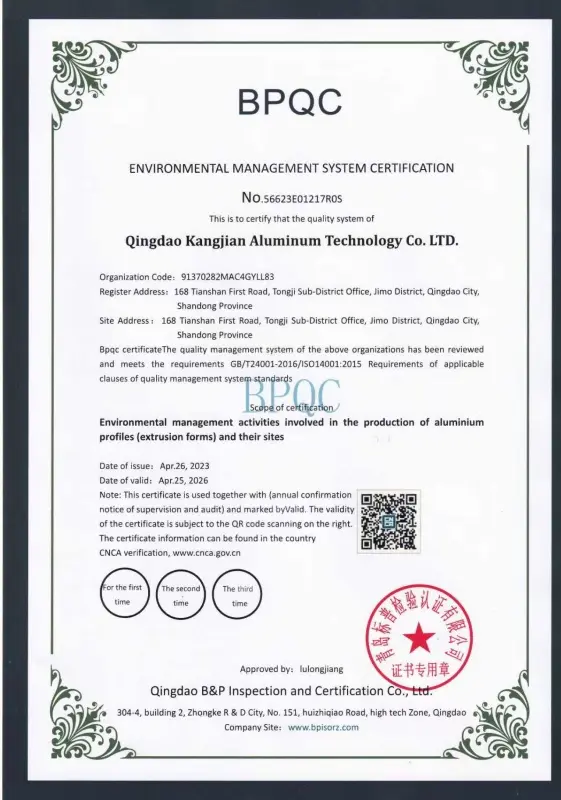
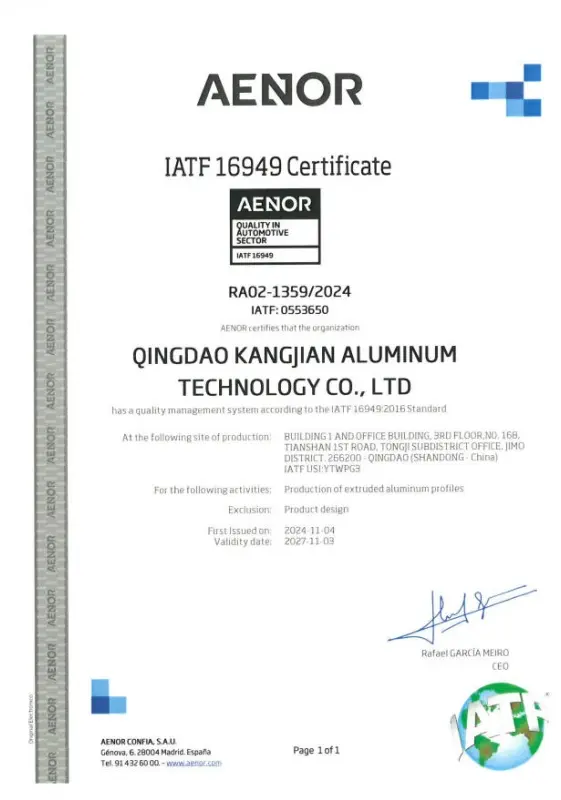
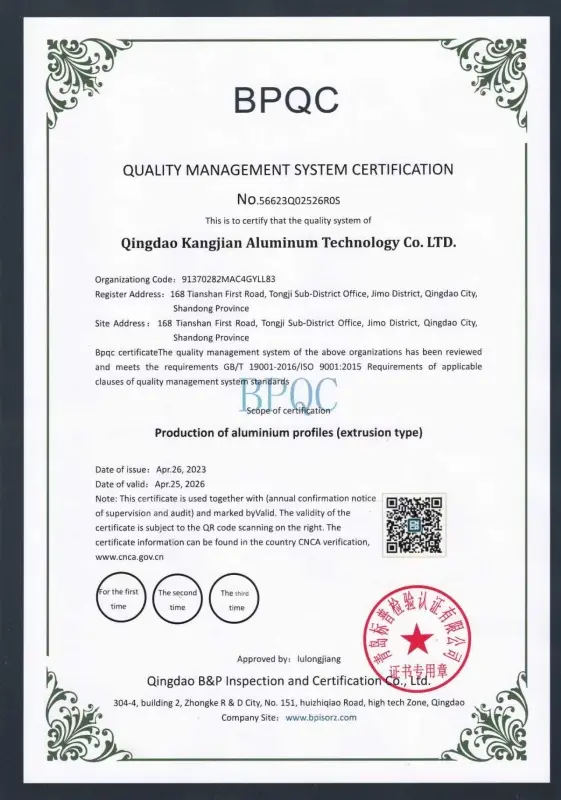
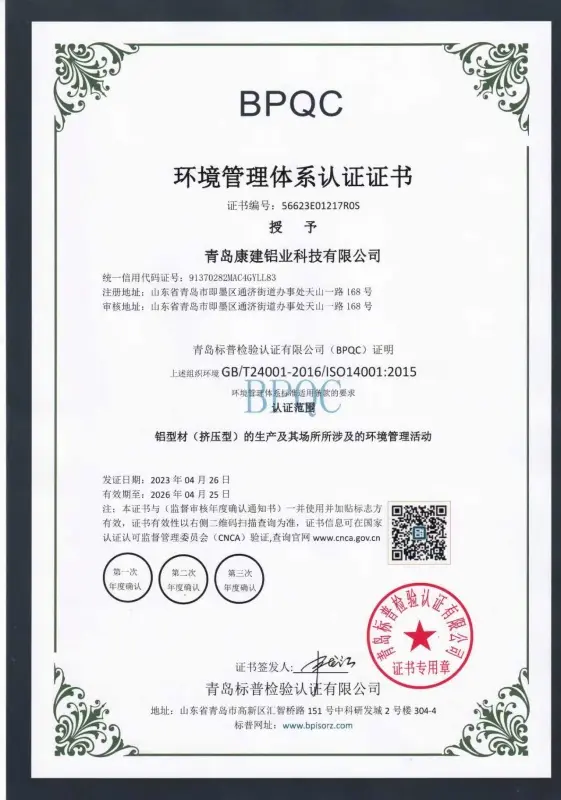
To serve as a Tier-1 supplier for global automotive, aerospace, and rail networks, Qingdao Kangjian maintains strict adherence to international quality management and welding protocols. Our operations are fully certified under key global frameworks:
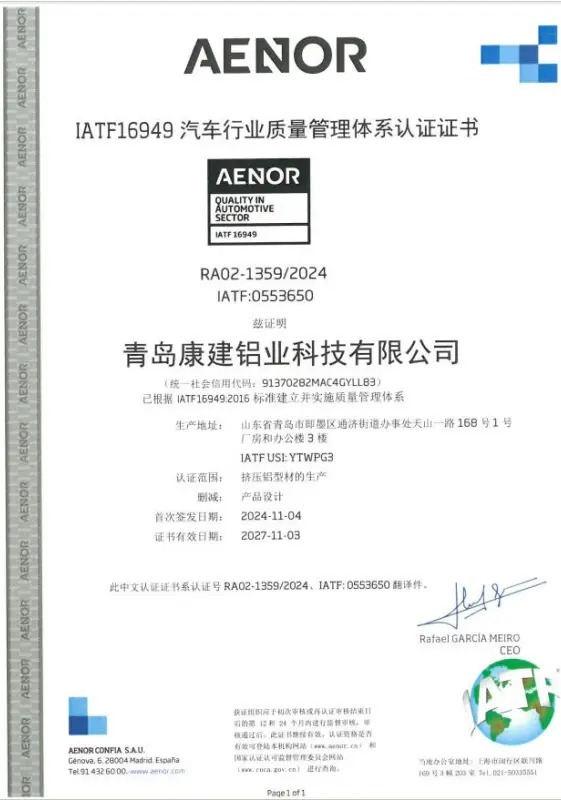
Automotive Quality Management System compliance, ensuring defect prevention and variations reduction in the EV component supply chain.
Railway Industry Management System and high-end welding certification for structural components in locomotives and passenger cars.
Class-A certification for adhesive bonding of railway vehicles and components, supported by rigorous quality control audits.
Verified certifications detailing our adherence to international manufacturing, environment, and specialized safety standards.
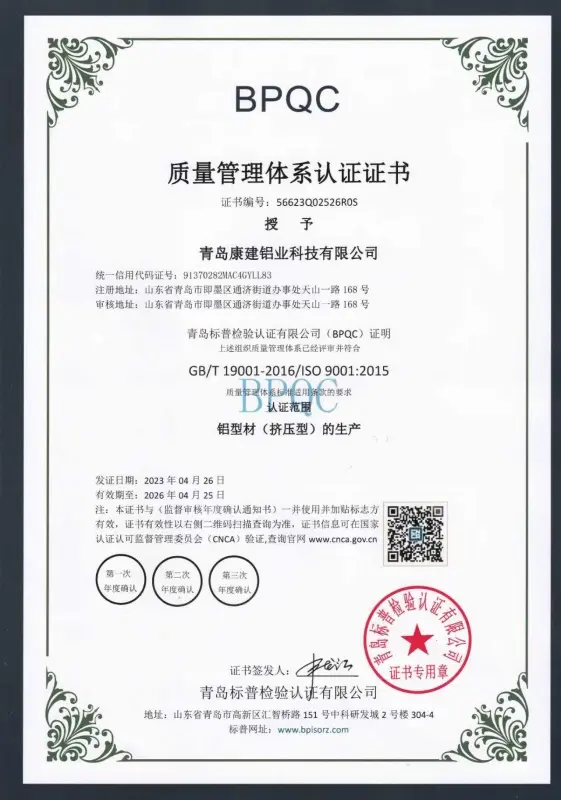
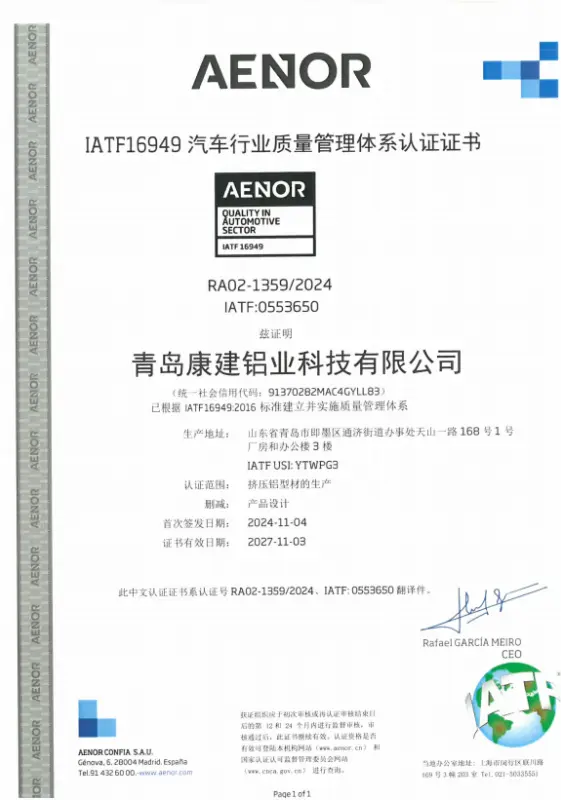
As global environmental regulations, such as the EU's Carbon Border Adjustment Mechanism (CBAM), shape trade flows, nonferrous manufacturers must adapt. The industry's technological roadmap focus is centered on three core developments:
1. Recycled & Low-Carbon Billets: Integrating high fractions of post-consumer recycled aluminum into structural alloys while using advanced filtration to extract iron and trace elements that degrade mechanical performance. This step allows buyers to lower their Scope 3 greenhouse gas emissions.
2. Smart Extrusion & Thermal Modeling: Utilizing real-time thermal monitoring at the die exit to control alloy microstructures. Dynamic cooling ensures that profiles achieve optimal hardness and tensile properties before artificial aging processes.
3. Advanced CNC Machining integration: Offering complete part preparation (precision cutting, drilling, pocket milling, and surface preparation) directly at the extrusion site. This minimizes supply chain transport costs, cuts production scrap, and expedites installation timelines.
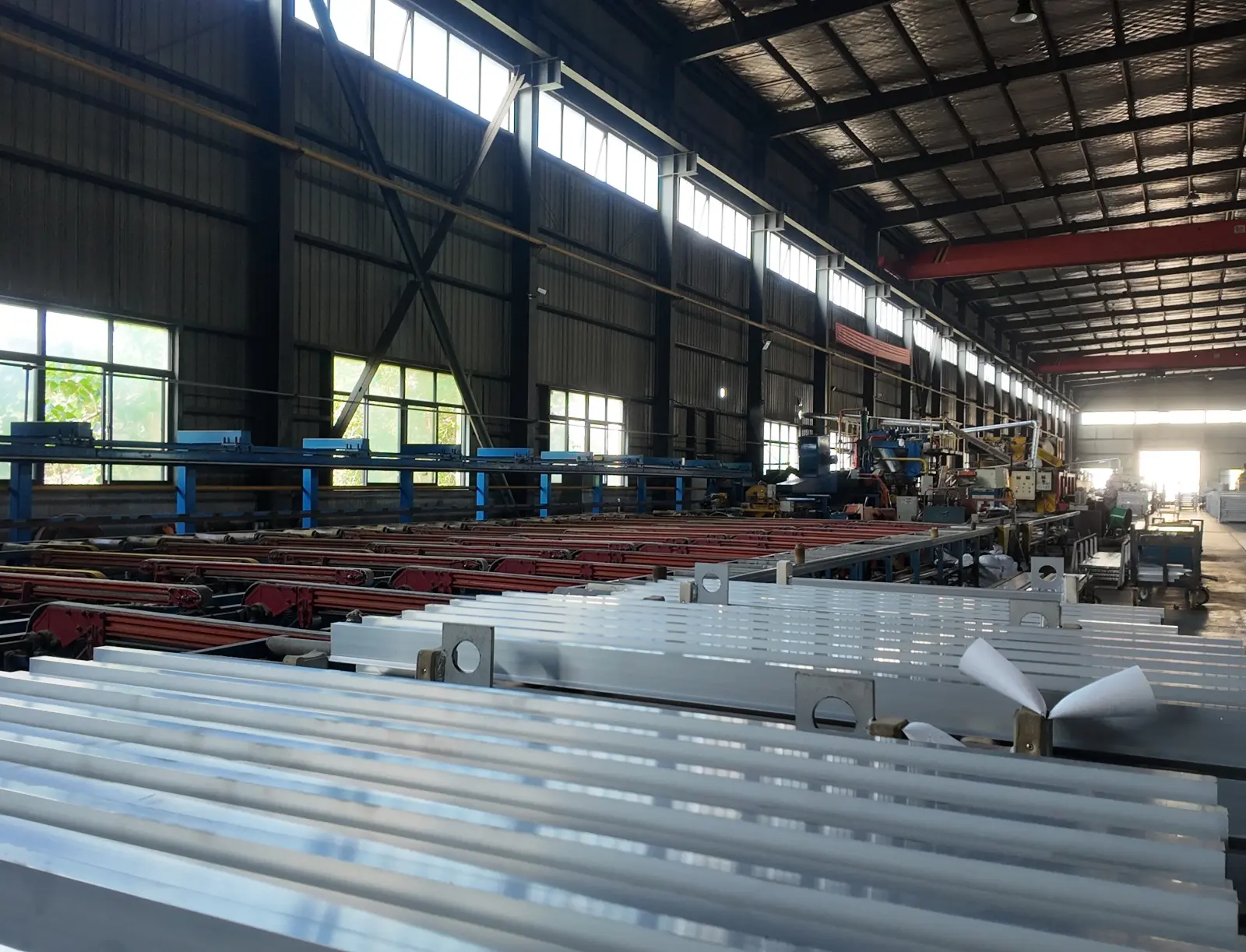
Explore customized project profiles and industrial applications manufactured in our advanced facilities.
Delivering high-end aluminum materials from Qingdao to Europe, North America, East Asia, and emerging industrial markets.
Established close to deepwater shipping networks, Qingdao Kangjian Aluminum has expanded its sales footprint from local regional centers to industrial areas throughout China, including Jiangsu, Hebei, Tianjin, Anhui, Beijing, and Hunan. Capitalizing on Qingdao's logistics advantages, we export to competitive markets in South Korea, Japan, North America, and Europe. Our average annual order delivery volume has maintained a consistent growth rate of 30%, reflecting the strength of our manufacturing systems and supply chain reliability.


Reference guide for industrial alloys, chemical limits, and mechanical standards utilized in our production runs.
| Alloy Designation | Temper State | Tensile Strength (MPa) | Yield Strength (MPa) | Elongation (%) | Primary Industry Application |
|---|---|---|---|---|---|
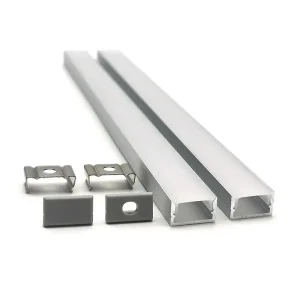
| 6063 | T5 / T6 | ≥ 150 - 205 | ≥ 110 - 170 | ≥ 8% | LED Systems, Windows/Doors, Light Frameworks |
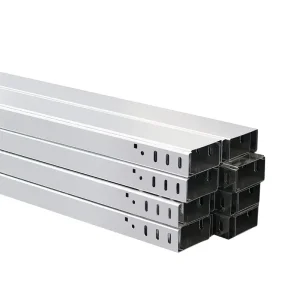
| 6061 | T6 | ≥ 260 - 290 | ≥ 240 | ≥ 9% | Marine Structural Parts, Cable Trays, Robotics Kits |
| 6005A | T6 | ≥ 270 | ≥ 225 | ≥ 8% | High-Speed Rail Bodies, Heavy Structural Framing |
| 6082 | T6 | ≥ 290 - 310 | ≥ 250 - 260 | ≥ 10% | Load-Bearing Bridges, PV Mounting Brackets, Offshore Parts |

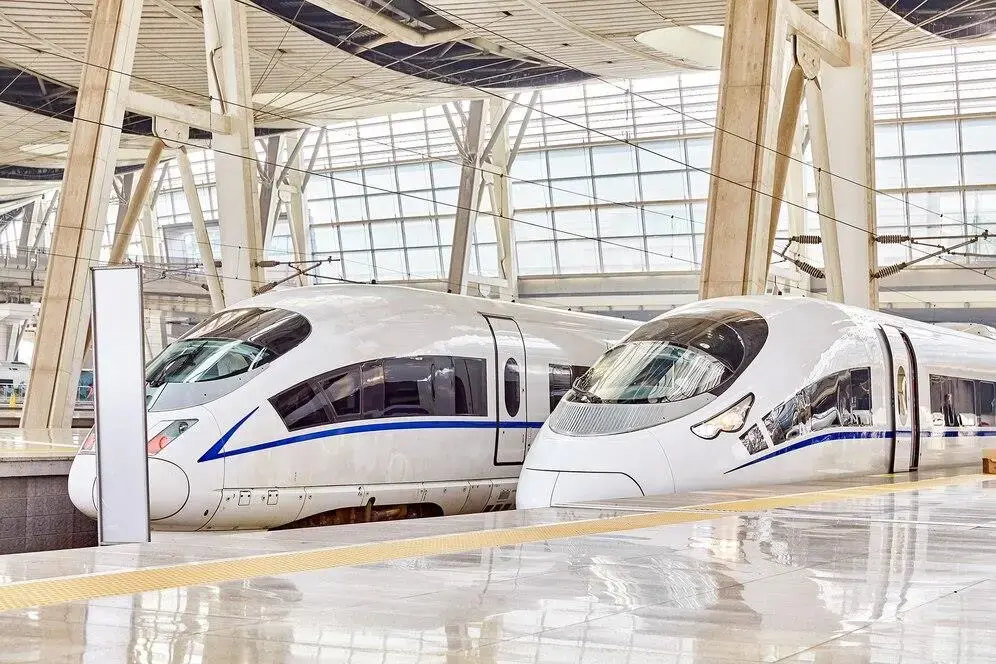
In heavy transit systems (such as subways and high-speed rail networks), reducing carriage mass directly translates into lower operating energy demands. Operating in close partnership with transportation manufacturers, Qingdao Kangjian manufactures structural profiles that form the core chassis and wall frameworks of modern carriages.
Utilizing our 2500T extrusion line, we produce high-precision hollow profiles that maintain structural rigidity under cyclic stress loading. These profiles undergo post-weld ultrasonic testing and dimensional inspection to ensure structural stability throughout their deployment cycles.
Addressing core technical questions submitted by global procurement managers, engineering leads, and quality directors.
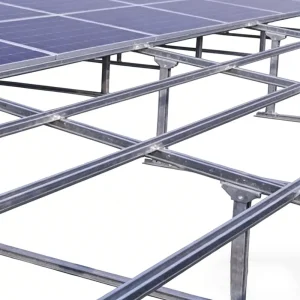
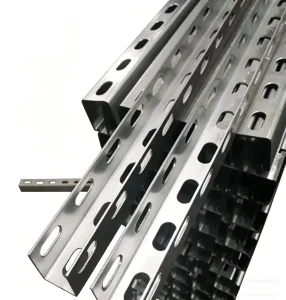
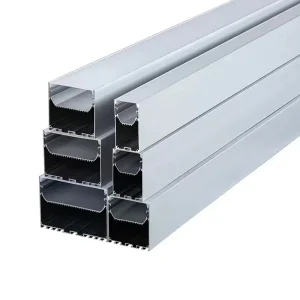
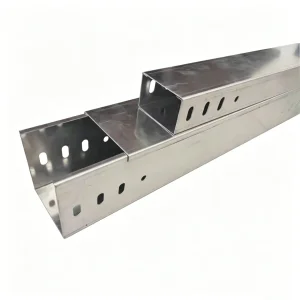
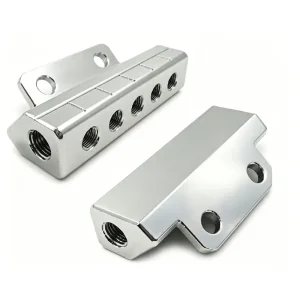
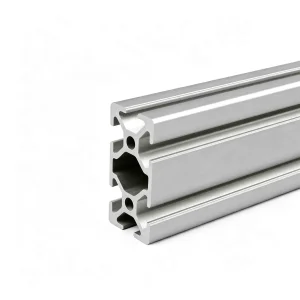
Specialty nonferrous configurations designed for solar structures, heavy electrical routing, and automated mechanical systems.
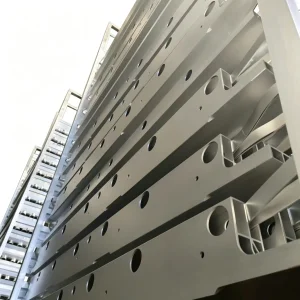
In structural nonferrous metallurgy, chemical composition verification is critical. Even minor variations in magnesium, silicon, manganese, or iron content can affect post-extrusion performance, leading to variations in heat-treat response, welding behavior, or surface finishing quality.
Qingdao Kangjian operates on-site material testing laboratories equipped with optical emission spectrometers (OES) to evaluate chemistry parameters before extruding raw billets. This testing ensures that our alloys remain within international composition limits:
Located in the coastal Jimo District, Qingdao Kangjian leverages regional transport and port links. Operating close to the Port of Qingdao, a major deepwater facility in Northern China, we access direct shipping routes to international industrial hubs.
This proximity helps control logistics costs, simplify export container handling, and minimize transit delays. Integrated warehouse systems manage raw materials and finished products, allowing us to coordinate just-in-time delivery schedules for domestic projects and international buyers.