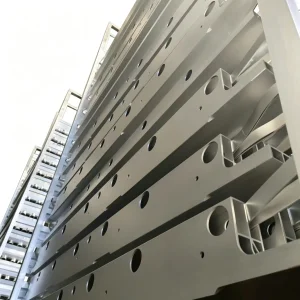
Kangjian
Kangjian
Kangjian
An authoritative analysis of structural rigidity, lightweighting methodologies, and modern manufacturing paradigms in industrial automation.
The structural paradigm of modern robotics has shifted from heavy steel weldments to precision-engineered aluminum alloys. The reduction in structural mass yields lower inertia, reducing power requirements and cycle times. Standard profiles such as the 6061-T6 and 6063-T5 aluminum alloys provide an ideal strength-to-weight ratio, allowing mechanical structures to withstand dynamic stresses without compromising velocity profiles.
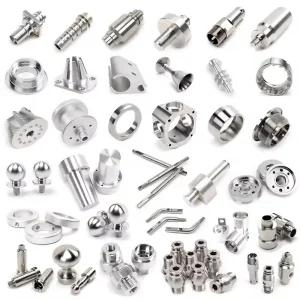
With global manufacturing operations experiencing continuous automation upgrades, the demand for modular, robust components has intensified. Reliable supplier channels are essential to prevent manufacturing bottlenecks. By utilizing advanced metallurgy, extrusion technology, and multi-axis CNC milling, specialized factories support OEMs with modular kits, custom structural arms, and highly repeatable aluminum profiles.
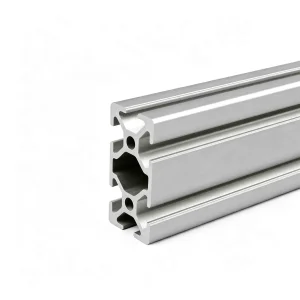
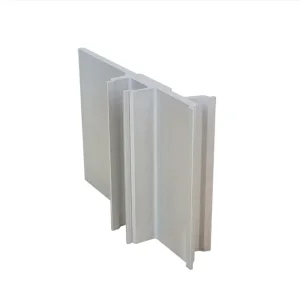
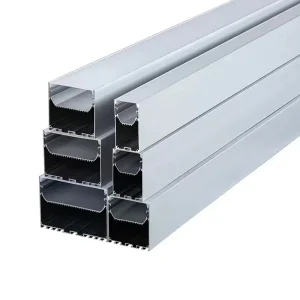
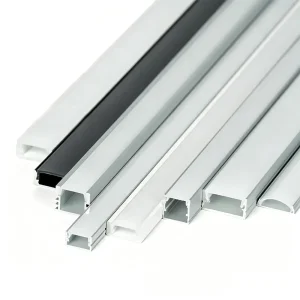
Robotic movement requires high positional accuracy. Standard structural deflection must be minimized through optimized cross-sectional designs. Extruded T-Slot configurations and specialized hollow framing profiles provide torsional stiffness, while CNC machining post-processing maintains tight linear tolerances down to ±0.02mm, ensuring precise joint and actuator alignment.
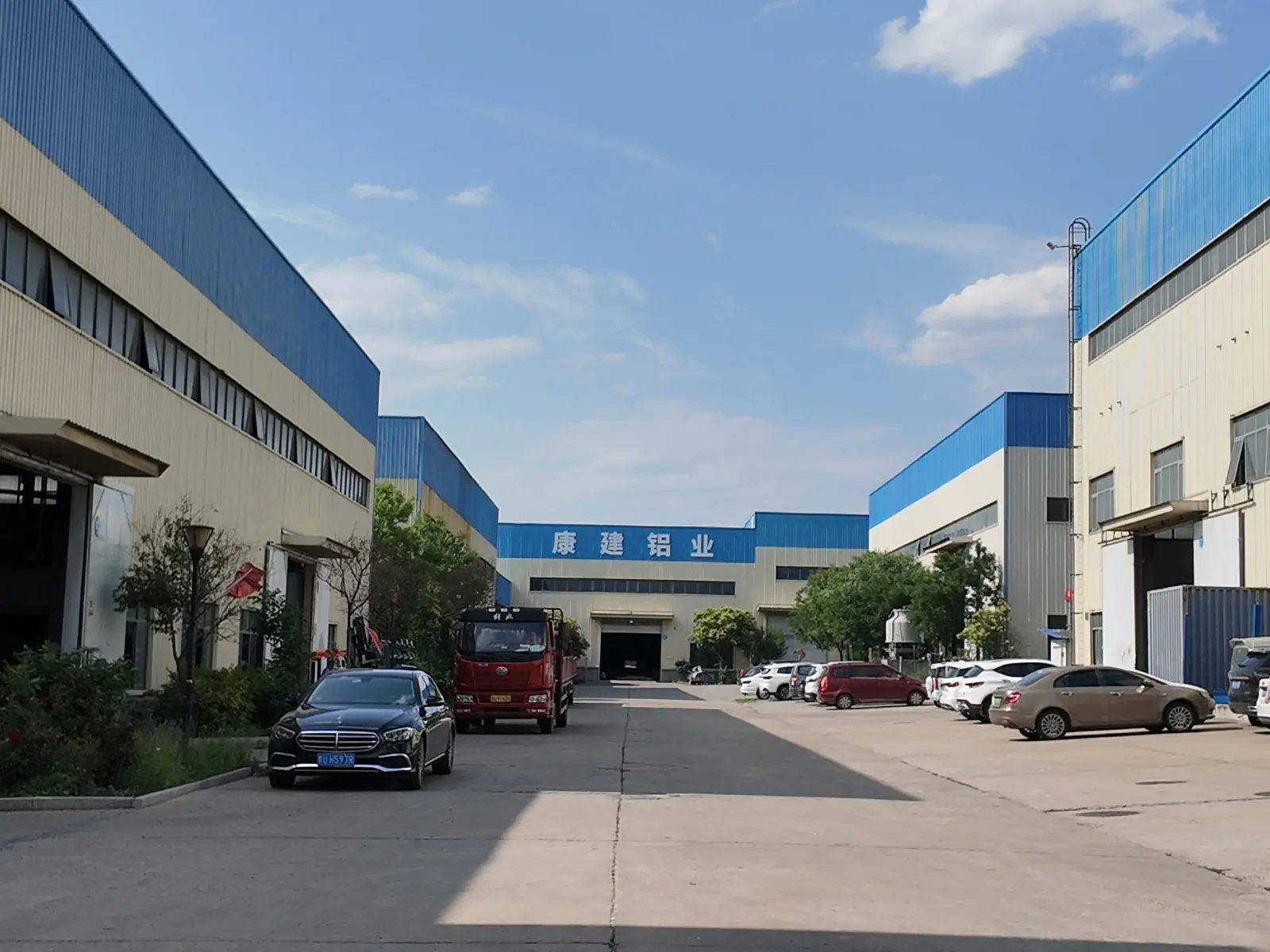
Established in 2022 and situated in Jimo District, Qingdao City, Qingdao Kangjian Aluminum Industry Technology Co., Ltd. is a primary producer and processor of high-performance aluminum and aluminum alloy products. Our facility spans an industrial production base of 200 mu, featuring 80,000 square meters of manufacturing workshops and 4,000 square meters of office space.
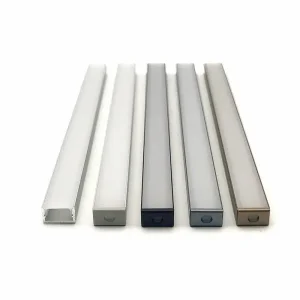
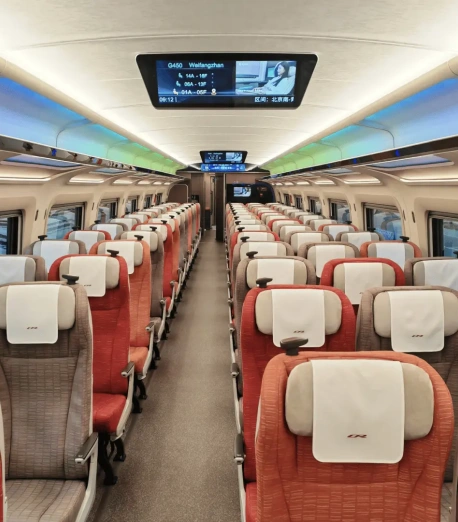
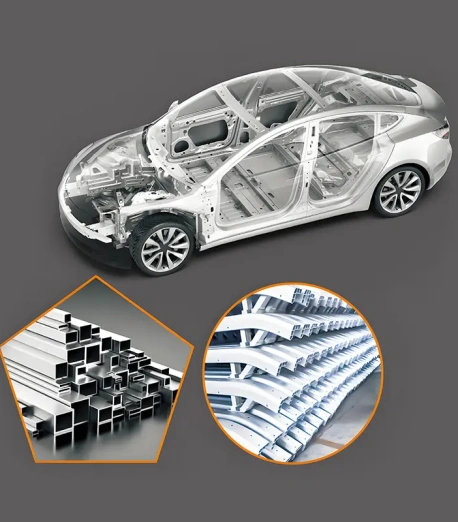
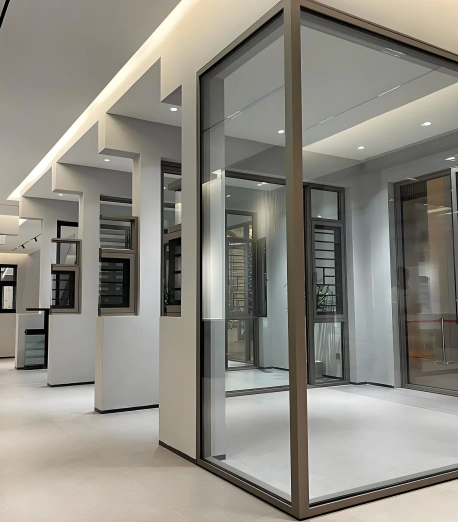
Equipped with 5 advanced extrusion production lines—including a 1450T extruder, two 700T extruders, a 2500T extruder, and a 1150T unit—our facility maintains an annual production capacity of 15,000 tons of specialized aluminum profiles. We serve crucial global sectors including high-speed rail, automotive components, smart robotics, maritime vessels, and energy-efficient building systems.
Our manufacturing practices comply with demanding quality control frameworks to support reliable operations in highly regulated industries.
Automotive Industry Quality Management System Certification. Essential for automated guided vehicles (AGVs) operating in high-demand automotive assembly plants.
Certifications for welding railway vehicles and components, ensuring structural integrity under continuous load cycles.
Standard for adhesive bonding of railway vehicles and components. Applicable to composite structural bonding in robotics.
Dual management system certifications validating our dedication to consistent manufacturing quality and environmental compliance.
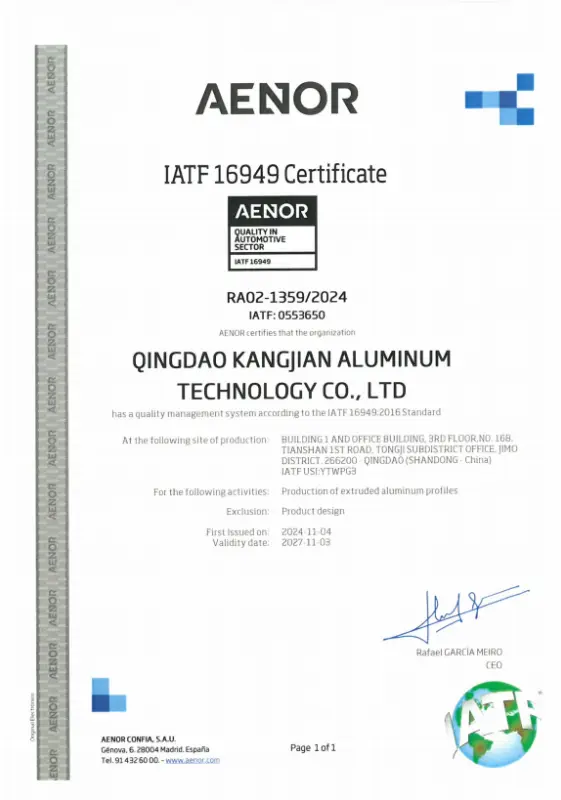
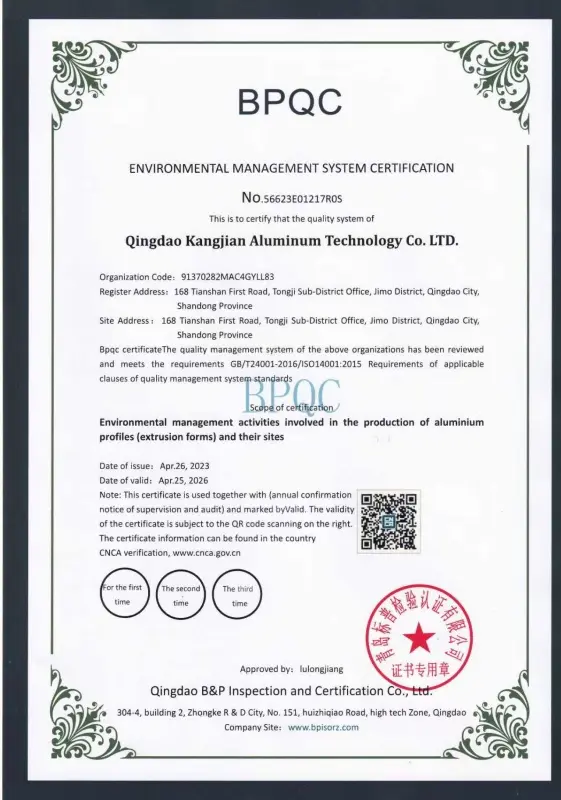
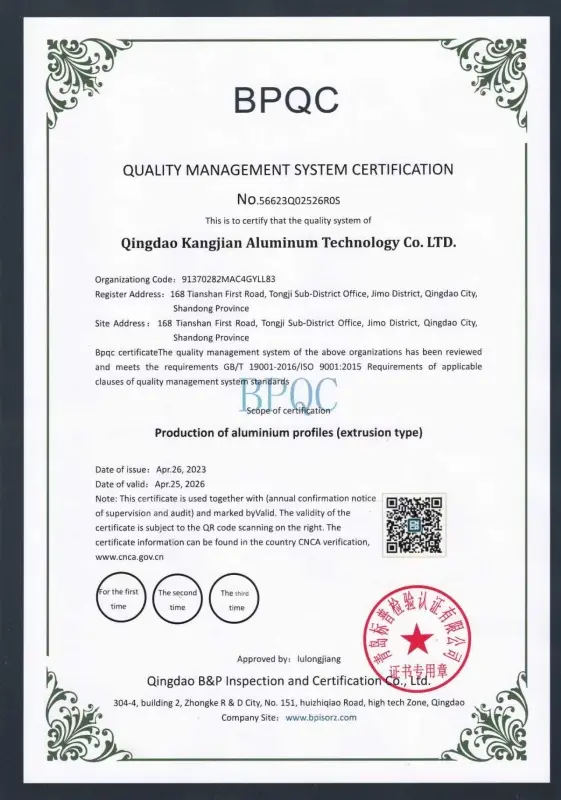
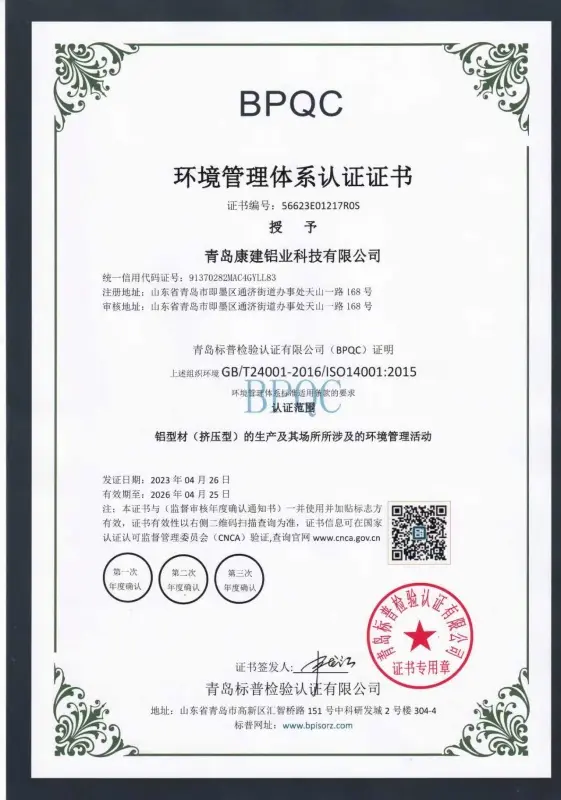
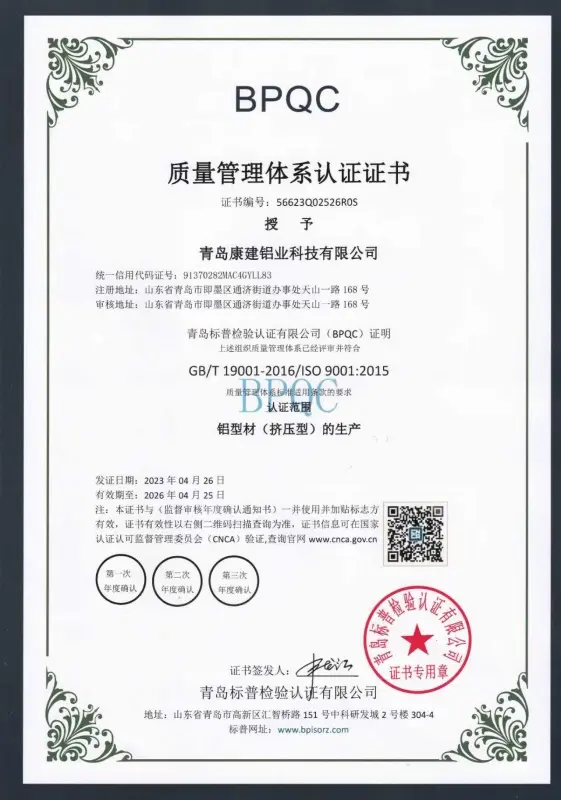
Understanding how specific profile configurations meet the mechanical requirements of various automation applications.
Autonomous Mobile Robots (AMRs) operating in logistic centers require durable, low-weight structural frames. By utilizing extruded 6061-T6 aluminum profiles with optimized internal geometries, manufacturers can reduce deadweight, improving battery life and accelerating performance while maintaining stable payload carrying capacities.
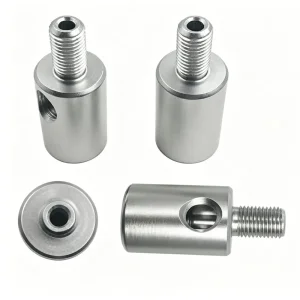
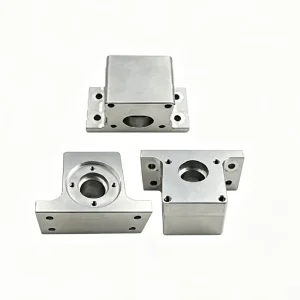
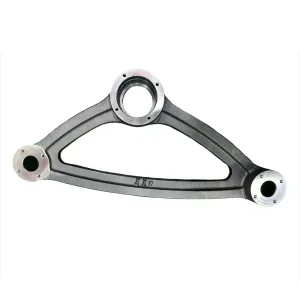
Robot mechanical arm linkages require low inertia and high torsional rigidity. Custom-machined hollow aluminum parts minimize dynamic deflection at the end-effector. Integration of precision CNC finish machining ensures joint mating tolerances conform to strict design specifications.
For military, agricultural, and search-and-rescue unmanned aerial systems (UAVs), every gram saved directly correlates to increased flight duration. Precision CNC-machined thin-walled aluminum components offer structural durability under complex aerodynamic and inertial loads.
Located in the coastal port city of Qingdao, Kangjian leverages a "dual-sea layout". This strategic location links the company to major domestic markets like Anhui, Hebei, Tianjin, Hunan, Guangdong, Beijing, and Jiangsu, while providing direct ocean access to international markets in South Korea, Japan, the United States, and Europe.
Whether supplying structural frames for Nordic port machinery or light-duty aluminum profiles for automotive production lines, our products are engineered to meet strict international standards, ensuring reliable performance across diverse industrial applications.
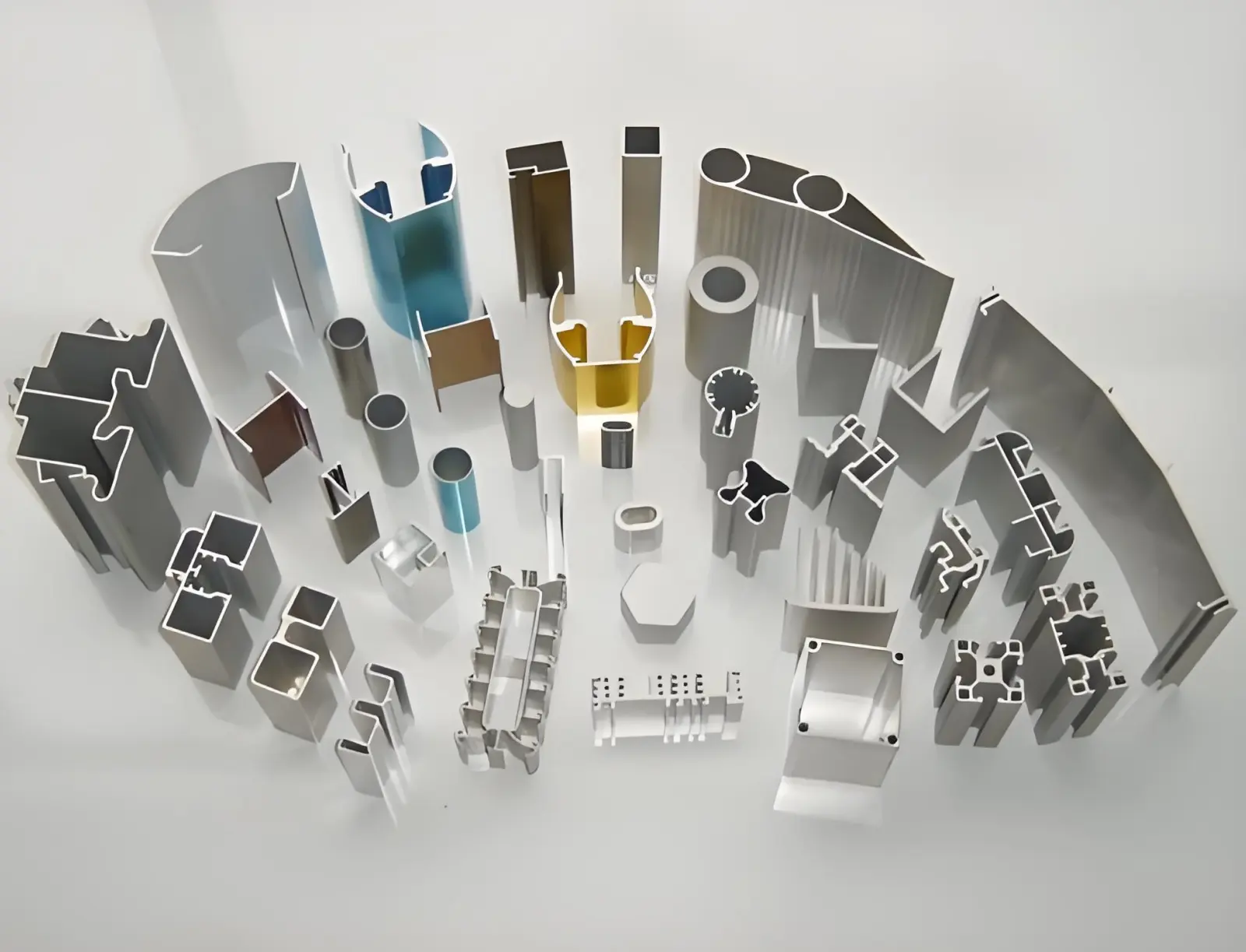
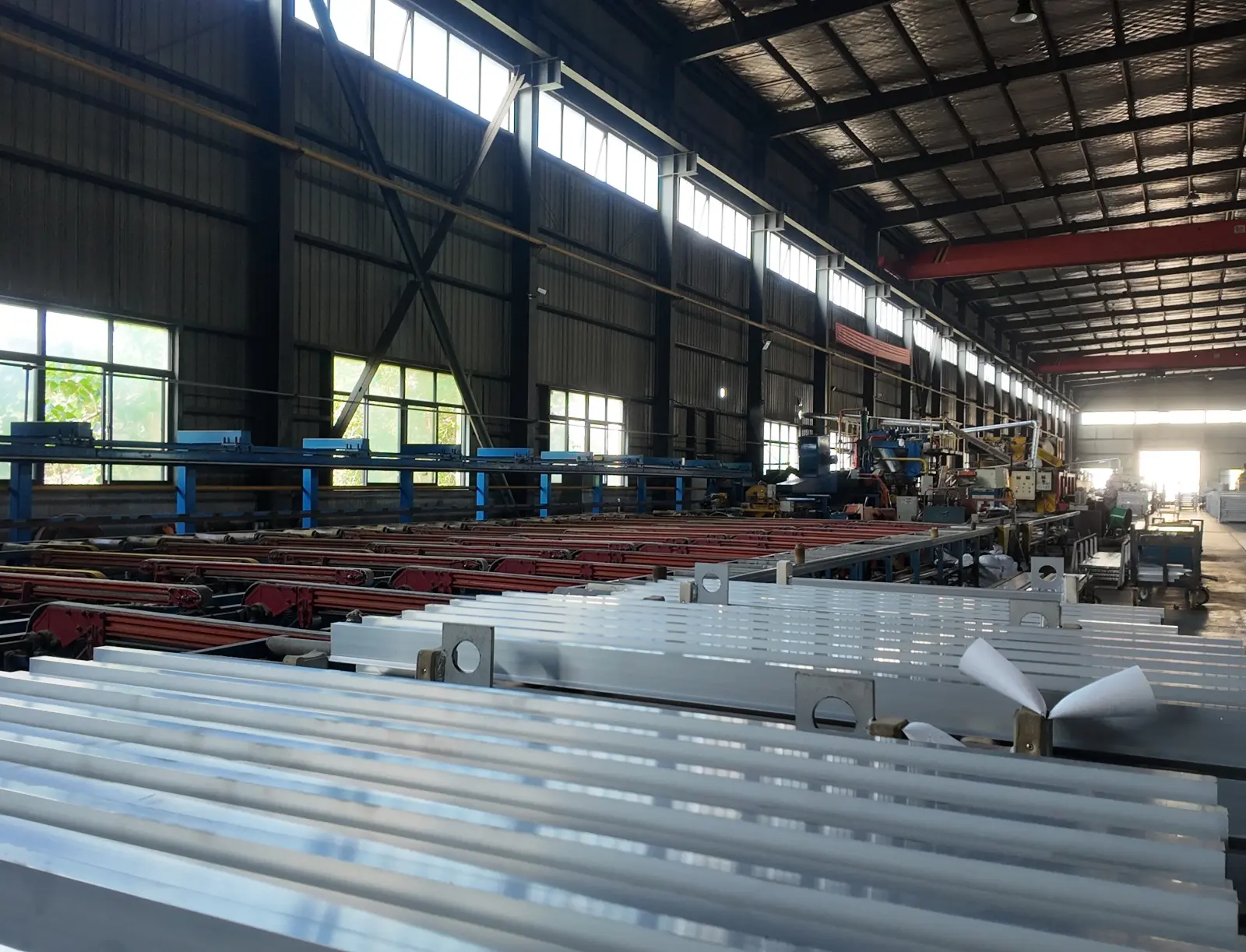
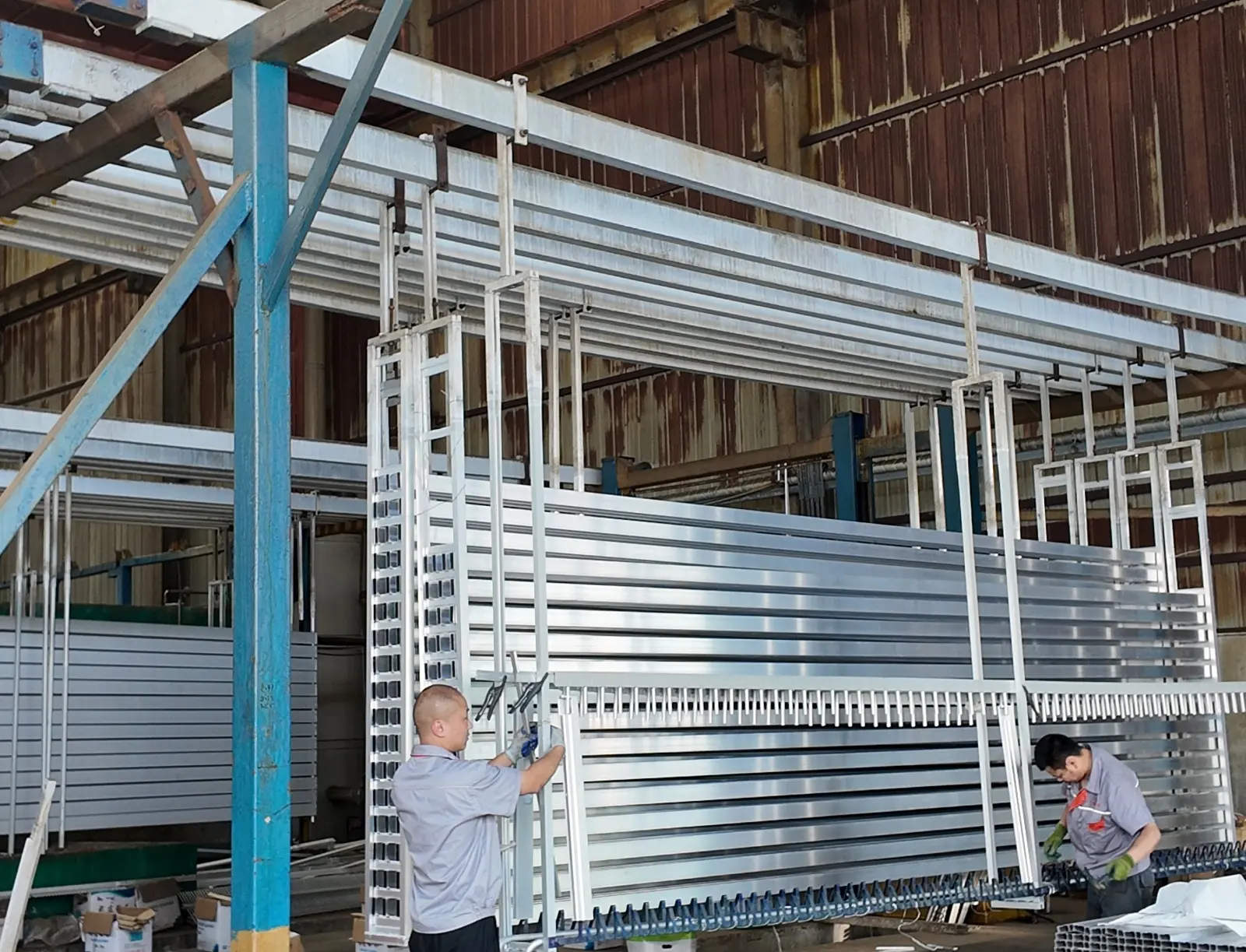

Developing advanced metallurgical compositions and precise manufacturing techniques to support future automation demands.
Development of customized high-silicon, high-magnesium aluminum formulations to enhance tensile strength and reduce the coefficient of thermal expansion under high structural loads.
Integration of automated multi-axis milling directly linked with CAD simulation tools to process complex profiles without requiring manual alignment corrections.
Researching aluminum profiles with integrated channels designed to protect wiring harness pathways and host sensor elements, enabling predictive maintenance.
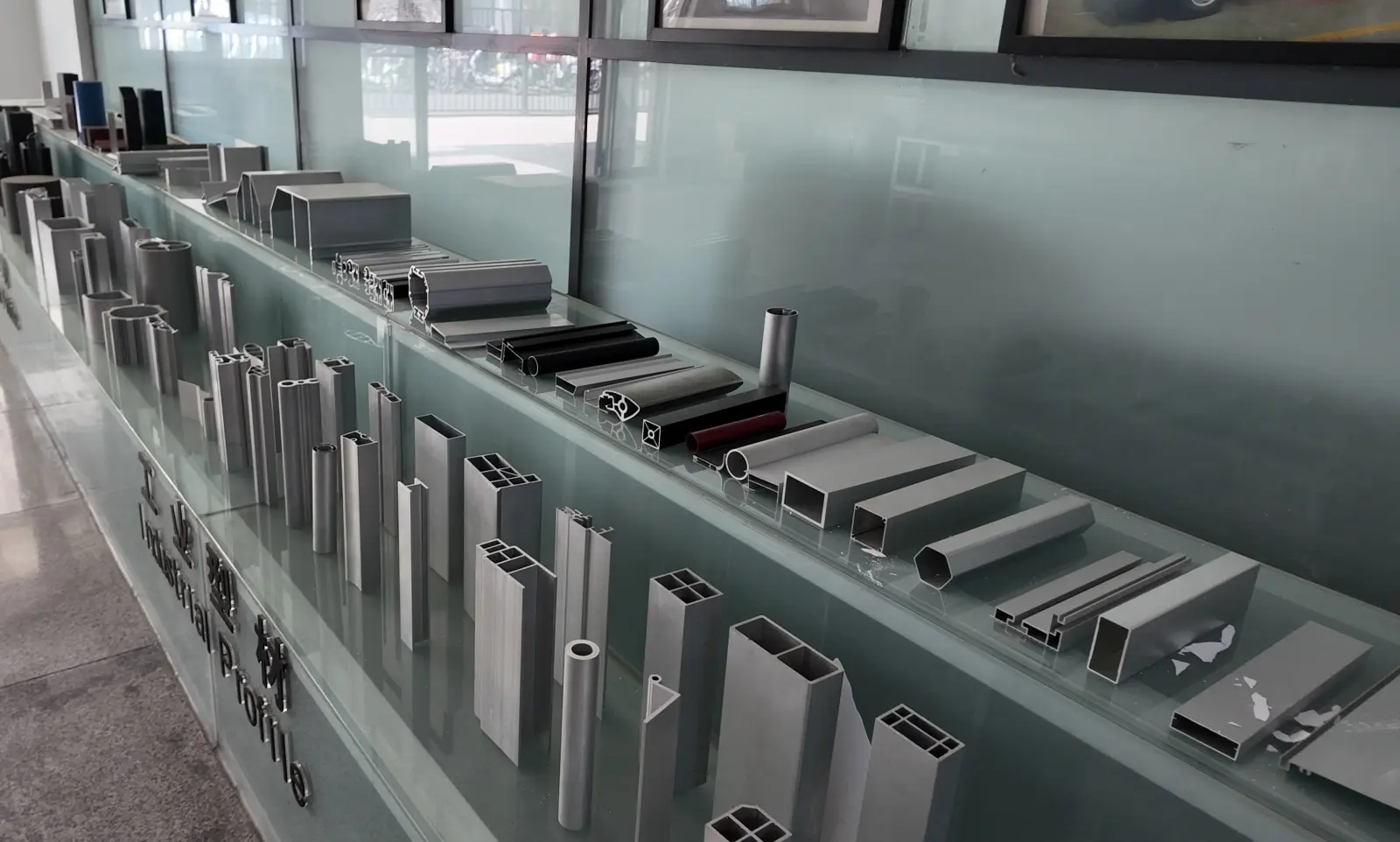


Detailed technical answers to common questions regarding materials, structural design, and post-machining processes.
A visual showcase highlighting our profiles integrated into diverse structural and logistic configurations globally.