Kangjian
Kangjian
Kangjian
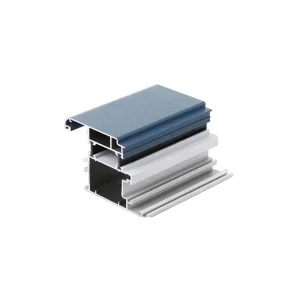
Explore our core range of custom architectural profiles, mechanical structural shapes, and clean-energy mounting frameworks engineered to global building envelope codes.
Modern architectural philosophy is undergoing a monumental shift towards structural minimalism, energy conservation, and seamless indoor-outdoor living. In this evolution, the role of sliding aluminium doors has transformed from simple functional barriers to key architectural components. Real estate developers, facade engineers, and project managers globally are demanding larger spans, slimmer sightlines, and superior thermodynamic insulation properties.
The international demand for high-end wholesale sliding doors is fueled by the growing stringency of national energy codes. Structural components must now demonstrate compliance with stringent thermal transmission calculations (Uw-values). In European and North American markets, the transition to net-zero carbon buildings mandates the integration of advanced thermal break systems, typically using glass-fiber reinforced polyamide strips (such as PA66-GF25), which disrupt the thermal bridge common in metal structures. Consequently, manufacturers are developing multi-slide configurations capable of accommodating heavy triple-glazed insulated units without compromising smooth mechanical rolling characteristics.
Furthermore, acoustic decoupling has become vital in high-density urban areas. High-density EPDM double-compression gaskets, multi-track dynamic seals, and precision-engineered drop-down thresholds are routinely specified to achieve Sound Transmission Class (STC) ratings exceeding 40 dB. The structural resilience required to withstand localized meteorological extremes (such as high-wind coastal zones or high-velocity hurricane zones) dictates the use of high-strength Al-Mg-Si alloys like 6063-T5 and 6063-T6. These alloys offer the mechanical tensile strength and structural deflection resistance necessary for clean-span configurations.
Strategic Information Gain: When sourcing structural framing elements, procurement departments must analyze the micro-structural configuration of the aluminum billets. The presence of controlled magnesium and silicon ratios within 6063 series extrusions determines not only the ultimate yield strength but also the responsiveness of the alloy to surface finishing operations, such as anodizing and electrophoretic deposition. Understanding this chemical optimization is key to verifying the long-term integrity of structures subjected to persistent atmospheric salt spray or intense ultraviolet exposure.
Large-scale commercial procurement of sliding aluminium doors requires deep scrutiny beyond superficial design aesthetics. Institutional buyers, industrial building contractors, and real estate developers evaluate products against a matrix of structural, physical, and chemical metrics. Foremost among these is the structural design code compliance. Profiles must meet international standards such as BS EN 12020, ASTM B221, and AAMA/WDMA/CSA 101/I.S.2/A440. These frameworks define allowable dimensional tolerances, structural deflection limits under positive and negative wind loads, and minimum air infiltration thresholds.
Equally critical is the longevity of the operating hardware. The cycle life of rollers, guide tracks, and multi-point locking systems must exceed EN 13126 standards, which require at least 100,000 operations under maximum sash weight loads. Stainless steel (SUS 304 or SUS 316) double-tandem rollers are preferred for large sashes weighing up to 400 kg. These rollers are paired with precision-machined heavy-duty tracks to minimize starting friction and ensure quiet, low-force manual operation.
From a surface finish perspective, exposure to coastal atmospheres requires high-grade finishes. Quality management protocols must align with Qualicoat Class 2 or Class 3 powder coatings, or AAMA 2605 specifications. This ensures the door surfaces withstand degradation, chalking, and color fading under persistent UV exposure and marine salt sprays. By insisting on these technical baselines, procurement officers minimize lifecycle maintenance costs and mitigate structural failures in high-traffic or environmentally harsh commercial applications.
Underpinned by high-capacity processing infrastructure and automotive-grade quality control systems.
The integration of Industry 4.0 manufacturing methods at Chinese aluminum extrusion plants has changed how global projects source materials. By deploying automated material handling, laser-guided extrusion speed controllers, and real-time thermal monitoring, these facilities achieve high dimensional accuracy. They maintain extrusion tolerances that exceed standard EN 755-9 specifications.
Advanced factories use automated nitrogen-shielded extrusion tooling. This setup prevents surface defects and oxidation during the manufacturing process. The result is a smooth, high-quality surface finish that requires minimal preparation for anodizing or powder coating. CNC-machining centers (capable of multi-axis precision milling, drilling, and tapping) are connected directly to central design interfaces (CAD/CAM). This direct link allows the factory to produce complex, project-specific custom details without human error.
Supply chain resilience is maintained through a combination of stable domestic sourcing of raw aluminum ingots and dynamic logistics management. Located in industrial hubs like Qingdao, these facilities benefit from advanced port logistics and specialized local supply networks. This industrial ecosystem helps mitigate raw material price fluctuations and shipping delays. By utilizing automated warehousing and real-time container tracking, factories can offer predictable lead times, ensuring global building projects remain on schedule.
Qingdao Kangjian Aluminum Industry Technology Co., Ltd. — A Trusted Pioneer in Advanced Profile Extrusions.
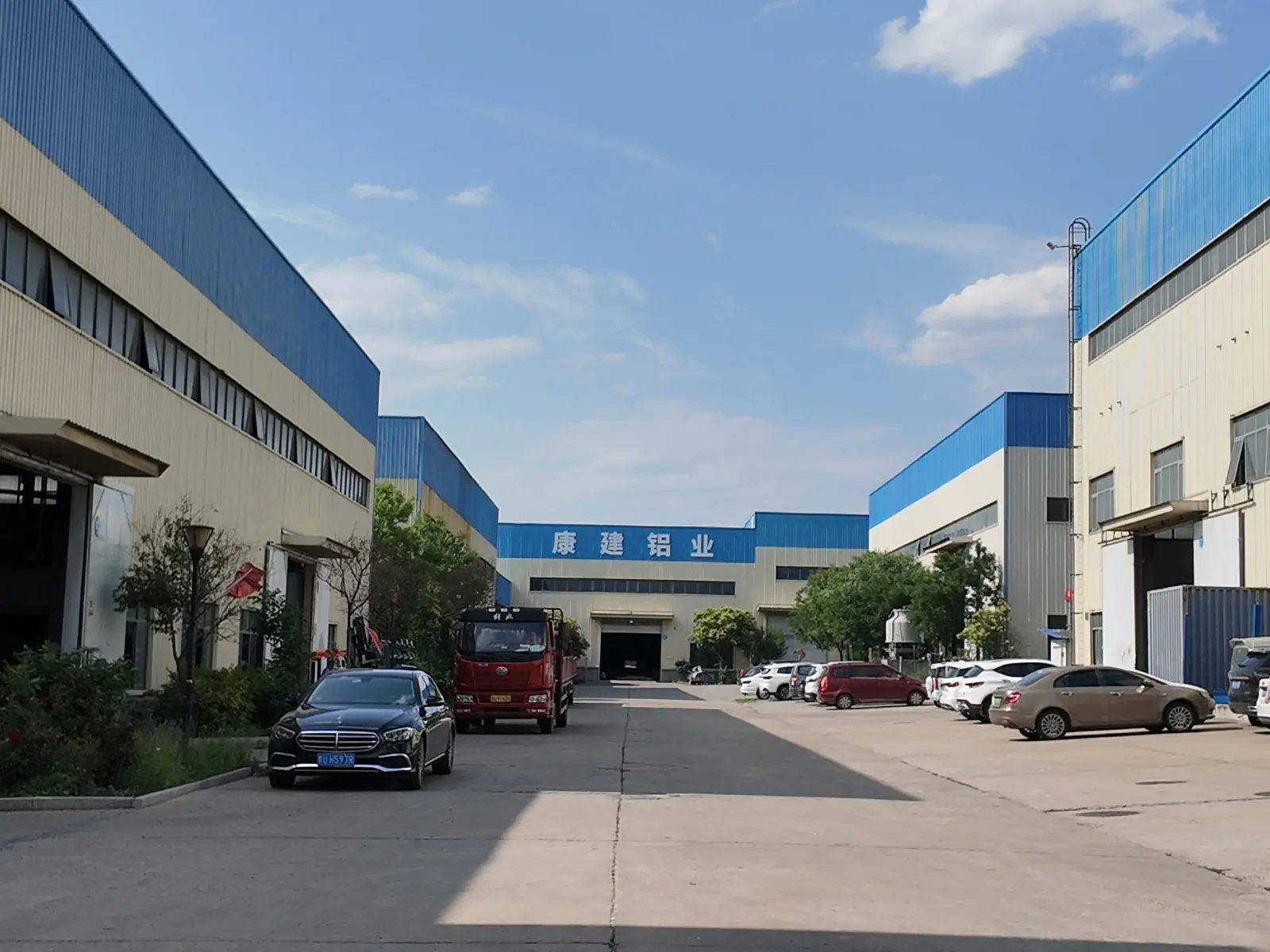
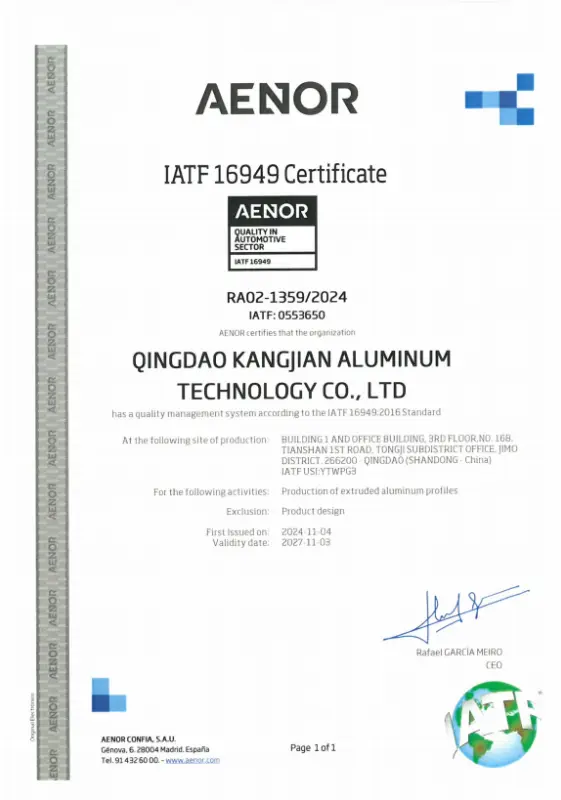
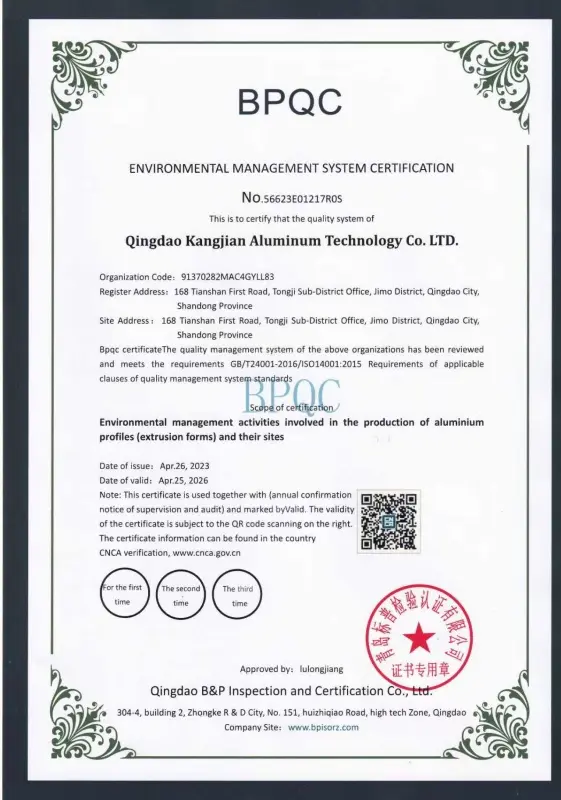
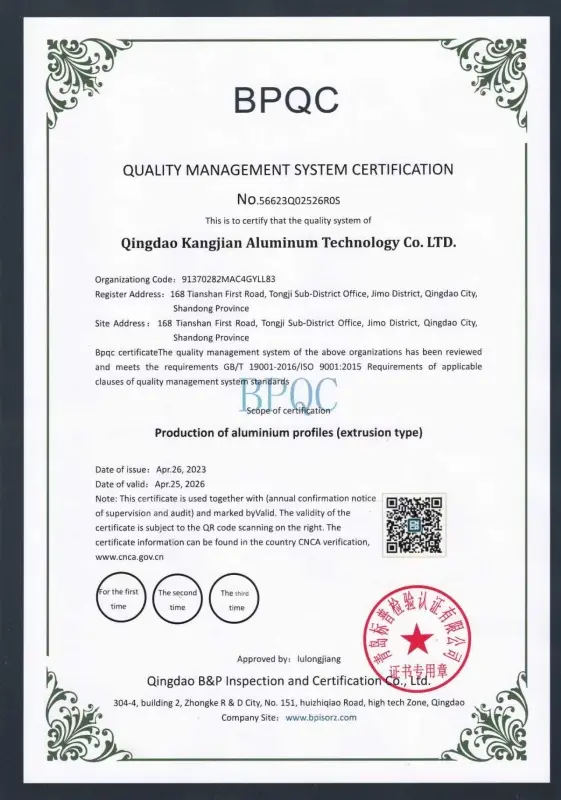
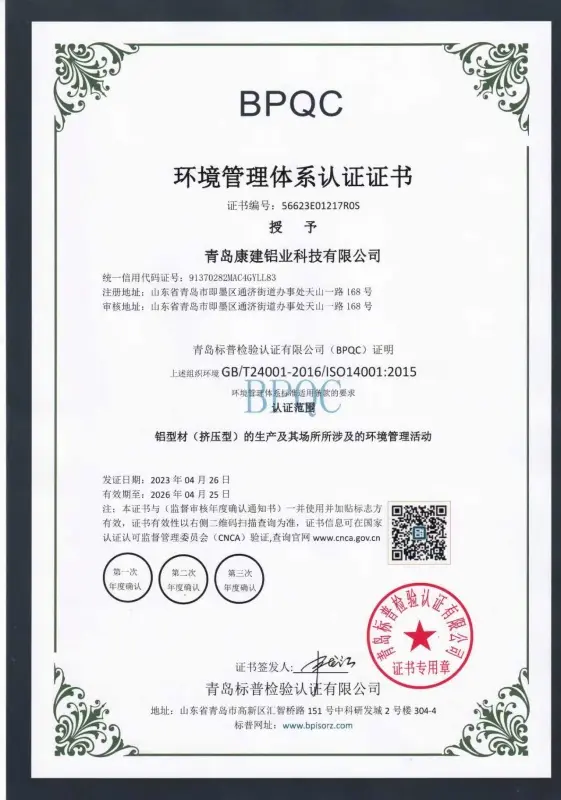
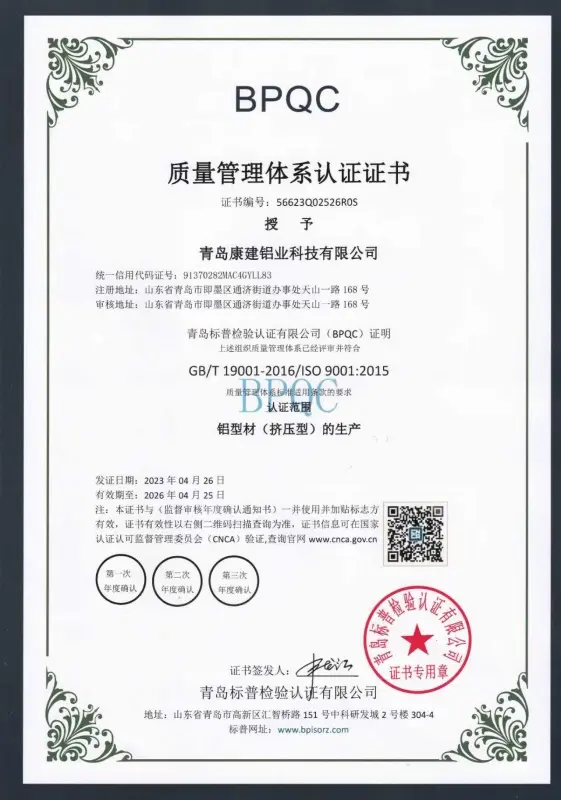
Kangjian’s focus on manufacturing quality is supported by a comprehensive suite of international certifications. The enterprise has secured the National Industrial Product Production License alongside GB/T19001-2016/ISO9001 Quality Management and GB/T24001-2016/ISO14001 Environmental Management System Certifications.
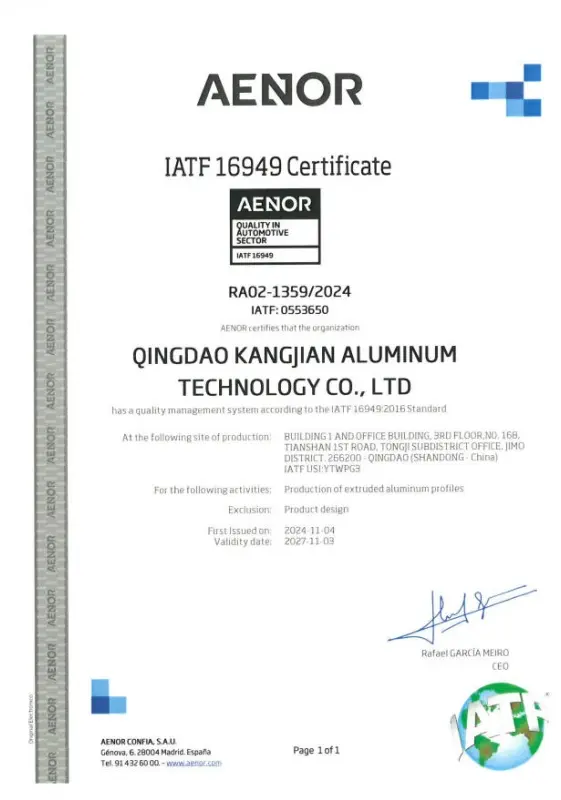
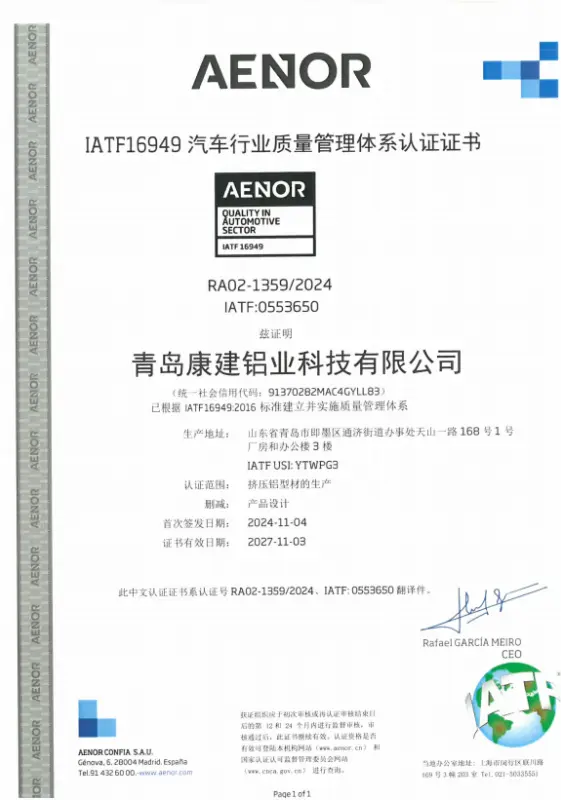
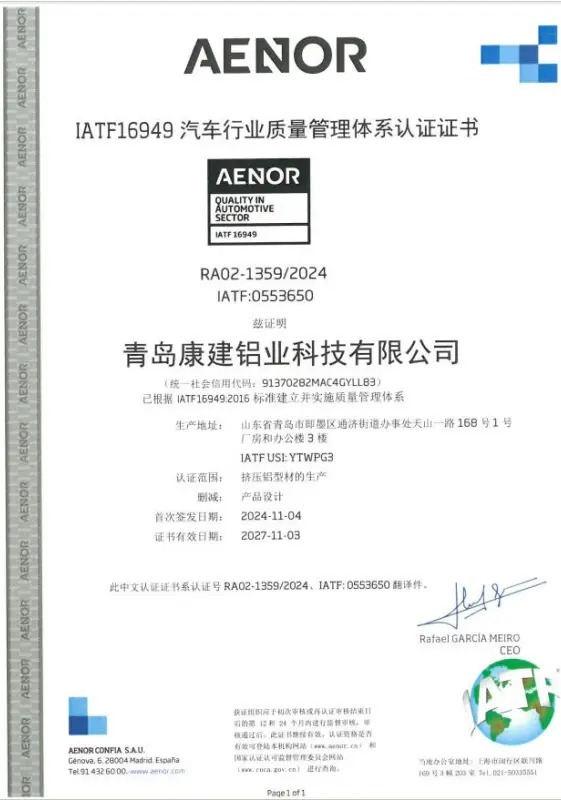
Furthermore, for high-liability industries like transportation and rail infrastructure, the company holds the prestigious IATF16949 Automotive Quality Management System Certification, ISO22163 Railway Industry Management System, and international welding/bonding standards including EN15085, ISO3834, AWS, and DIN6701. These quality standards ensure every batch of architectural profiles, railway sections, and mechanical components meets strict global safety requirements.
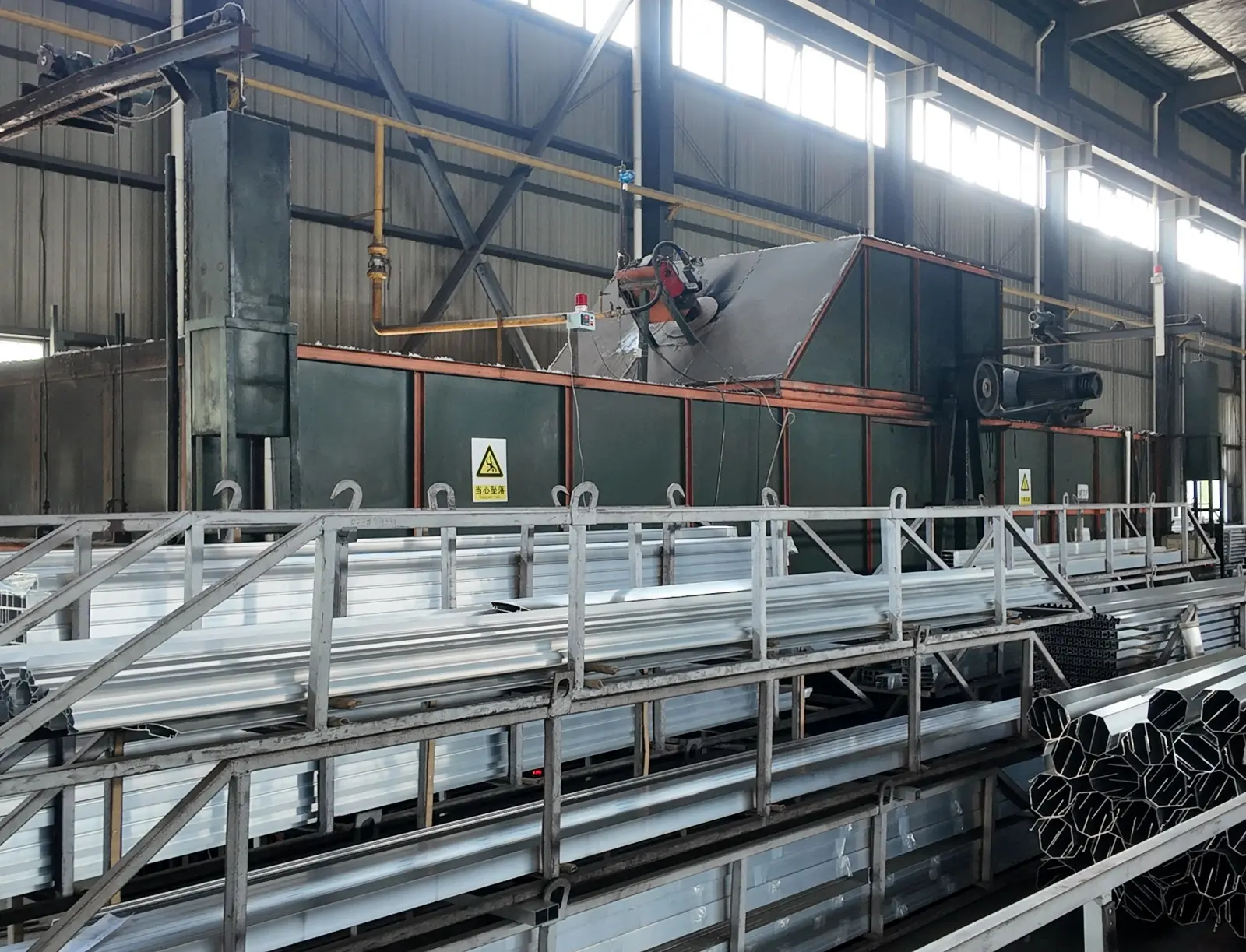
In just three years since its establishment, Qingdao Kangjian Aluminum Industry Technology Co., Ltd. has rapidly expanded from its local market in Qingdao to national and global markets. The company's products reach core domestic regions such as Anhui, Hebei, Tianjin, Hunan, Guangdong, Beijing, and Jiangsu. Leveraging the unique logistics advantages of the Port of Qingdao, it has successfully expanded into high-end international markets across South Korea, Japan, the United States, and Europe.
Rapid Production Scale-Up
Against challenging global market conditions, Kangjian has maintained an average annual growth rate of order delivery and output value of 30%, indicating strong market demand and manufacturing capability.
Product Diversification & Applications
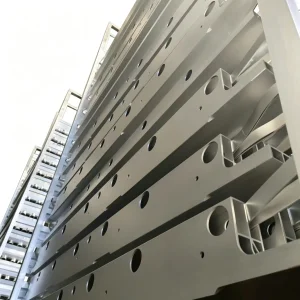
Specializing in high-performance profiles for high-speed railways, subways, aerospace systems, light commercial vehicles, marine structural panels, and energy-saving building envelopes.
Export Leadership & Supply Chain Security
Offering global clients transparent foreign trade services, flexible ordering models, and complete compliance with international trade standards.
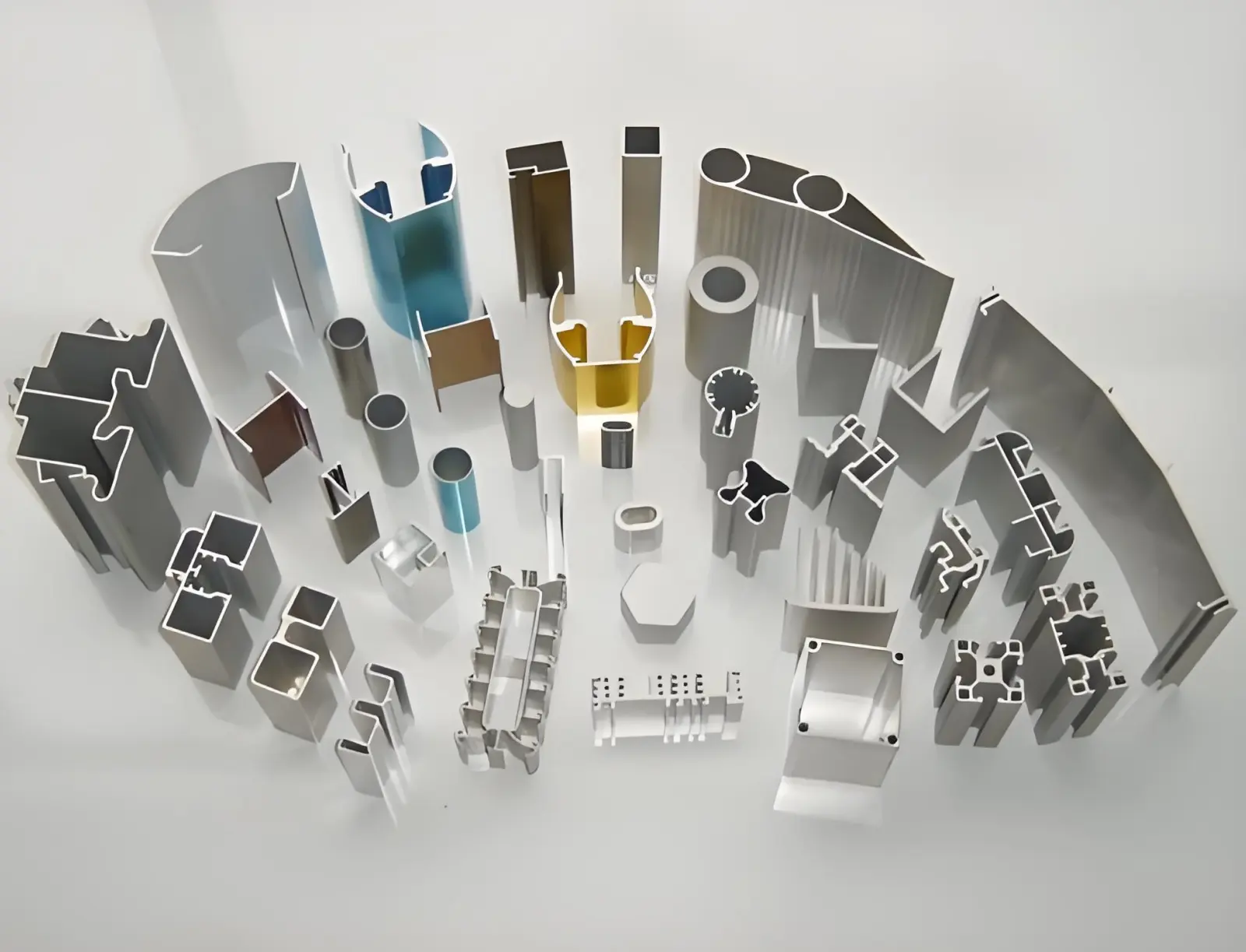
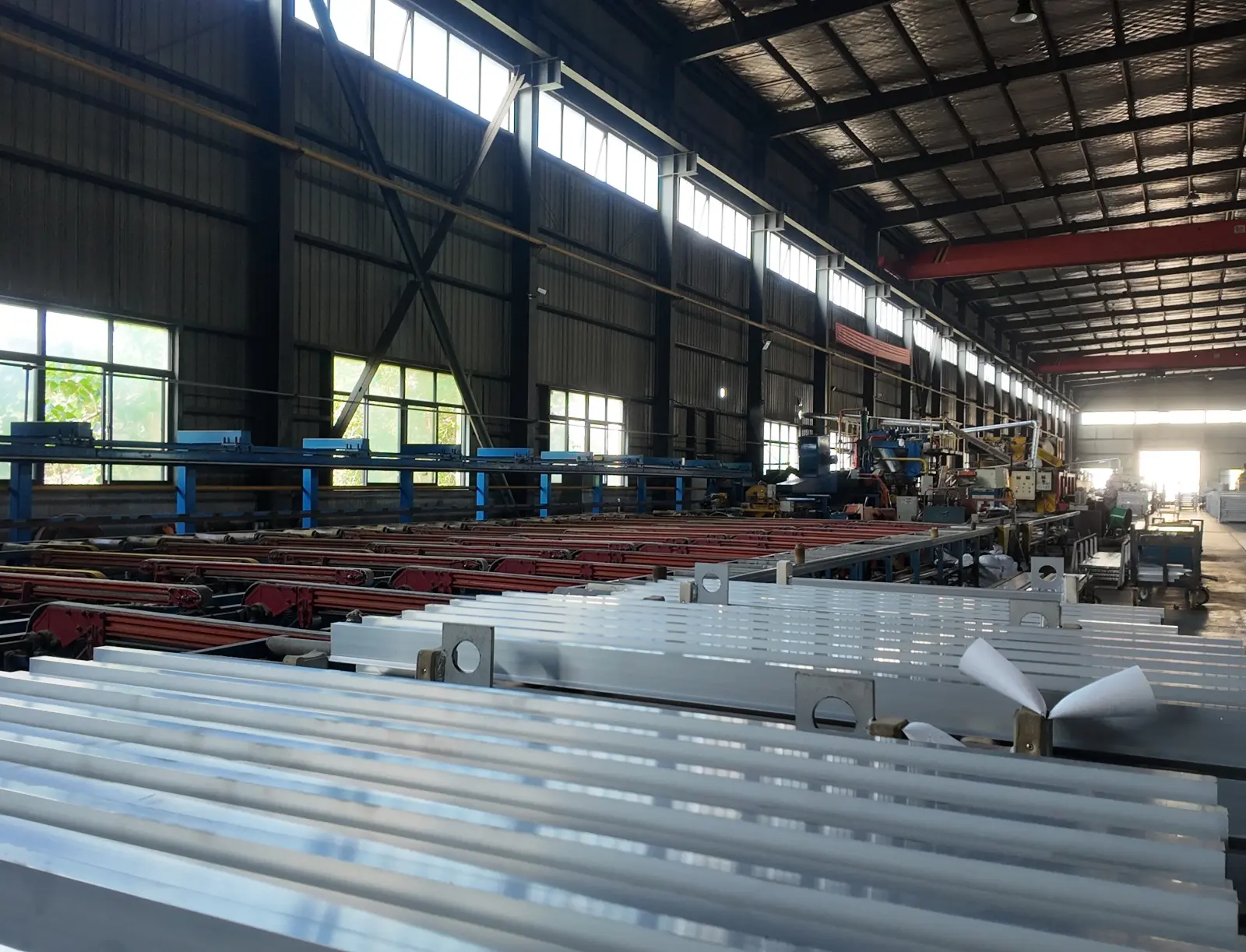
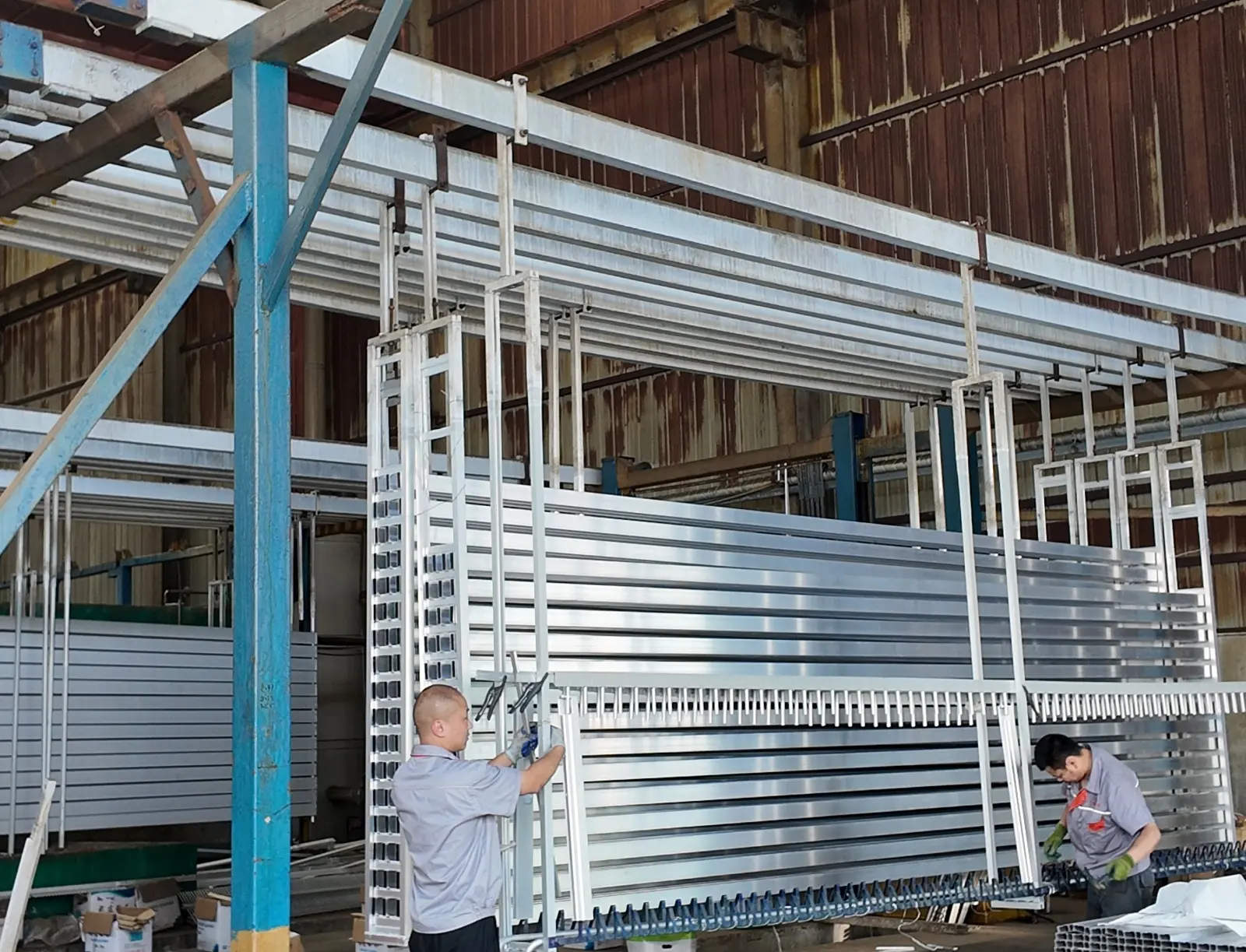

In the port city of Qingdao, a vision to advance high-end aluminum extrusion capabilities took shape in 2022. Several industry veterans recognized the growing global demand for high-strength aluminum profiles, yet noted a lack of domestic manufacturers capable of meeting international precision requirements. This realization led to the founding of Kangjian Aluminum Industry.
Backed by a vast domestic market and situated near deep-water international trade routes, Kangjian established its "dual-sea layout". The company is committed to producing high-end aluminum profiles that meet the demands of major global projects.
"Producing high-end aluminum materials and serving global customers" is the core principle of our operations. Leveraging modern machinery, strict quality management, and continuous process optimization, Kangjian delivers on this promise. Our high-strength, corrosion-resistant profiles are used in structural components for logistics equipment in major European ports and are specified on drawings for challenging international civil engineering projects.
We focus on emerging material applications that support energy-saving and carbon-reduction initiatives. As lightweight materials become increasingly important in industrial designs, we are positioned to support our partners with high-precision, low-energy-consumption extrusion solutions.
From coastal commercial high-rises to automated industrial cleanrooms.
Coastal resorts and corporate towers require large-span sliding doors with high resistance to wind loads and water penetration. Utilizing 6063-T6 structural frames with thermal breaks ensures long-term resistance to high wind pressure, keeping interiors protected during severe weather.
Modern custom villas specify ultra-slim frame profiles with multi-track configurations. Flush threshold designs, hidden drainage channels, and compatibility with motorized automated smart home systems provide functional usability without compromising architectural design.
Cleanroom environments, laboratory spaces, and high-tech manufacturing plants require reliable environmental containment. Double-compression gasket systems and automated heavy-duty sliding hardware maintain air pressure differences and minimize airborne dust infiltration.
Comprehensive technical answers for structural engineers, specification writers, and distribution partners.
Aluminum alloy 6063 (specifically in the T5 or T6 temper) is the structural benchmark because it balances formability, surface finish quality, and mechanical properties. Composed of magnesium (0.45-0.9%) and silicon (0.2-0.6%), it responds well to hot extrusion processing. T5 tempering involves air cooling after extrusion followed by artificial aging to increase yield strength. This provides the necessary structural rigidity to resist mechanical deflection in heavy-duty commercial sliding door frames.
Aluminum has a high thermal conductivity (approximately 200 W/m·K), which can lead to significant thermal loss if not managed. A thermal break system inserts a low-conductivity material, like a glass-fiber reinforced polyamide strip (PA66-GF25), between the interior and exterior aluminum profiles. This creates an insulated barrier that reduces heat transfer. The thermal break helps lower overall U-values (Uw) and prevents condensation on interior surfaces in cold climates.
To ensure reliable operation for large glass panels, hardware must be selected based on structural load calculations and corrosion resistance. Key components include double-tandem rollers with sealed stainless steel ball bearings to distribute weight evenly and maintain smooth motion. Tracks should be extruded from high-hardness aluminum alloys or fitted with stainless steel liner caps to prevent track wear. Hardware should be cycle-tested under full weight load to ensure durability.
Coastal applications are subject to high wind pressures and potential wind-borne debris. Sliding door profiles must be designed with sufficient moment of inertia (I-value), particularly at the interlocking stiles, to resist deflection. Structural mullions and heavy-duty frame sections are engineered to withstand positive and negative wind loads according to ASTM E330 or EN 12211. In hurricane-prone areas, laminated impact glass is used in combination with multi-point locking systems to keep the building envelope secure during storms.
For marine or industrial environments, specifications should require AAMA 2605-compliant powder coatings or Class 1 anodizing (minimum thickness of 18 microns/0.7 mils). AAMA 2605 coatings utilize high-performance fluoropolymer resins (PVDF) that provide superior resistance to color fading, chalking, and chemical attack. Anodizing creates an integral aluminum oxide layer that protects the base metal from filiform and pitting corrosion in salty coastal air.
Manufacturing profiles for rail and mass transit applications requires compliance with specialized quality and safety standards. Factories must hold the ISO 22163 (IRIS) Railway Industry Management System certification, which defines specific requirements for rolling stock components. Additionally, for structural welding and bonding, certifications such as EN 15085 (welding of railway vehicles and components) and DIN 6701 (adhesive bonding in rail vehicle manufacturing) are necessary to verify joint integrity and structural safety.
Original high-demand structural shapes manufactured by Qingdao Kangjian.
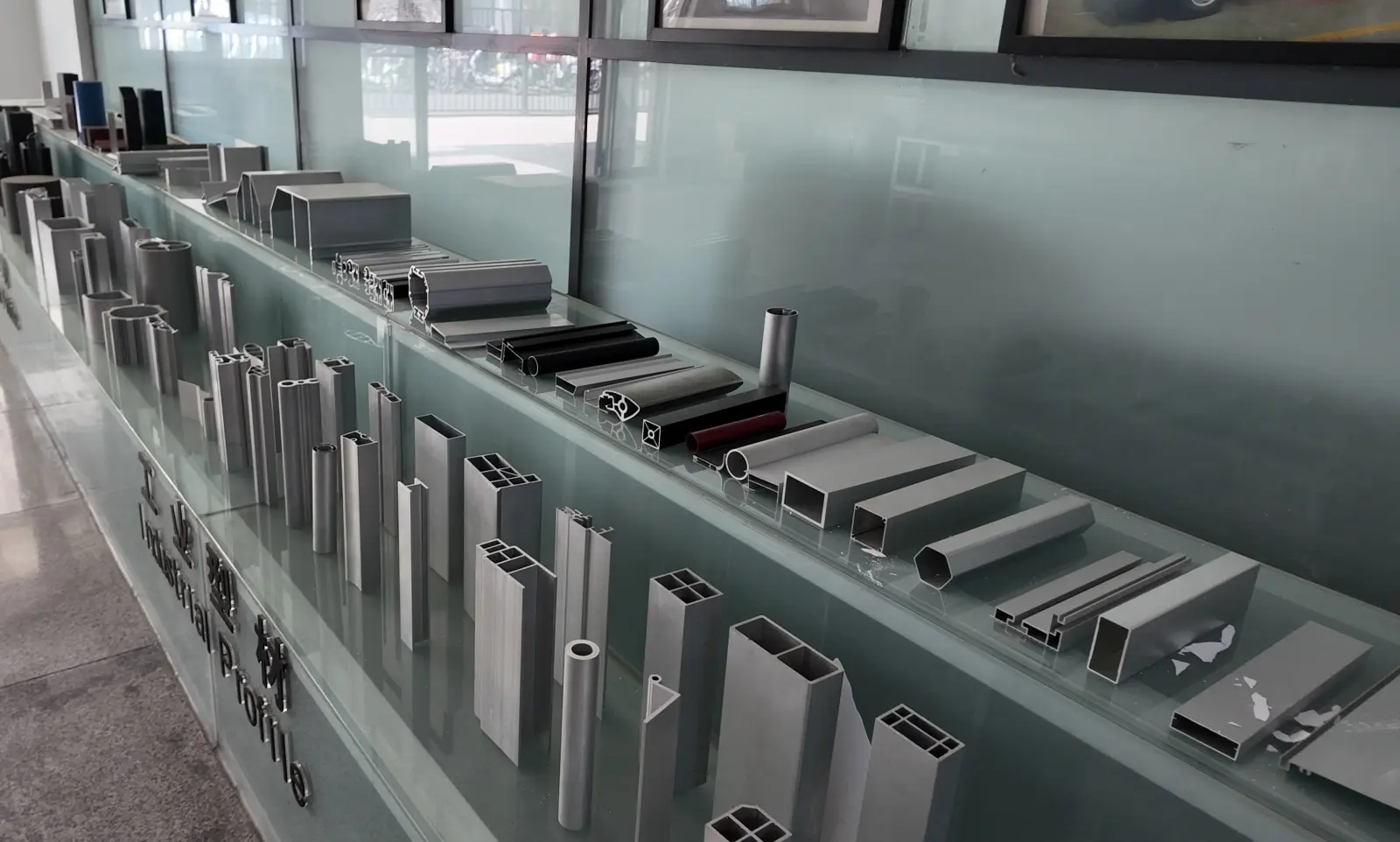
Qingdao Kangjian Aluminum Technology Co., Ltd. offers an extensive range of high-performance aluminum products designed for global architectural and industrial applications.
Learn More
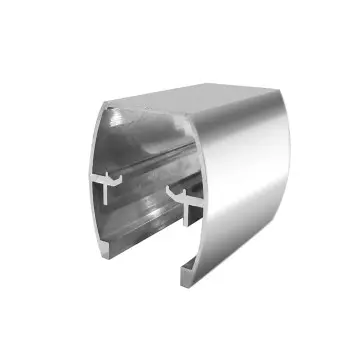
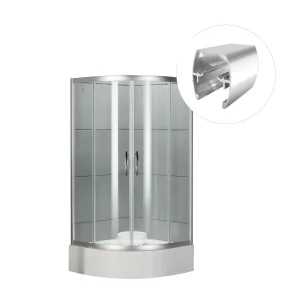
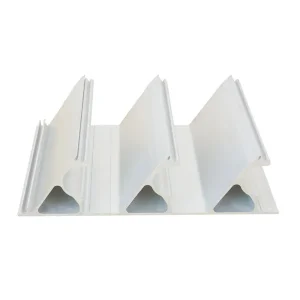
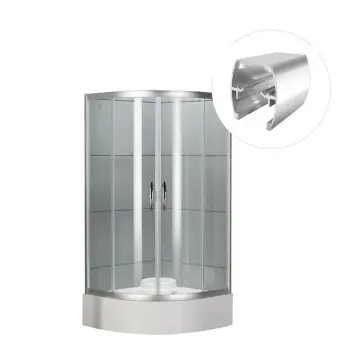
High-grade aluminum extrusions engineered for modern, lightweight interior shower enclosures with corrosion-resistant finishes.
Learn More
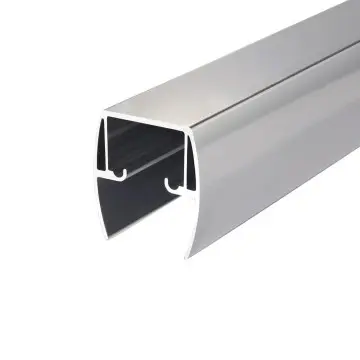
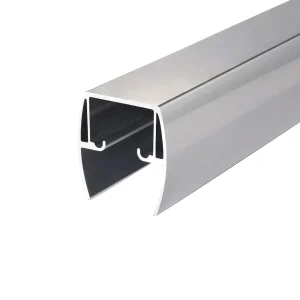
Standard architectural framing components extruded under tight tolerance control, suitable for high-traffic door frames.
Learn More
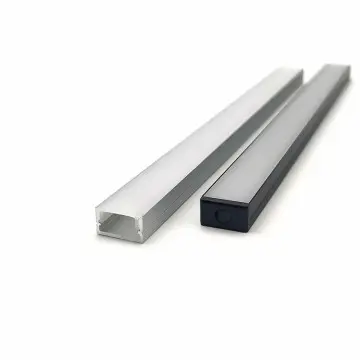
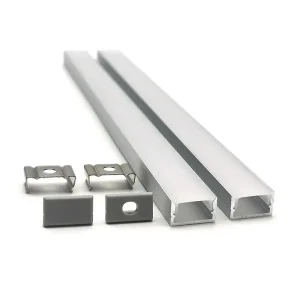
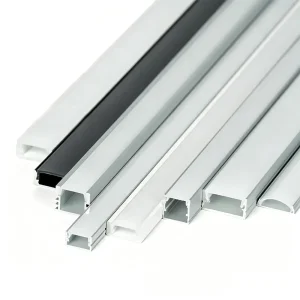
Designed for structural framing, cable routing, and integration with modern linear LED light fixtures.
Learn More
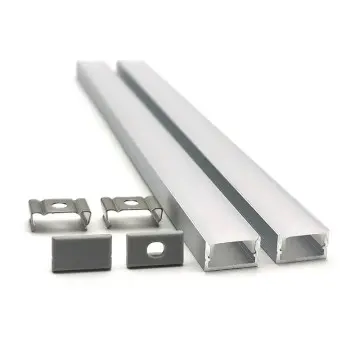
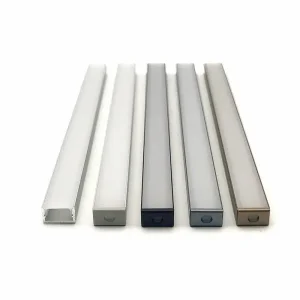
Precision heat-dissipating aluminum profiles designed for architectural accent and decorative LED strip lighting.
Learn More
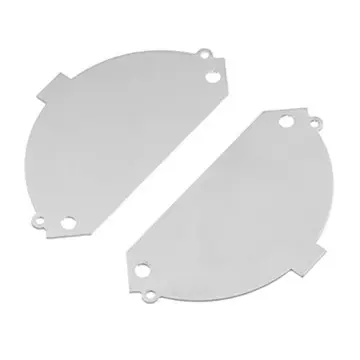
Ultra-slim corner fitting solutions engineered for localized interior design accents and functional cabinet illumination.
Learn More
Verified compliance under ISO, EN, IATF, and structural welding system assessments.
Collaborating with global engineering contractors, maritime ports, and high-speed rail manufacturers.


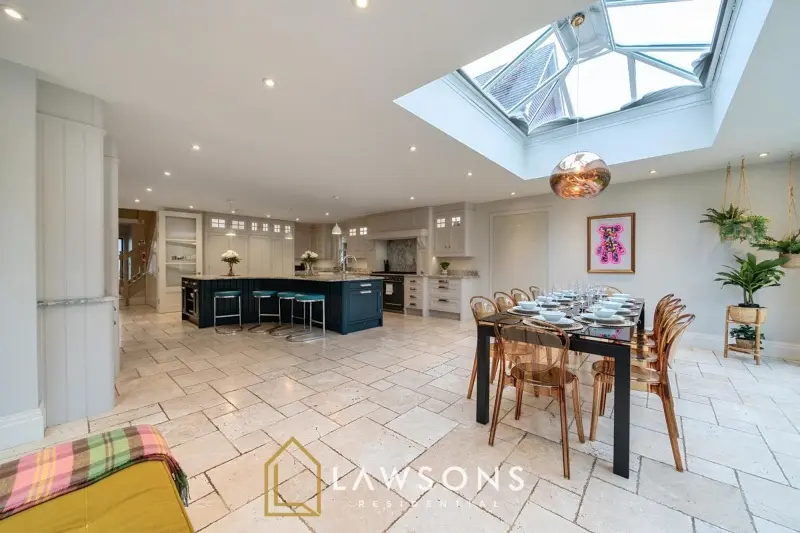
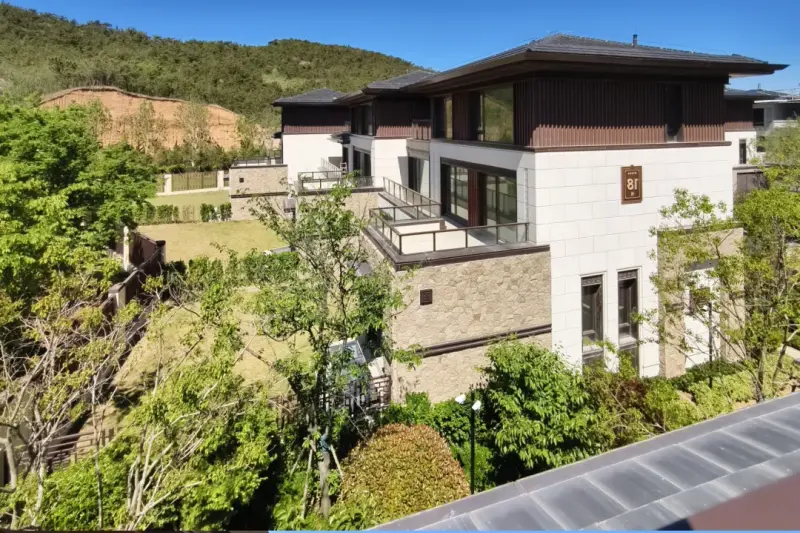
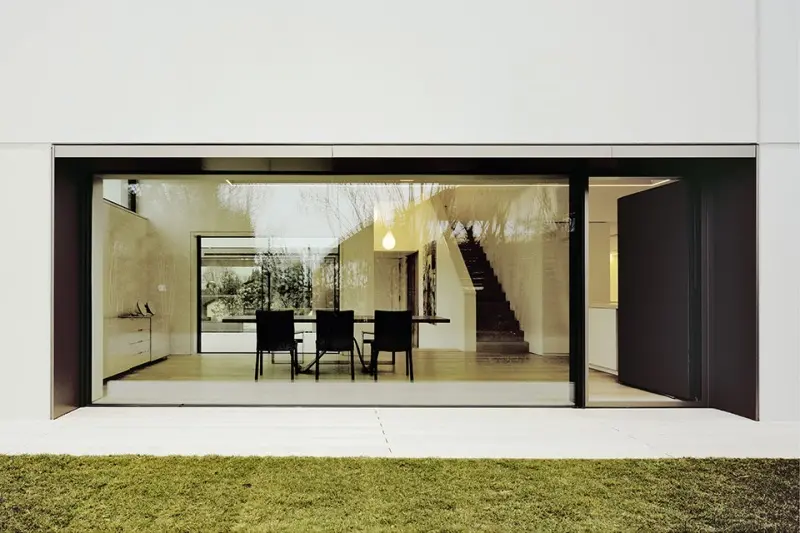
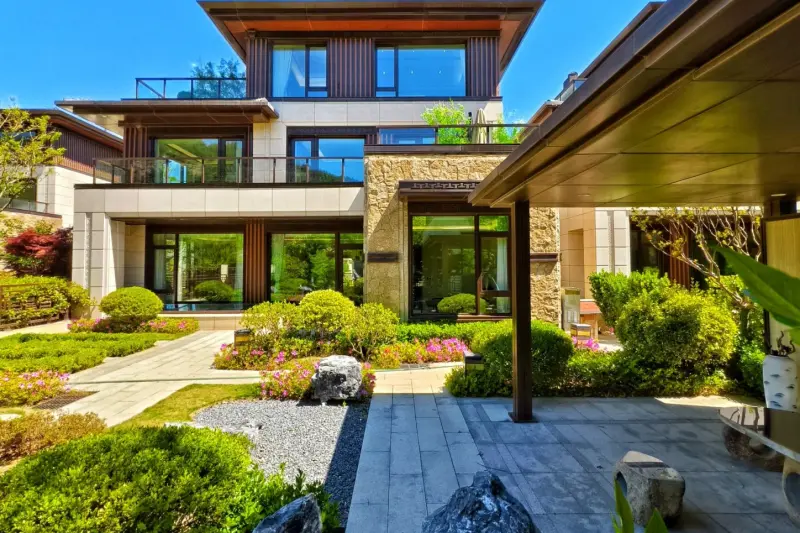
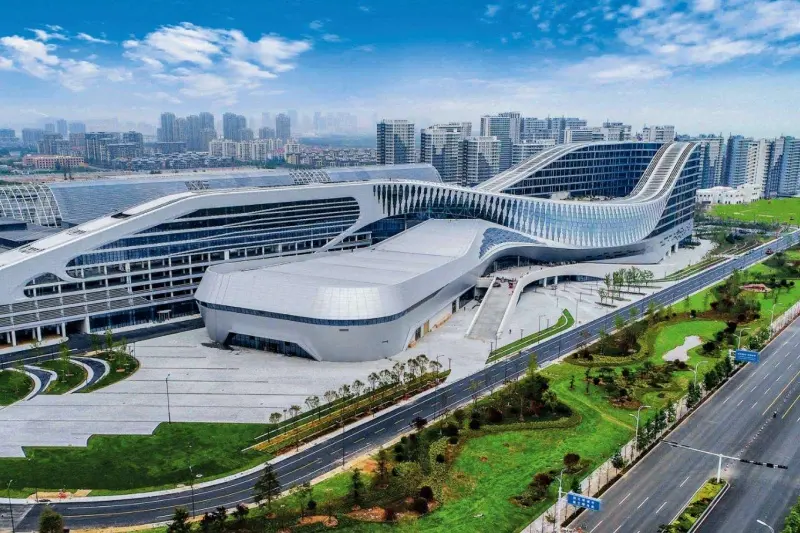
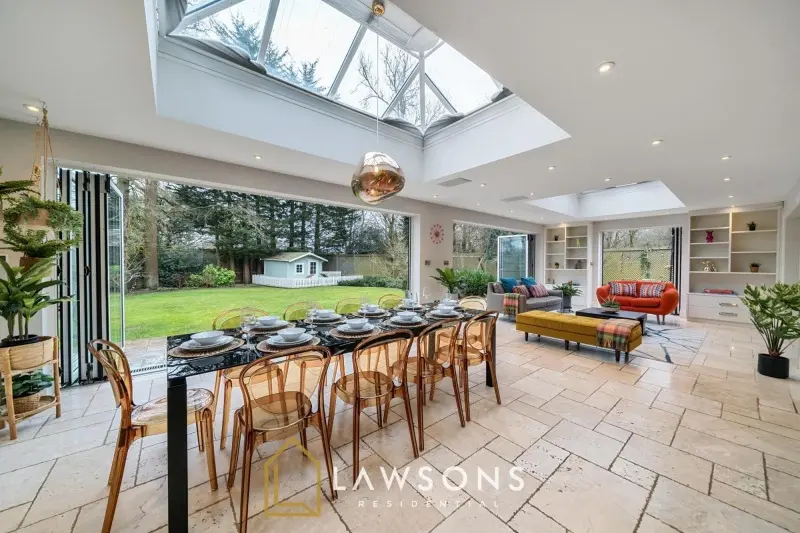
Showcasing the integration of high-precision aluminum structures in infrastructure and logistics hubs.
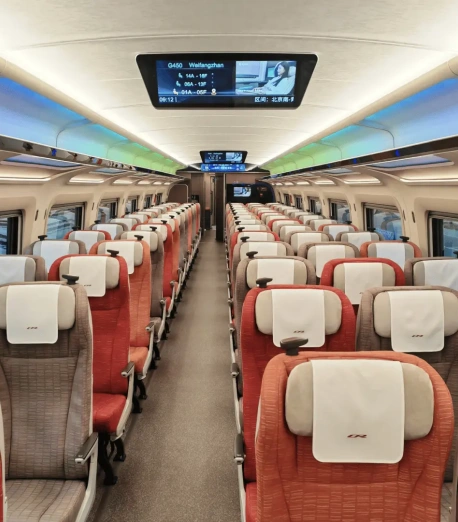
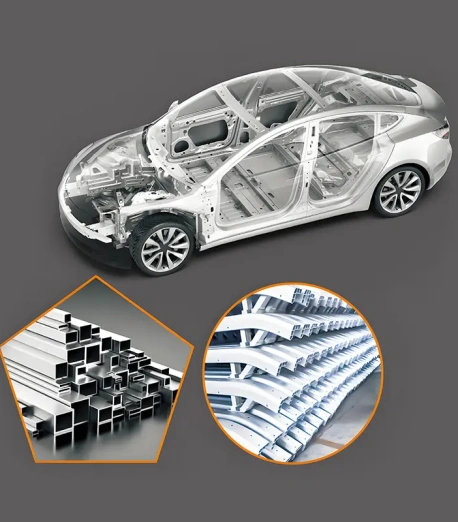
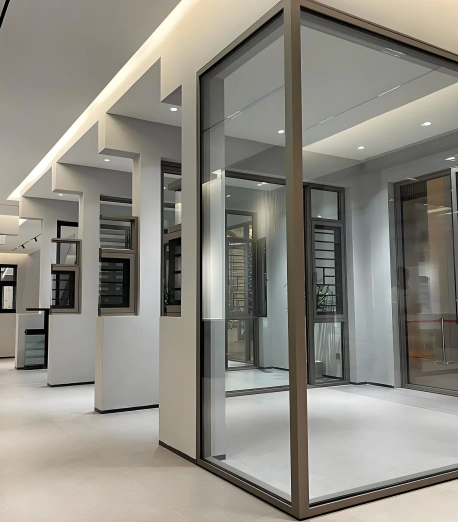
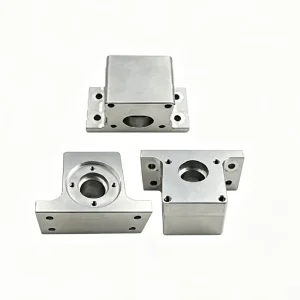
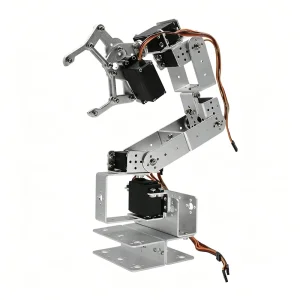
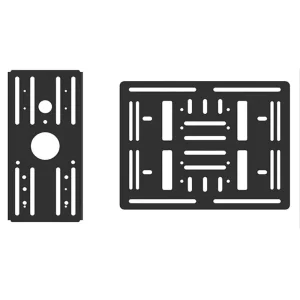
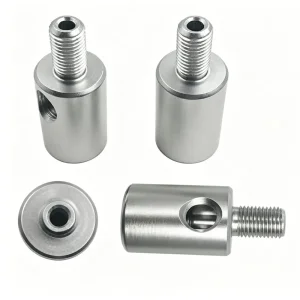
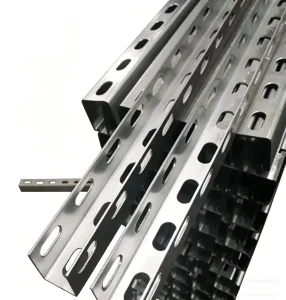
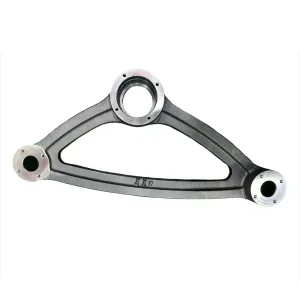
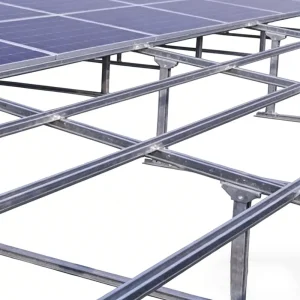
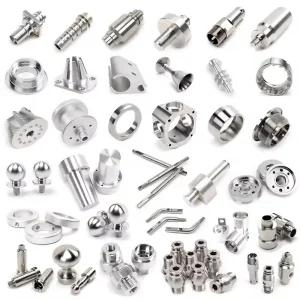
Additional profiles and CNC machined components engineered for solar energy systems, robotics, and industrial machinery.