Whitepaper: Aluminum Extrusion in Ethiopia's Industrialization
Ethiopia has established itself as one of Sub-Saharan Africa’s fastest-growing manufacturing hubs. Supported by the Ethiopian Investment Commission (EIC) and structural blueprints like the Growth and Transformation Plan (GTP), the nation has invested heavily in state-of-the-art Industrial Parks (such as Hawassa, Bole Lemi, Adama, and Kilinto). These developments demand high-strength, lightweight, and versatile engineering materials to build production lines, logistics centers, utility grids, and cleanrooms.
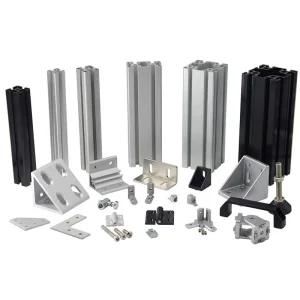
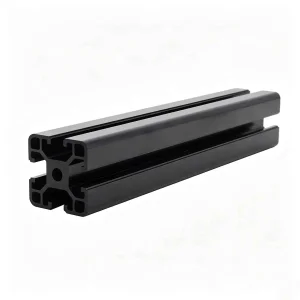
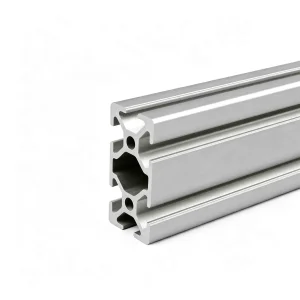
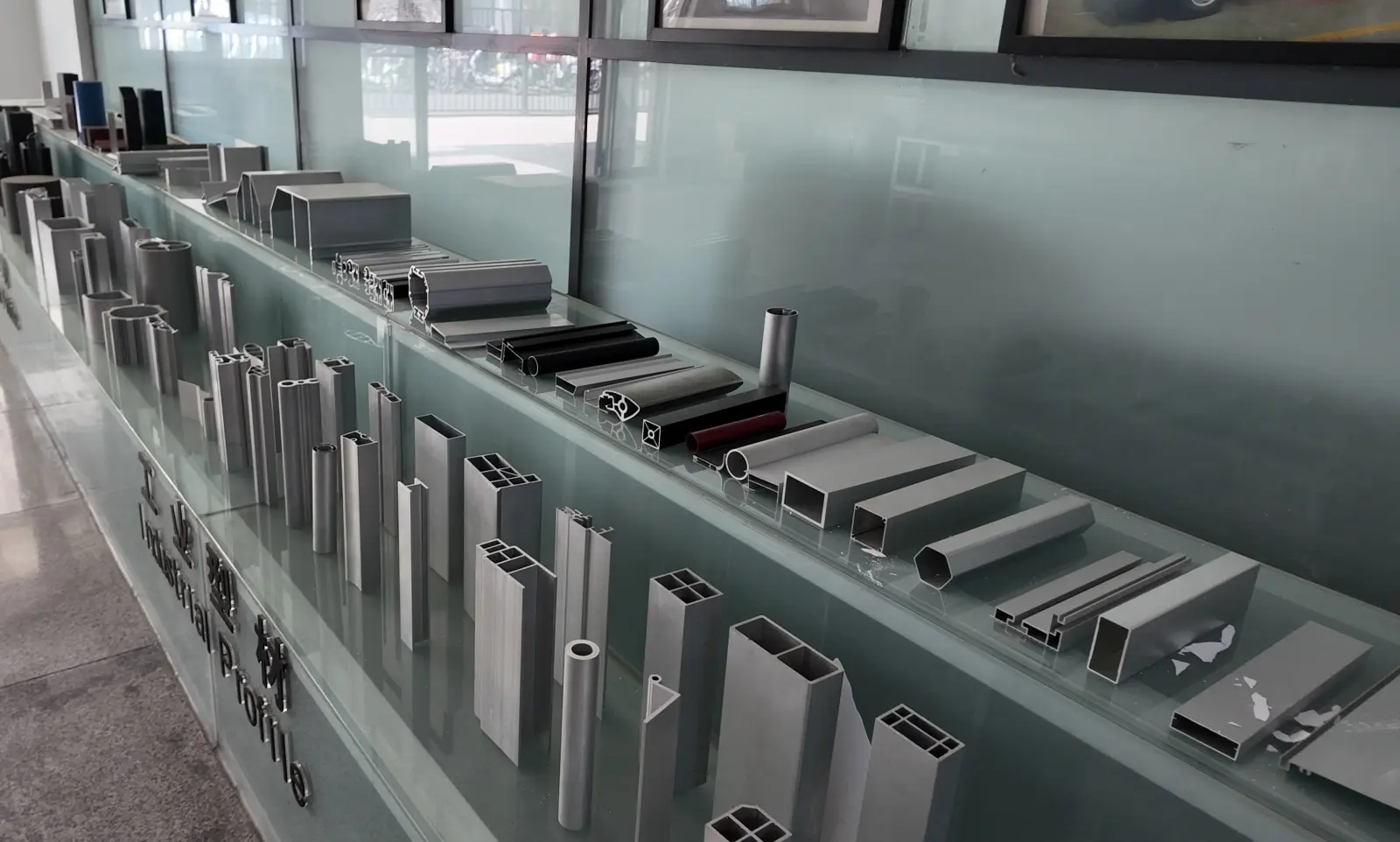
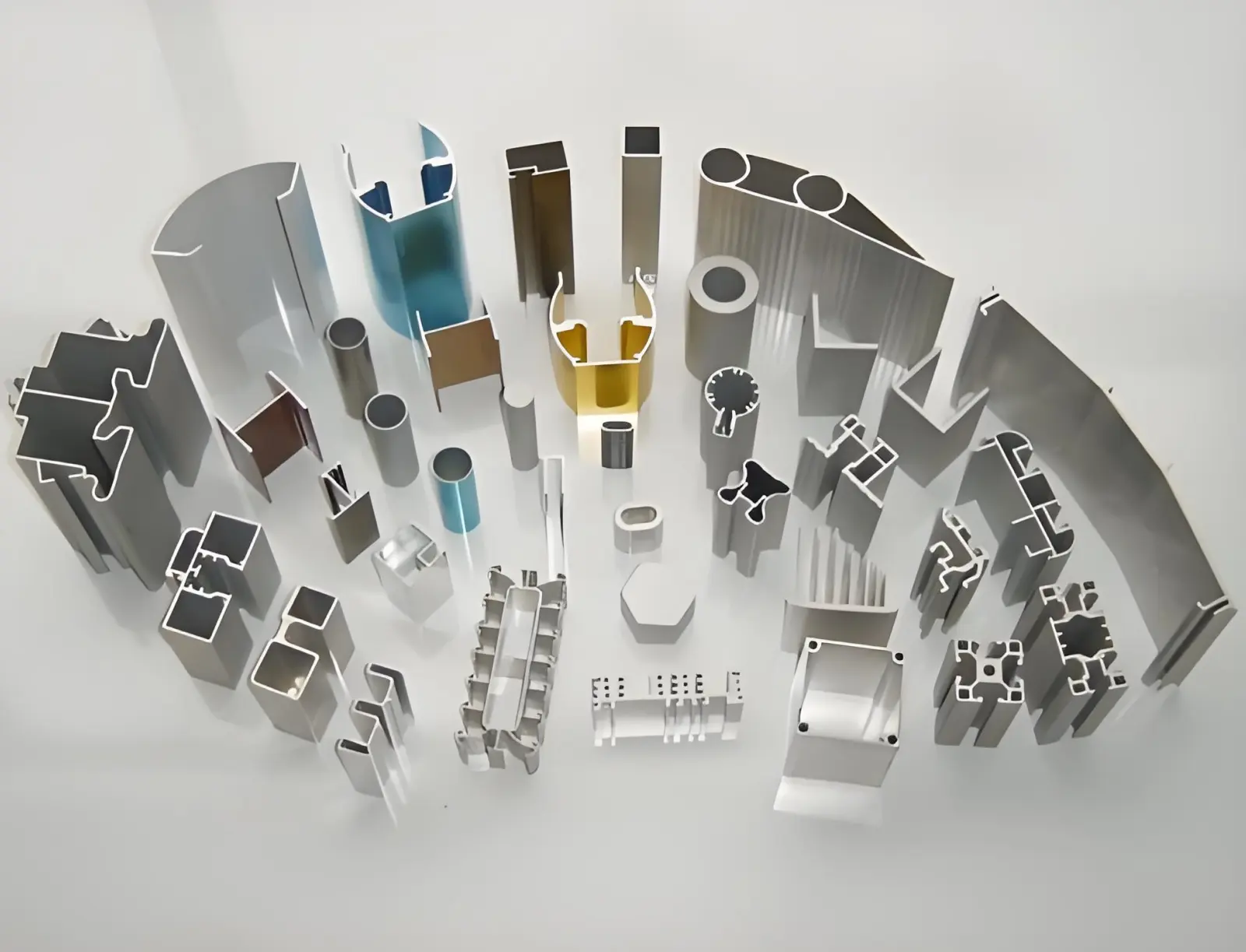
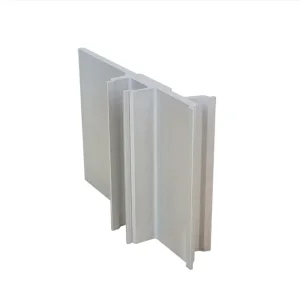
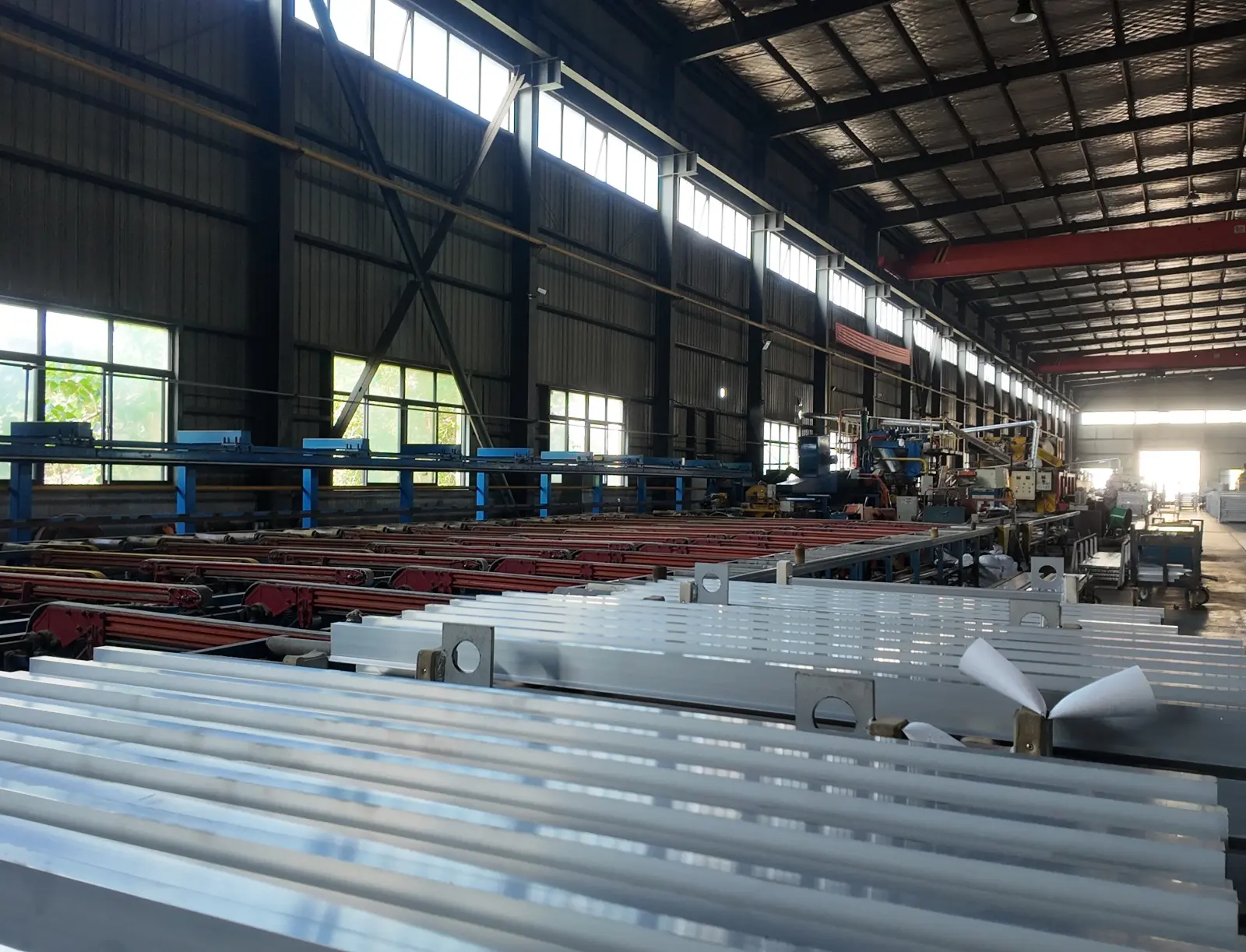
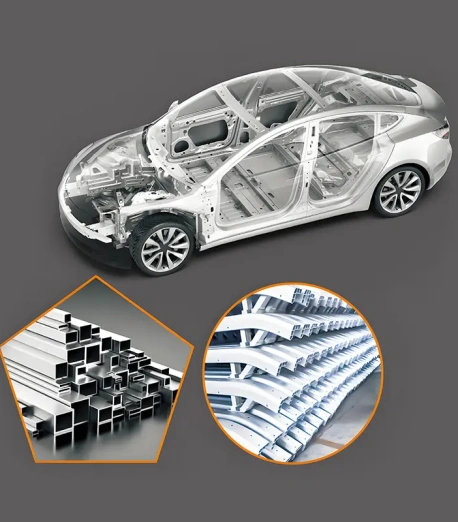
This whitepaper examines the role of precision aluminum alloy profiles (specifically 6000-series alloys, including 6063-T5, 6061-T6, and 6082-T6) in modernizing Ethiopia’s industrial layout. Traditional structural materials like steel are increasingly replaced by extruded aluminum due to its superior strength-to-weight ratio, intrinsic corrosion resistance, minimal maintenance requirements, and rapid, weld-free assembly potentials.
“As Ethiopia positions itself as a dominant economic force in East Africa, transition towards high-performance aluminum extrusions is key to accelerating modular infrastructure and lowering operational maintenance overhead.”
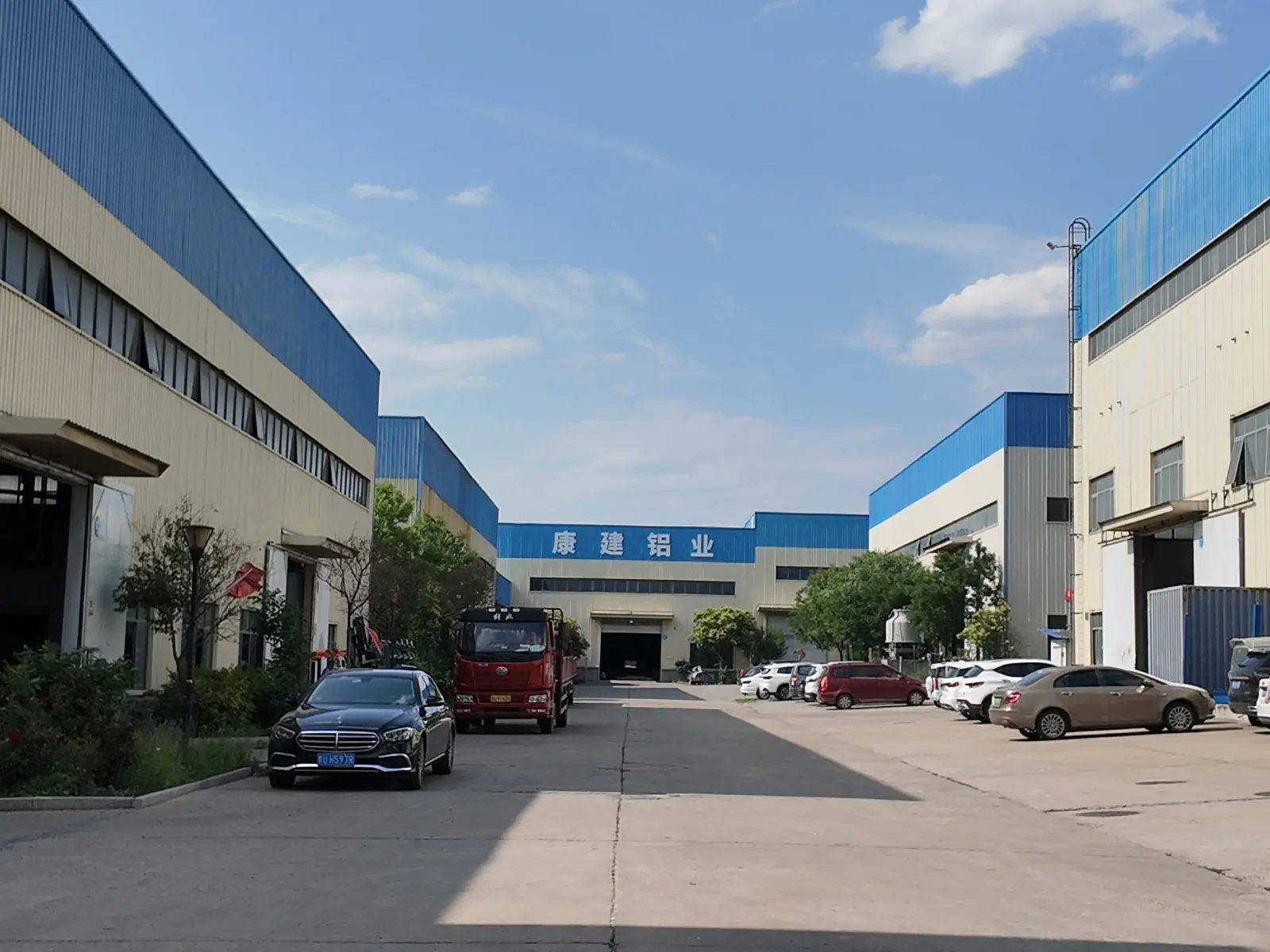
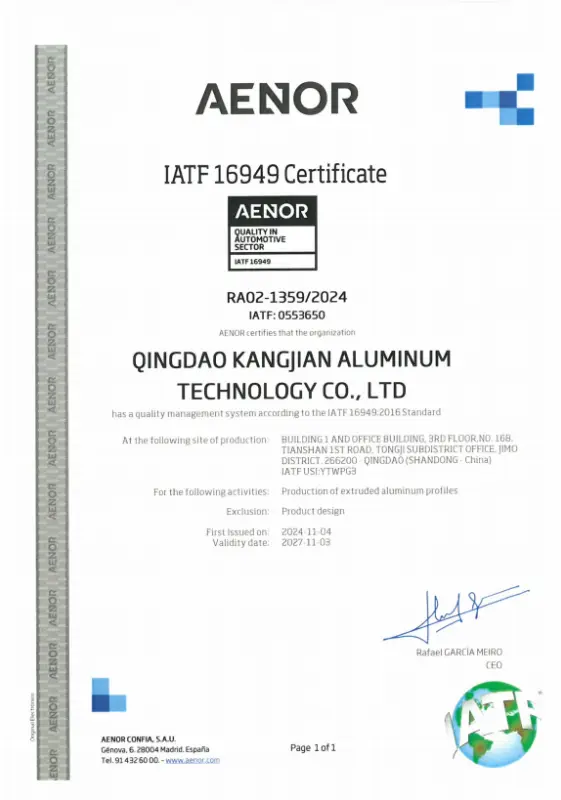
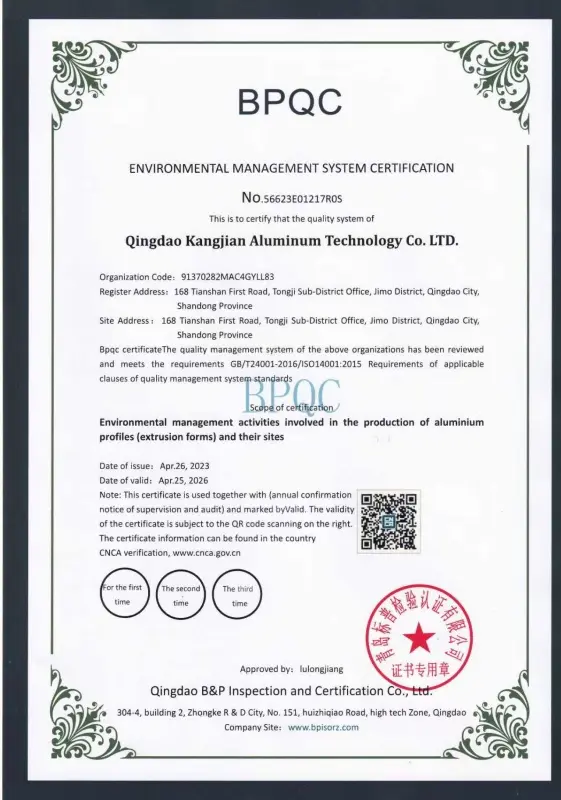
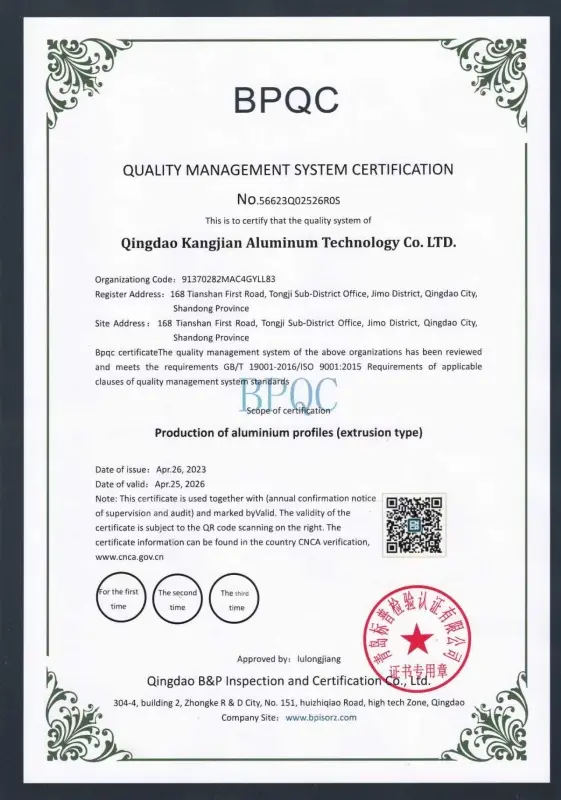
With the commissioning of the Ethio-Djibouti Railway, the logistics corridor connecting the port of Djibouti to inland dry ports like Modjo and Gelan has dramatically shortened transport times. Leveraging this trade route, Chinese extrusion suppliers like Qingdao Kangjian Aluminum provide a direct supply of certified, premium-grade profiles, bridging the gap between raw manufacturing capacities and localized installation needs.
 Kangjian