 Kangjian
Kangjian
Kangjian
Engineered for immediate integration into high-load mechanical frame systems, material-handling pathways, and industrial automation networks in key production hubs across Tokyo, Osaka, and Nagoya.
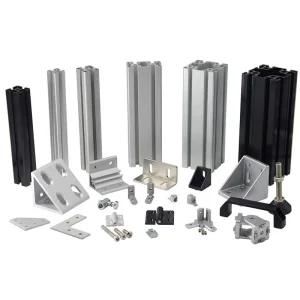
Heavy-duty aluminum alloy extrusion framing profiles optimized for structural machinery mounts and automated assembly systems requiring tight dimension tolerance structures.
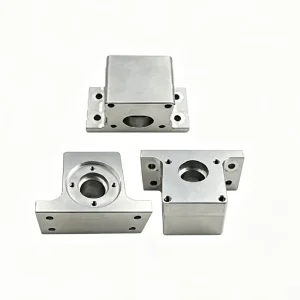
Custom milled and drilled extrusion profiles featuring micro-tolerance setups, ready for immediate installation into robotic structural frames and packaging lines.
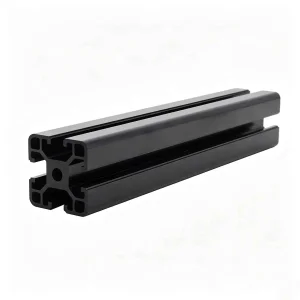
Corrosion-resistant anodized T-slot aluminum configurations, conforming to strict surface finish and dimensional criteria required by Japanese logistics warehouses.
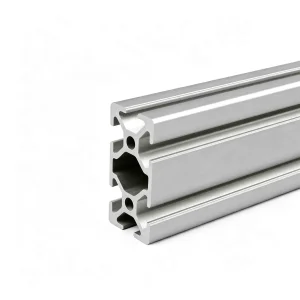
Precision modular T-slot extruded structures developed for rapid deployment of modular enclosures, safety guarding, and custom workbench framing lines.
A detailed analysis of Japan's structural aluminum demand, local specification challenges, and custom machining requirements.
The Japanese industrial manufacturing framework is undergoing a shift toward high-precision automation, green infrastructure integration, and structural lightweighting. Driven by initiatives such as Society 5.0 and stringent carbon neutrality targets, Japanese original equipment manufacturers (OEMs) and engineering companies are replacing heavy steel structures with modular, high-strength aluminum profiles. The demand spans key industrial sectors including factory automation (FA), cleanrooms for semiconductor processing, rapid-transit rail vehicle structural components, and photovoltaic framing networks.
In automated factories across Japan, from major automotive assembly lines in Toyota City to electronics factories in Osaka, extruded aluminum profiles serve as the fundamental structural base. These profiles need to conform to precise Japanese Industrial Standards (JIS H4100 series) and offer reliable mechanical performance, consistent dimensional stability, and high surface finish quality to withstand dynamic cycles and prevent process contamination.
For Japanese procurement engineers, understanding how international extrusion standards translate to domestic requirements is critical for ensuring component compliance and structural safety. The table below outlines the comparative criteria between China's national standards (GB/T) and the Japanese Industrial Standards (JIS) for common aluminum alloys utilized in mechanical engineering and structural design.
| Alloy Designation (GB/T) | Equivalent Standard (JIS) | Minimum Yield Strength (MPa) | Minimum Tensile Strength (MPa) | Elongation (%) | Primary Application in Japan |
|---|---|---|---|---|---|
| 6063-T5 | JIS H4100 A6063S-T5 | ≥ 110 | ≥ 150 | ≥ 8 | Modular framing, cleanroom partitions, bracket rails |
| 6063-T6 | JIS H4100 A6063S-T6 | ≥ 170 | ≥ 205 | ≥ 8 | Load-bearing enclosures, medium-stress mechanical components |
| 6061-T6 | JIS H4100 A6061S-T6 | ≥ 240 | ≥ 260 | ≥ 8 | Robotic arms, structural brackets, high-load frame components |
| 6082-T6 | JIS H4100 A6082S-T6 | ≥ 250 | ≥ 290 | ≥ 6 | Marine fittings, structural rail car components, heavy transport |
Qingdao Kangjian Aluminum Industry Technology Co., Ltd. offers a reliable supply chain partner for Japanese corporations seeking high-quality, cost-efficient aluminum profiles. Our geographical position in Jimo District, Qingdao, provides direct access to Qingdao Port, allowing rapid maritime shipping routes to major Japanese ports such as Tokyo, Yokohama, Nagoya, and Osaka. This proximity ensures shorter lead times and reduced transport costs compared to landlocked domestic manufacturers.
Operating a 200-mu industrial production hub featuring 80,000 square meters of production space, Kangjian houses five advanced extrusion lines (ranging from 700T to 2500T). This setup delivers a production capacity of 15,000 tons annually. Our processes are governed by global quality standards including ISO 9001:2015, ISO 14001:2015, and the automotive-focused IATF 16949 certification, along with specialized welding certifications like EN 15085 and AWS. This comprehensive compliance framework ensures our products meet the technical demands of Japanese industrial clients.
From raw ingot homogenization to custom multi-axis CNC profiling, our production systems are calibrated to deliver clean finishes, close tolerance controls, and mechanical properties required by Japanese engineering firms. By integrating automated extrusion presses with precision cooling tables, we achieve uniform grain structure and consistent temper across complex profiles.
Whether manufacturing structural frames for cleanrooms, high-capacity cable trays, solar mounting systems, or custom components for robotic mechanisms, our technical team works to design profiles that minimize assembly time and eliminate secondary finishing operations.
Request Technical Site Audit Report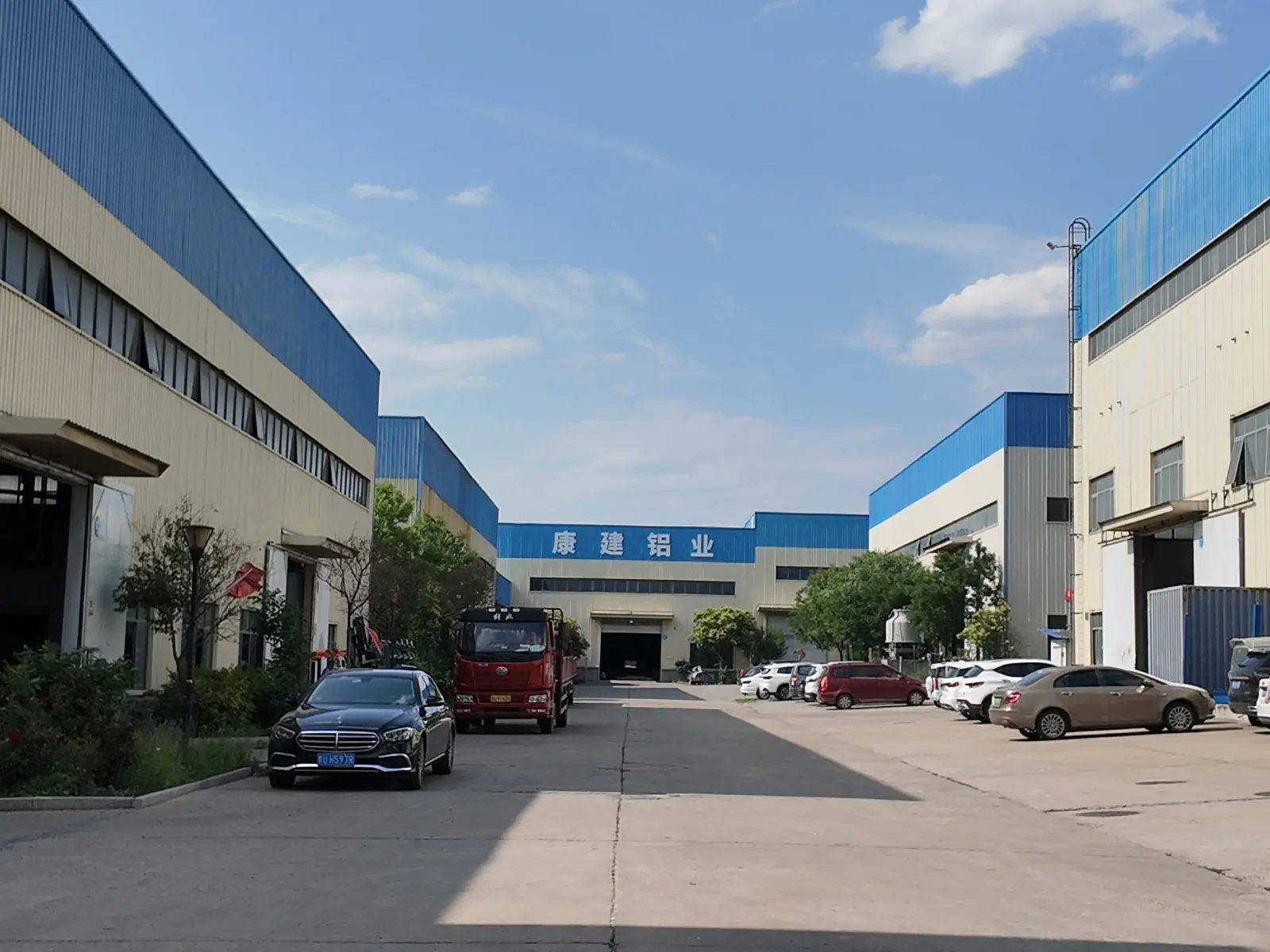
How our aluminum alloy profiles are deployed within Japanese automation, clean energy, and transportation sectors.
Extruded aluminum profiles serve as the foundation for automated guided vehicles (AGVs), multi-axis robotic arm pedestals, and conveyor systems. The use of high-strength 6061-T6 alloys helps reduce system mass, enabling faster acceleration rates and lower energy consumption.
Engineered for solar installations across Japan, our mounting brackets are treated with thick anodized coatings (exceeding 15μm) to resist salt-water corrosion in coastal zones and withstand high snow loads in northern prefectures like Hokkaido.
Certified under international welding standards (EN 15085), we manufacture lightweight profiles for rolling stock interiors and structural frames for electric vehicle battery packs, helping transit systems meet energy efficiency targets.
Detailed answers to technical queries, compliance questions, and logistical details for engineering leads in Japan.
A comprehensive range of high-capacity cable trays, solar structural frames, heavy platform profiles, and precision robotic mountings designed for major projects in Japan.
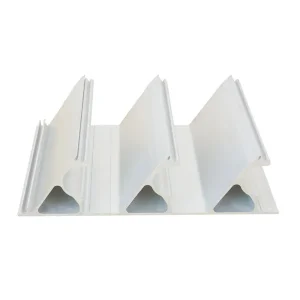
Heavy-wall structural extrusion fittings engineered to resist corrosion and high mechanical stresses in offshore energy and petrochemical installations.
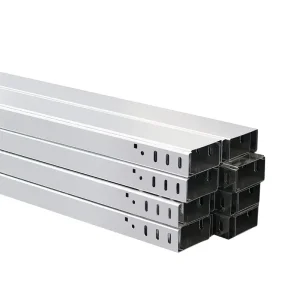
High-strength ladder profiles designed for high-voltage cable containment systems in subways, power plants, and industrial cleanrooms.
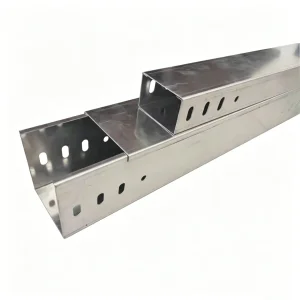
Modular cable ladder parts offering high structural rigidity and corrosion resistance for chemical processing and industrial manufacturing sites.
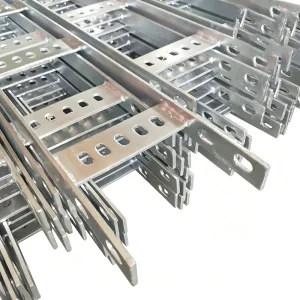
Lightweight building structural components providing high tensile strength and easy assembly for modern commercial construction sites.
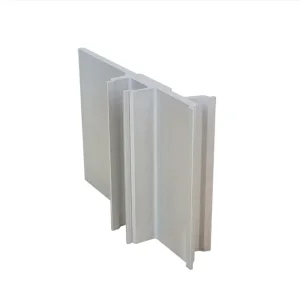
Marine-grade corrosion-resistant structural sections engineered to endure offshore conditions in maritime energy sectors.
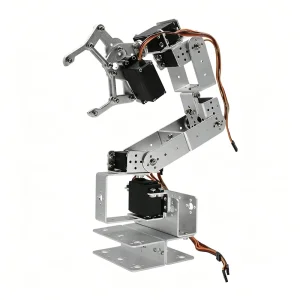
Structural 6061 alloy mounts designed to support high static and dynamic forces in multi-axis industrial robots.
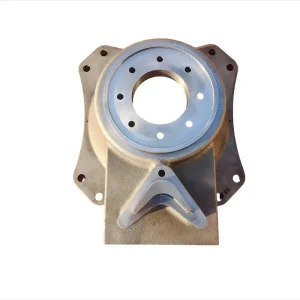
Lightweight structural profiles optimized for robotic arms to reduce inertia and improve speed, accuracy, and cycle times.
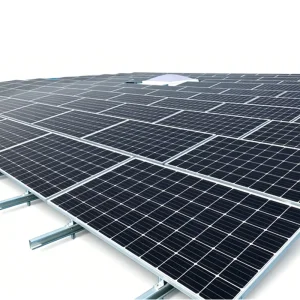
Anodized framing components engineered for solar installations, with resistance to mechanical loading, wind, and corrosion.
Partner with Qingdao Kangjian Aluminum to access precision extrusion capabilities, strict quality assurance, and streamlined logistics options.
Send Inquiry Now