 Kangjian
Kangjian
Kangjian
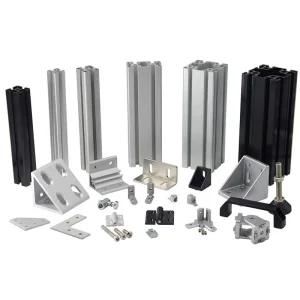
Heavy-duty 6000-series alloy structural components specialized for high-strength requirements in Russian automated production and manufacturing corridors.
Learn More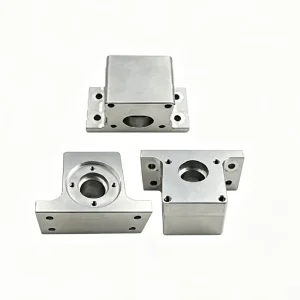
Milled, drilled, and tapped precision connector blocks and fittings for heavy machine frames with tolerance limits up to ±0.05 mm.
Learn More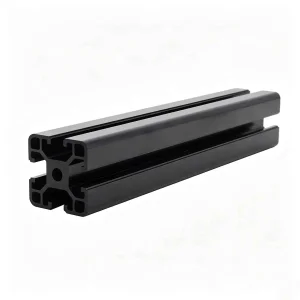
Corrosion-resistant matte silver anodized T-slot profiles suitable for structural frames, cleanroom enclosures, and material handling systems.
Learn More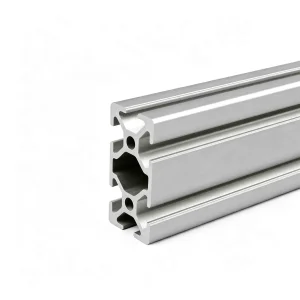
Standard and custom configuration heavy structural aluminum profiles offering modular construction and simple fast installation capabilities.
Learn MoreRussia's current industrial transformation relies heavily on the integration of high-performance light metal alloys. Key sectors including heavy machinery manufacturing, automated railway logistics, automotive assembly localization, and deep-well exploration in Siberian and Arctic environments require aluminum structural profiles that go beyond standard construction-grade profiles.
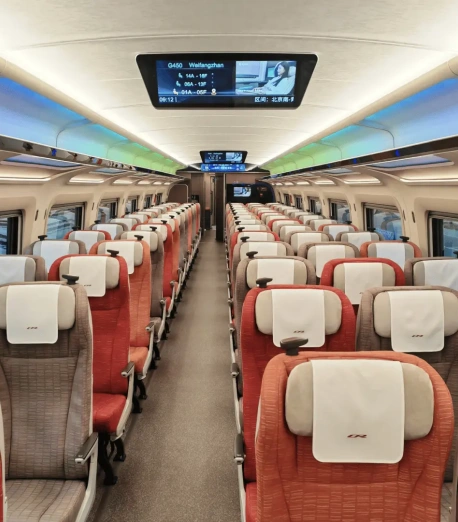
Modernization within Russia's transportation network is experiencing rapid growth. Development of lightweight rolling stock for Russian Railways (RZD), such as high-speed suburban EMUs, metro carriages, and heavy-duty logistics freight trains, has shifted demands toward heavy structural extrusions. High-integrity profiles built from 6005A-T6 and 6082-T6 alloys provide critical weight reduction, improving energy efficiency while maintaining high mechanical resistance under heavy load vibrations.
Concurrently, the expansion of oil and gas exploration in Northern Russia demands infrastructure capable of withstanding sub-zero environments without cracking. Cryogenic temperature performance is a natural physical attribute of aluminum alloys, which do not experience ductile-to-brittle transitions at temperatures as low as -60°C. Standard steel counterparts can become brittle and fracture under identical situations. Our specialized oil drilling platform fittings and power cable tray structures deliver corrosion protection and safety under these arctic operational environments.
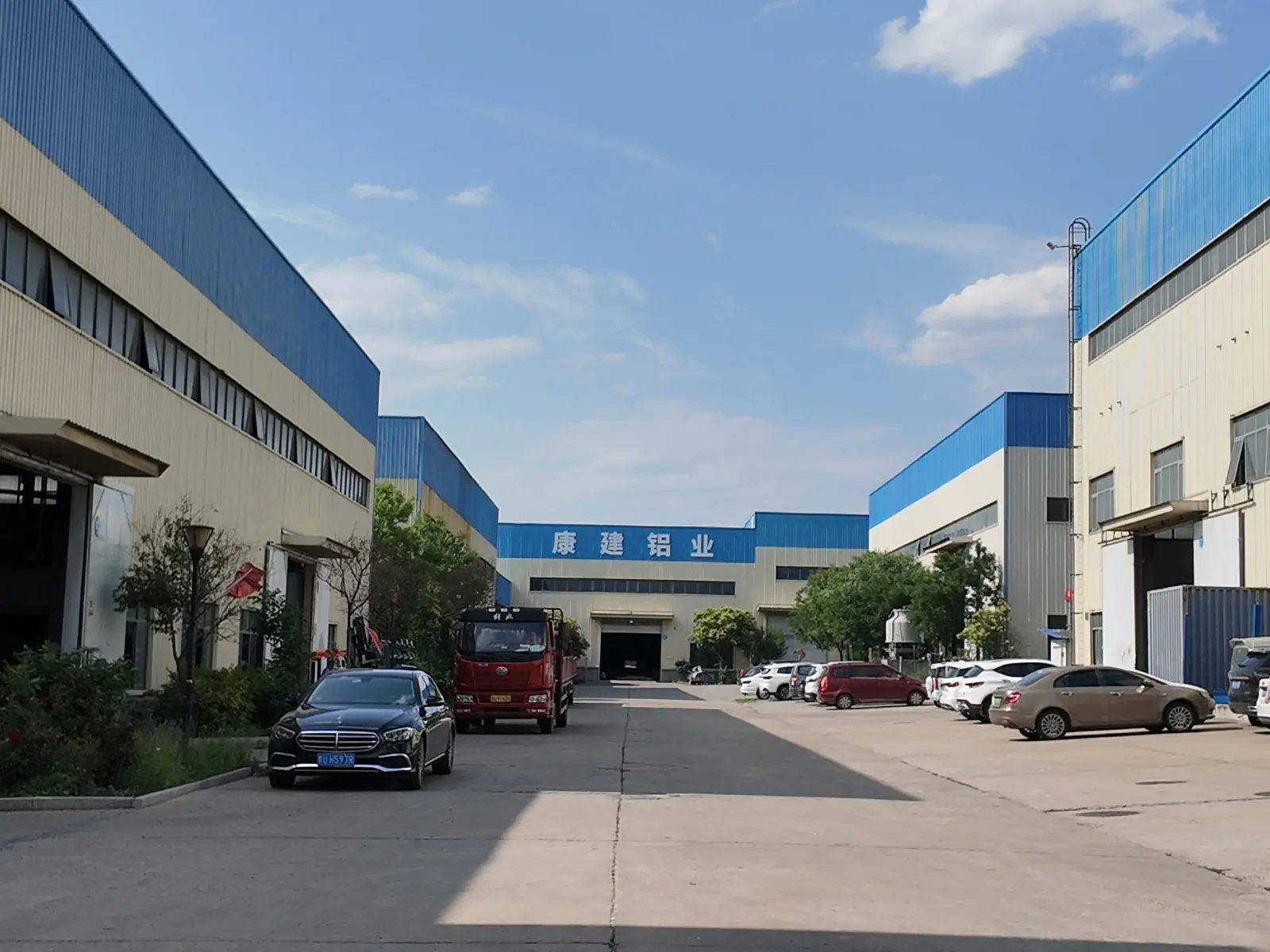
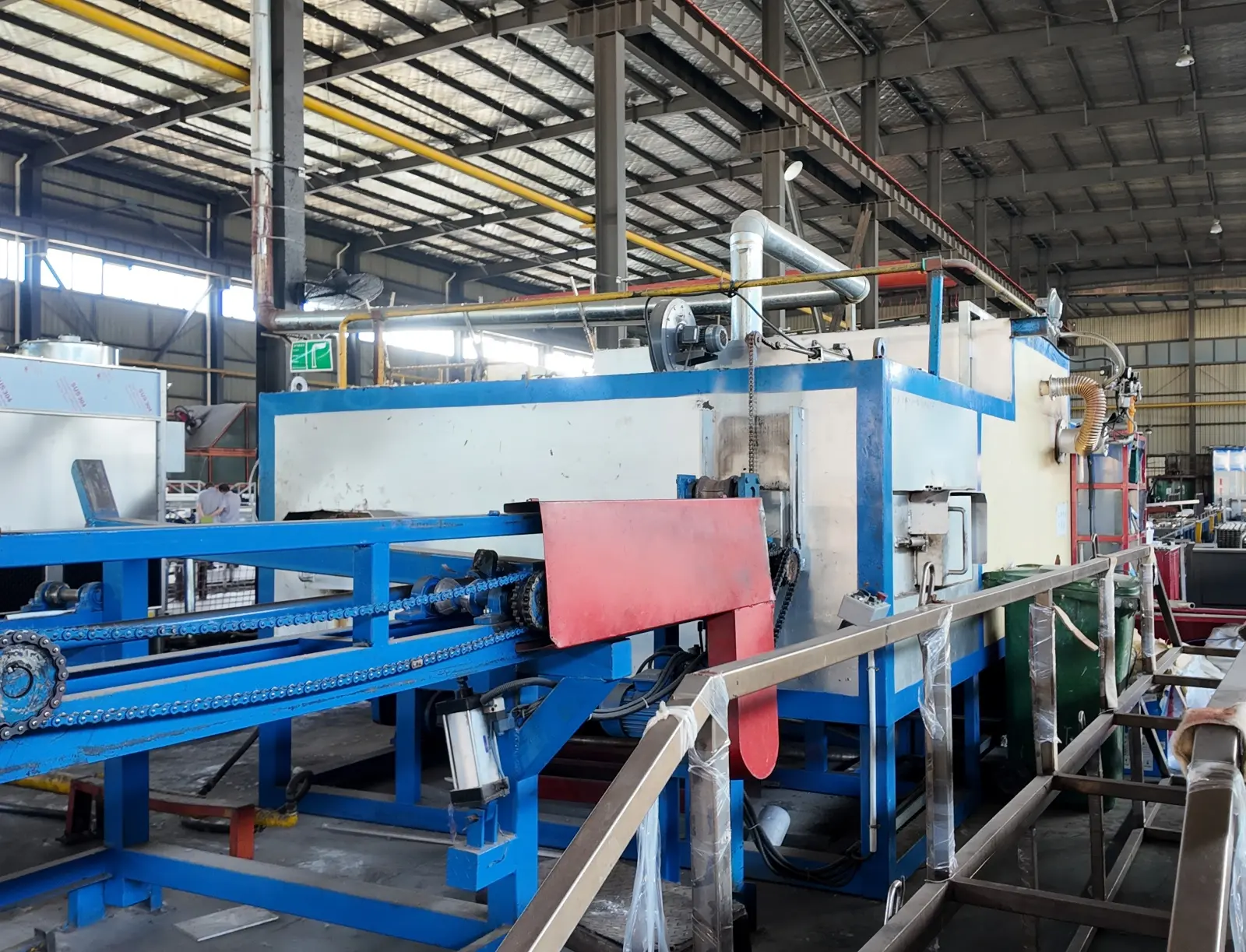
Located in the Jimo District of Qingdao City, Qingdao Kangjian Aluminum Industry Technology Co., Ltd. (established in 2022) is one of the region's largest aluminum profile manufacturers. Spanning an industrial production base of 200 mu with 80,000 square meters of factory space, our facilities house an annual output of 15,000 tons of high-precision aluminum profiles. We operate five extrusion production lines, comprising:
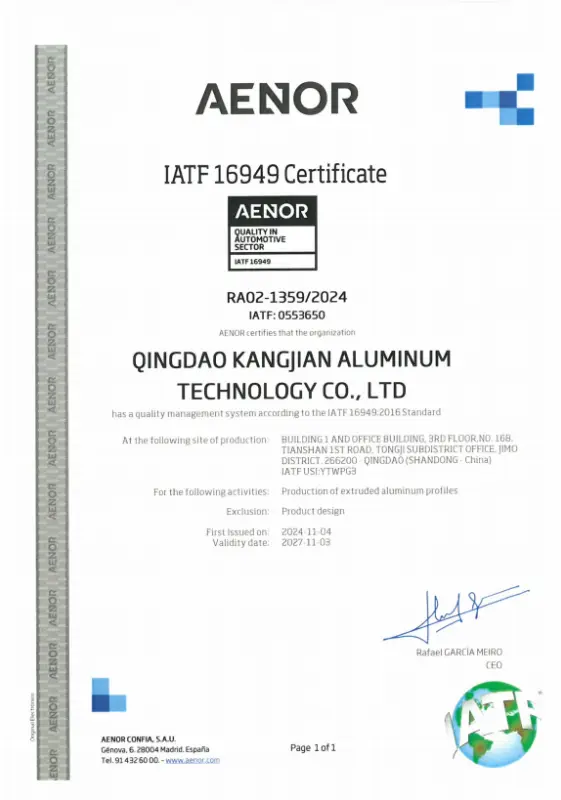
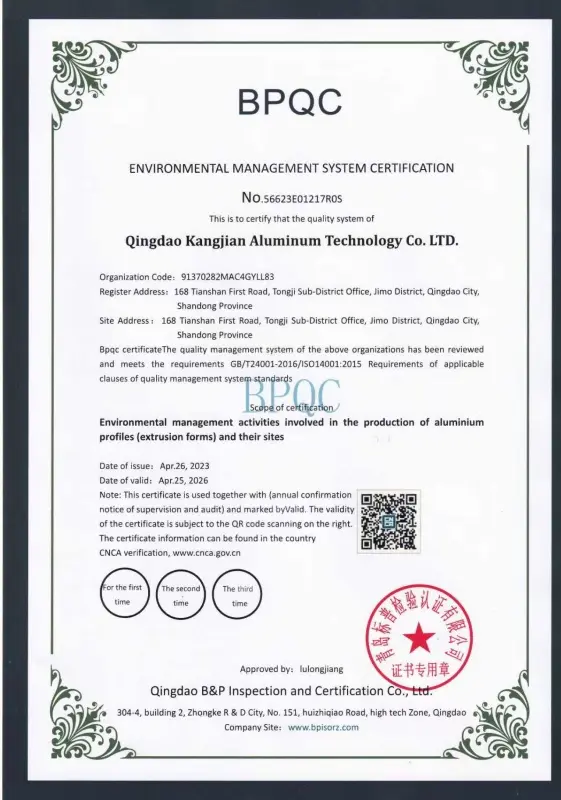
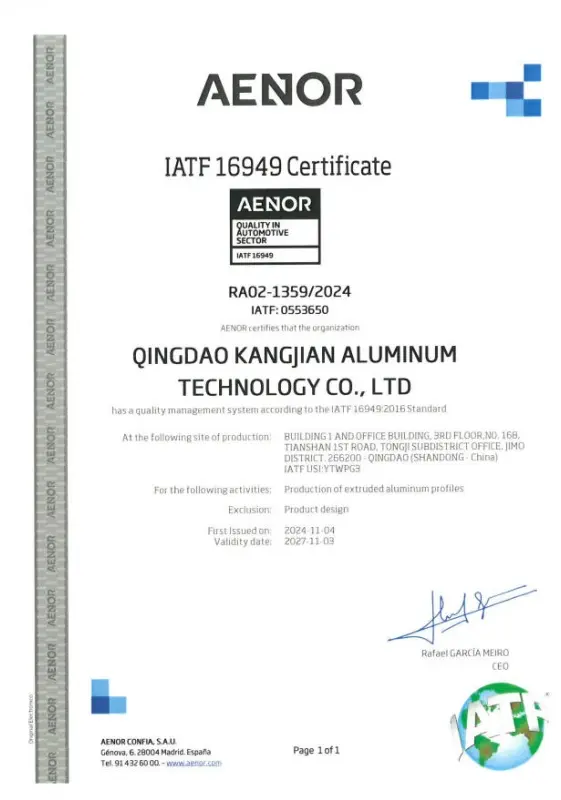
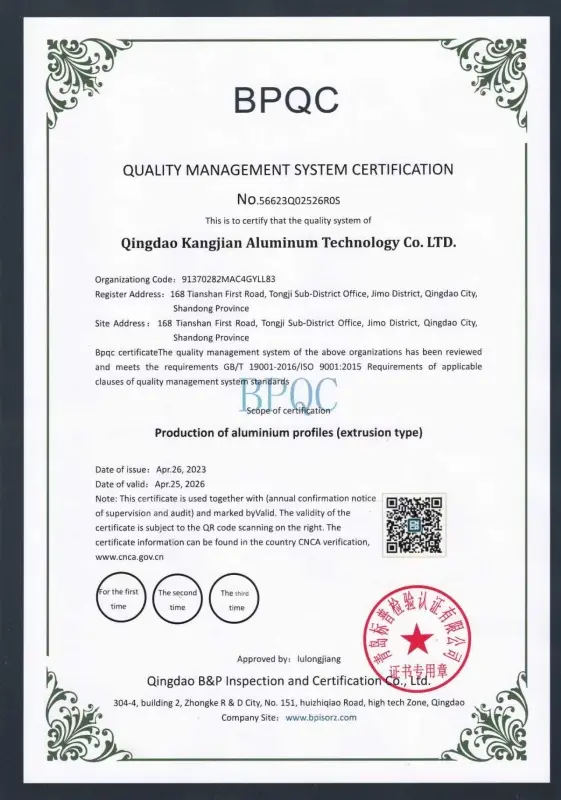
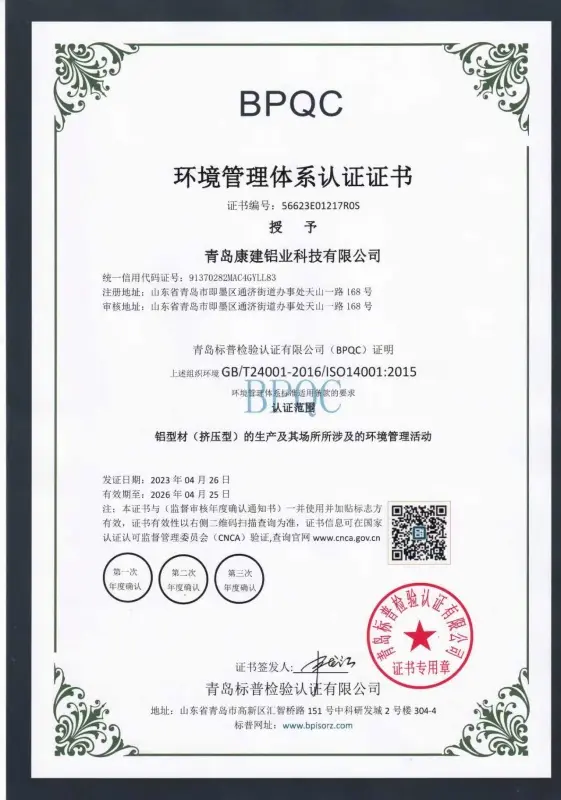
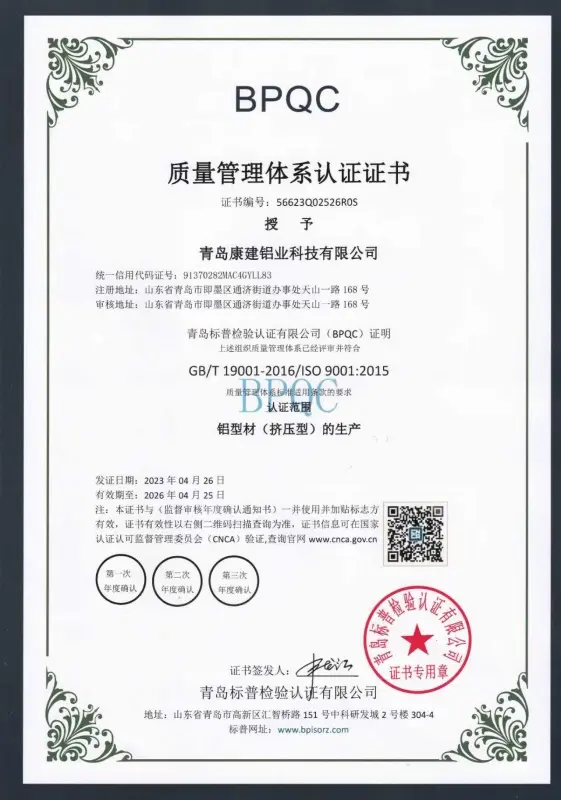
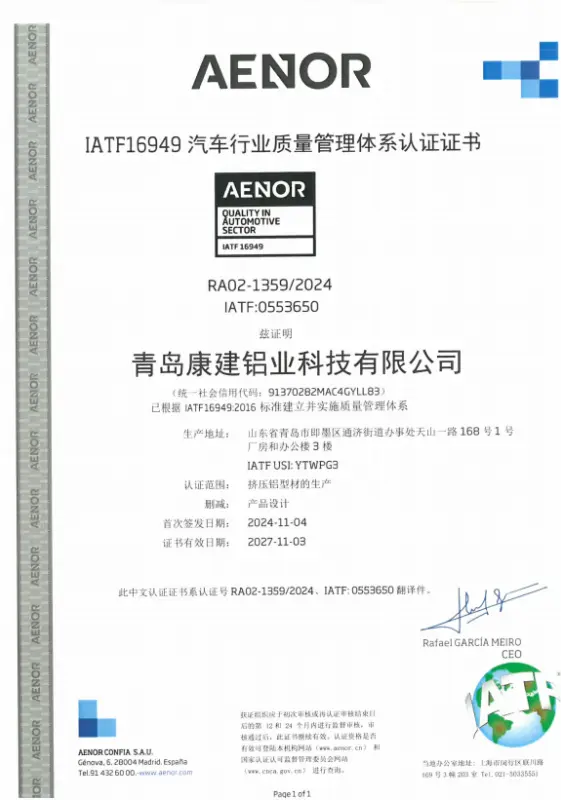
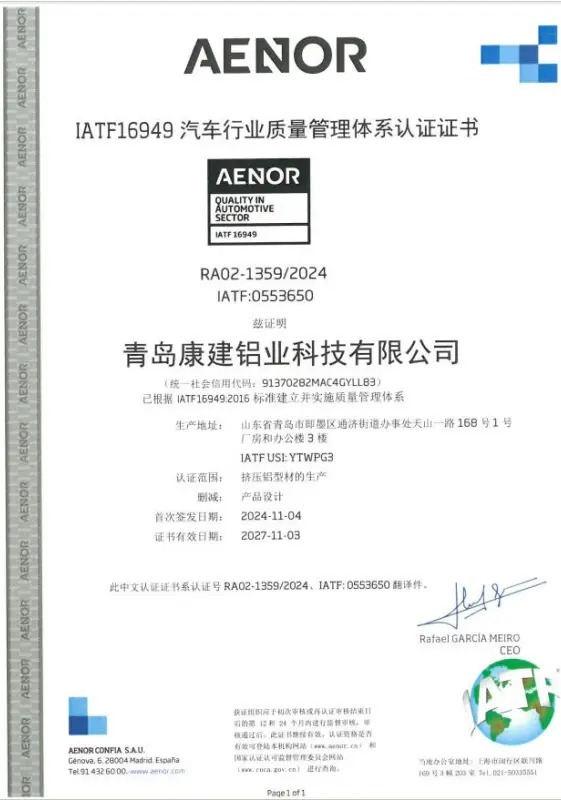
Our Quality Management System meets international compliance standards. We have obtained certifications including: GB/T19001-2016/ISO9001, GB/T24001-2016/ISO14001, IATF16949 (Automotive Quality Management), ISO22163 (Railway Quality Management), EN15085 (Welding of Railway Vehicles), ISO3834 (Fusion Welding of Metallic Materials), AWS (American Welding Society Standard), and DIN6701 (Adhesive Bonding in Rail Vehicles). These certifications support our capacity to deliver high-quality, customized extrusions to Russia, South Korea, Japan, the United States, and European markets.
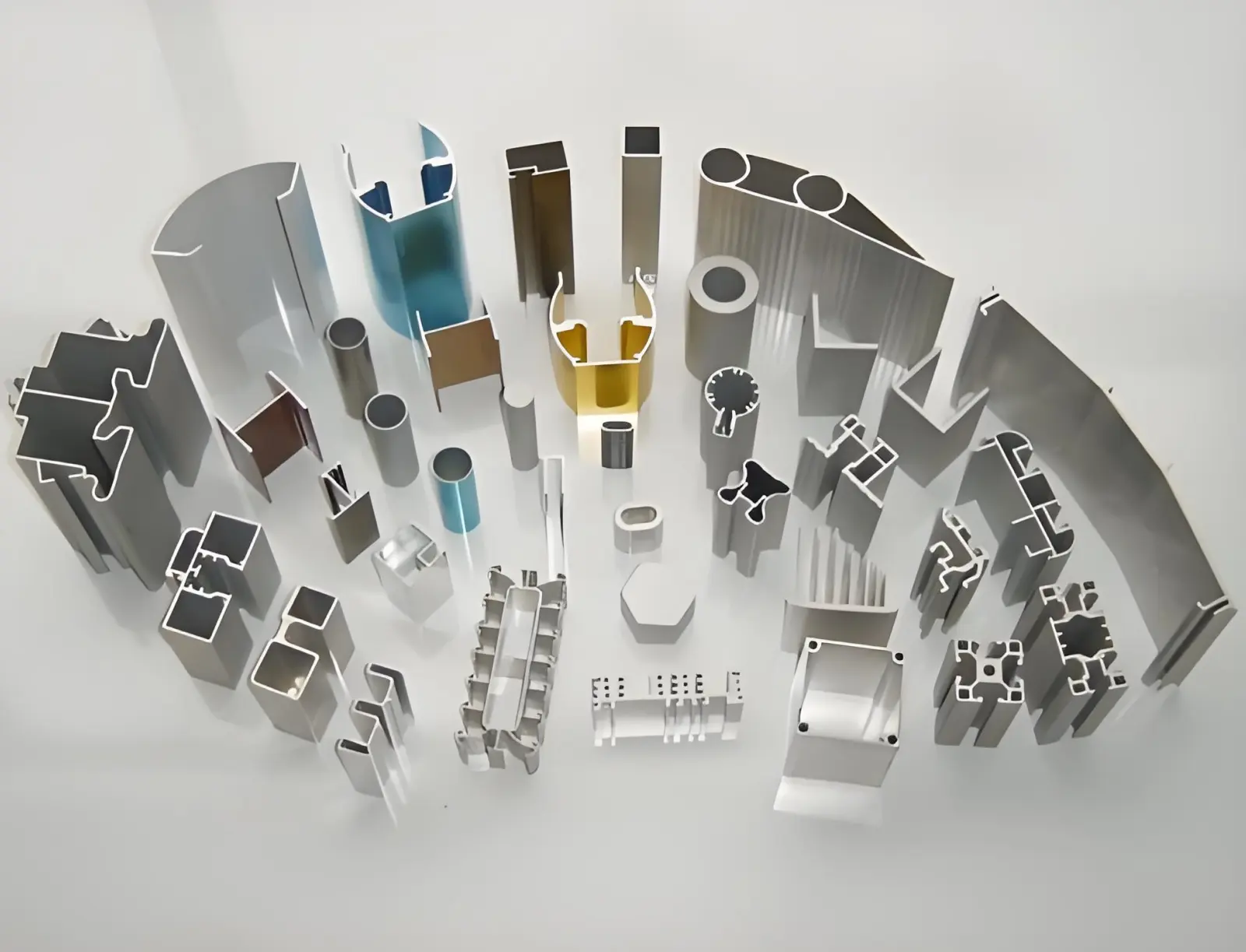
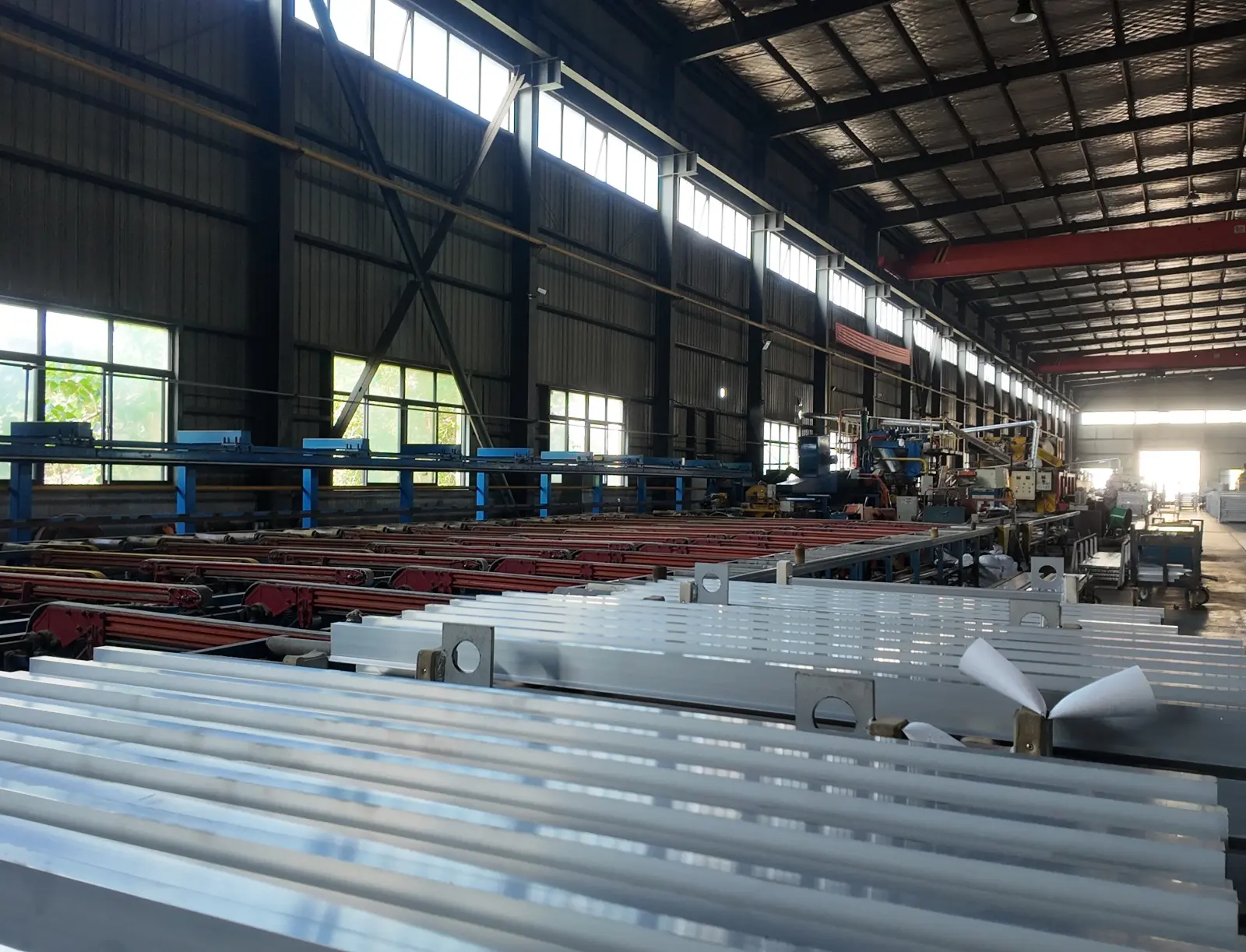
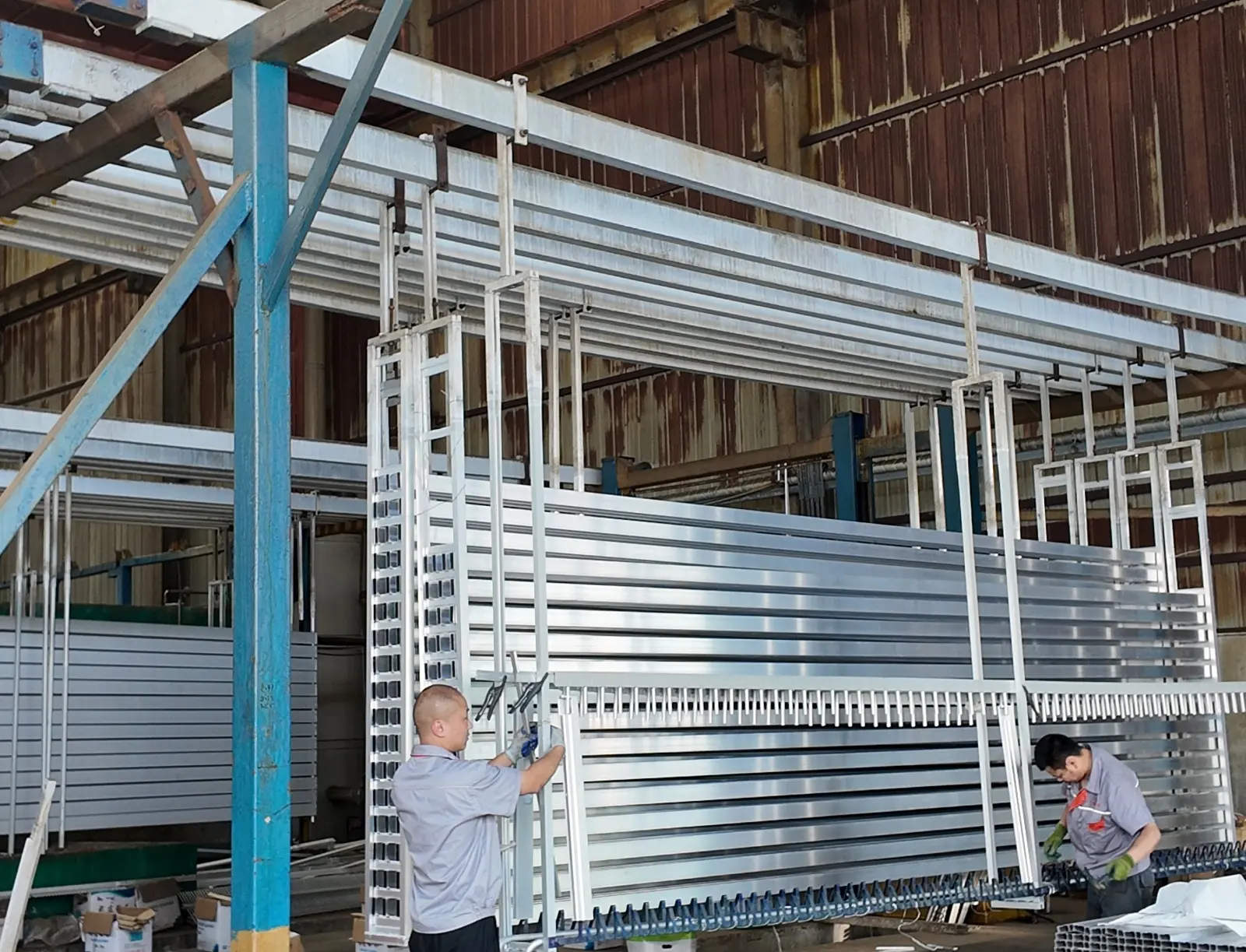
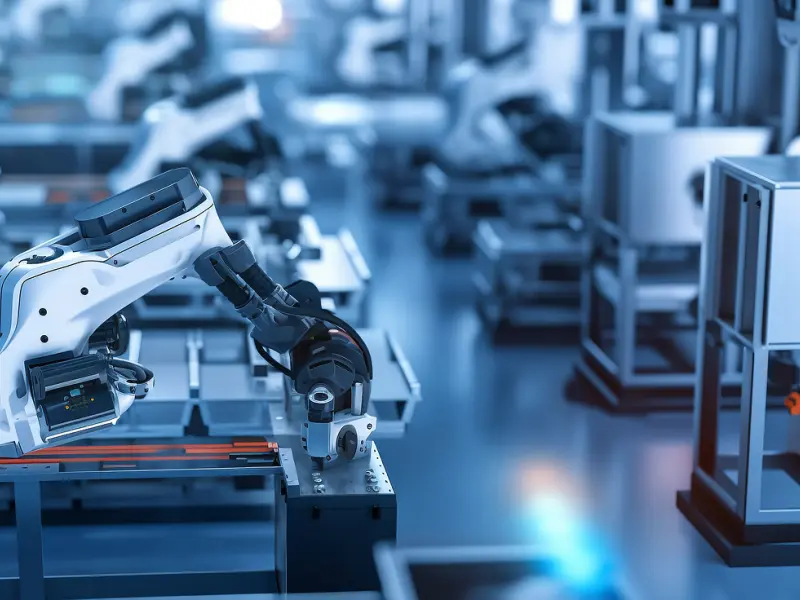
Structural framing components optimized for automation, structural gantries, and material handling systems requiring high structural yield strength.
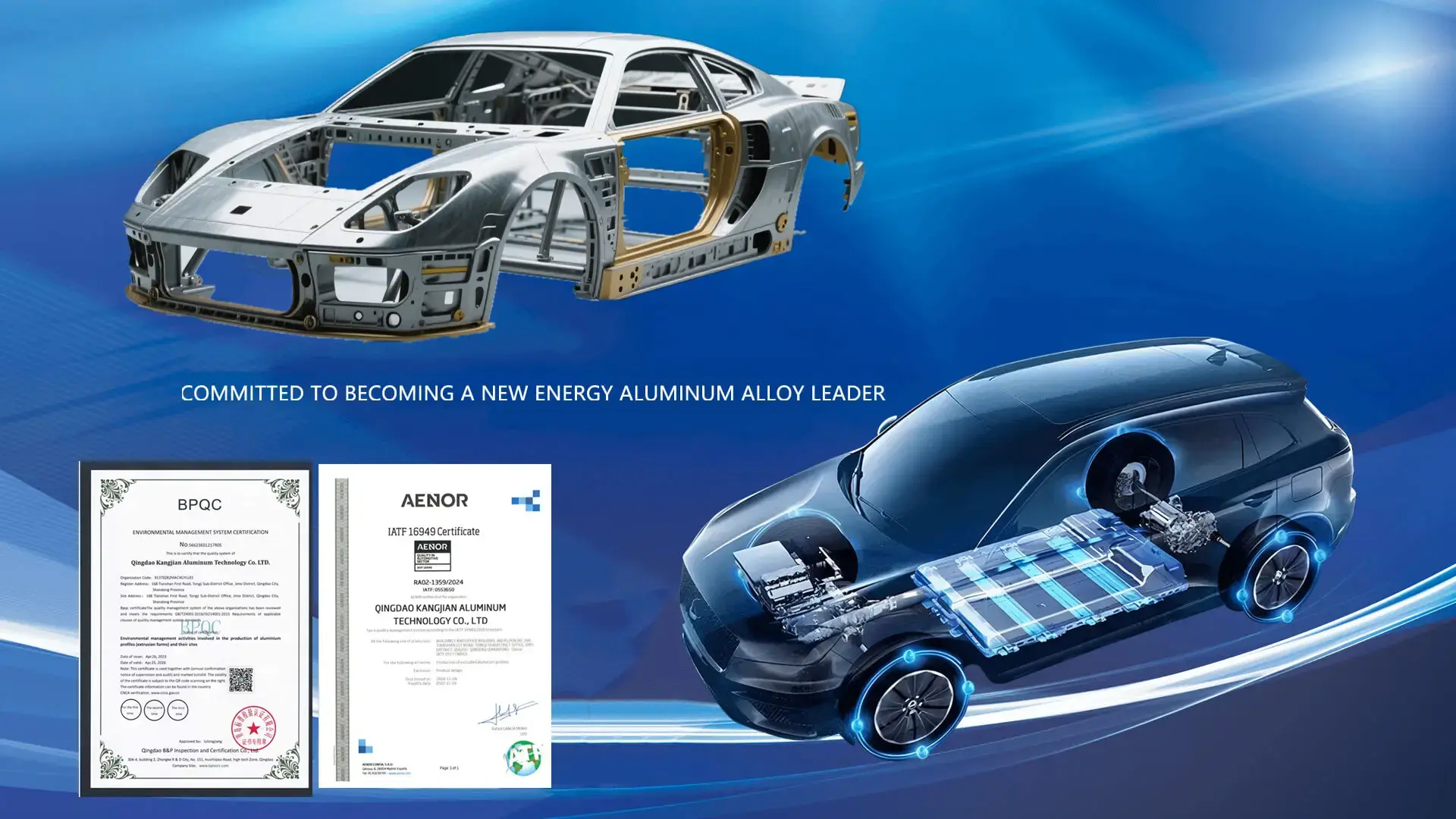
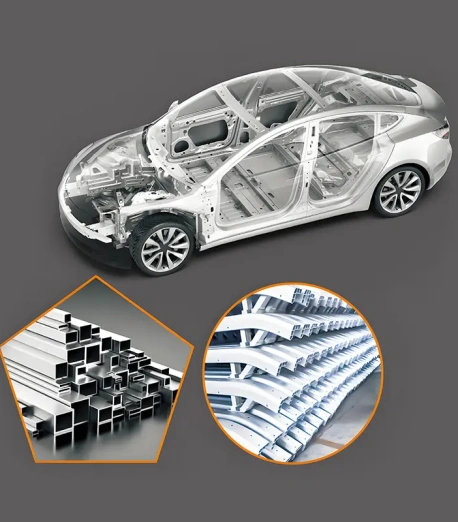
IATF 16949 certified bumper beams, battery pack structural frames, and side impact components supporting localization initiatives in Russian automotive assembly plants.
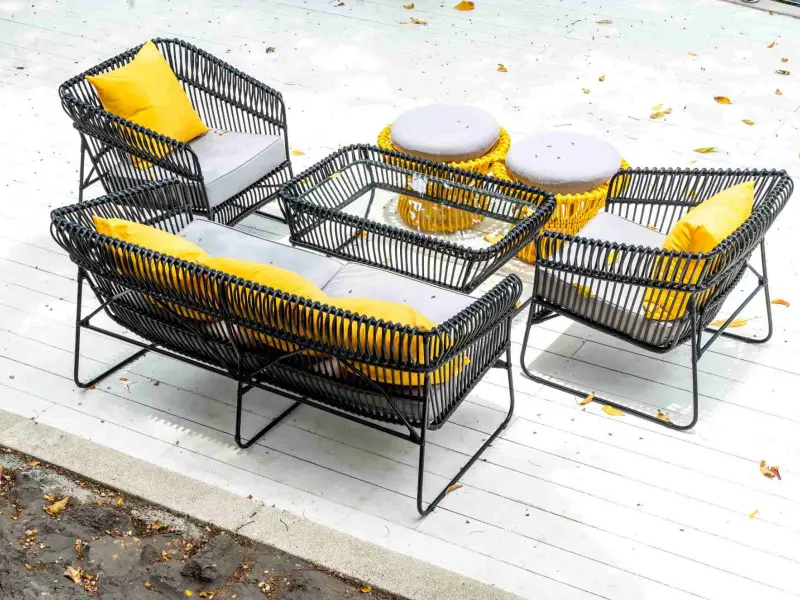
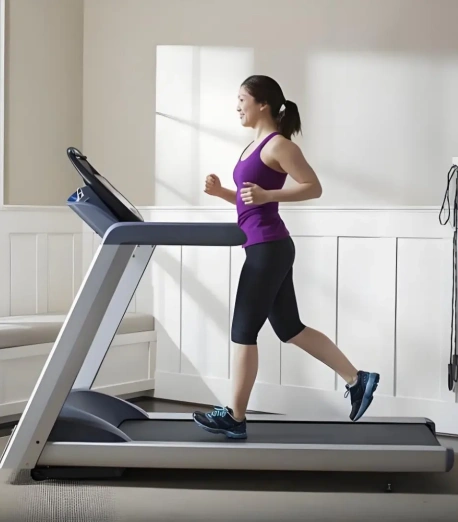
Anodized and powder-coated profiles designed to withstand extreme temperature cycling and humidity without surface degradation.
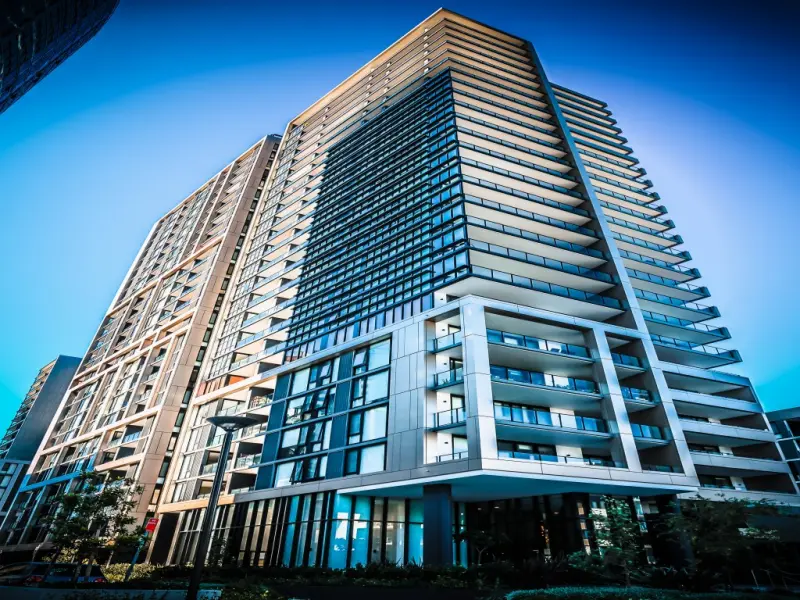
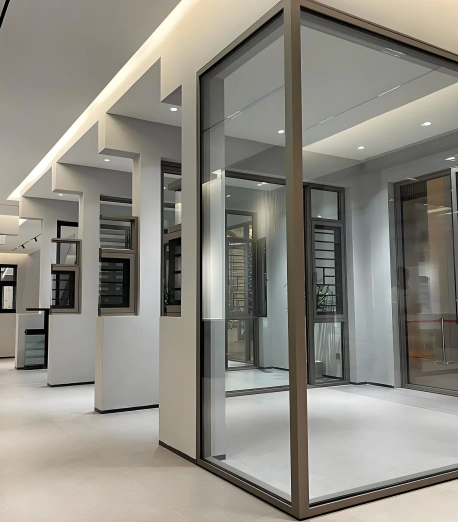
Structural curtain wall profiles and thermal-break window framing that conform to GOST 22233 energy efficiency requirements in commercial constructions.
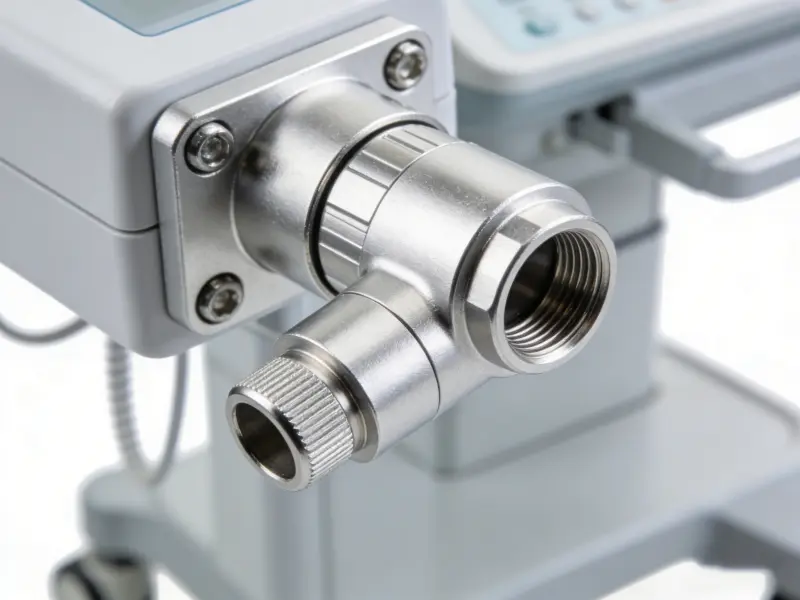
Precisely machined, lightweight profiles engineered with tight geometric tolerances for medical equipment frames and operating room structures.
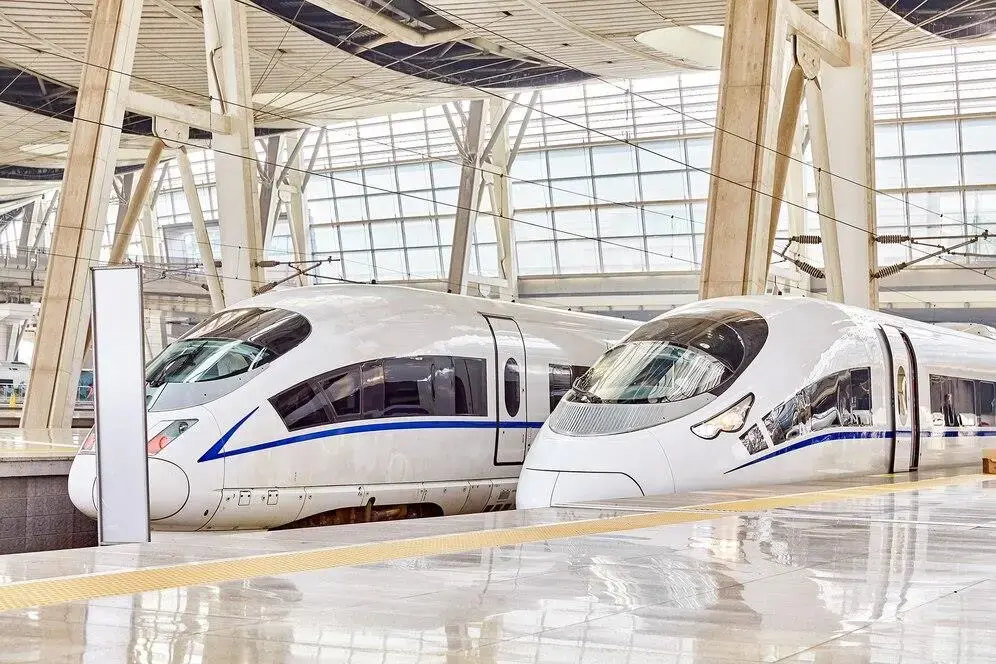
ISO 22163 and EN 15085 compliant profiles for high-speed railways, metro transit, and heavy container truck platforms.
Established on the coast of the Yellow Sea in Qingdao, Kangjian Aluminum was founded to deliver high-end aluminum extrusion capabilities to international markets. Benefitting from proximity to Qingdao's major deepwater ports, our logistics pipeline is structured to support heavy commercial trade.
“Producing high-end aluminum materials and serving global customers” is our core manufacturing standard. Our industrial extrusions are used globally, from gantry cranes in Nordic ports to heavy sub-zero mining operations. We oversee production from the initial ingot metallurgy phase through to final CNC machining, assuring consistent product performance.

We work closely with structural engineers and supply chain managers in Russia to match GOST structural standards with Chinese alloy equivalencies. Our project engineers evaluate material performance criteria, including wind loads, seismic limits, and low-temperature impact strength, to ensure proper alloy selection for regional projects.
Structural frame sections engineered for utility-scale solar installations in regions with high snow loads.
Learn More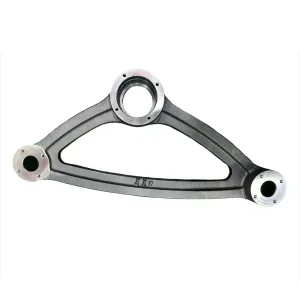
Lightweight, CNC machined 6061-T6 mechanical link arms for automated industrial assembly lines.
Learn More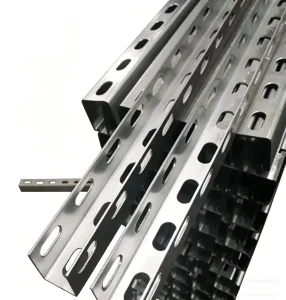
Highly anodized AL6005-T5 profiles offering resistance to atmospheric corrosion for outdoor mounting systems.
Learn More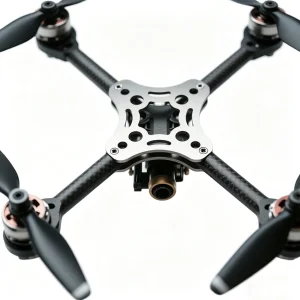
Ultra-lightweight structural frames milled for aerospace and industrial remote monitoring platforms.
Learn MoreIndustrial applications in Russia require careful consideration of alloy chemistry and temper designations. In temperatures below zero, common carbon steel undergoes a transition to brittleness, presenting risk of catastrophic failure under dynamic loads. Aluminum alloys with Face-Centered Cubic (FCC) crystal structures retain ductility, impact toughness, and mechanical integrity even down to cryogenic levels (-196°C).
For heavy industrial frames, railway structures, and mining installations, we use the following structural alloys:
To resist exposure to moisture and road-deicing salts in Russian urban environments, we apply thick anodizing layers (up to 25 microns) or thick polyester powder coatings (up to 80 microns) according to Qualicoat and Qualanod specifications. This protection helps extend the operational lifespan of the profiles, reducing maintenance overheads for infrastructure projects.
We develop specialized extrusion profiles and tooling to match challenging industrial designs, supporting project-specific engineering requirements.
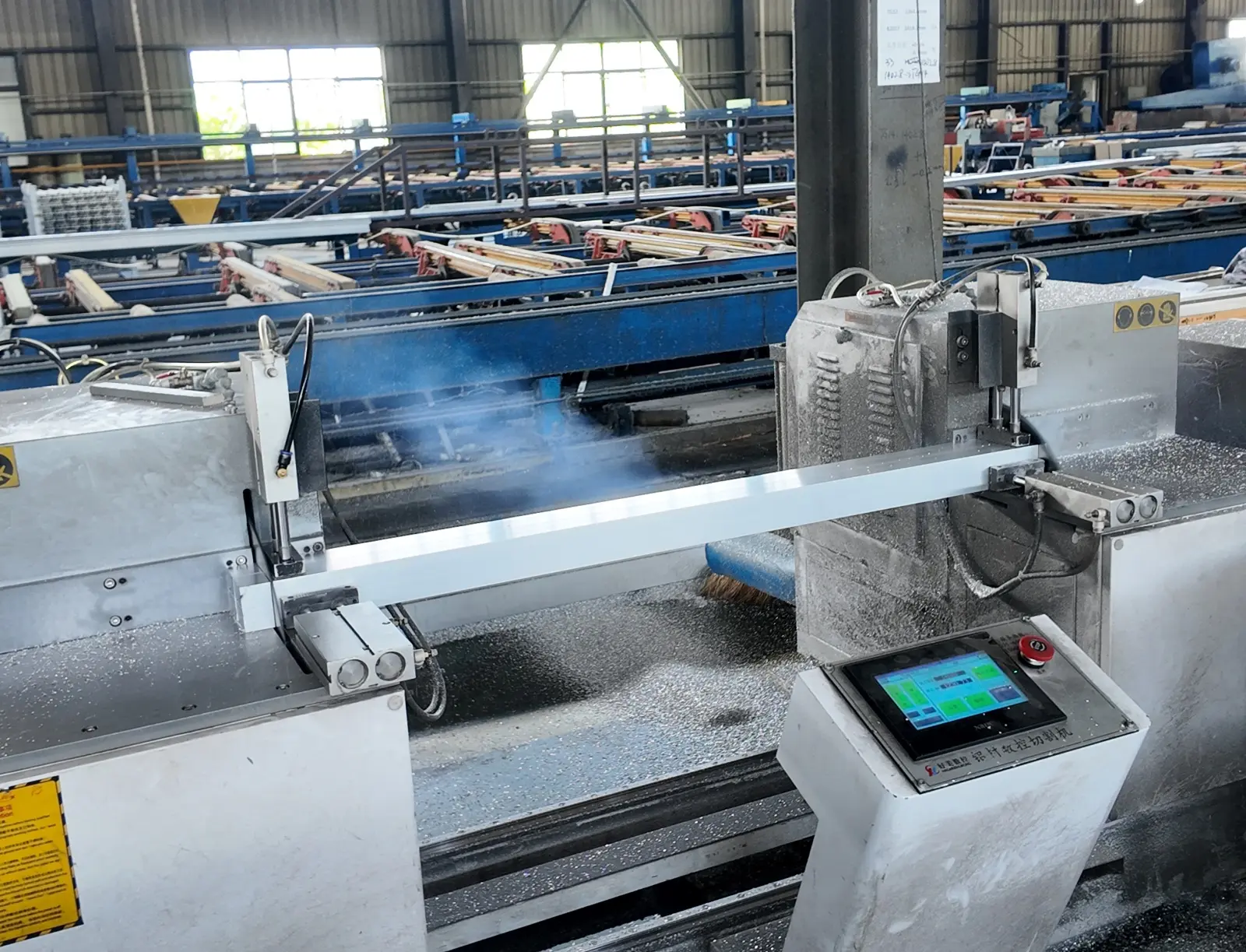
Quality assurance at every stage: from spectrometer composition checks during billet casting to ultrasonic flaw detection in thick-walled profiles.
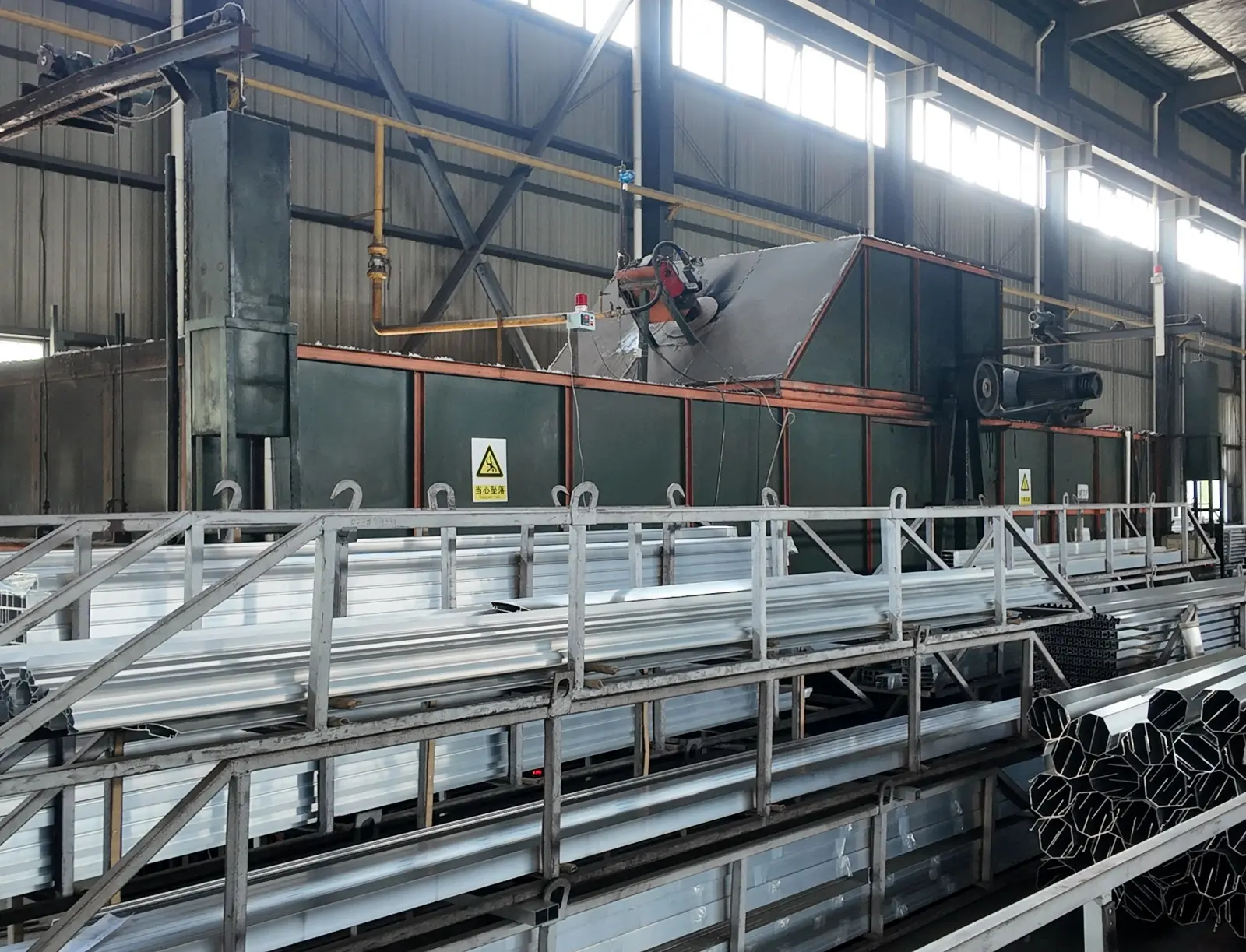
We assist with regional transport documentation, custom HS classifications, and protective packaging suitable for transit across varying climates.
For safety-critical industrial applications, particularly in rail transit and structural frameworks, manufacturing processes must meet international quality controls. Our welding and bonding certifications confirm that our fabricated components can be integrated into high-stress structures without compromise.

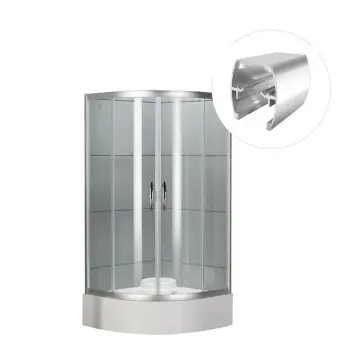
Anodized, water-resistant aluminum profiles designed for high-end residential interior systems in Russian real estate developments.
Get Quote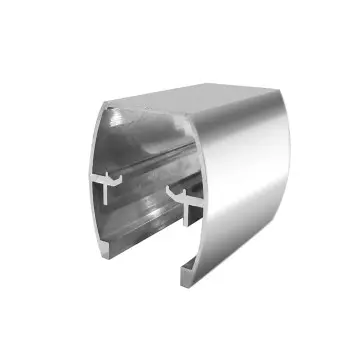
Thin-walled, high-surface-quality profiles available in polished, brushed, or electroplated finishes.
Get Quote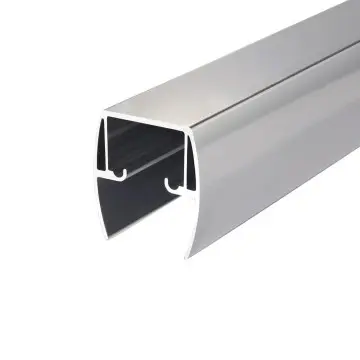
Architectural door and window frames extruded from 6063-T5 alloy, meeting local mechanical and geometric tolerances.
Get Quote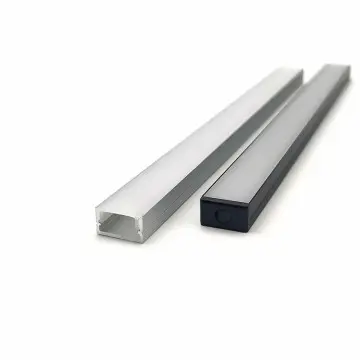
Structural channels providing edge protection and framework support in civil engineering projects.
Get Quote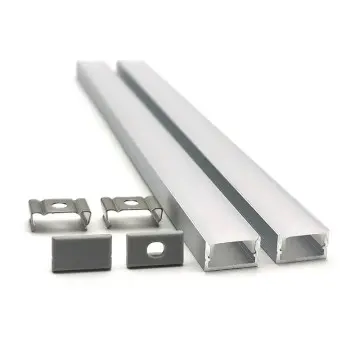
Optimized thermal dissipation tracks for commercial LED lighting strip configurations.
Get Quote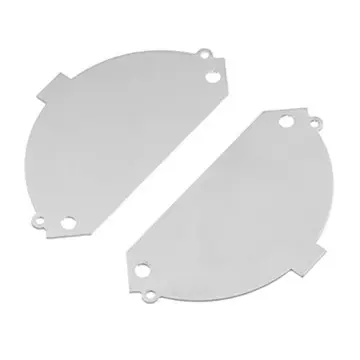
Precision micro-extrusions designed for clean corner integrations and architectural accent lighting setups.
Get QuoteIndustrial purchasing between China and Russia requires organized logistics coordination. Based in Qingdao, we utilize direct access to major maritime routes and rail networks. Standard transport corridors for our structural extrusions include:
We supply necessary export documentation, including Mill Test Certificates (MTC) matching EN 10204 3.1 criteria, packing lists detailing bundle dimensions, and standard Customs Declarations. Additionally, we support bilateral trade settlements to help streamline transaction processes.
Unlike carbon steels, which exhibit a ductile-to-brittle transition temperature (DBTT) under cold temperatures, aluminum alloys (such as 6061-T6 and 6082-T6) feature a Face-Centered Cubic (FCC) atomic structure. This structure retains mechanical ductility and yield strength as temperatures drop. Tensile strength and elongation can show minor increases in cold conditions down to -60°C. This characteristic makes these alloys suitable for structural fittings on Arctic platforms and Siberian gas installations.
Qingdao Kangjian is certified under ISO 22163 (the international standard for railway quality management systems) and EN 15085-2 (Class CL1), which defines quality requirements for welding railway vehicles and components. Our welding engineers and processes undergo audits to ensure structural integrity across extruded carriage walls, underframe components, and interior panels used in rolling stock.
We work to precision limits exceeding standard EN 755-9 specifications. Depending on the profile profile cross-section, our standard extrusion tolerance is ±0.15 mm. For sections requiring post-extrusion CNC machining, our milling and turning centers can reach tolerances of ±0.05 mm, suitable for robotics arms, motor housings, and solar mounting connections.
Long structural extrusions (often 6 meters or custom lengths) are prepared for transport by wrapping each profile in protective plastic film to prevent abrasion. Profiles are then bundled, secured with structural straps, and placed inside custom wooden crates or steel frames to prevent bending during rail transit. We also add desiccant bags inside the packaging to manage humidity during transport across varying climate zones.
Yes. Our engineering department assists with custom tool designs. Customers provide CAD or 3D files (DWG, DXF, STP), and we perform structural modeling. Once approved, custom extrusion dies are manufactured in-house. Initial samples are then run for metallurgical and dimensional verification before starting full production.
Tooling and die development typically takes 10 to 14 days. Once the sample profiles are approved, full batch production requires 15 to 20 days, depending on the volume and any surface treatments (like anodizing or powder coating). Transit time from Qingdao to major hubs in western Russia (Moscow/St. Petersburg) by rail is roughly 15 to 22 days.
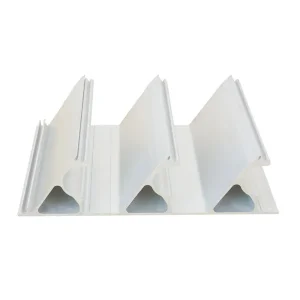
Structural fittings designed for drilling rigs, engineered from high-weldability alloys to resist maritime corrosion.
Learn More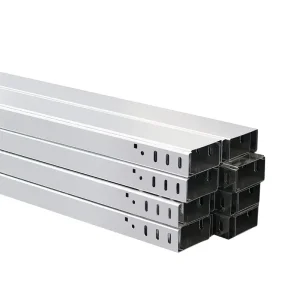
Aluminum cable trays providing organized support for high-voltage power distribution cabling in industrial facilities.
Learn More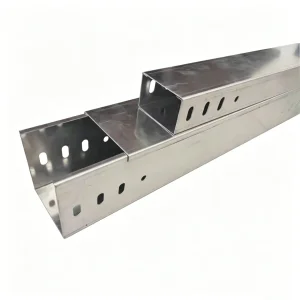
Modular components for cable ladders, providing load-bearing reliability and resisting chemical exposures.
Learn More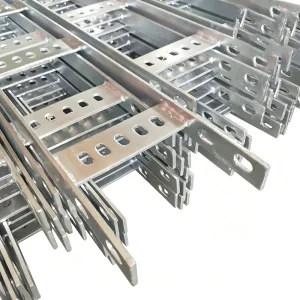
High-strength, lightweight aluminum ladder side rails and rungs, suitable for mobile work scaffolding systems.
Learn More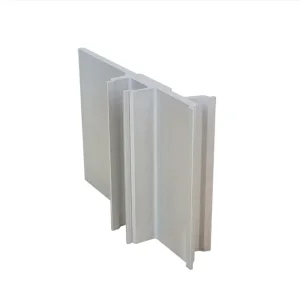
Structural frame profiles optimized for marine and sub-zero offshore oil drilling machinery foundations.
Learn More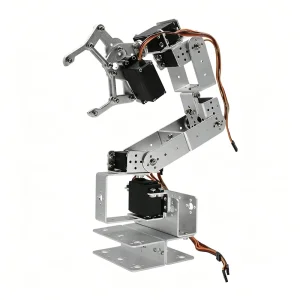
Milled 6061-T6 mounting base plates designed for robotic positioning and high dynamic stability.
Learn More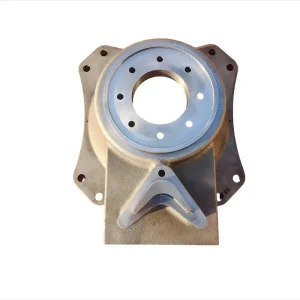
Thin-wall, high-rigidity structural arm segments engineered to minimize inertial loads in high-speed pick and place robotics.
Learn More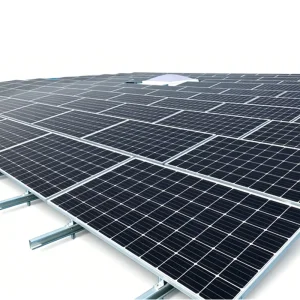
Structural frame extrusions designed for commercial solar module installations, matching local wind and snow load parameters.
Learn More