 Kangjian
Kangjian
Kangjian
Precision-designed extrusion systems utilized in Chicago's civic infrastructure projects, combining aesthetic versatility with extreme environmental resilience.
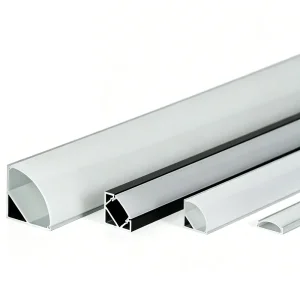
Optimized architectural lighting profiles designed for heavy pedestrian corridors, featuring rapid heat dissipation and robust mechanical mounting parameters.
View Technical Specifications →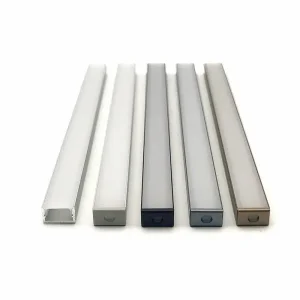
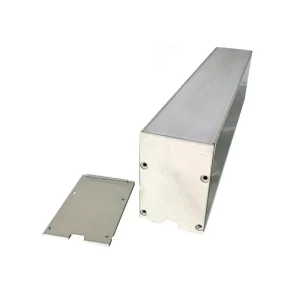
Durable structural U-channels suited for custom commercial building envelopes and transit shelters. Available in custom anodized options.
View Technical Specifications →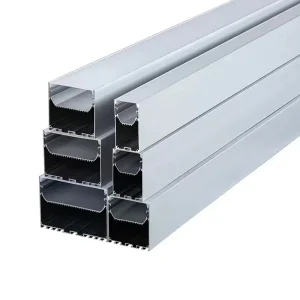
High-lumen emission profiles engineered for municipal administration halls, offices, and academic institutions, delivering optimum anti-glare profiles.
View Technical Specifications →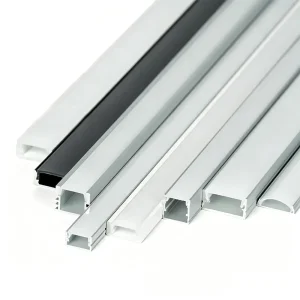
Corrosion-resistant structural corner housings designed for the damp environments of metro underpasses and public transit platforms.
View Technical Specifications →Chicago, the premier commercial and industrial crossroads of the American Midwest, operates one of the most complex municipal ecosystems in the world. From the dense rail systems managed by the Chicago Transit Authority (CTA) to the expansive facilities at O'Hare and Midway International Airports, the city's built environment requires hardware of unmatched durability. Designing components for Chicago’s municipal facilities demands strict adherence to performance metrics due to extreme climatic cycles—ranging from freezing Lake Michigan winter storms to intense summer heat waves. Furthermore, the extensive use of road salt and de-icing chemicals presents a highly corrosive environment for exterior metallic components.
Traditional structural steel often falls short, requiring frequent painting and protective maintenance that disrupts transit operations and inflates municipal budgets. This has driven a significant shift toward structural aluminum extrusions. By leveraging high-strength alloys such as 6005A, 6061-T6, and 6063-T5, civic engineers can deploy components that naturally resist oxidation, exhibit a high strength-to-weight ratio, and retain structural integrity under dynamic loading. Whether integrated into subway car chassis, pedestrian guardrails, high-efficiency building envelopes, or smart grid electrical enclosures, structural aluminum is the cornerstone of modern municipal design.
Urban planning is undergoing a major paradigm shift toward decarbonization and the Internet of Things (IoT). Today's municipal specifications extend beyond load-bearing metrics; they demand elements that support sustainable cities. Advanced aluminum profiles are pivotal here, serving as lightweight structures that reduce the energy consumption of transit systems and facilitate the integration of smart electronics.
For example, modern street lighting and public security structures are no longer simple poles; they are smart nodes. These systems feature integrated LED light paths, environmental sensors, 5G cellular arrays, and emergency communication systems. Aluminum profiles with complex, multi-hollow designs allow cables, drivers, and sensors to be housed securely within a single, weather-sealed structure. This protects sensitive electronics from vandalism and harsh weather while maintaining a clean aesthetic. Additionally, the high thermal conductivity of extruded aluminum ensures effective heat dissipation for high-output LEDs, preventing premature failure and reducing maintenance overhead for city operations.
Procuring critical municipal components presents complex logistical and compliance challenges. Civic agencies and their primary contractors must navigate strict quality assurance standards, project schedules, and budget constraints. High-precision profiles must comply with rigorous certifications, including ISO 9001 quality management, ISO 14001 environmental compliance, and industry-specific certifications like EN 15085 for railway welding and DIN 6701 for structural adhesive bonding.
Furthermore, global supply chains must be highly resilient. Project delays in public works can lead to significant cost overruns and political scrutiny. For Chicago-based contractors, sourcing profiles from partners with integrated raw material procurement, large-scale extrusion presses, precision CNC machining, and comprehensive surface treatment capabilities is essential. The modern municipal supply chain requires "ready-to-install" components, eliminating the need to coordinate multiple suppliers for extrusion, machining, anodizing, and final assembly.
For structural components exposed to high stress (e.g., transit platforms, crane tracks, mechanical brackets), engineers specify 6061-T6 or 6082-T6 alloys for their high yield strength and fracture toughness. For architectural trims, LED housings, and decorative elements, 6063-T5 is preferred due to its superior surface finish, anodizing quality, and complex extrusion capabilities. Partnering with a manufacturer capable of running multiple alloy formulations ensures optimized cost and performance for each application.
In this challenging market, China’s Factory 4.0 manufacturing facilities provide a vital resource for global procurement. Leading companies, such as Qingdao Kangjian Aluminum Industry Technology Co., Ltd., have established advanced production bases that combine raw material sourcing, automated extrusion, multi-axis CNC machining, and rigorous quality inspection under one roof.
Equipped with a fleet of extrusion presses—including 2500T, 1450T, 1150T, and dual 700T lines—our manufacturing base produces up to 15,000 tons of high-precision profiles annually. The integration of advanced automation systems ensures tight geometric tolerances and batch-to-batch consistency. Located in the Jimo District of Qingdao, near one of China's largest deepwater shipping ports, this facility provides direct logistics routes to major global hubs, including Chicago. This combination of advanced production capabilities and port accessibility ensures reliable delivery timelines for large-scale municipal rollouts.
The practical application of these technologies across Chicago's municipal footprint is extensive:
Our specialized production capacity supports global infrastructure projects with reliability and engineering precision.
Established in 2022 and located in the Jimo District of Qingdao City, Qingdao Kangjian Aluminum Industry Technology Co., Ltd. is a leading manufacturer specializing in high-performance aluminum and aluminum alloy products. Our facility covers an area of 200 mu, featuring 80,000 square meters of modern factory space and a 4,000 square meter administrative building.
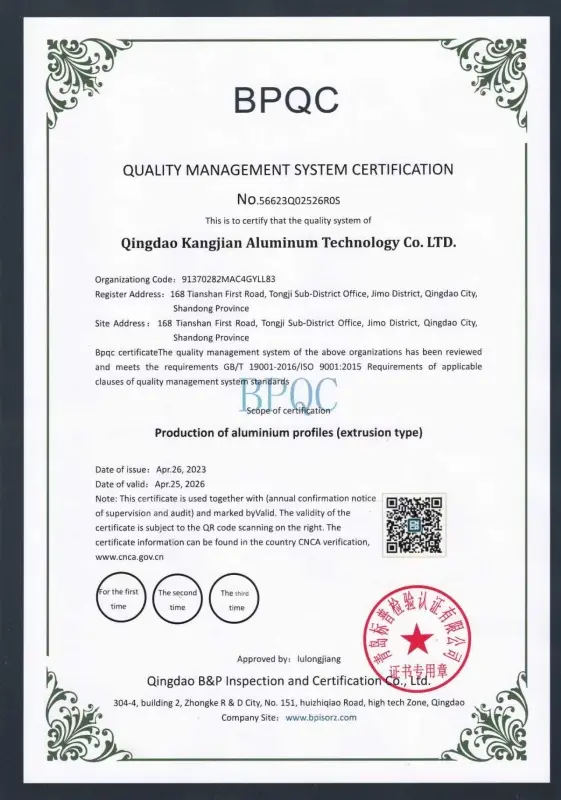
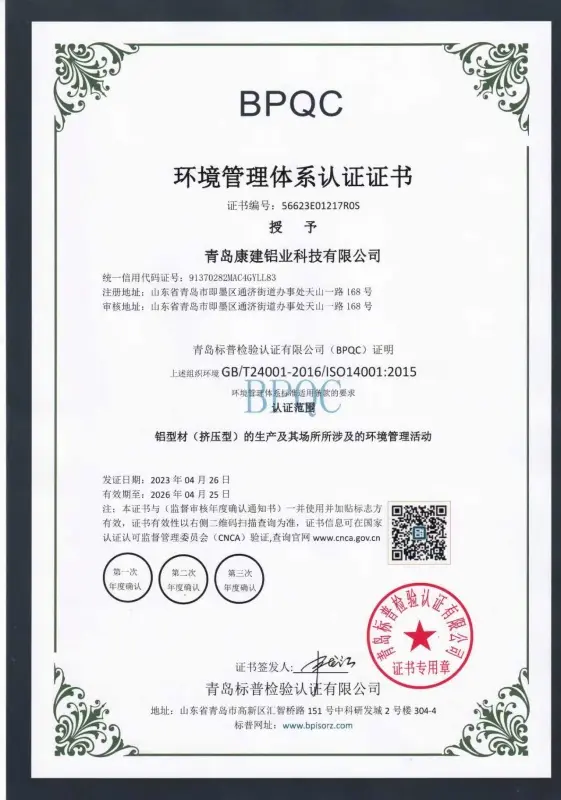
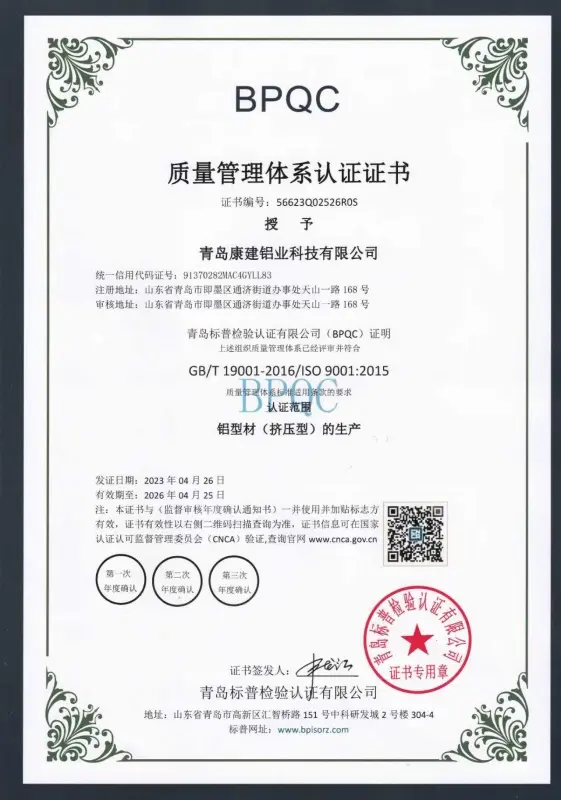
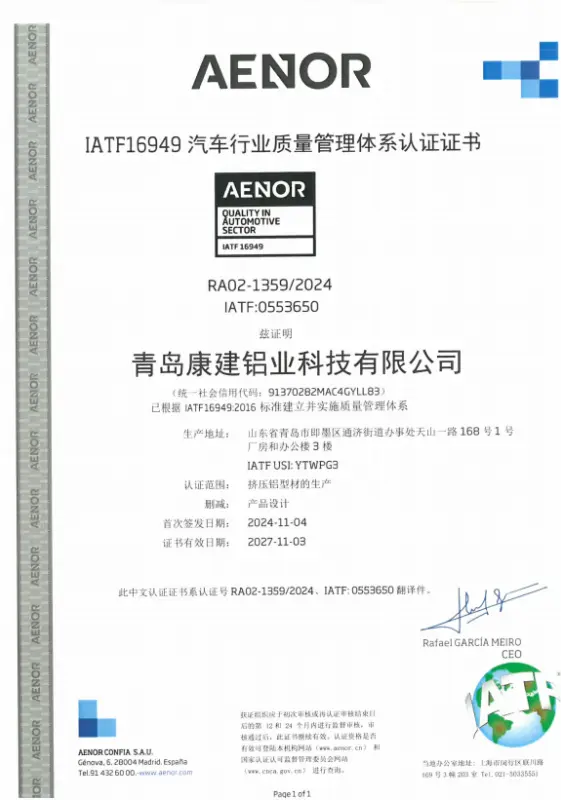
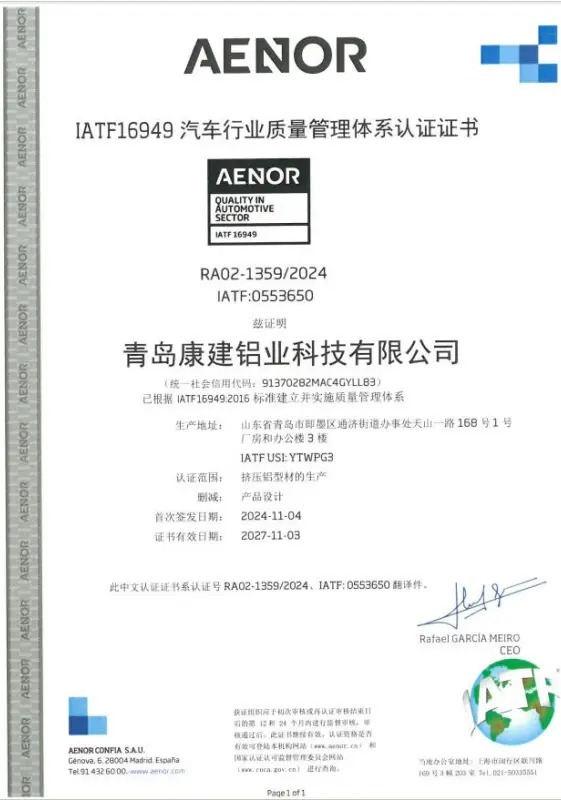
Our production facilities include 5 extrusion lines (ranging from 700T to 2500T), enabling an annual output of 15,000 tons of structural and architectural profiles. Our processes align with global standards, backed by certifications such as ISO 9001:2016, ISO 14001:2016, IATF 16949 for automotive systems, ISO 22163 for railway industry management, and international welding standards like EN 15085 and DIN 6701 bonding systems.
We serve the global market by engineering lightweight, durable components for transit, automotive, and architectural systems, helping our clients optimize supply chain performance.
Connect with our Engineering Team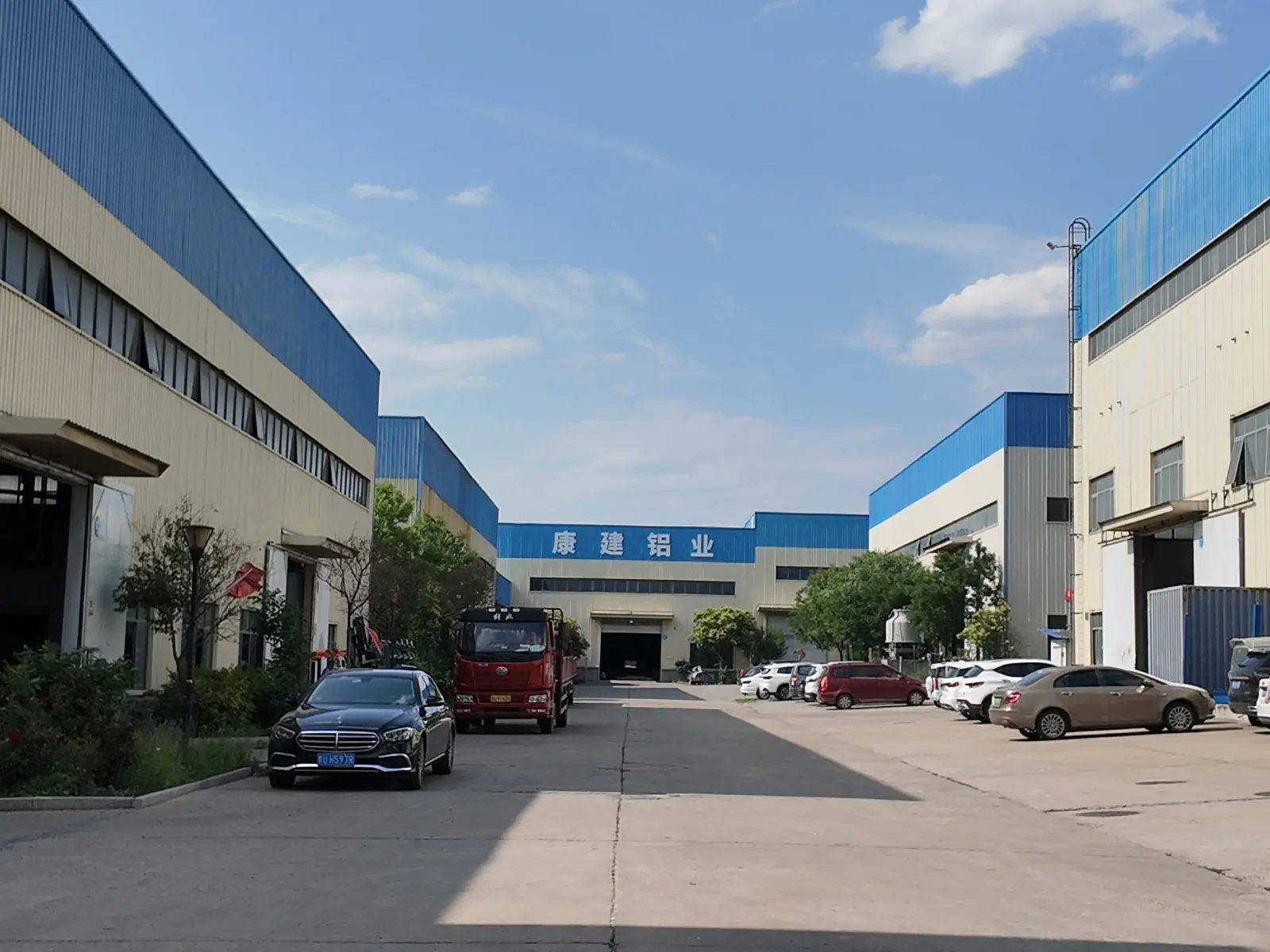
Proven applications of our aluminum extrusions in high-demand structural projects worldwide.
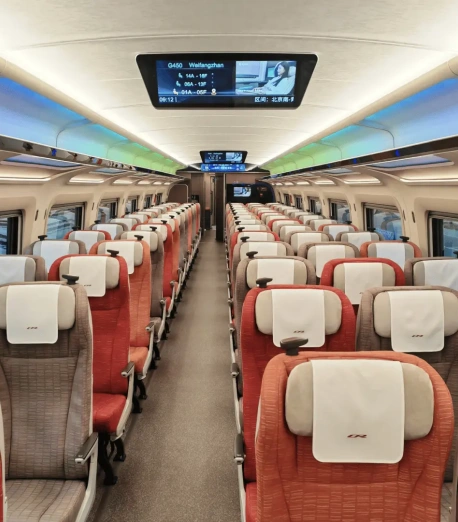
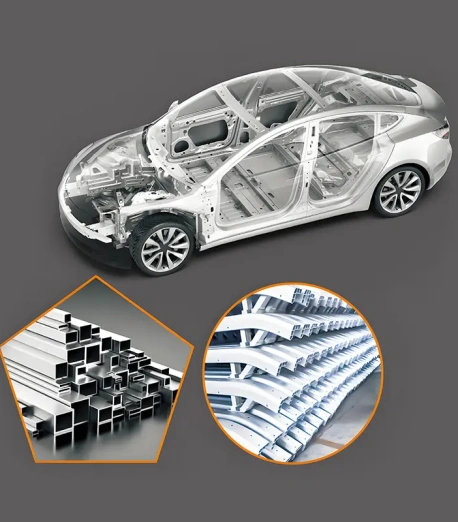
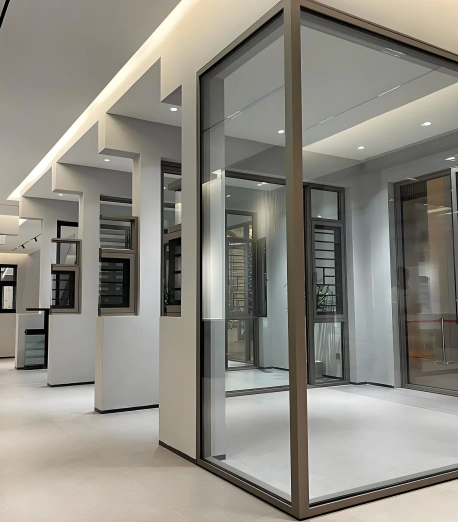
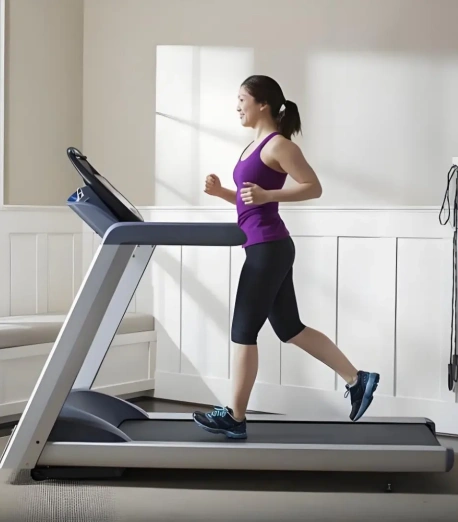
Our manufacturing processes are audited and certified to meet the quality requirements of global industrial markets.
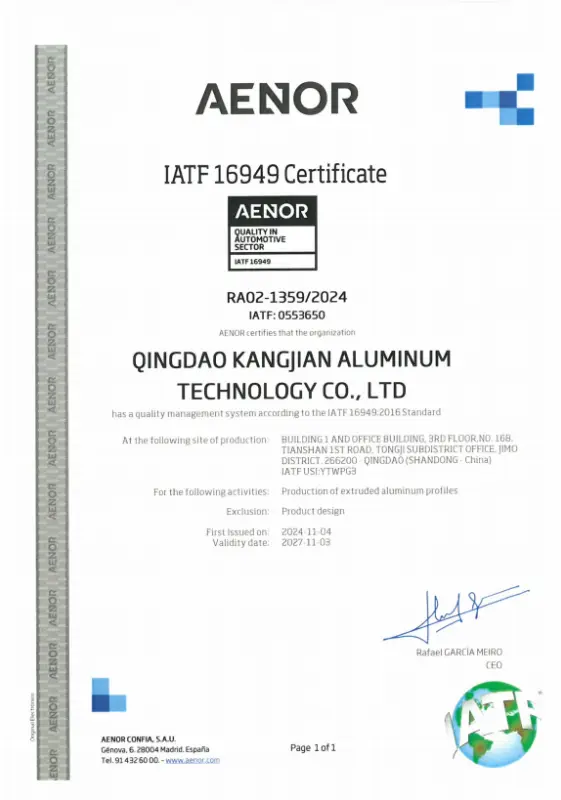
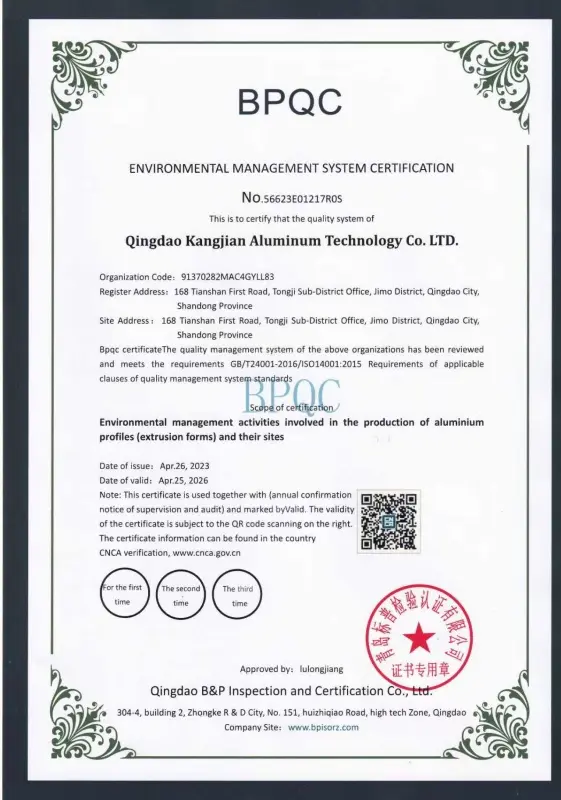
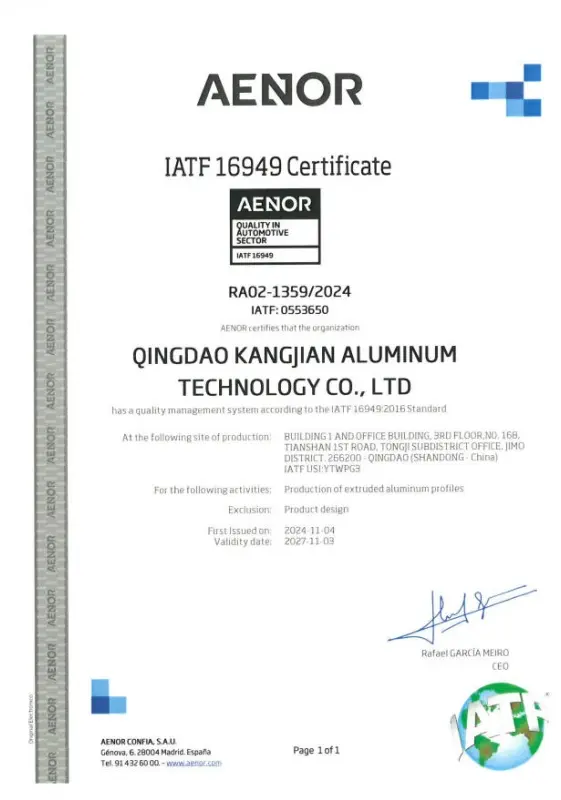
Technical and logistical insights for municipal engineers, procurement officers, and structural designers.
Browse our full selection of high-precision LED strip profiles, structural hardware, and heavy industrial assemblies.
Recessed linear light housing with diffused optics, designed for seamless installation in modern drywall and ceiling grids.
View Technical Specifications →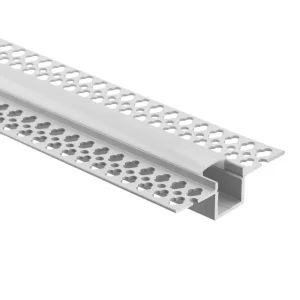
Ultra-slim corner lighting profiles, ideal for showcase cabinetry, architectural step accents, and compact public signage.
View Technical Specifications →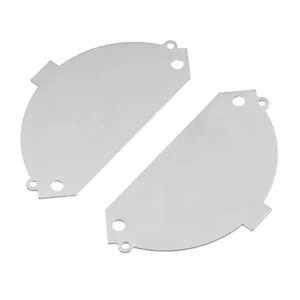
High-precision manufactured structural corner profiles for low-profile pathway illumination and decorative interior moldings.
View Technical Specifications →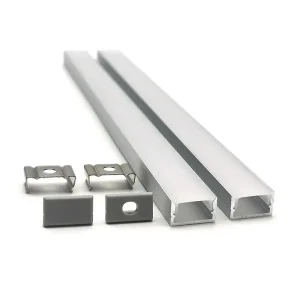
Rigid architectural channel designed to protect light paths in high-impact public zones and transit platforms.
View Technical Specifications →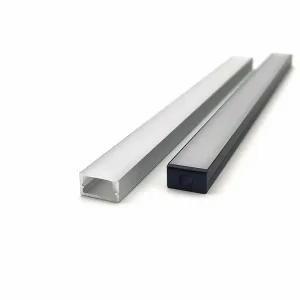
Customizable, heavy-walled aluminum housing suitable for integrated facade systems and direct burial underground channels.
View Technical Specifications →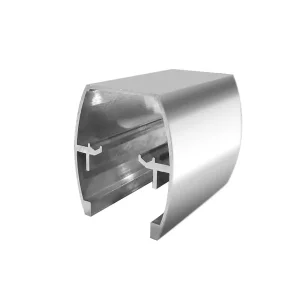
Anodized, water-resistant aluminum alloy framing designed for municipal athletics, public showers, and hospital restrooms.
View Technical Specifications →
Rigid angled aluminum profiles designed for surface mounting along stairwells and transit hallways to improve public safety.
View Technical Specifications →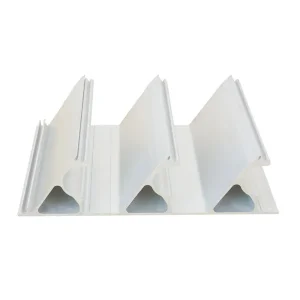
Ultra-high-strength structural profiles designed for industrial access paths, structural frames, and heavy machinery platforms.
View Technical Specifications →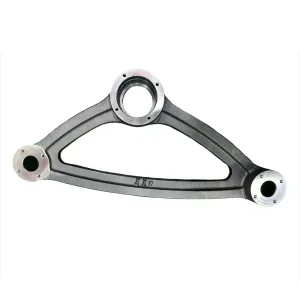
Low-inertia, high-rigidity structural arm parts engineered for factory automation lines, CNC equipment, and robotic sorting systems.
View Technical Specifications →
Corner extrusion profiles designed to facilitate architectural cove lighting and safe lighting paths inside public administrative offices.
View Technical Specifications →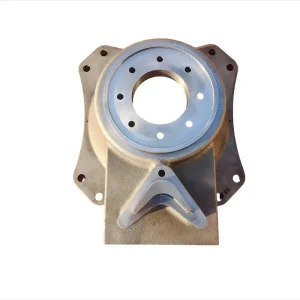
Precision milled, lightweight frame rails optimized for dynamic movement and high positional accuracy in material handling.
View Technical Specifications →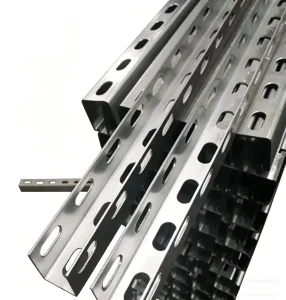
Corrosion-resistant structural alloys designed to withstand heavy snow and wind loads in midwestern photovoltaic farm grids.
View Technical Specifications →