Kangjian
Colombian Infrastructure Boom: A Catalyst for Advanced Structural Materials
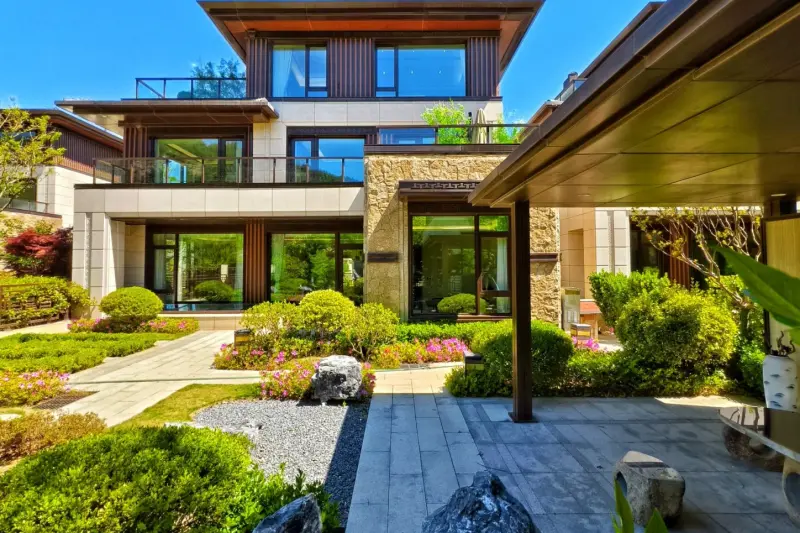
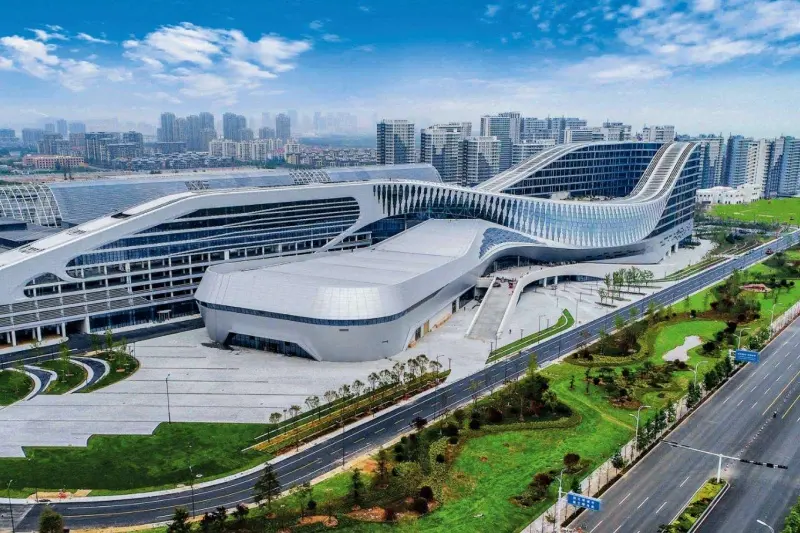
The municipal and public infrastructure landscapes in Colombia are undergoing a massive technological transition. Under modern urban planning guidelines, such as the *Plan de Ordenamiento Territorial (POT)* in major hubs like Bogotá, Medellín, and Cali, there is a strict mandate for sustainable, long-lasting, and highly efficient architectural systems. This has resulted in a direct shift away from traditional, heavy structural steel to lightweight, high-strength aluminum alloys. Aluminum’s native resistance to atmospheric corrosion, combined with its high recycling yield, makes it the primary structural element for public utilities, transit terminals, and green municipal projects.
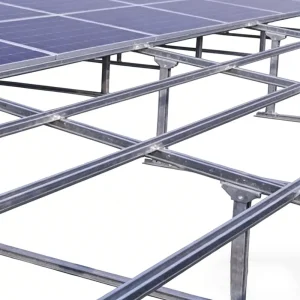
Furthermore, coastal developments along the Caribbean shoreline—encompassing key trading centers like Cartagena, Barranquilla, and Santa Marta—experience severe marine salinity and high humidity. Traditional structural materials suffer from aggressive degradation in these urban microclimates, leading to massive annual maintenance overheads. By contrast, specialized marine-grade anodized aluminum extrusions deliver an exceptionally durable oxide layer, assuring long structural lifespans and structural integrity. This resilience is critical for outdoor municipal lighting systems, solar panel racking arrays, public transport shelters, and bridge railings.
Global Engineering Evolution: Sustainable Urban Development
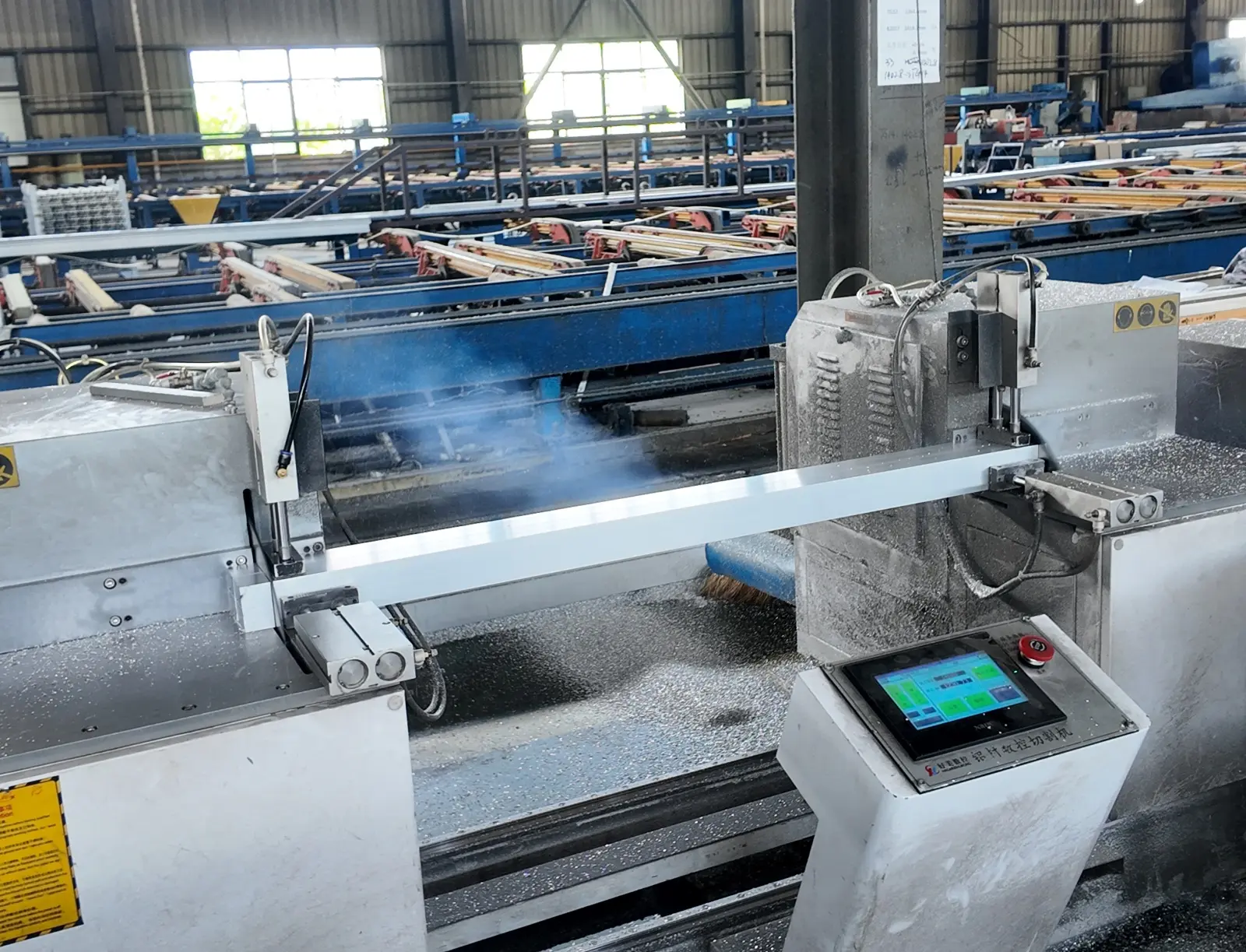
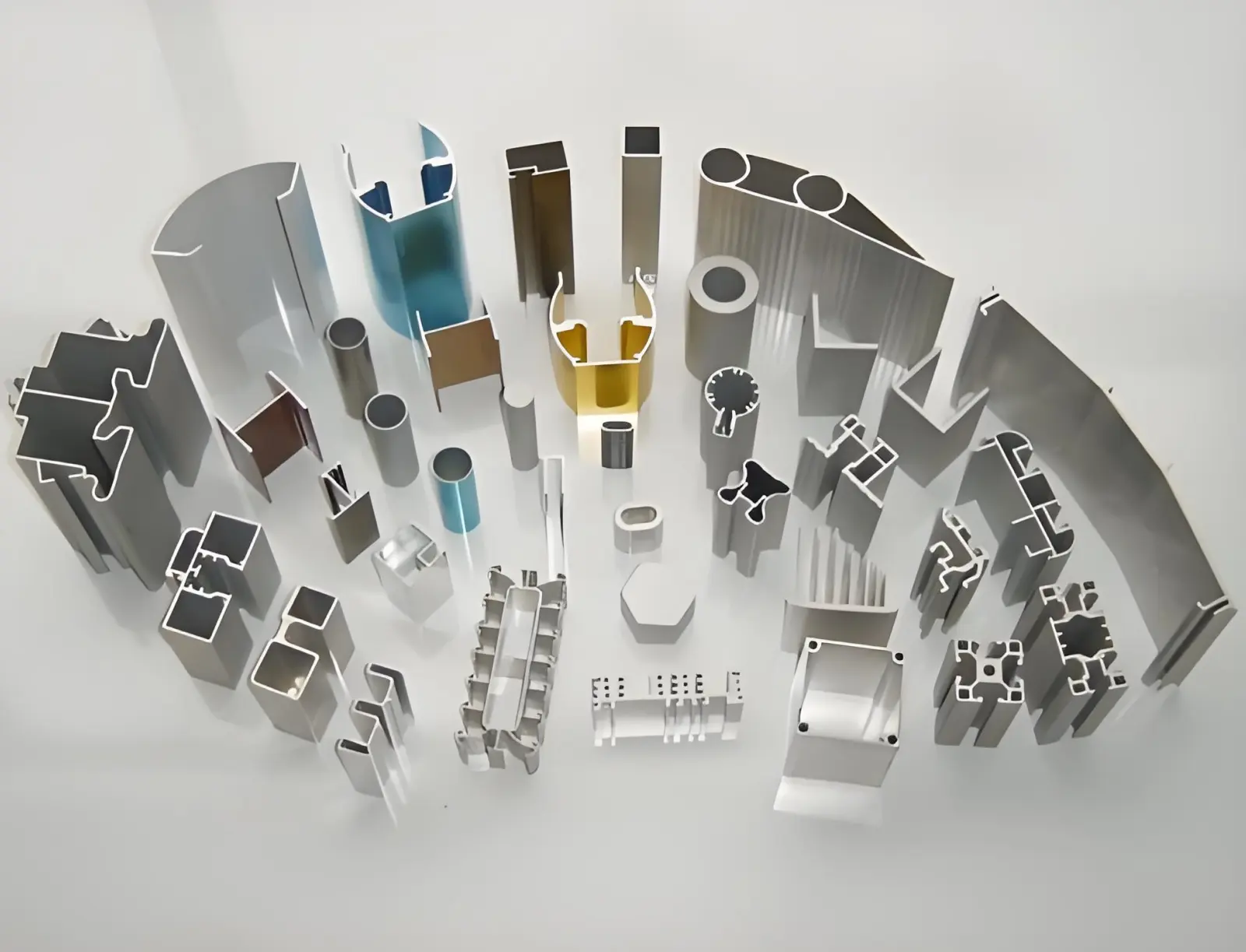
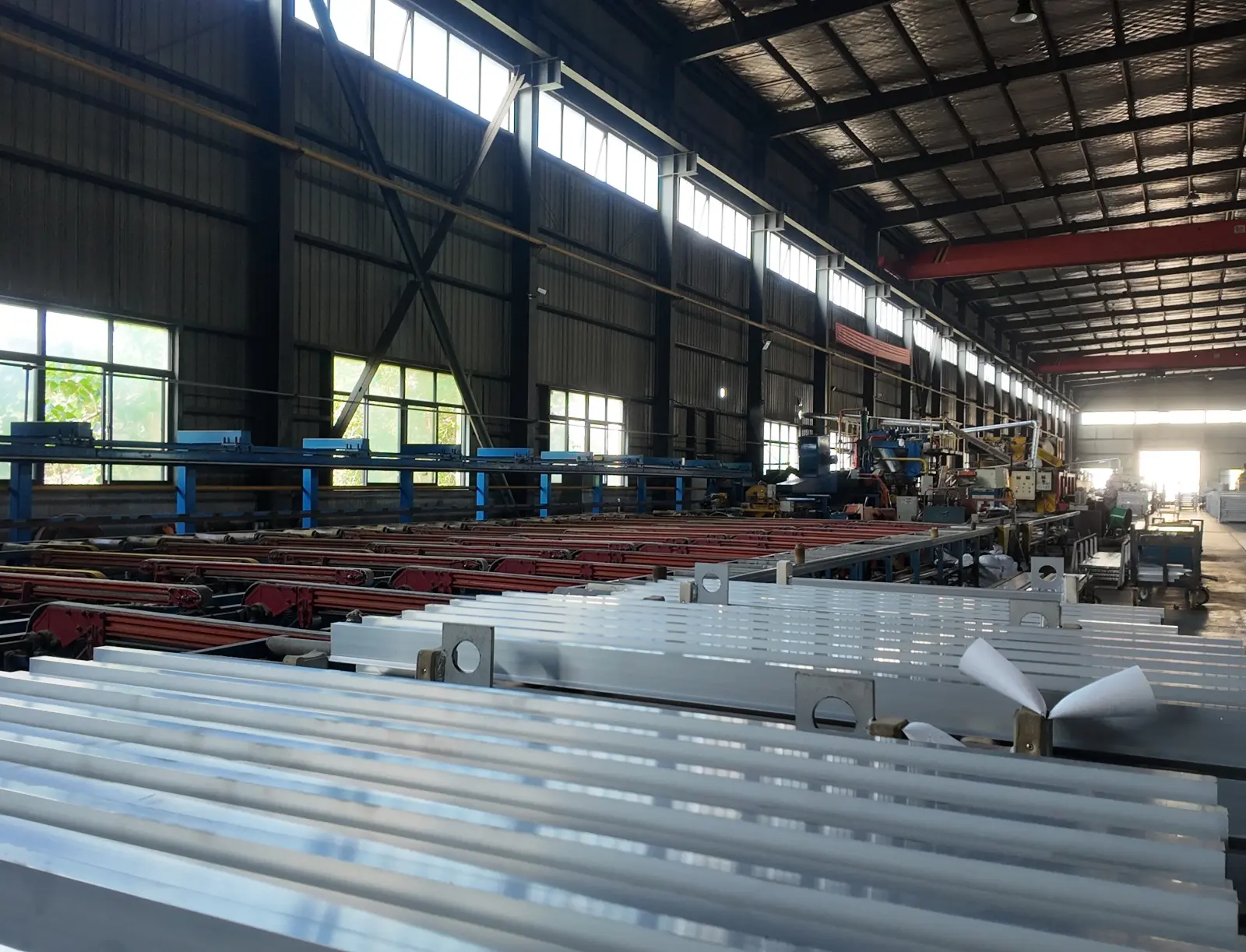
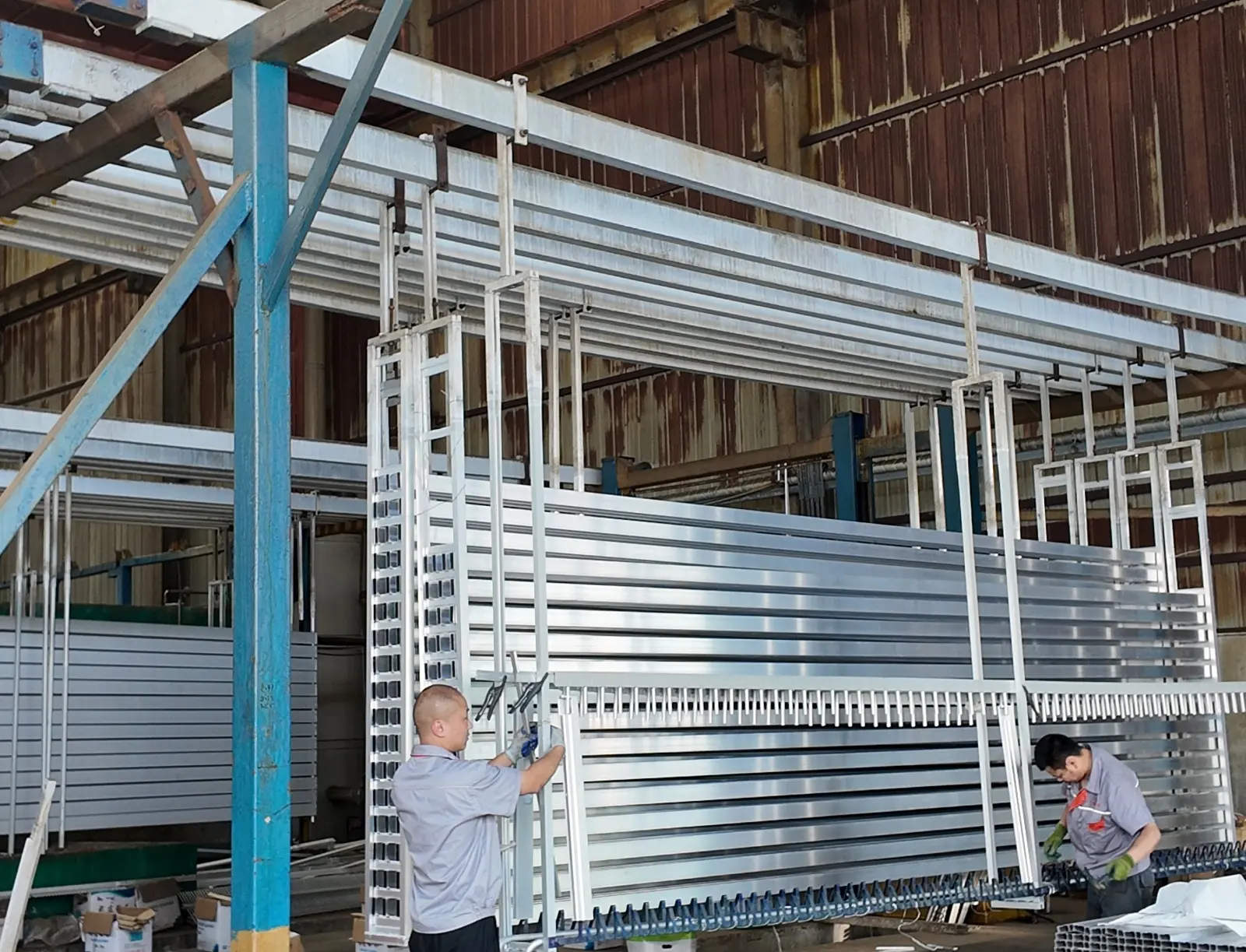
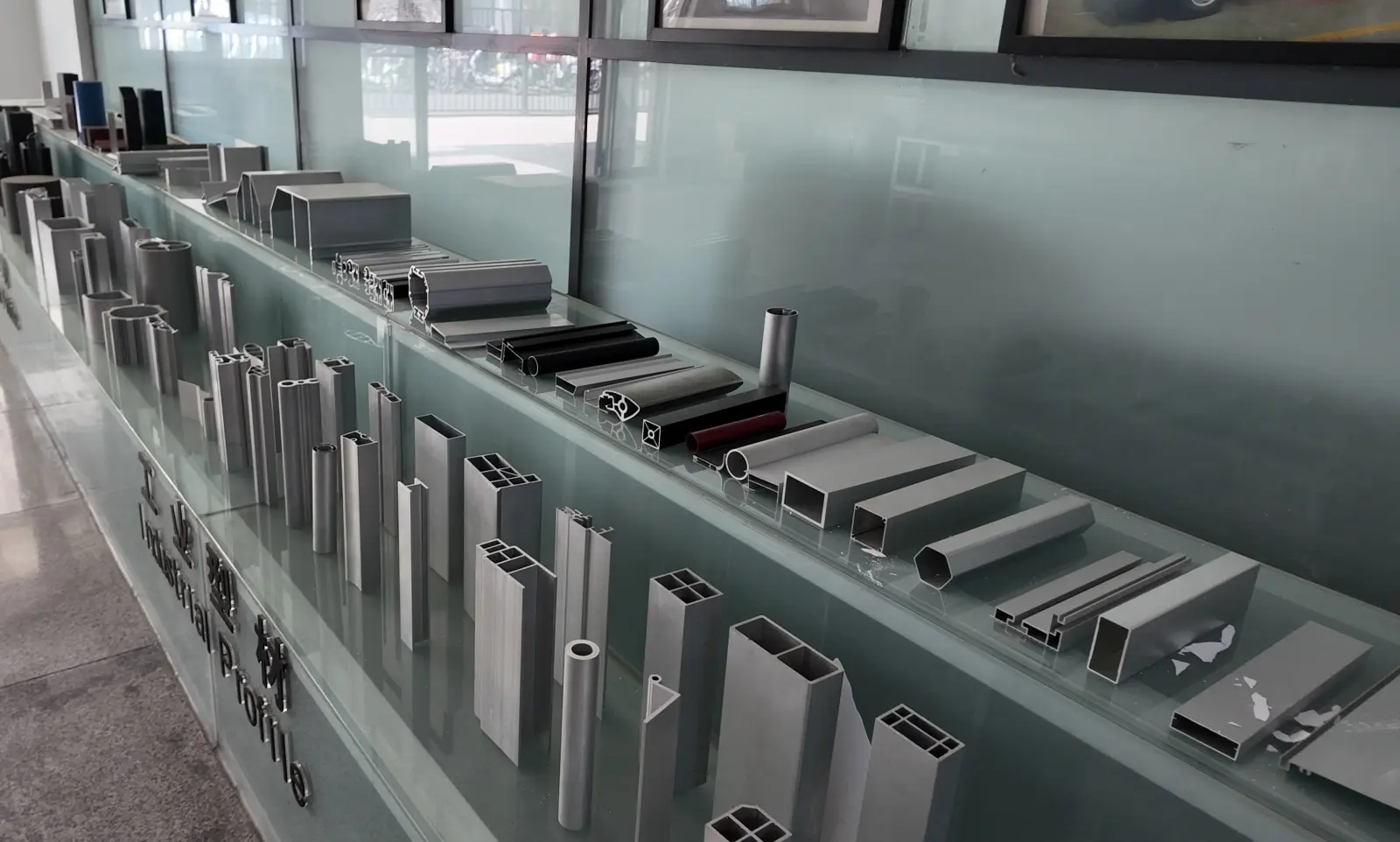
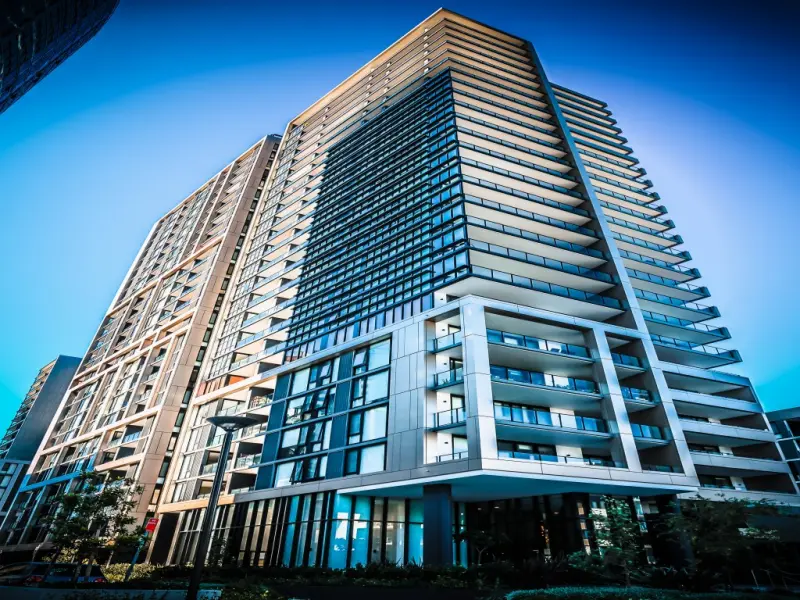
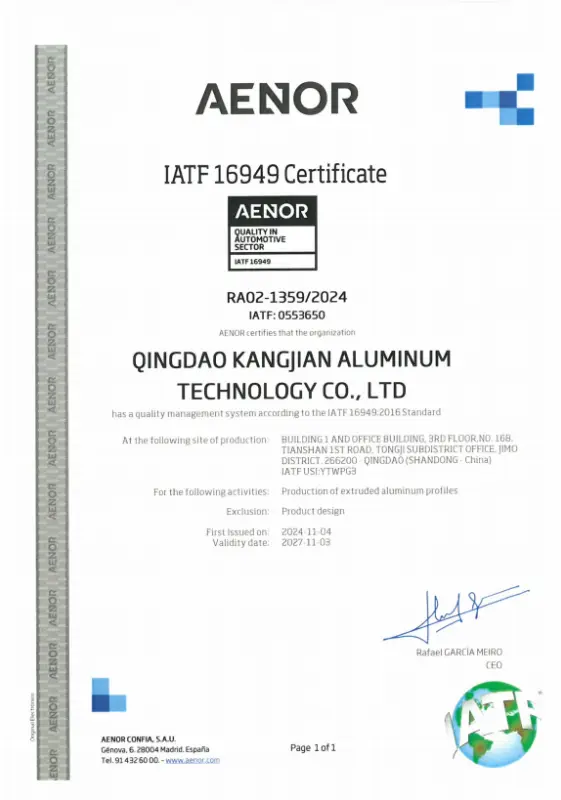
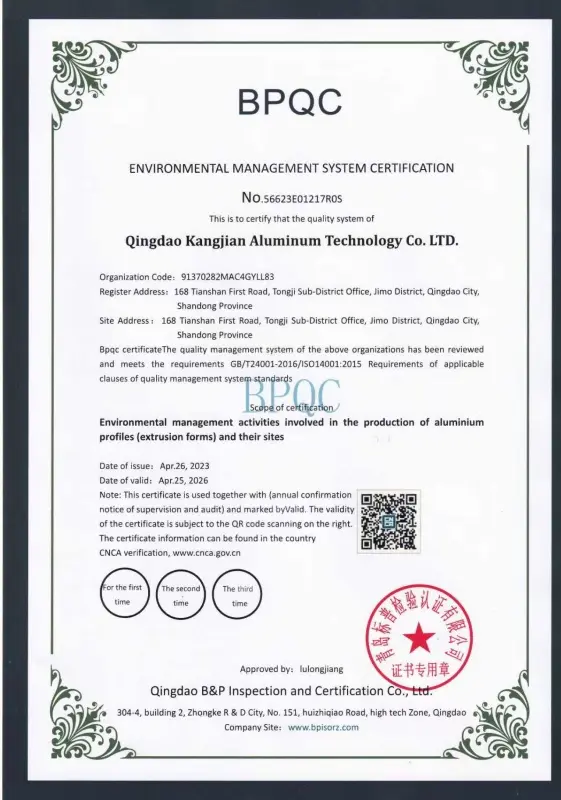
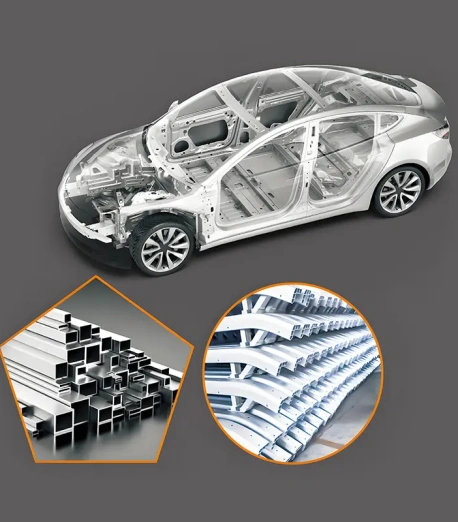
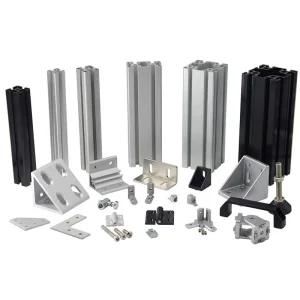
Globally, smart cities are relying on standardized, highly engineered extrusion systems. The combination of structural stability, flexible geometry, and built-in thermal management positions aluminum profiles at the core of transit design and green building facades. With global supply chain fluctuations, contractors and municipal planning committees require reliable factory partners capable of delivering custom fabrications that meet international ASTM, EN, and ISO standards. This requires rigorous process control during extrusion, precision CNC machining, and specialized surface treatments to resist weathering.
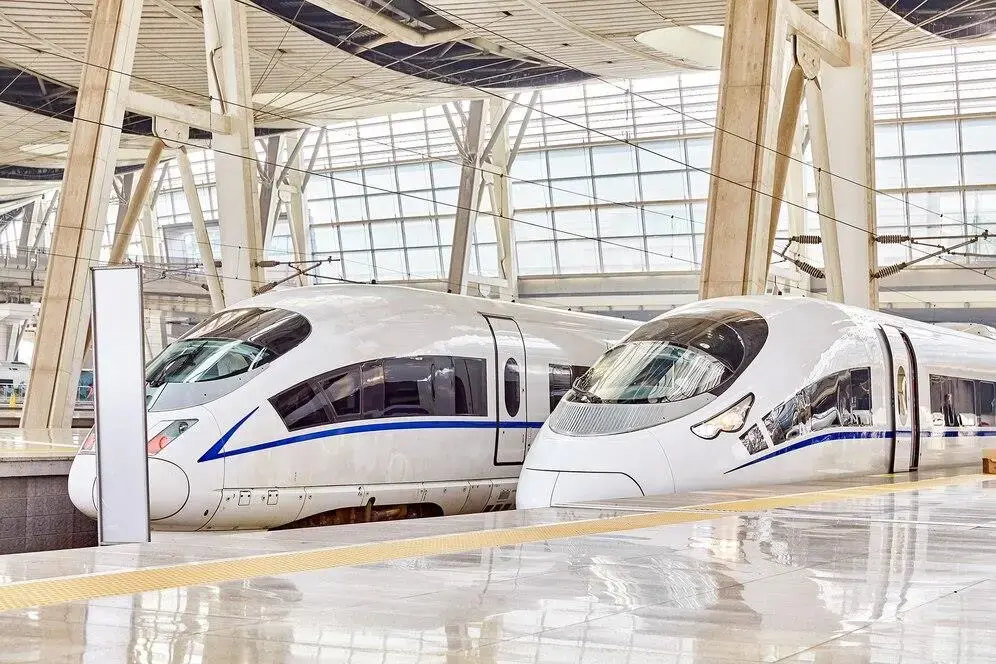
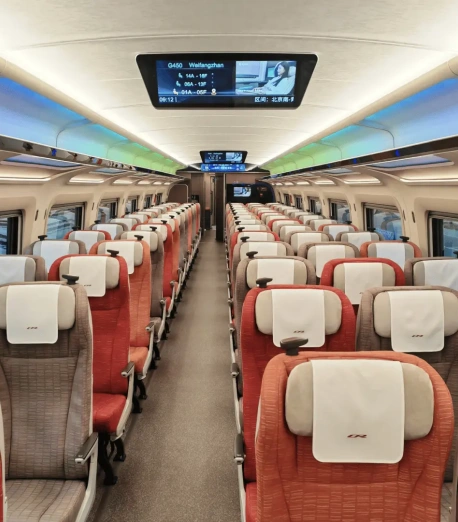
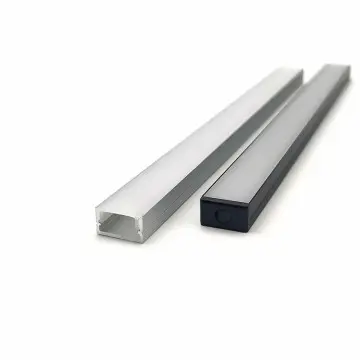
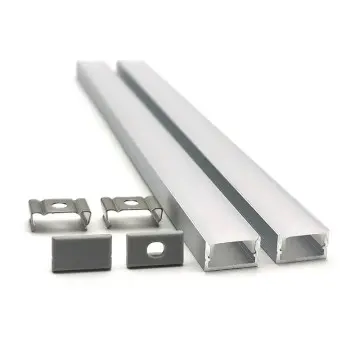
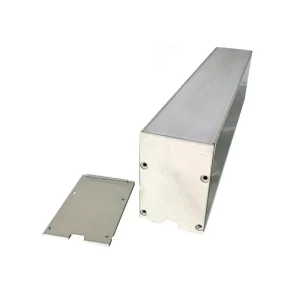
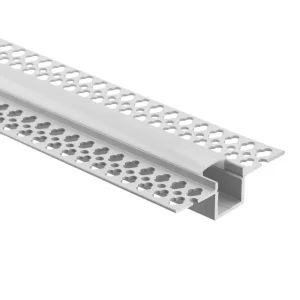
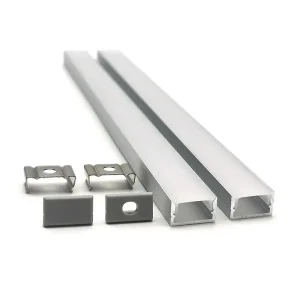
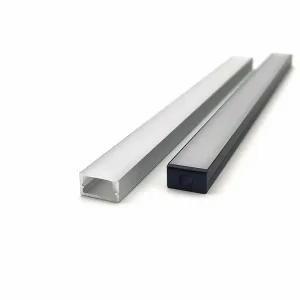
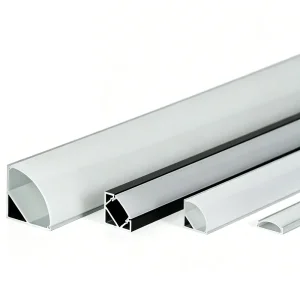
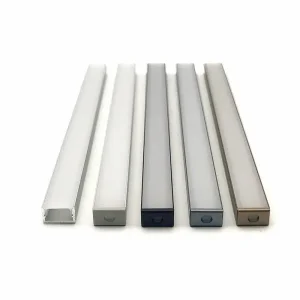
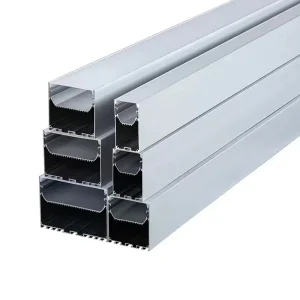
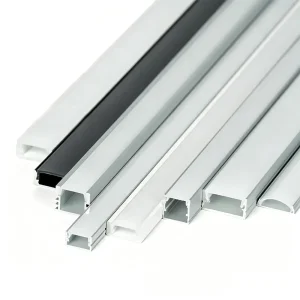
From high-speed railway structural profiles to local BRT bus platforms, aluminum components reduce overall weight, which decreases fuel consumption and structures' structural load. When applied to municipal lighting, the high thermal conductivity of extruded profiles acts as an efficient heat sink, protecting delicate LED strips from overheating, thereby extending the lifetime of public street lights and reducing carbon footprints. This aligns directly with global energy conservation trends and LEED certifications.