Kangjian
Kangjian
Kangjian
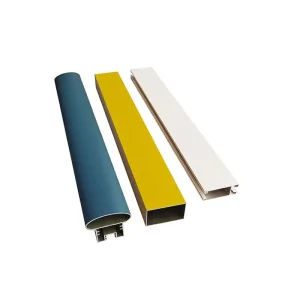
The global construction industry is undergoing an unprecedented shift toward sustainable, carbon-neutral, and high-performance building envelopes. At the heart of this revolution is the optimization of Aluminium Doors and Windows. Once regarded simply as functional partitions, modern architectural aluminium systems are now expected to contribute actively to thermal management, structural integrity, acoustic control, and long-term envelope durability. In key industrial sectors, including high-rise commercial architecture, public transit infrastructures, and automated residential developments, precision aluminium extrusions serve as the core framework for advanced energy-saving systems.
Globally, the market for aluminium doors and windows is driven by the rigorous performance metrics set by structural engineers and environmental standards such as LEED (Leadership in Energy and Environmental Design), BREEAM, and the Passivhaus standard. Achieving a low thermal transmittance (U-value) is paramount. Suppliers must transition from legacy solid profile designs to highly engineered thermal-break configurations. These configurations integrate structural polyamide insulation strips within the profile cavities, interrupting heat pathways and reducing overall thermal conductivity. This system is crucial in mitigating building heating and cooling loads, which represent a significant percentage of urban carbon output.
For load-bearing structural fenestrations, the selection of the correct alloy and temper is a critical factor. The architecture industry relies heavily on Alloy 6063 (typically in T5 or T6 tempers) for its superior surface finish characteristics and excellent extrudability, allowing for complex geometries with thin walls. However, for large-span curtain walls, high-velocity wind zones, and heavy industrial doors, structural engineers demand Alloy 6061-T6 or custom high-strength 6005A formulations, which deliver superior yield strengths and wind-load deflection tolerances.
Beyond thermal performance, commercial and industrial enterprises prioritize durability. Building envelopes must withstand intense UV exposure, atmospheric pollutants, marine-level salinity, and cyclical structural stresses. As a result, the demands placed on Chinese suppliers have shifted from simple material fabrication to comprehensive engineering solutions—integrating custom metallurgical formulations, state-of-the-art CNC precision machining, and specialized surface treatments to meet ISO-certified global standards.
Structural Durability: Standardized 6063-T5/T6 alloys designed for maximum architectural longevity.
Thermal Efficiency: Advanced multi-cavity thermal break designs to meet demanding European and North American building codes.
Coastal Performance: High-micron anodizing and PVDF coating technologies optimized to prevent marine corrosion.
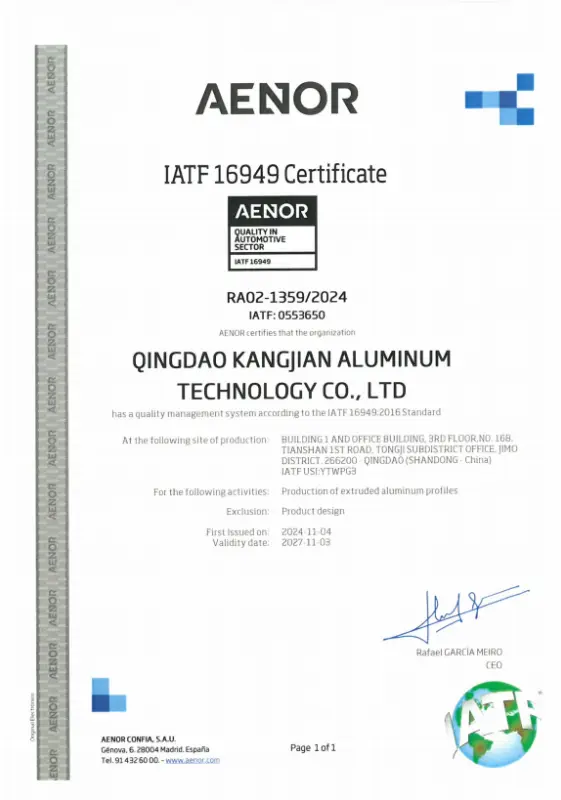
Industrial Integrity: Production processes validated under ISO 22163 (railways) and IATF 16949 (automotive) quality management systems.
China's extrusion hubs bring together ingot smelting, custom die design, precise extrusion, surface coating, and high-tolerance CNC post-processing inside unified geographical centers. This close integration minimizes logistic friction and accelerates production speed.
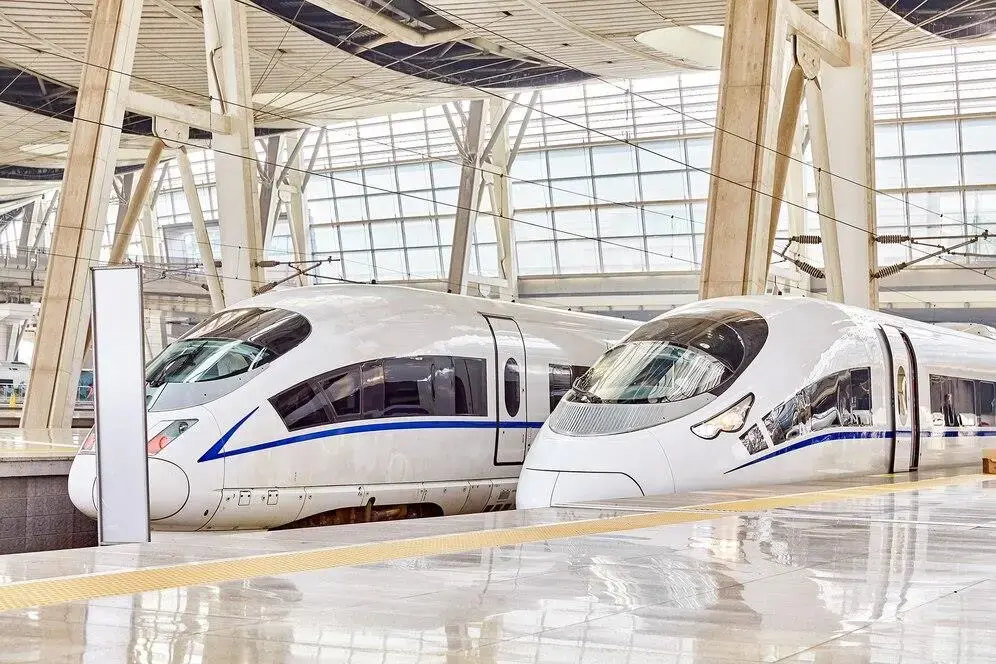
Leading fabricators leverage engineering standards from demanding heavy industries, such as high-speed rail welding and automotive component manufacturing, to construct exceptionally durable and resilient building facades.
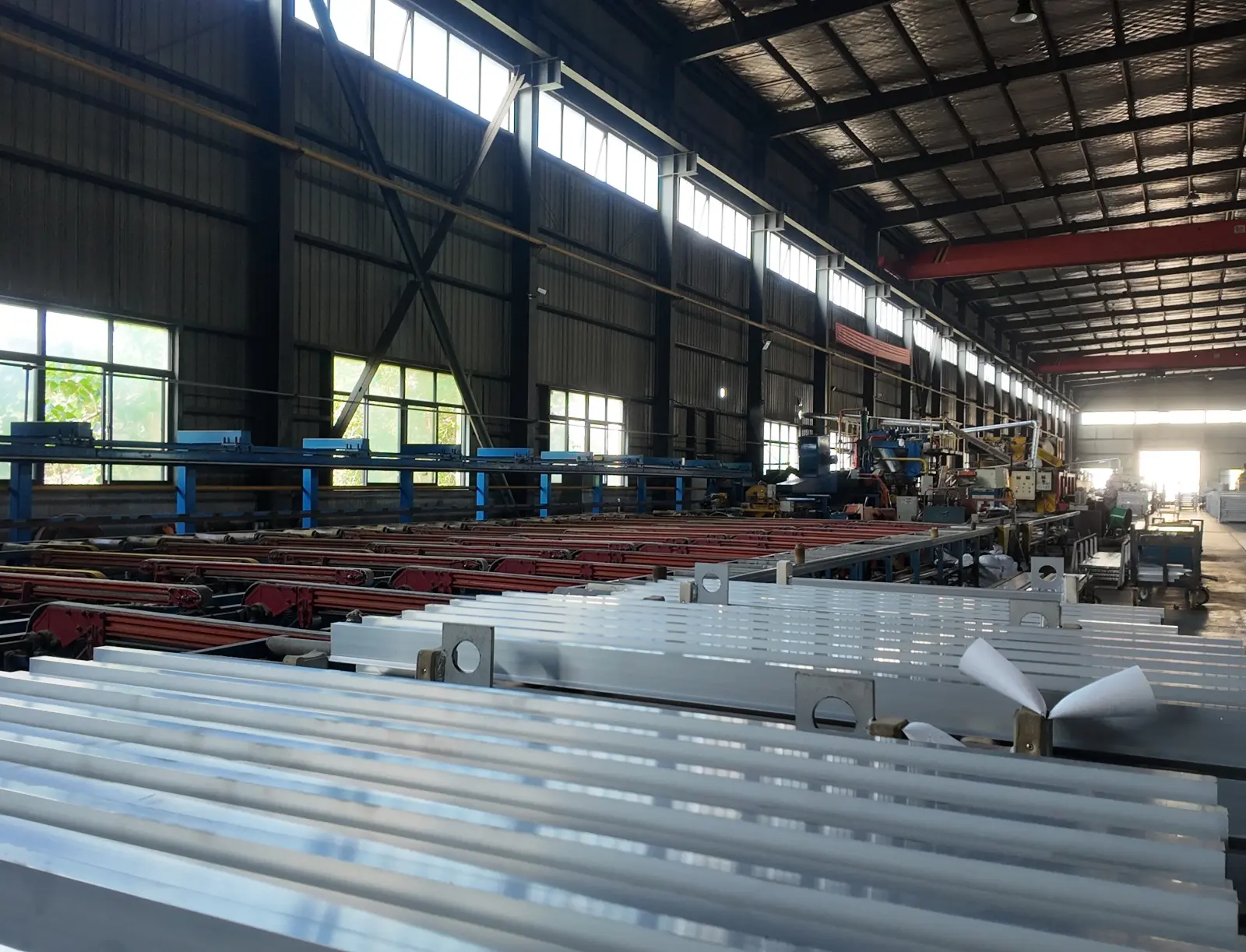
Advanced facilities run multiple extrusion presses ranging from 700T to 2500T. This enables the simultaneous fabrication of small, complex custom fittings and massive, high-strength structural profiles on the same production campus.
Established in 2022 and strategically situated in the Jimo District of Qingdao City, Qingdao Kangjian Aluminum Industry Technology Co., Ltd. has rapidly emerged as a pioneer in high-precision aluminium extrusion and fabrication. Supported by a modern manufacturing campus covering 200 mu, featuring 80,000 square meters of production plants and a 4,000 square meter office complex, our facility is engineered to execute high-volume global contracts.
Currently, the company's production and processing base has achieved an annual output of 15,000 tons of high-grade aluminium profiles. The production floor is staffed by 90 highly skilled technicians and engineers who manage five state-of-the-art extrusion lines. Our extrusion array is structured to accommodate diverse geometry requirements, consisting of:
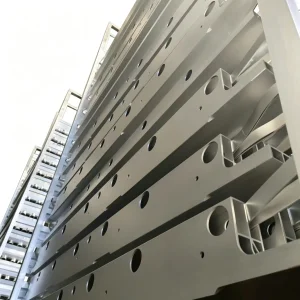
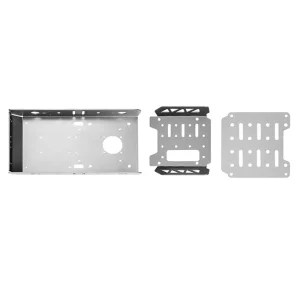
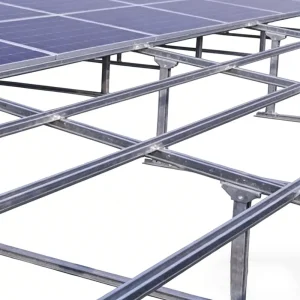
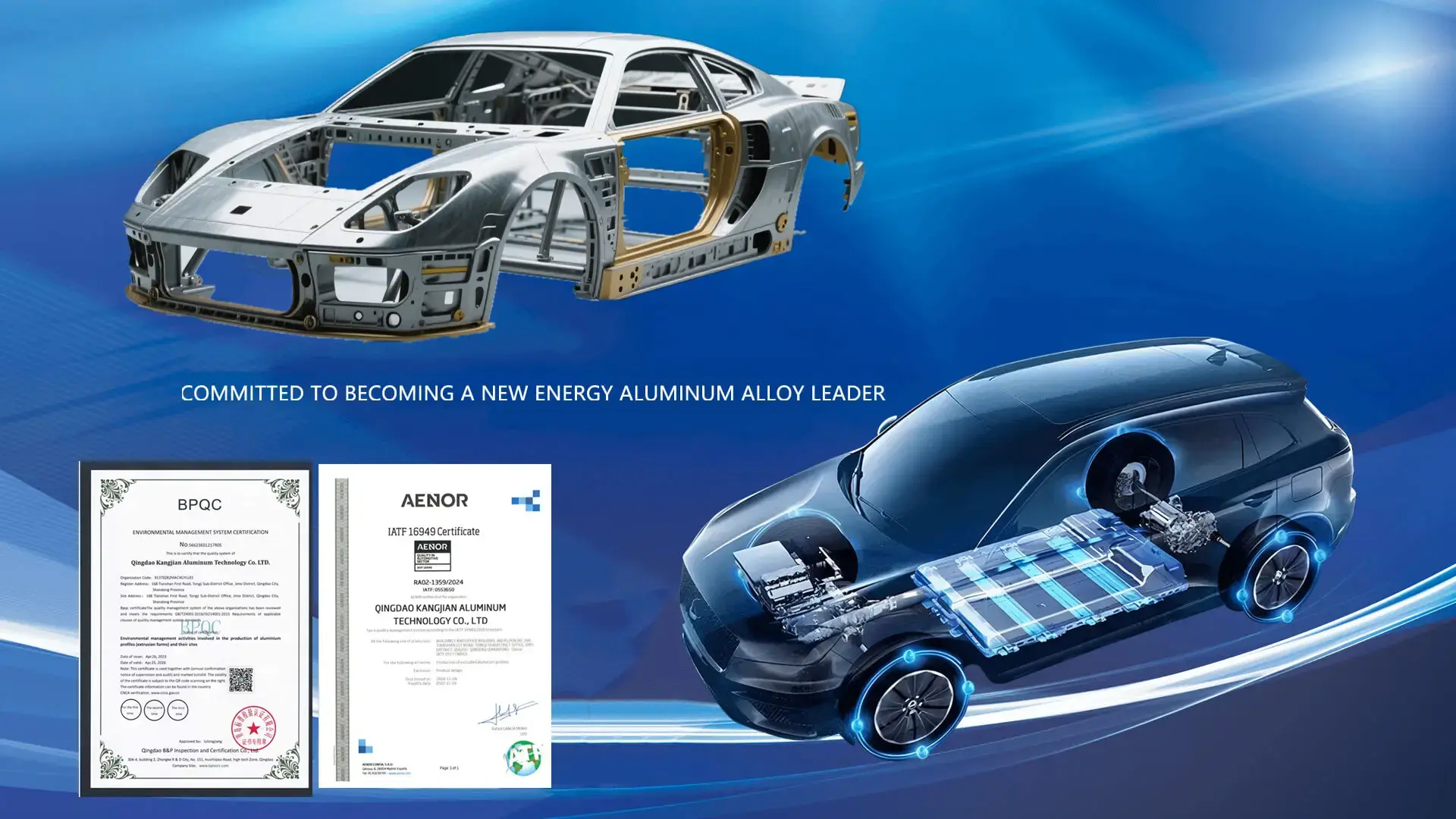
This diverse range of machinery allows us to process high-strength structural profiles for rail transit (high-speed railways, subways), automotive structural parts, maritime structures, industrial solar brackets, and high-performance energy-saving architectural systems.
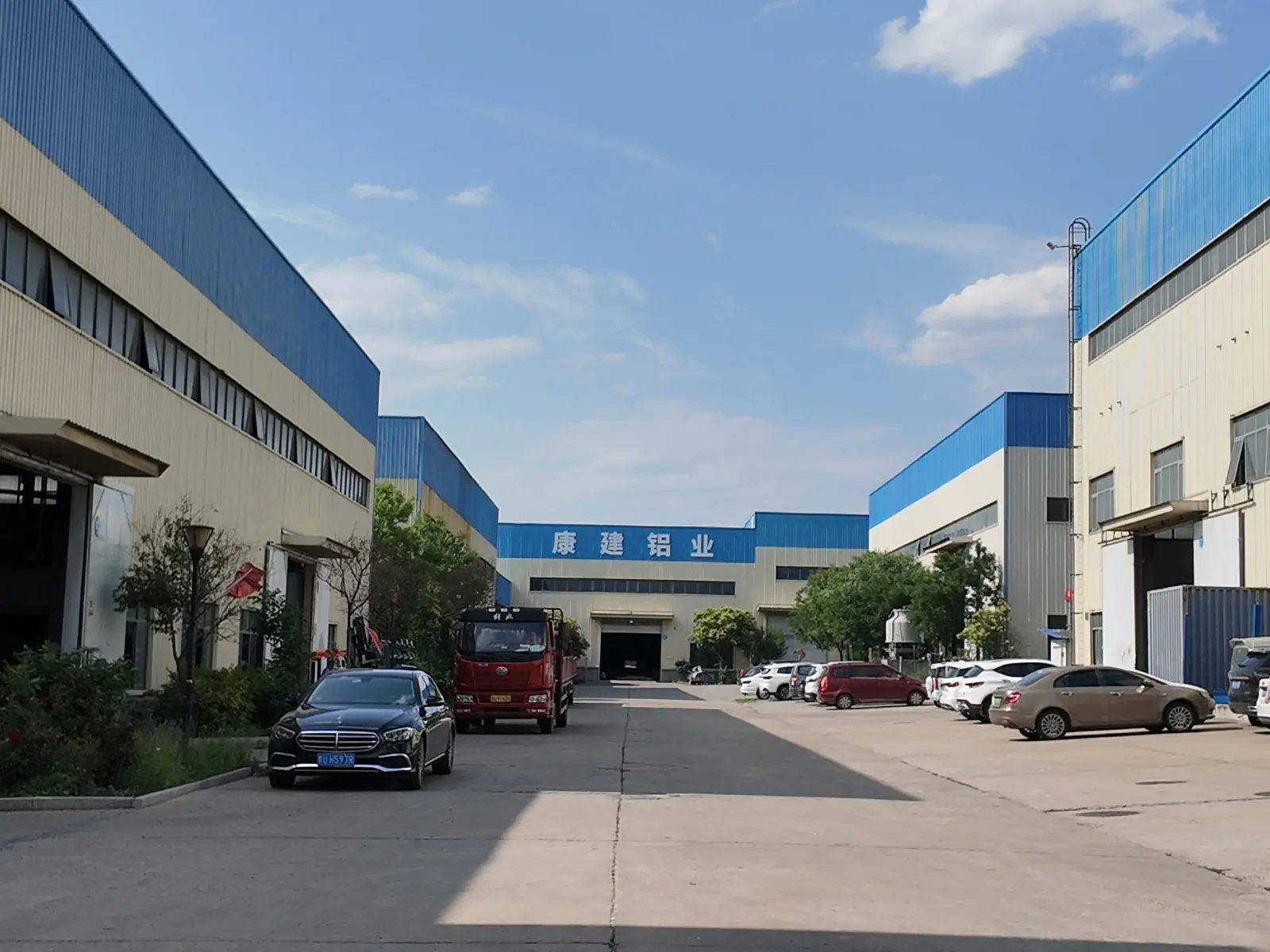
Qingdao Kangjian Manufacturing Campus, Jimo District
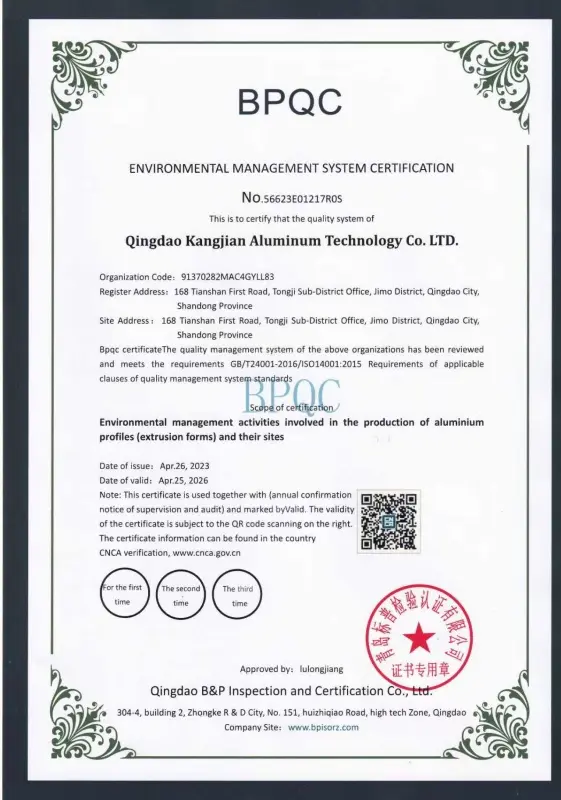
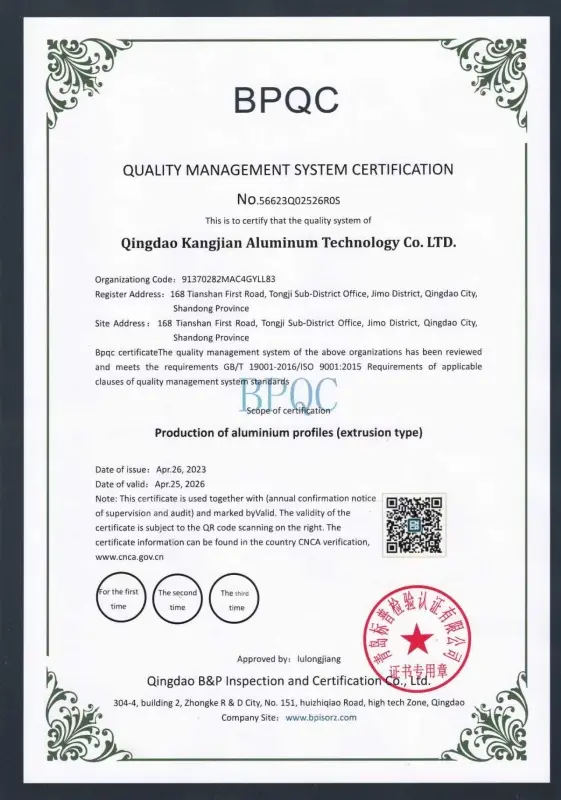
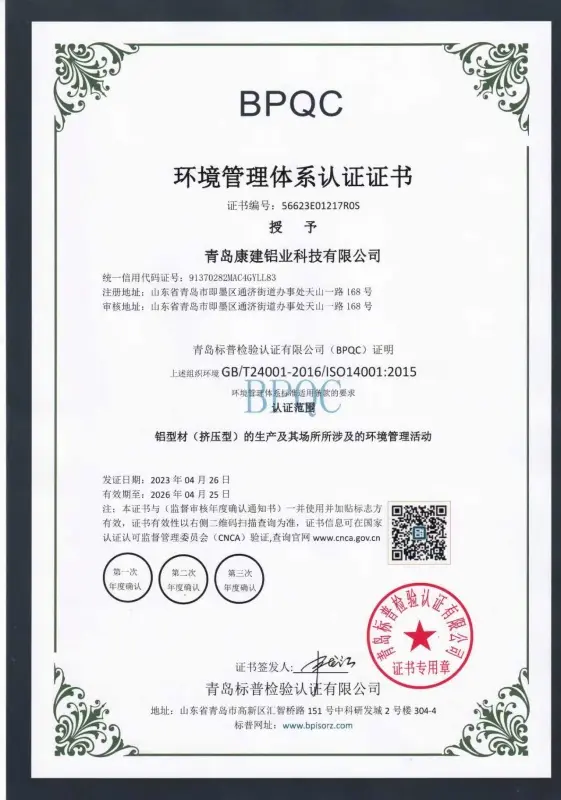
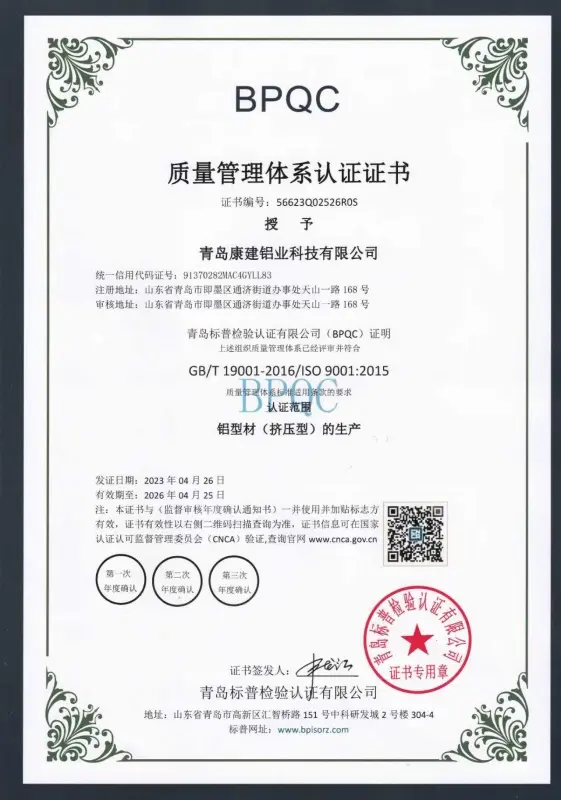
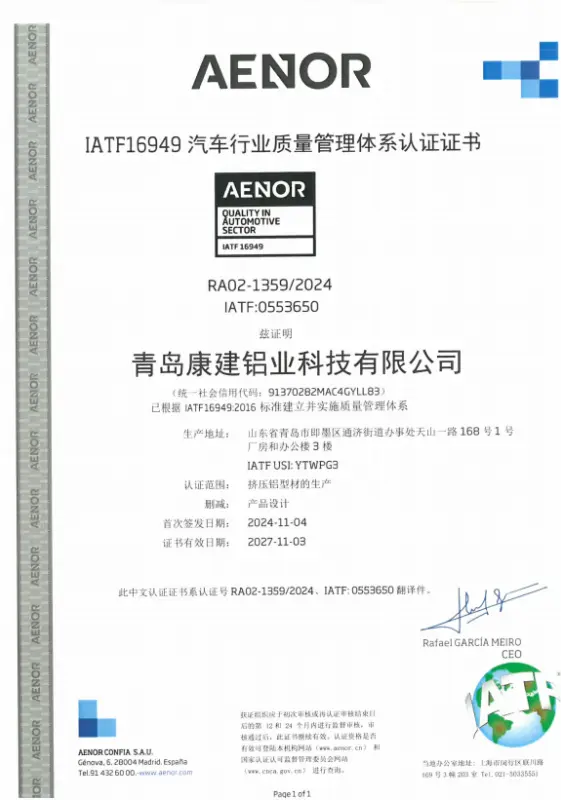
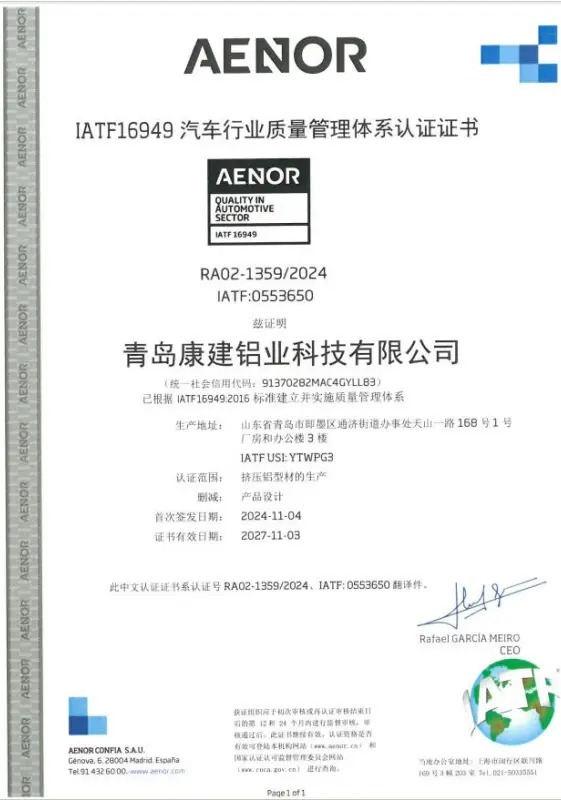
For international procurement, technical credentials represent the baseline of supplier trustworthiness. Qingdao Kangjian operates under a rigorous quality management framework that bridges the gap between architectural standards and demanding industrial requirements. Our systems are backed by multiple international certifications that assure performance and quality control:
By applying automotive and aerospace quality management principles to the production of architectural aluminium door and window profiles, we ensure our profiles deliver exceptional structural performance, wind resistance, and tight assembly tolerances.
Every ton of extruded profile undergoes standard laboratory testing, including tensile strength verification, yield strength mapping, web hardness checks, and coating thickness measurements. In-house testing ensures full compliance with international standards such as EN 12020-2 and ASTM specifications.
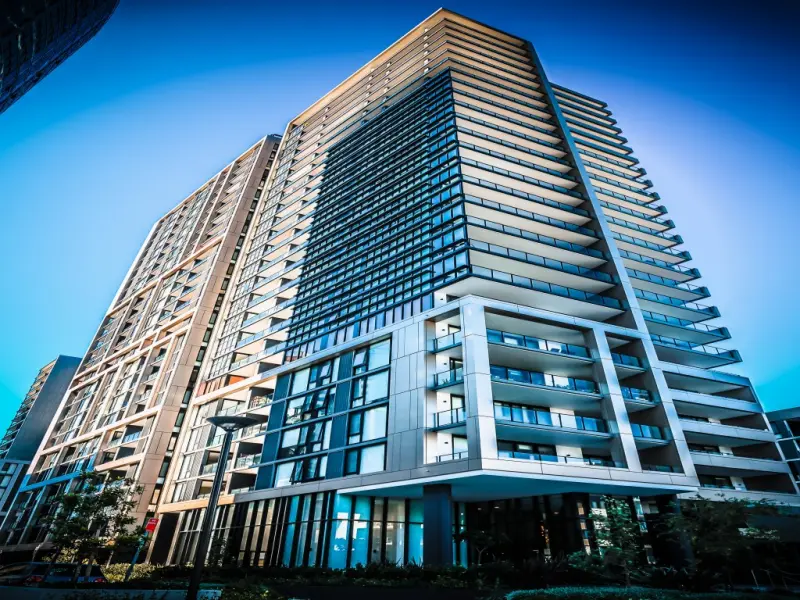
From specialized heavy machinery to high-density modern building envelopes, custom extrusions must align with specific operational environments:

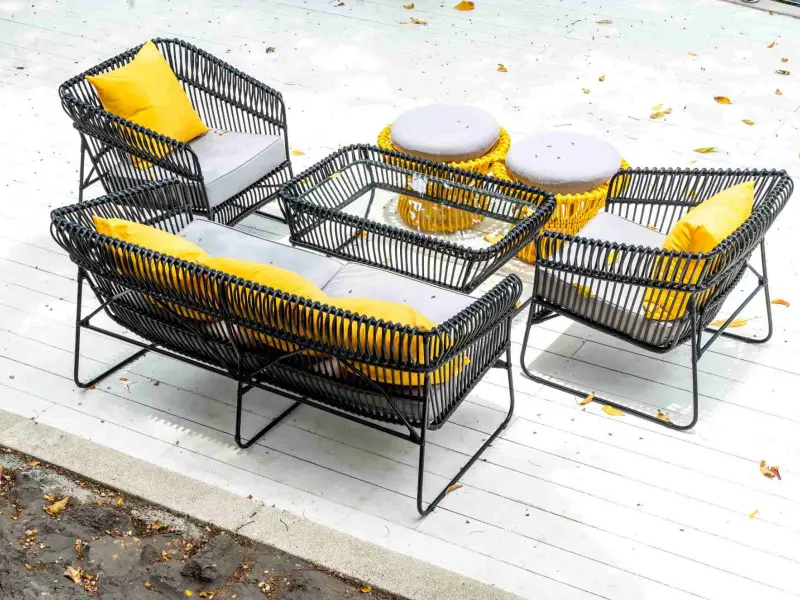
Aluminium profiles are highly versatile. Beyond standard architectural door and window installations, custom profiles are optimized for various localized applications:
High-altitude environments demand profiles with high wind load resistance. For large architectural facades, our custom-designed structural mullions and transoms provide the necessary structural strength. These profiles can be engineered with internal reinforcements to handle extreme positive and negative pressure loads, maintaining structural integrity across large expanses of glass.
Modern residential architecture favors minimalist, ultra-slim framing options that maximize viewable area. These thin profiles must maintain high strength to support large, double- or triple-glazed units. Our high-temper 6063-T6 alloys provide the required strength to allow for slim sights lines while supporting heavy structural loads.
Windows and doors in coastal areas face significant degradation risks from sea air and salt fog. Our specialized anodizing and PVDF coating treatments protect the aluminum substrate, preventing pitting corrosion and maintaining surface finish integrity over decades of service.

The construction sector is prioritizing smart energy management. In Europe and North America, strict energy targets are driving the development of ultra-insulated window designs. New designs integrate wider thermal breaks, multi-cavity insulation inserts, and structural foam components, allowing window units to achieve U-values below 0.8 W/m²K to meet Passivhaus standards. This level of insulation minimizes heat loss, helping projects qualify for green building certifications.
Solar energy integration is expanding from traditional rooftop arrays to active facade systems. Modern curtain walling and structural window frames are increasingly designed to host integrated photovoltaic modules. This structural convergence requires profiles that can safely route electrical connections while supporting the weight of active glazing elements over a long service life.
Procurement teams managing commercial construction projects require high supply chain reliability. Buying directly from China requires managing logistics, customs compliance, and quality control. Partnering with suppliers situated near deep-water ports like Qingdao Port helps minimize domestic transportation times and reduce shipping costs. Crucially, choosing suppliers certified under international quality systems like ISO 9001 and IATF 16949 ensures consistent production and reliable quality, reducing project risk.
Through continuous innovation, Qingdao Kangjian has expanded its service capabilities, shipping high-performance profiles to international markets in South Korea, Japan, North America, and Europe, maintaining steady growth through consistent product quality.
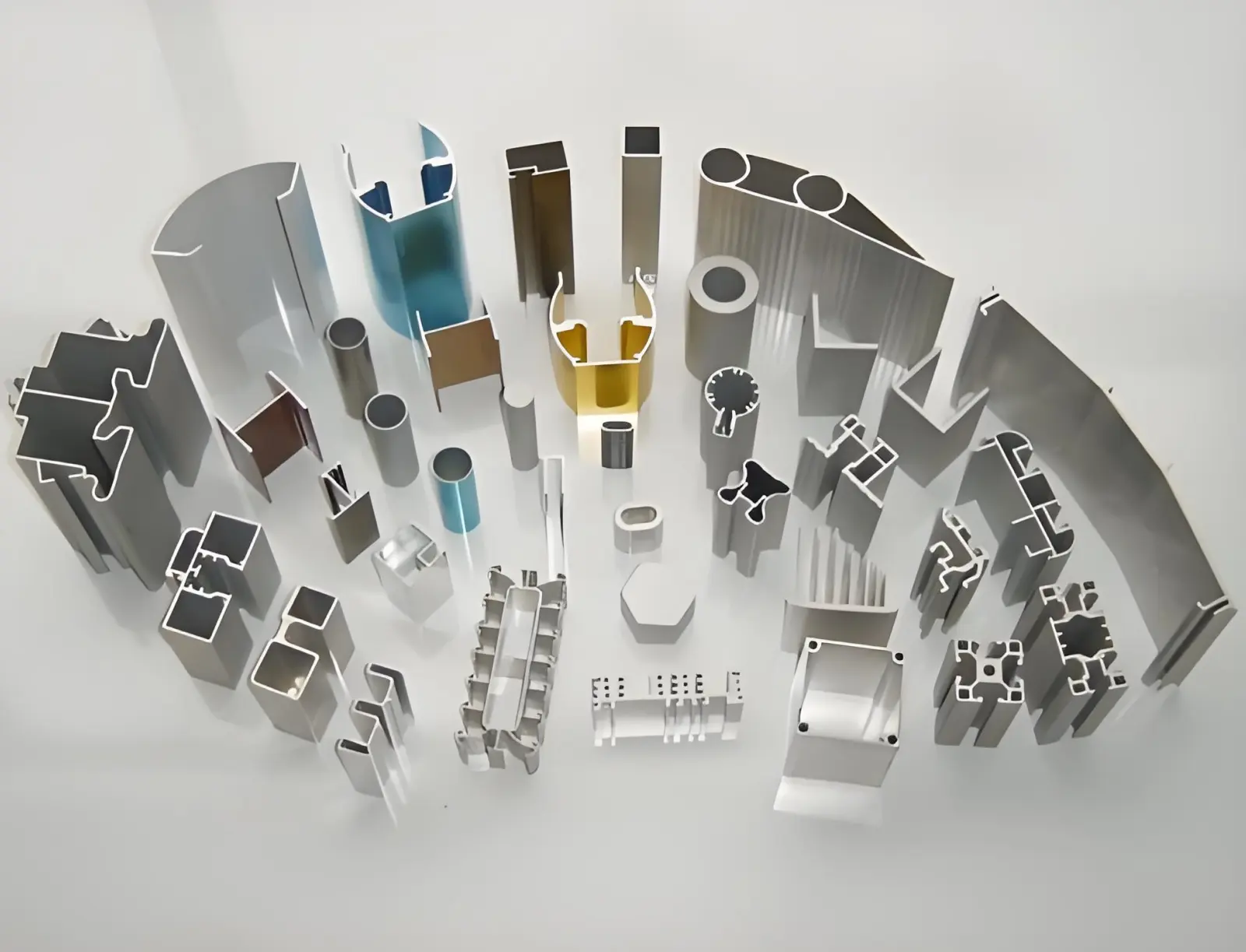
Our structural aluminum profiles are deployed across demanding environments worldwide, including marine harbors, public transit systems, and high-load commercial developments. Working alongside structural engineers and project developers, we customize profile thickness, alloy compositions, and thermal insulation to meet specific local building regulations. Our engineering support includes structural wind load analysis and FEA simulations to verify performance before manufacturing begins.
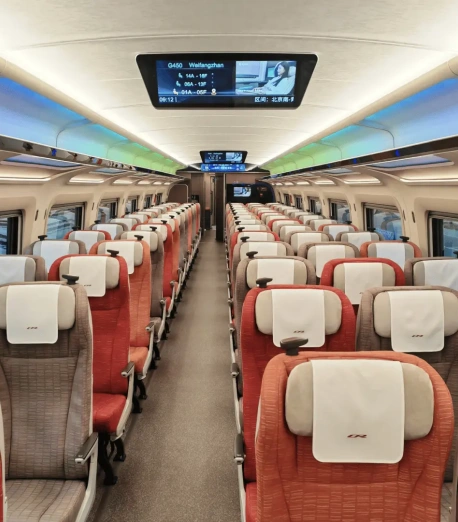
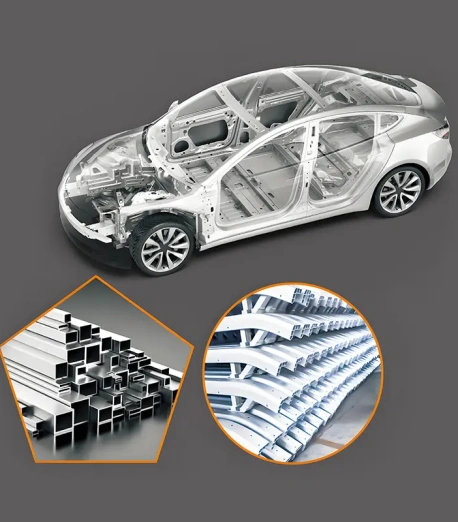
Our engineering processes align with rigorous industry standards, matching high-strength rail welding (EN 15085) and structural bonding (DIN 6701) specifications to ensure high mechanical stability in architectural doors, windows, and large curtain wall assemblies.


For standard architectural applications, 6063-T5 or T6 is the industry standard due to its excellent extrusion characteristics, good mechanical strength, and superior surface finish suitability for anodizing or powder coating. T5 temper is achieved through air-cooling after extrusion, while T6 is artificial age-hardening, yielding higher tensile strength and yield strengths required for high-wind-load structures and commercial curtain wall systems.
Since aluminium is highly conductive, a solid frame allows heat to escape in winter and enter in summer. By splitting the profile into two separate inner and outer sections and joining them with a low-conductivity polyamide strip, we create a thermal break. This significantly reduces the window assembly's U-value, helping developers meet strict green building energy requirements like LEED.
For coastal installations, we recommend either anodizing with a thickness profile of 15 to 25 microns or applying a premium PVDF (polyvinylidene fluoride) powder coating. These surface coatings create a barrier that protects the underlying metal from salt-air corrosion, preventing pitting and maintaining surface aesthetics in coastal environments.
Our manufacturing processes follow IATF 16949 and ISO 9001 quality guidelines. In-process inspection includes cross-sectional dimension verification via electronic projection templates, web hardness testing, tensile test bar execution, and surface defect checks. These steps ensure every batch of extruded profiles meets structural performance standards before shipment.
Proximity to a major maritime logistics hub like Qingdao Port reduces domestic transport times, minimizes handling risks, and lowers shipping costs. This proximity enables efficient transport of heavy container loads, helping buyers streamline supply chain logistics for large structural orders.