Kangjian
Kangjian
Kangjian
Explore our leading heavy-duty extrusions, custom robotic frames, and integrated LED mounting systems certified to meet aerospace, rail, and automotive standards.
In the current global industrial landscape, the transition toward lightweight materials, high energy efficiency, and high strength is accelerating. Engineered aluminum profile extrusions and precision-machined aluminum components have transitioned from standard architectural solutions into structural cornerstones for high-speed railways, aerospace vessels, next-generation electric vehicles (EVs), renewable energy mounting grids, and automated industrial robotics.
Choosing a dedicated China aluminum part supplier and factory like Qingdao Kangjian Aluminum Industry Technology Co., Ltd. offers global procurement divisions, engineering firms, and original equipment manufacturers (OEMs) an integrated vertically-aligned production model. By utilizing advanced grades (such as Al-Mg-Si alloys 6061 and 6063) under T5 and T6 tempering designations, structural designers can achieve the optimal strength-to-weight ratio needed to reduce dead weight without sacrificing loading capacities.
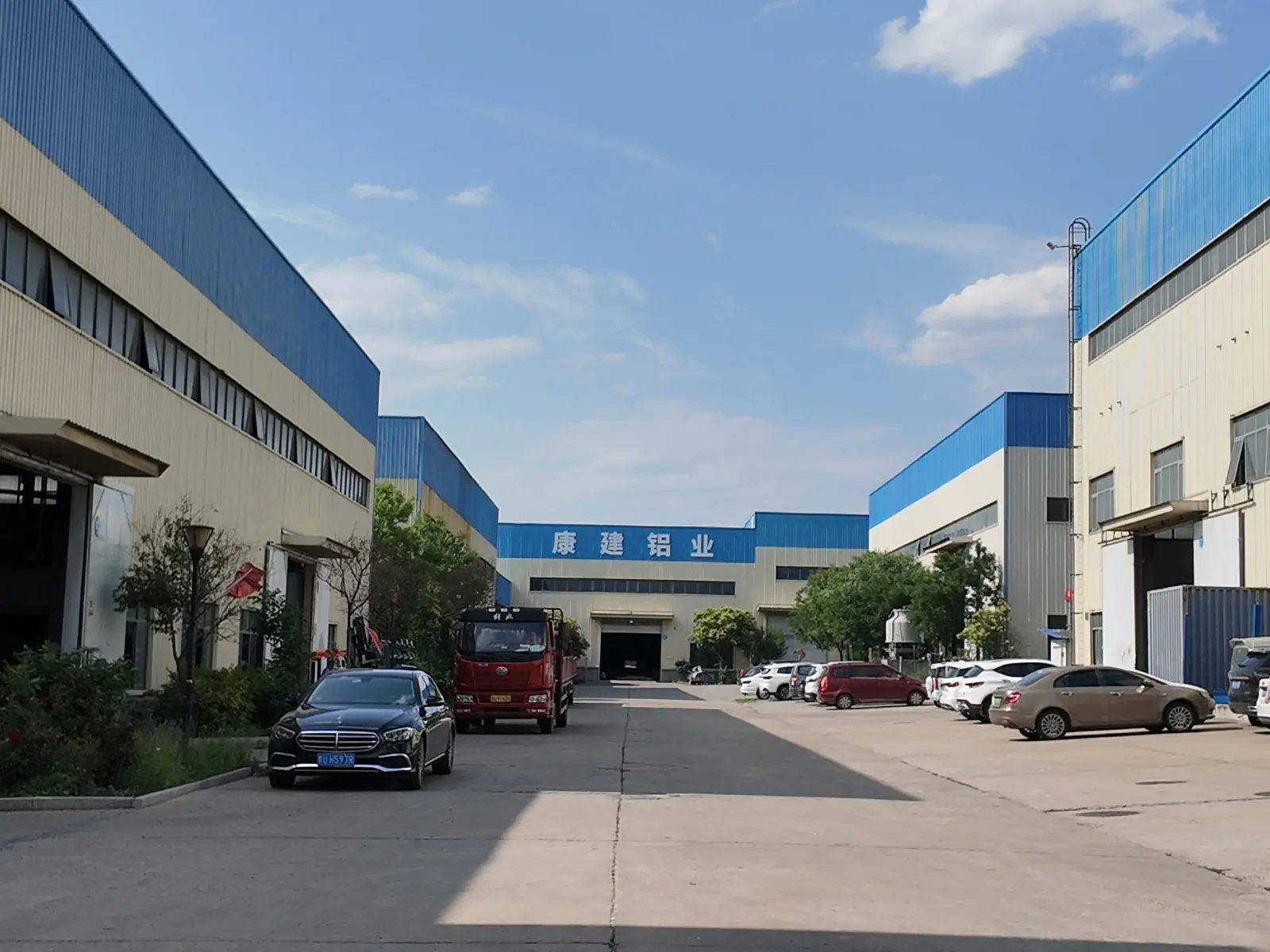
Established in 2022 and situated within Jimo District, Qingdao, China, Qingdao Kangjian Aluminum Industry Technology Co., Ltd. has developed a world-class manufacturing complex covering 200 mu (approx. 133,300 sq. meters) with 80,000 square meters of specialized factory floor.
Equipped with 5 high-precision extrusion production lines, featuring one 2500T, one 1450T, one 1150T, and two 700T extruders. This configuration allows us to form complex profiles and massive structural components.
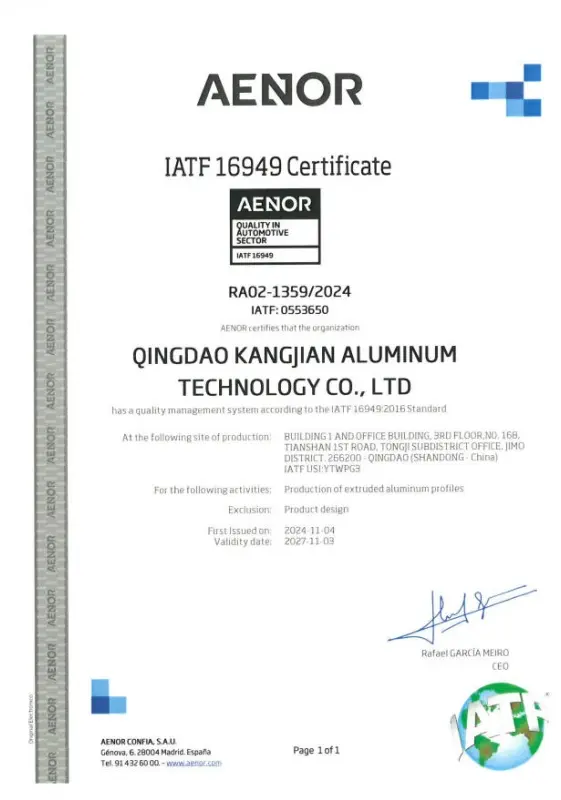
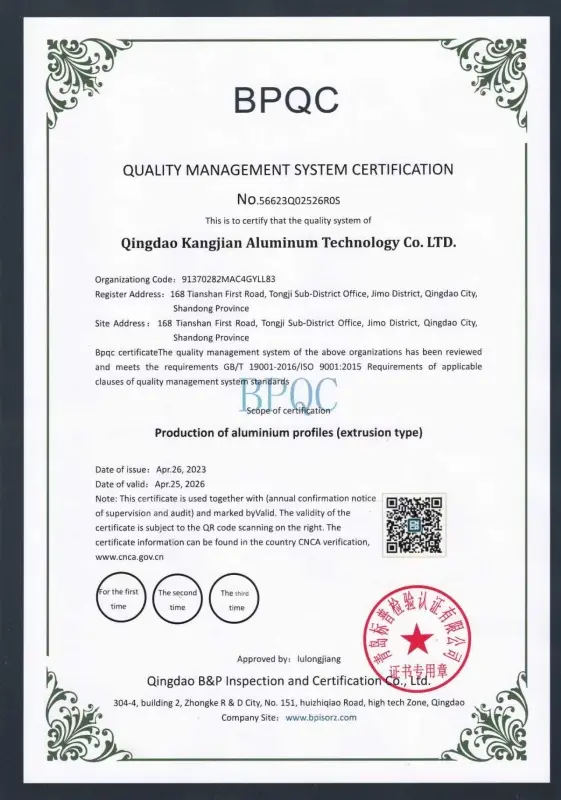
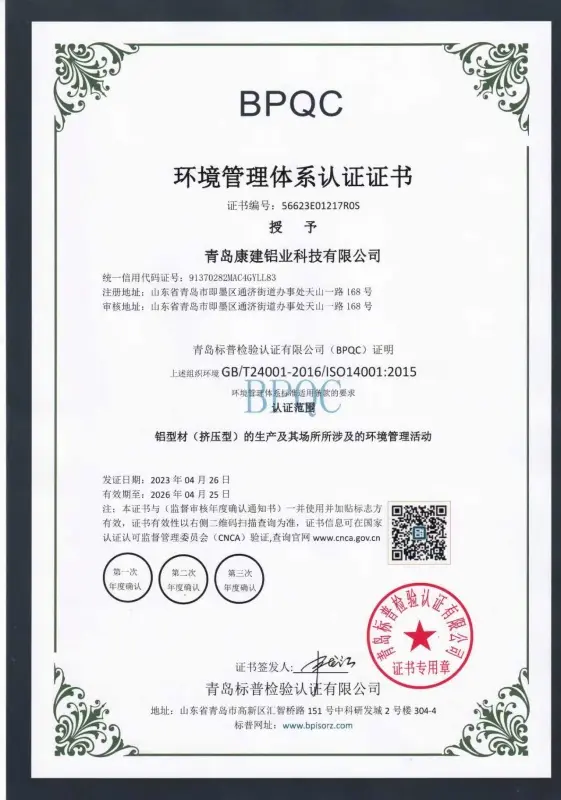
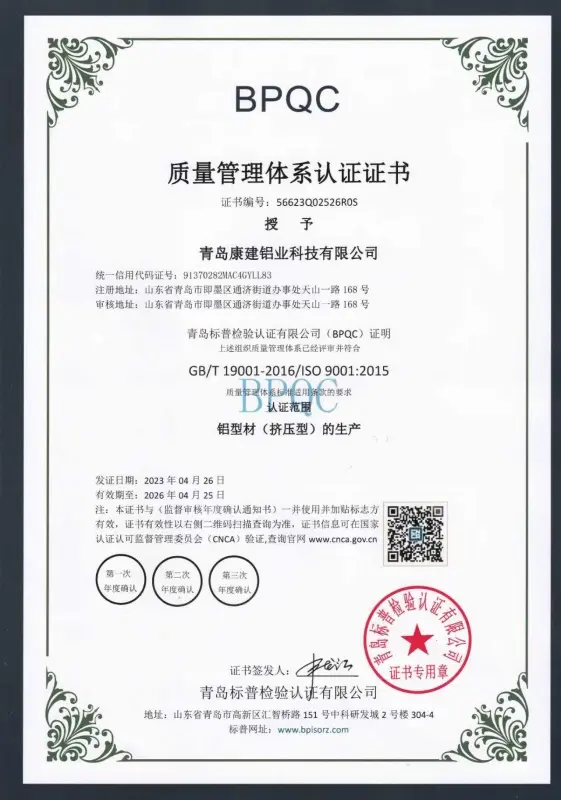
Fully accredited under IATF 16949 (Automotive Quality Management), ISO 22163 (IRIS Railway Standard), EN 15085 & ISO 3834 (Welding Systems), DIN 6701 (Bonding systems), ISO 9001, and ISO 14001.
Leveraging Qingdao Port's global logistics hub, our export routes directly serve critical infrastructure projects across South Korea, Japan, the United States, and major European industrial hubs.
Optimizing aluminum extrusions requires precise management of mechanical properties, microstructural uniformity, and chemical compositions. Below is our engineering roadmap for custom OEM aluminum component fabrication.
| Alloy Grade | Temper | Tensile Strength (MPa) | Yield Strength (MPa) | Primary Applications | Machinability & Corrosion |
|---|---|---|---|---|---|
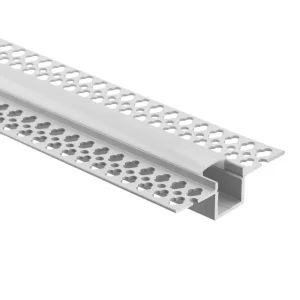
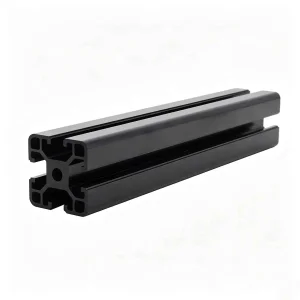
| 6063 Aluminum | T5 / T6 | ≥ 150 - 186 | ≥ 110 - 160 | LED Strip Profiles, Windows, Doors, Decorative Tubes | High surface finish, excellent anodizing response |
| 6061 Aluminum | T6 | ≥ 260 - 290 | ≥ 240 - 276 | Robot Mechanical Arms, Structural Frames, Base Mounts | Heavy-duty structural load capacity, weldable |
| 6082 Aluminum | T6 | ≥ 290 - 310 | ≥ 250 - 260 | Rail Transit, Marine Frames, Cable Tray Ladders | Outstanding resistance to marine environments |
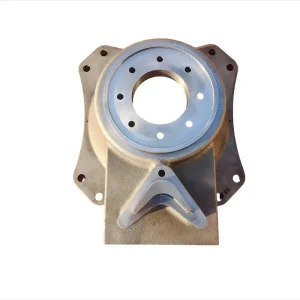
Our CNC machining facilities integrate multi-axis milling, drilling, tapping, and high-precision cutting. This ensures geometric tolerances of up to ±0.05mm for demanding components like robotic joints and automotive transmission parts.
We offer a comprehensive selection of finishes, including clear and color anodizing, heavy-duty powder coating, electrophoresis, and sandblasting. These treatments enhance corrosion resistance, wear protection, and aesthetic appeal.

Born by the Yellow Sea in Qingdao, the founding vision of Kangjian Aluminum in 2022 was to bridge the gap between heavy industrial extrusion demands and high-precision processing capabilities. Leveraging the geographical advantages of a major port city, Kangjian integrates raw material sourcing with deep-processing capabilities.
This "dual-sea layout"—serving both the vast domestic infrastructure sectors and the demanding overseas markets—ensures that Kangjian's profiles support critical operations worldwide, from giant gantry cranes in Nordic ports to precision components for automotive assembly lines.
Qingdao's advanced industrial ecosystem provides Kangjian with direct access to primary aluminum smelting clusters and raw ingot supplies. This local supply chain reduces raw material transit times and minimizes exposure to global commodity volatility.
Through in-house mold design and tooling manufacturing, we reduce production cycles for custom profiles from several weeks to just 10-15 working days. This rapid turnaround helps global clients minimize inventory costs and accelerate product launch cycles.
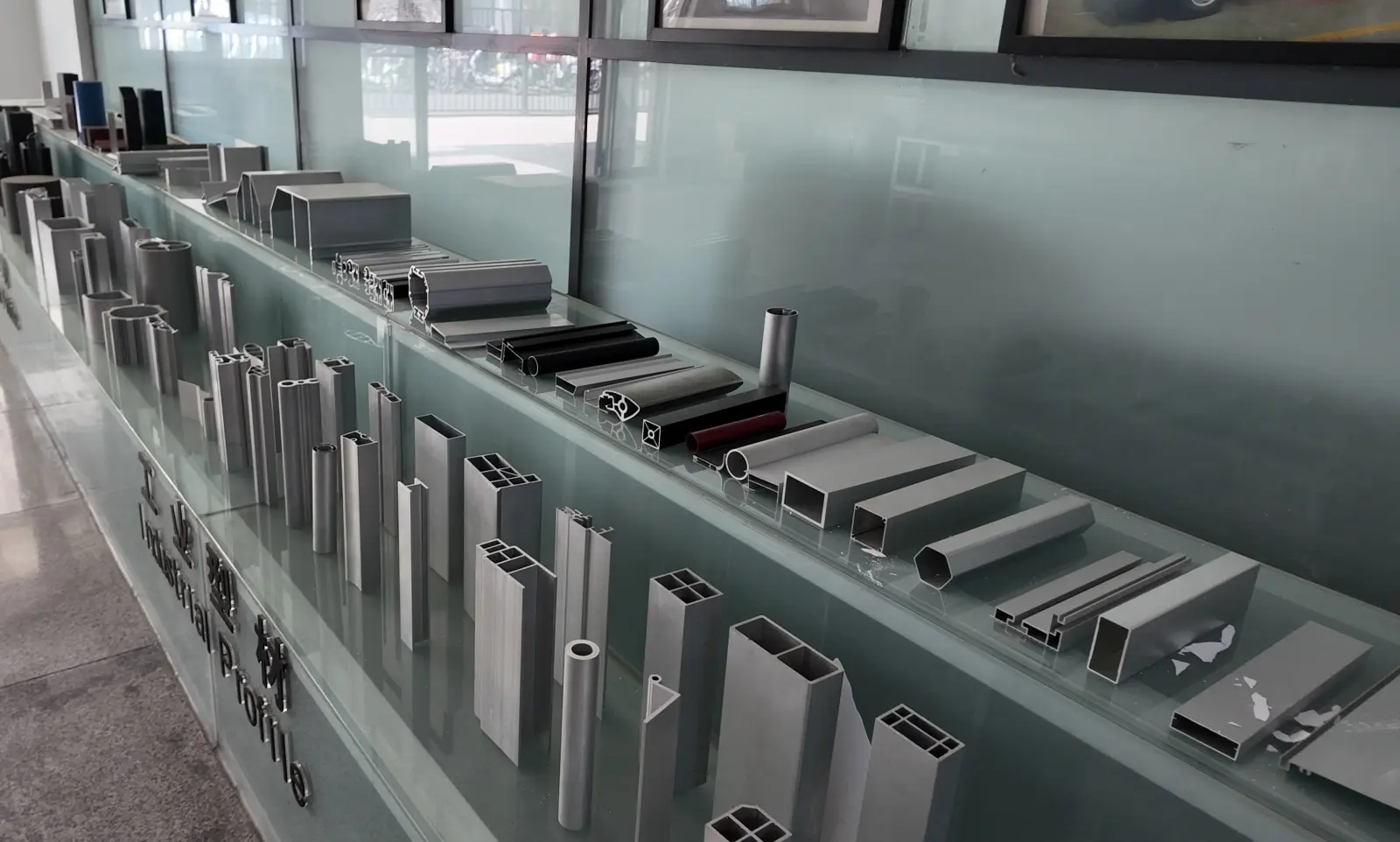
Custom aluminum extrusions are engineered for reliability and long-term durability in demanding operating environments.

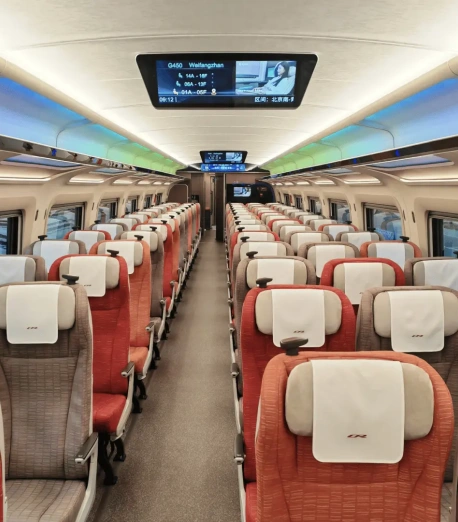
Optimized lightweight alloys design for train bodies, interior floor frames, structural supports, and electrical wire channels.
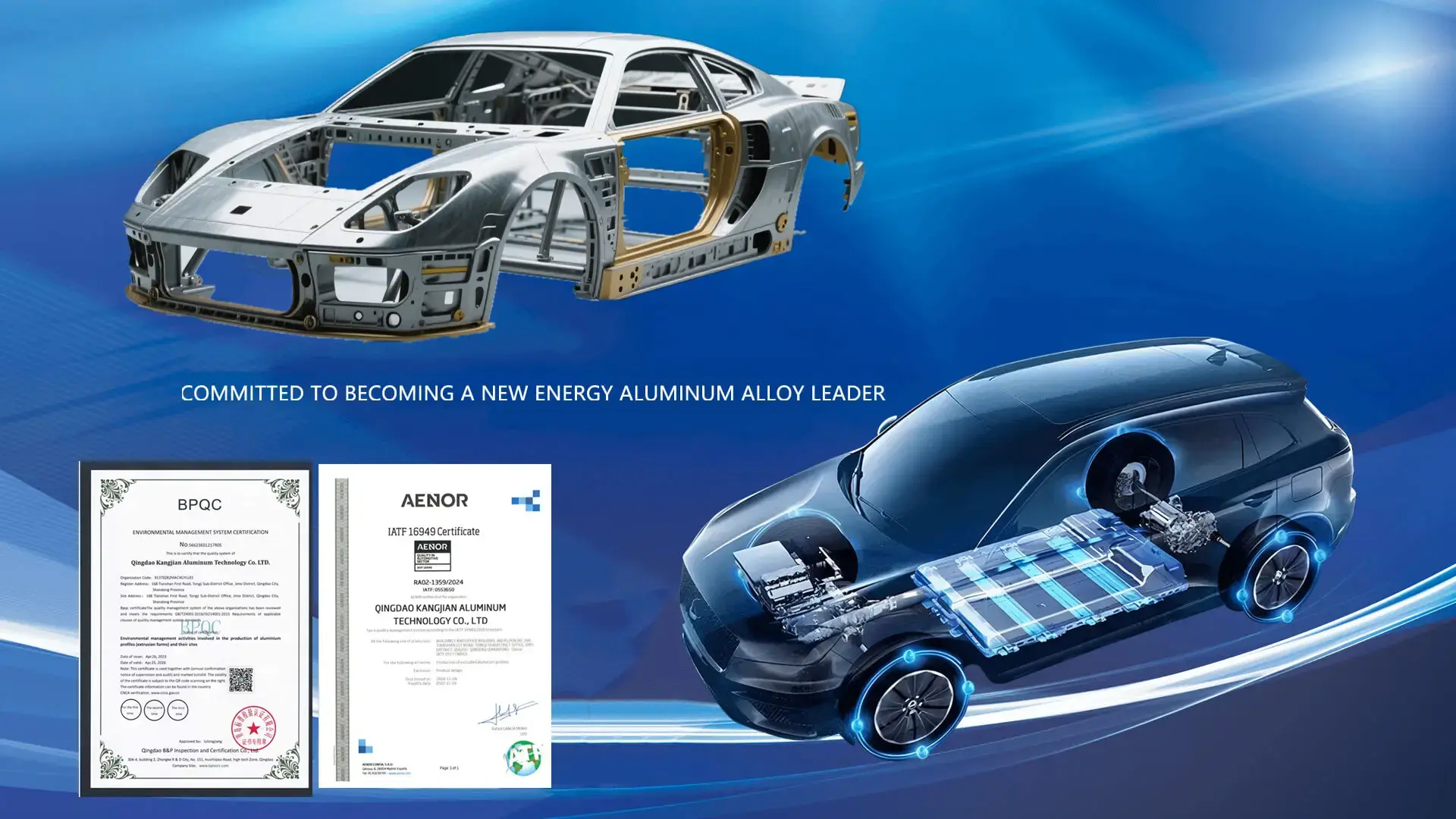
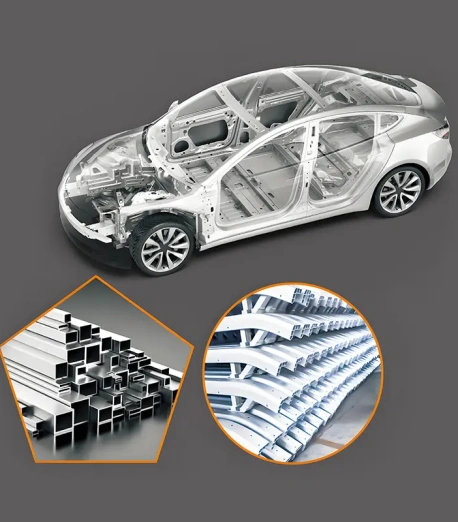
Precision bumper beams, side impact bars, energy-absorption crash boxes, and electric vehicle battery casing frames.
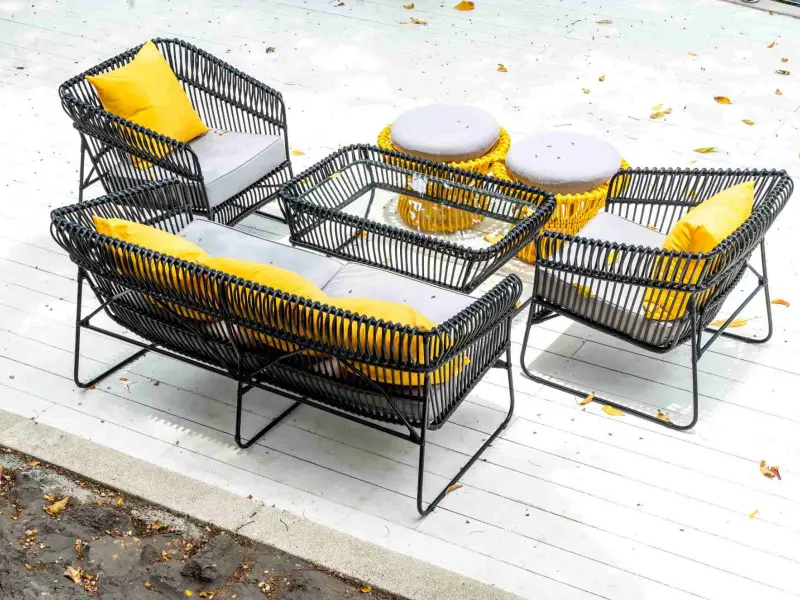
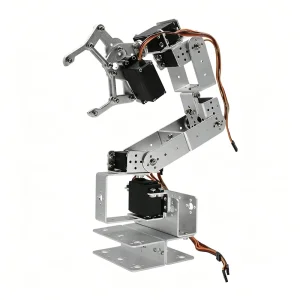
High-strength 6061-T6 structural arm parts, base mounts, crossbeams, and chassis frames for automated AGV robots.
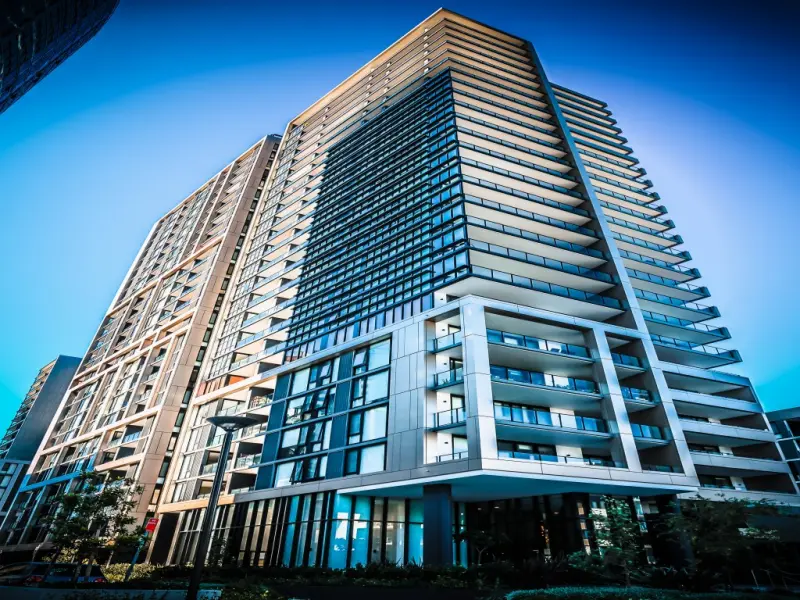
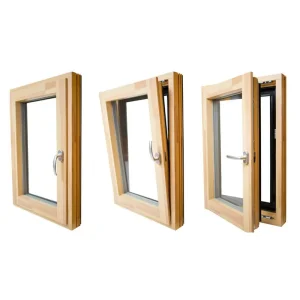
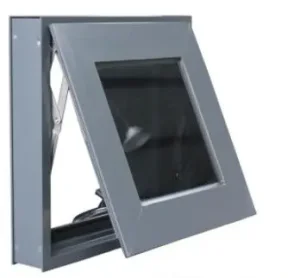
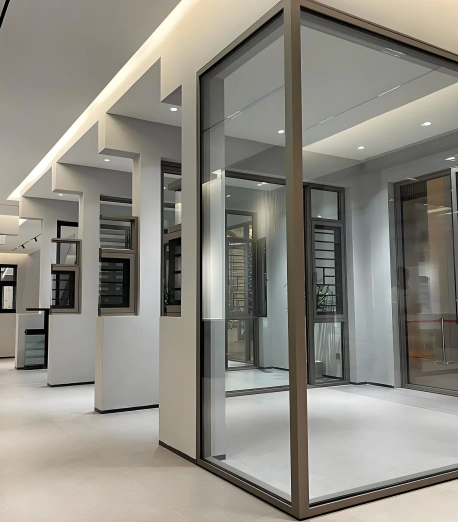
High-efficiency thermal break profiles for exterior windows, curtain walls, and building envelopes with enhanced insulation.
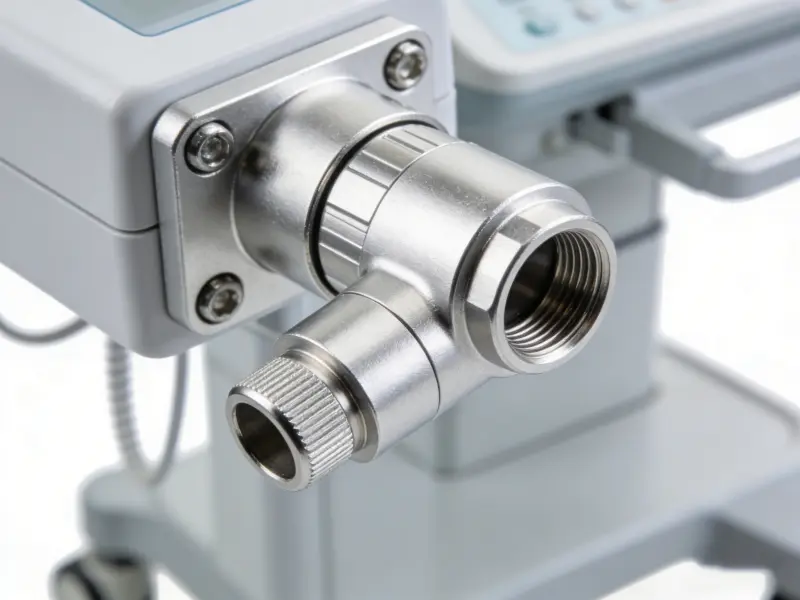
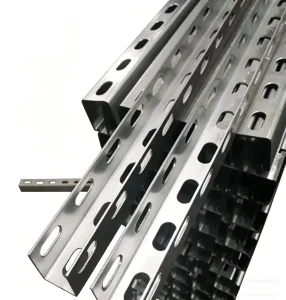
Hygienic, anodized cleanroom structures, durable medical bed frames, and lightweight industrial cable tray ladders.
A major challenge in custom structural aluminum sourcing is guaranteeing reliable joints, consistent metallurgical microstructures, and durable surface finishes. Kangjian maintains rigorous internal testing facilities to perform mechanical tensile testing, grain boundary inspections, and salt spray testing.
Our welding and assembly systems are certified to EN 15085 and ISO 3834 standards, ensuring high-integrity weld joints on railway structures and heavy-duty chassis. We also hold the DIN 6701 certification, confirming compliance with European standards for structural bonding in rail and public transport applications.
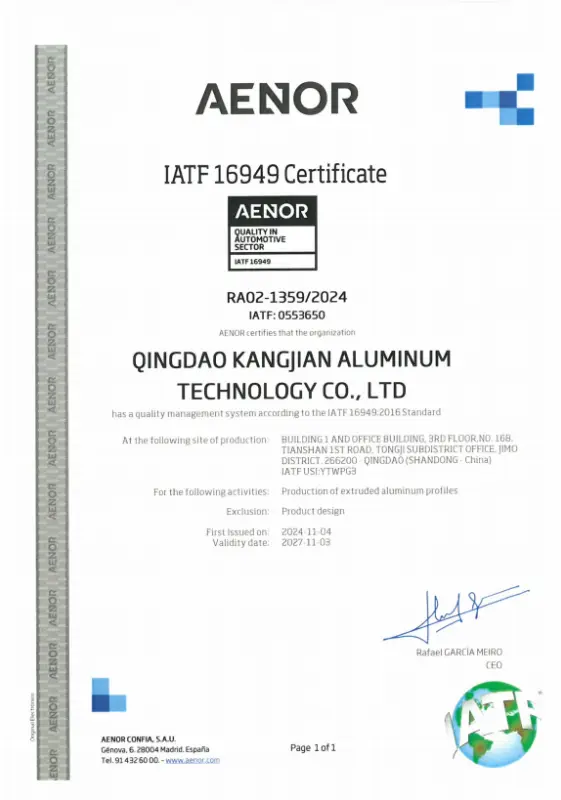
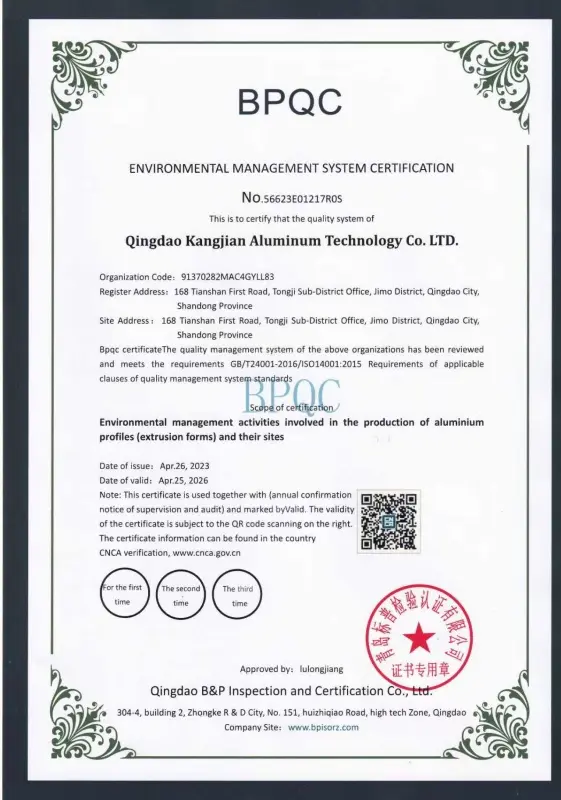
Proven performance in diverse settings: our structural profiles support heavy harbor cranes, rail networks, automated warehouses, and marine structures.
Answers to common technical, logistics, and quality assurance questions for engineers and purchasing managers sourcing from China.
6061 aluminum alloy offers higher tensile strength (typically 260-290 MPa in T6 temper) and yield strength, making it ideal for structural applications like robotic arms, base mounts, and heavy automotive frames. 6063 aluminum alloy provides moderate strength with superior surface finish characteristics and excellent extrusion capability. It is the preferred choice for detailed geometries, LED profiles, and architectural window or door components.
For standard extruded profiles, we adhere to the ISO 2768-m (medium) class or fine structural tolerance codes. For post-extrusion CNC machining, drilling, and milling operations, we can achieve tolerances up to ±0.05mm, satisfying the precision requirements of automotive, aerospace, and robotics manufacturers.
IATF 16949 is a global quality management standard for the automotive industry. It requires strict process controls, defect prevention, and continuous improvement across the production line. This certification verifies that our aluminum parts, bumper structures, and battery trays meet the reliability requirements of tier-1 automotive supply chains.
Our integrated tooling design department can manufacture extrusion dies within 10 to 14 days, depending on the complexity of the profile's cross-section. Sample prototypes are typically extruded and surface-treated within 5 to 7 days after the mold is complete.
EN 15085 is the European standard governing the welding of railway vehicles and components. Holding this certification confirms that our welding engineers, technicians, and procedures are approved for fabricating load-bearing components like locomotive frames, subway body structures, and high-speed rail profiles.
Explore our catalog of solar brackets, industrial automation components, precision robotic structural frames, and custom CNC alloy components.