Kangjian
Kangjian
Kangjian
Explore our primary tier of engineered structural profiles tailored for heavy industry, construction frames, and robust automation kits.
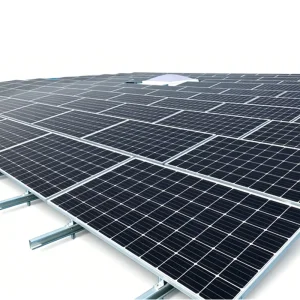
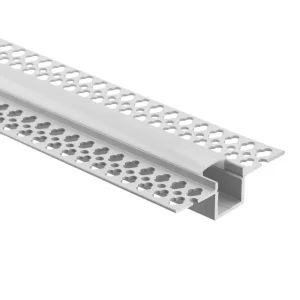
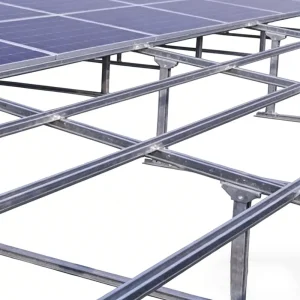
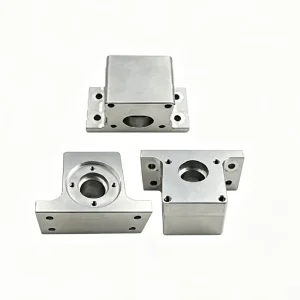
In modern global manufacturing, the shift toward structural lightweighting, carbon reduction, and rapid prototyping has positioned extruded aluminum profiles at the core of heavy engineering. As a vital component across sectors like high-speed rail, automotive chassis integration, renewable solar mounting, and specialized marine assemblies, selecting a manufacturer is no longer just a purchasing transaction—it is a critical strategic partnership.
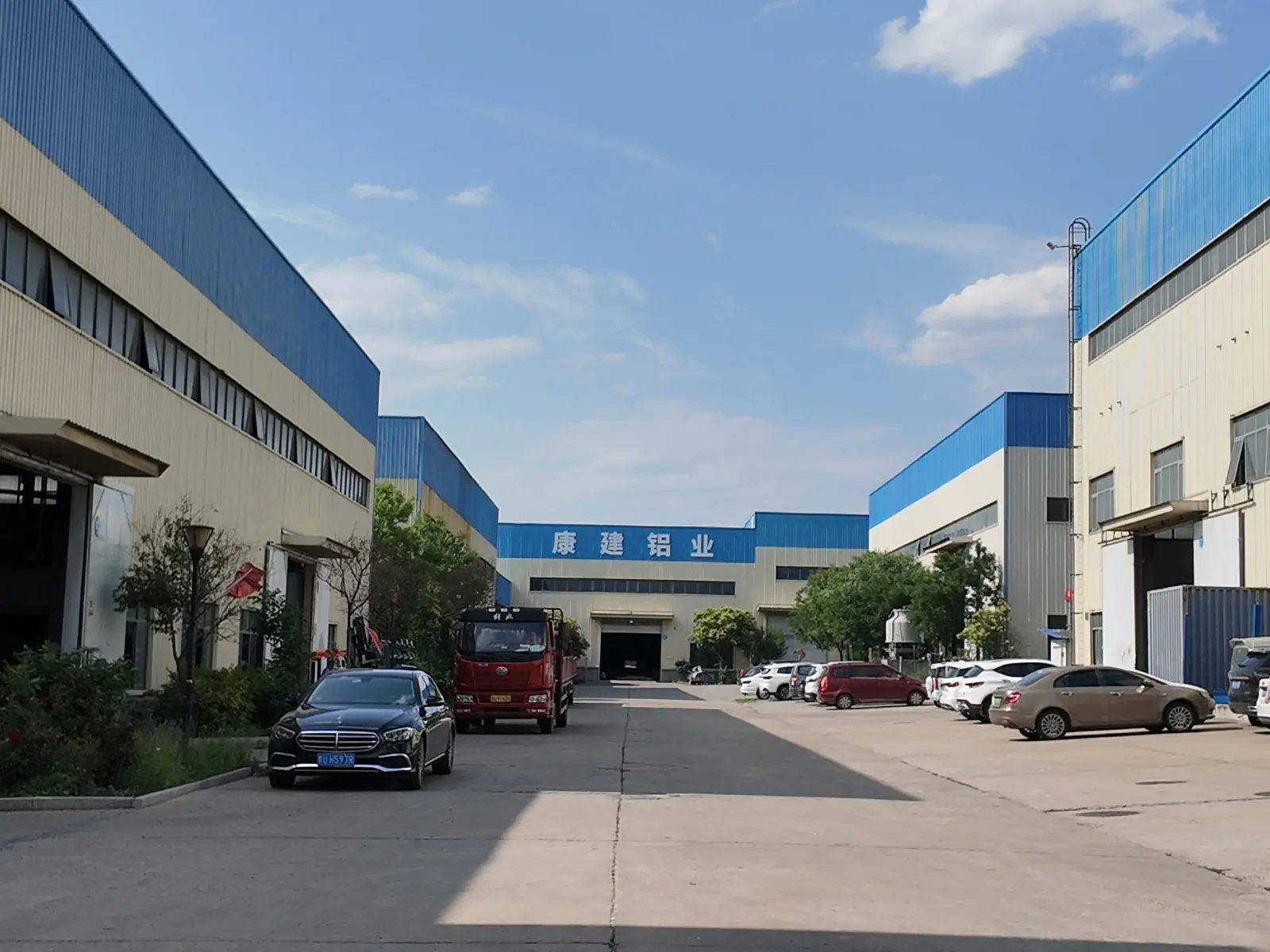
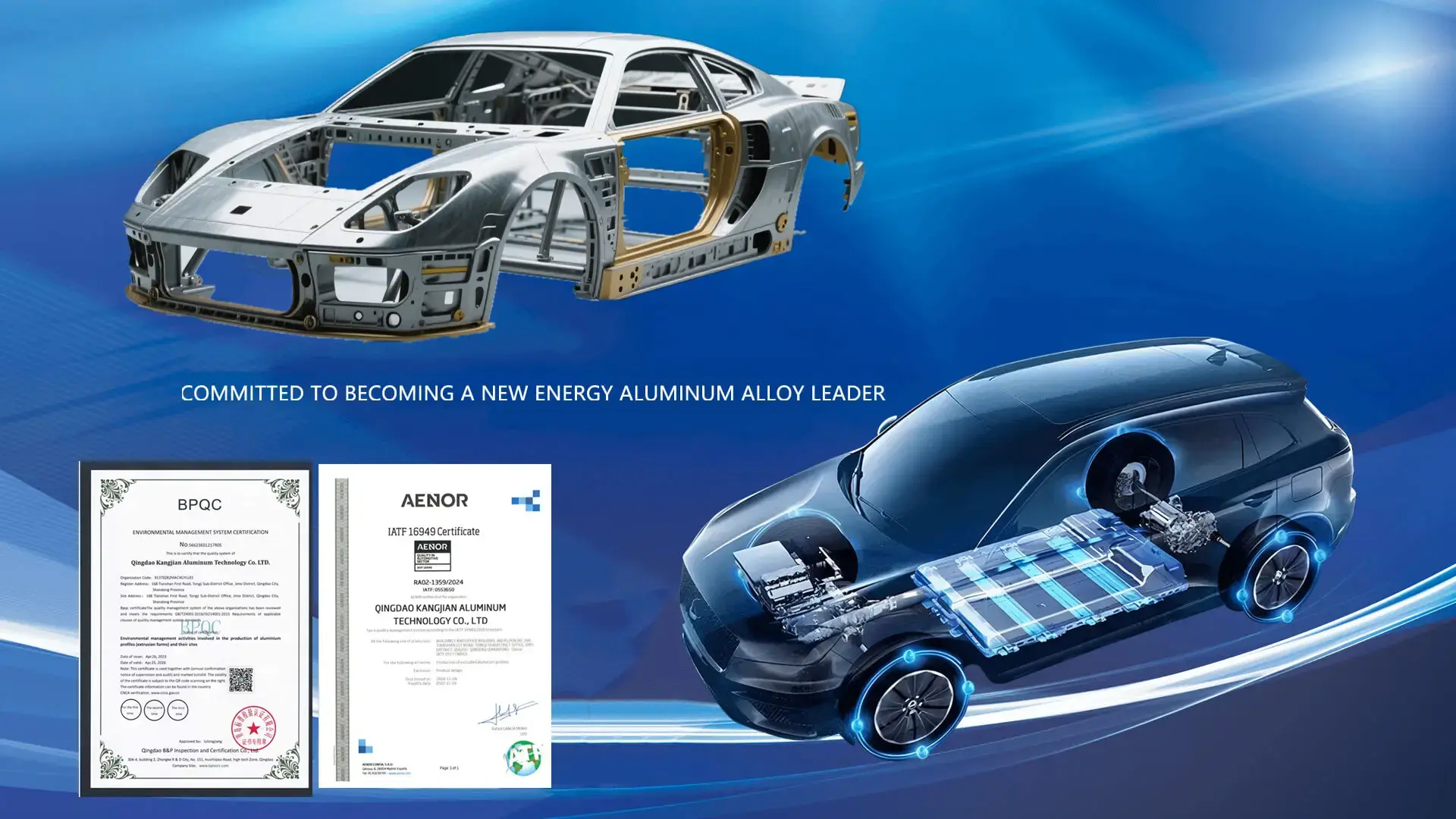
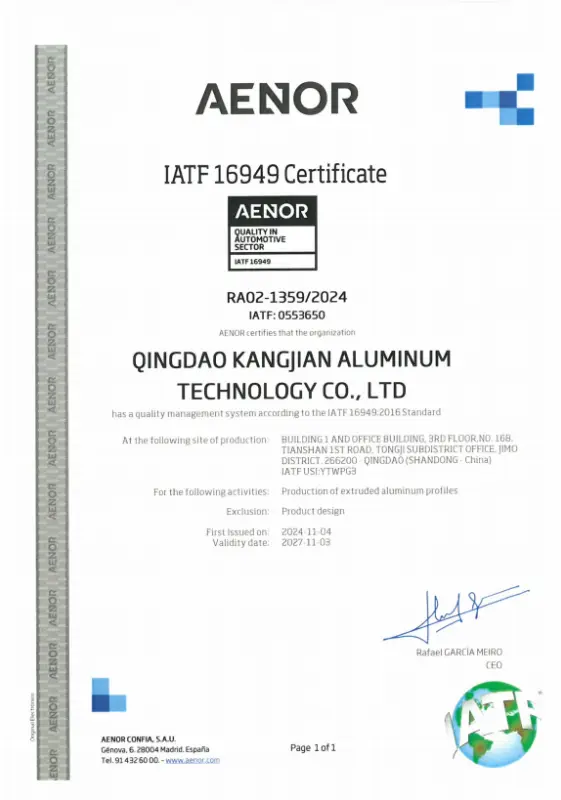
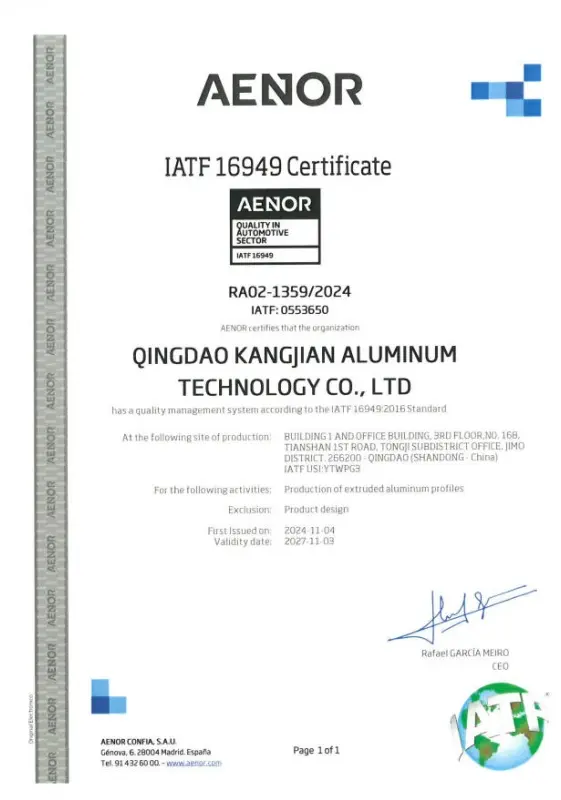
China has emerged as the global epicenter for advanced aluminum alloy development. Among its leaders, Qingdao Kangjian Aluminum Industry Technology Co., Ltd. stands as a benchmark of modern engineering, integrating state-of-the-art multi-ton extrusion lines with strict quality management systems (including IATF 16949 for automotive and ISO 22163 for rail transit).
Meeting stringent tolerances and varied mechanical demands across diverse industrial sectors.
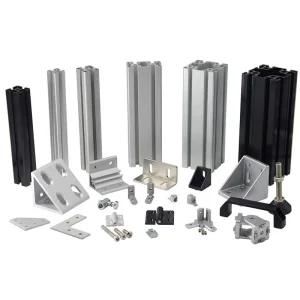
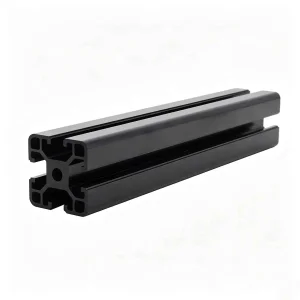
Modular T-slot frames, cleanroom structures, and machine bases fabricated using 6063-T5/T6 alloys to balance mechanical load capacity with aesthetic finish.
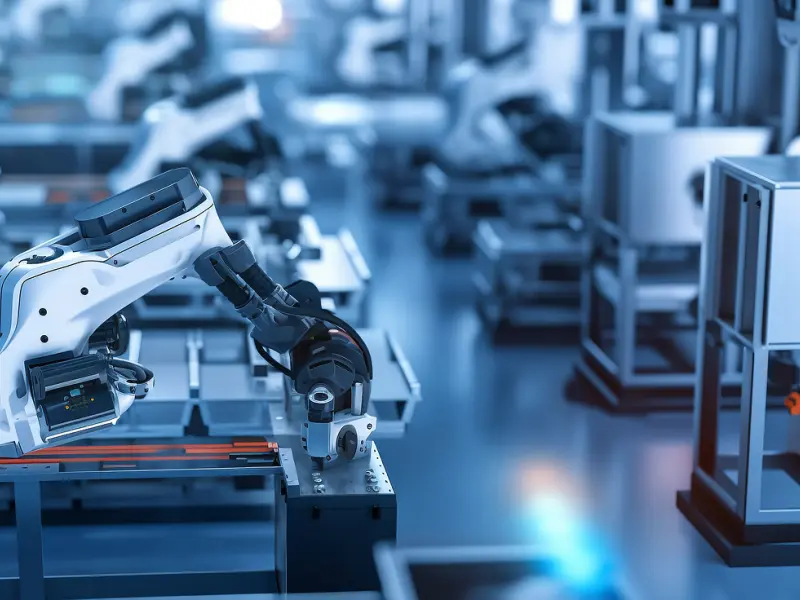
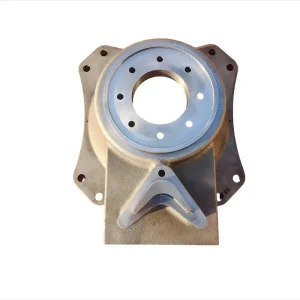
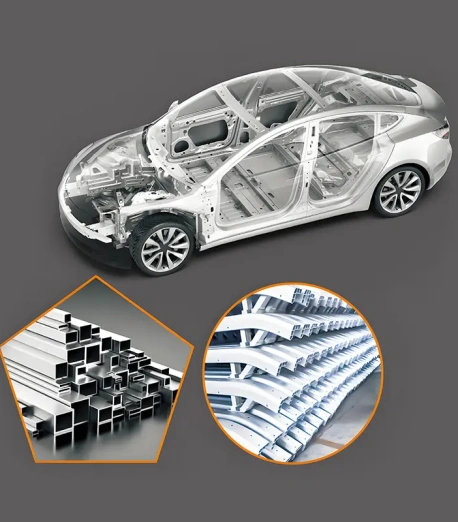
Critical structural components including bumper beams, battery enclosure frames, and spaceframe assemblies requiring rigorous IATF 16949 testing.
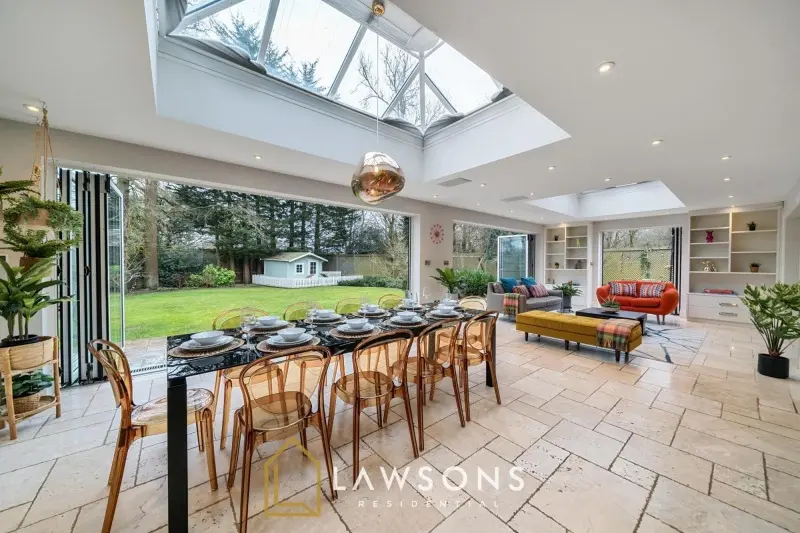
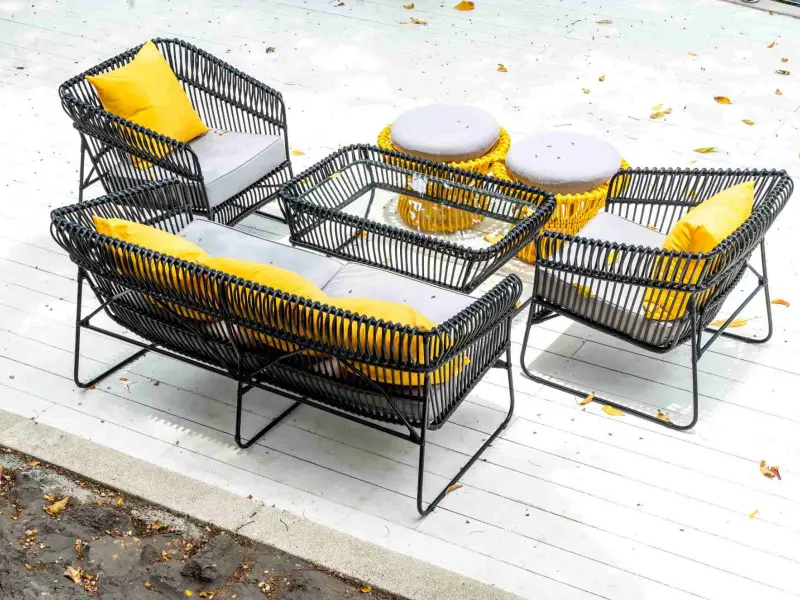
Weatherproof, powder-coated profiles offering high UV resistance and excellent surface finishes for modern architectural outdoor spaces.
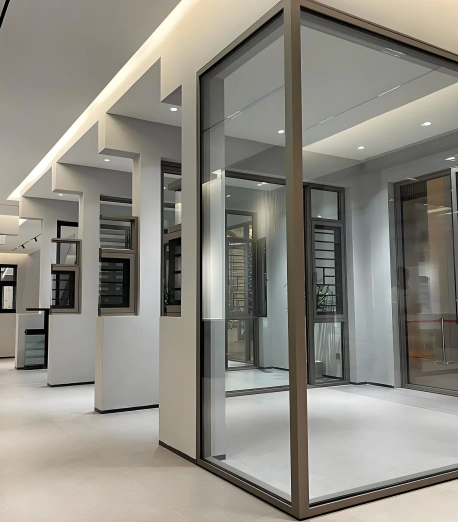
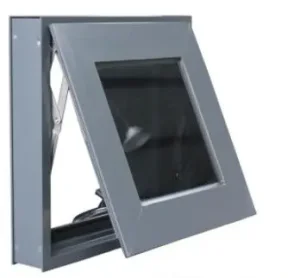
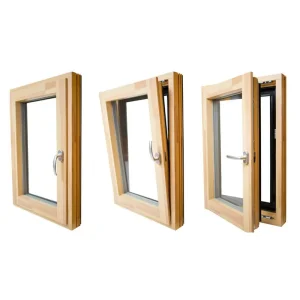
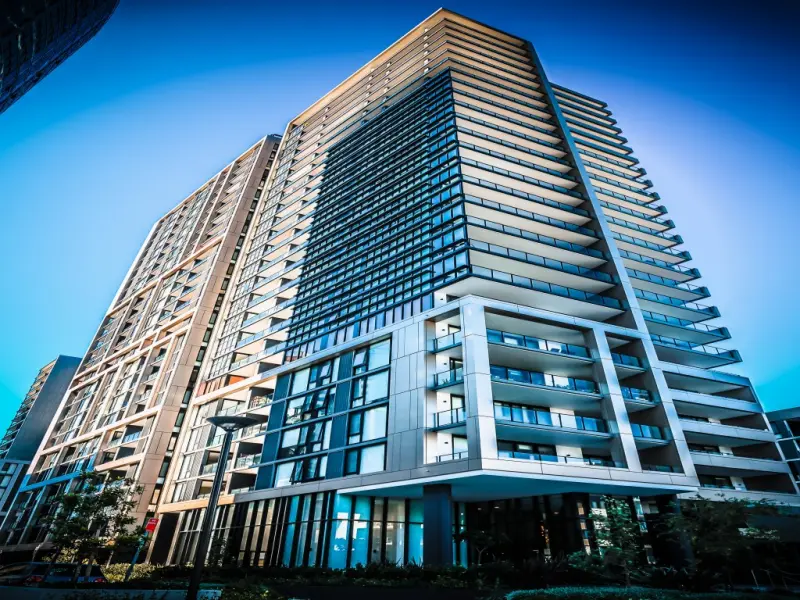
Structural mullions, transoms, and window/door frames engineered for reliable load distribution, thermal insulation, and ease of installation.
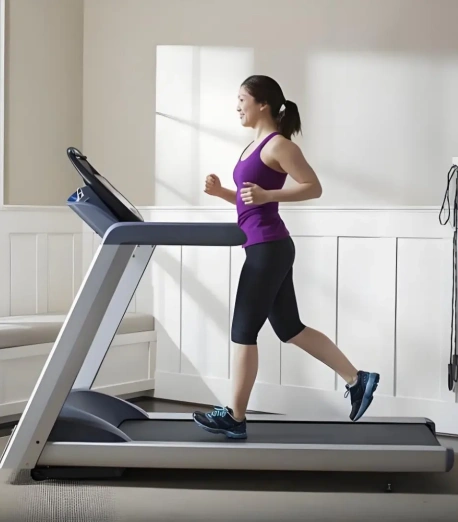
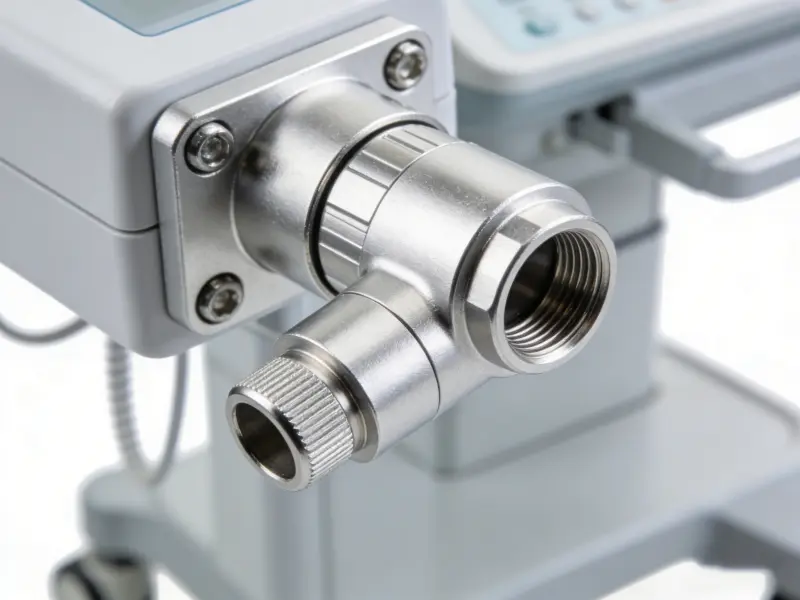
Specialized, lightweight profiles featuring corrosion-resistant properties and smooth surfaces for medical machinery, enclosures, and diagnostic setups.
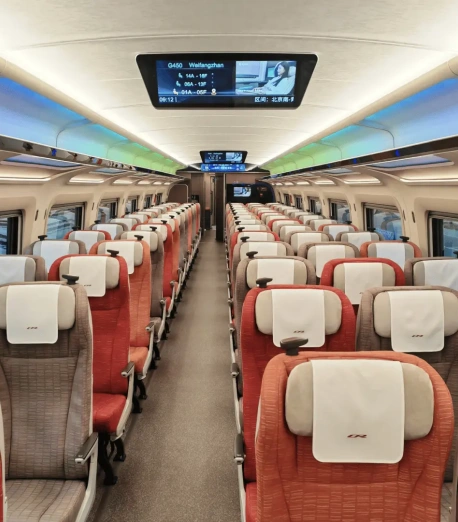
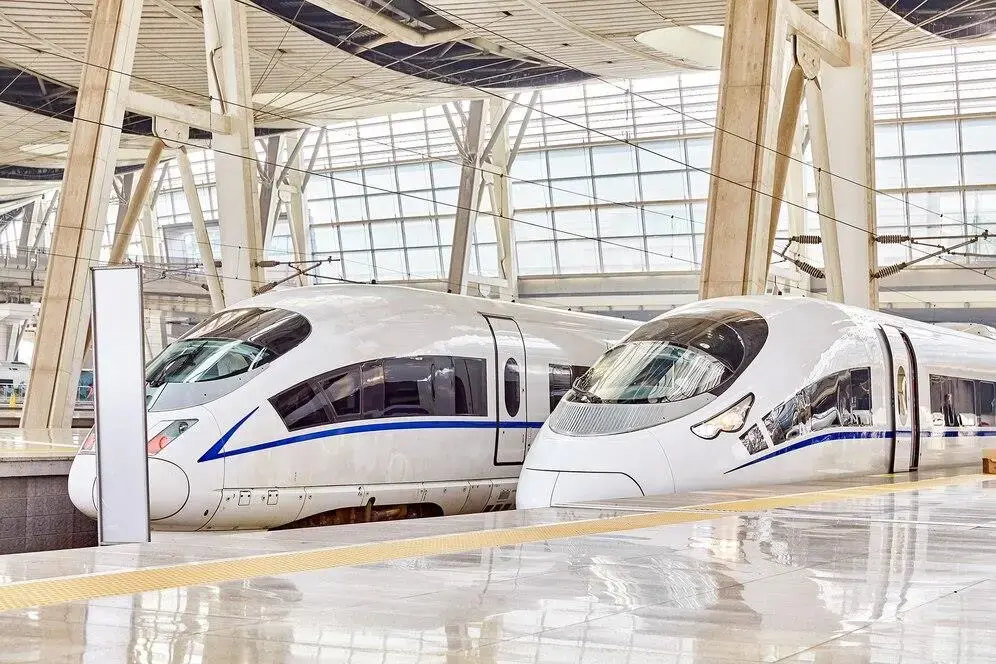
Heavy-duty profiles for train interior panels, truck bed frameworks, and ship decking, built to meet EN 15085 welding standards.
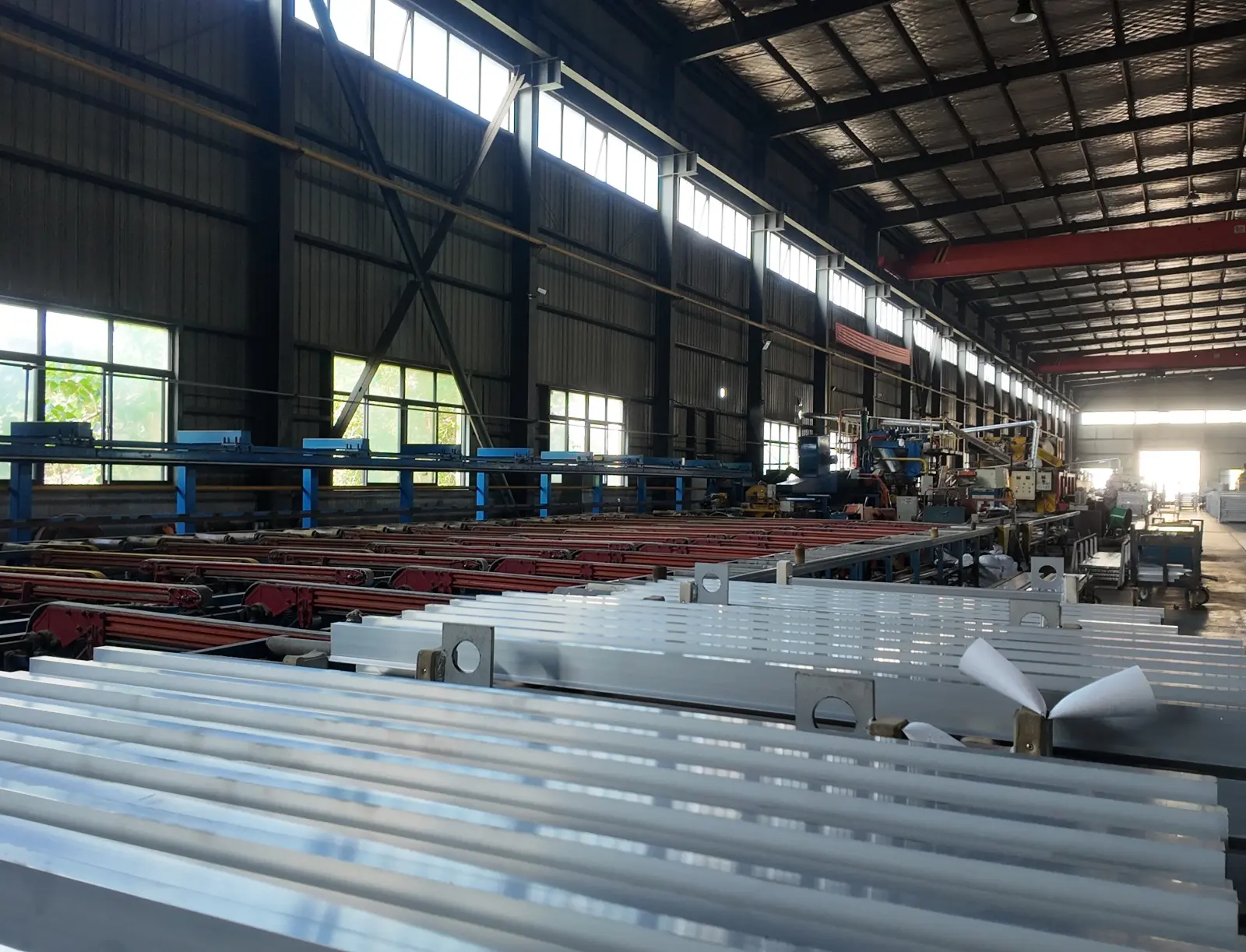
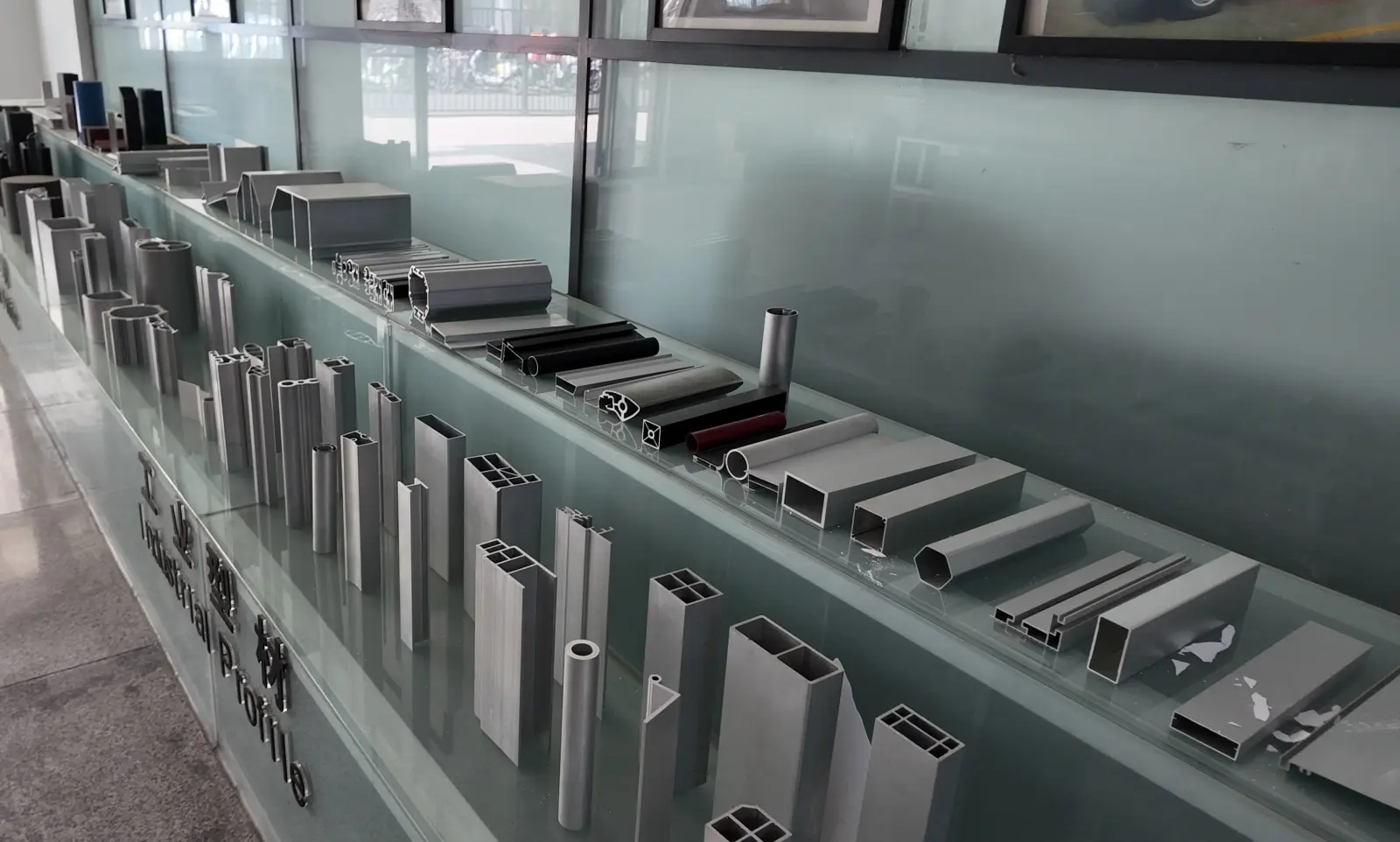
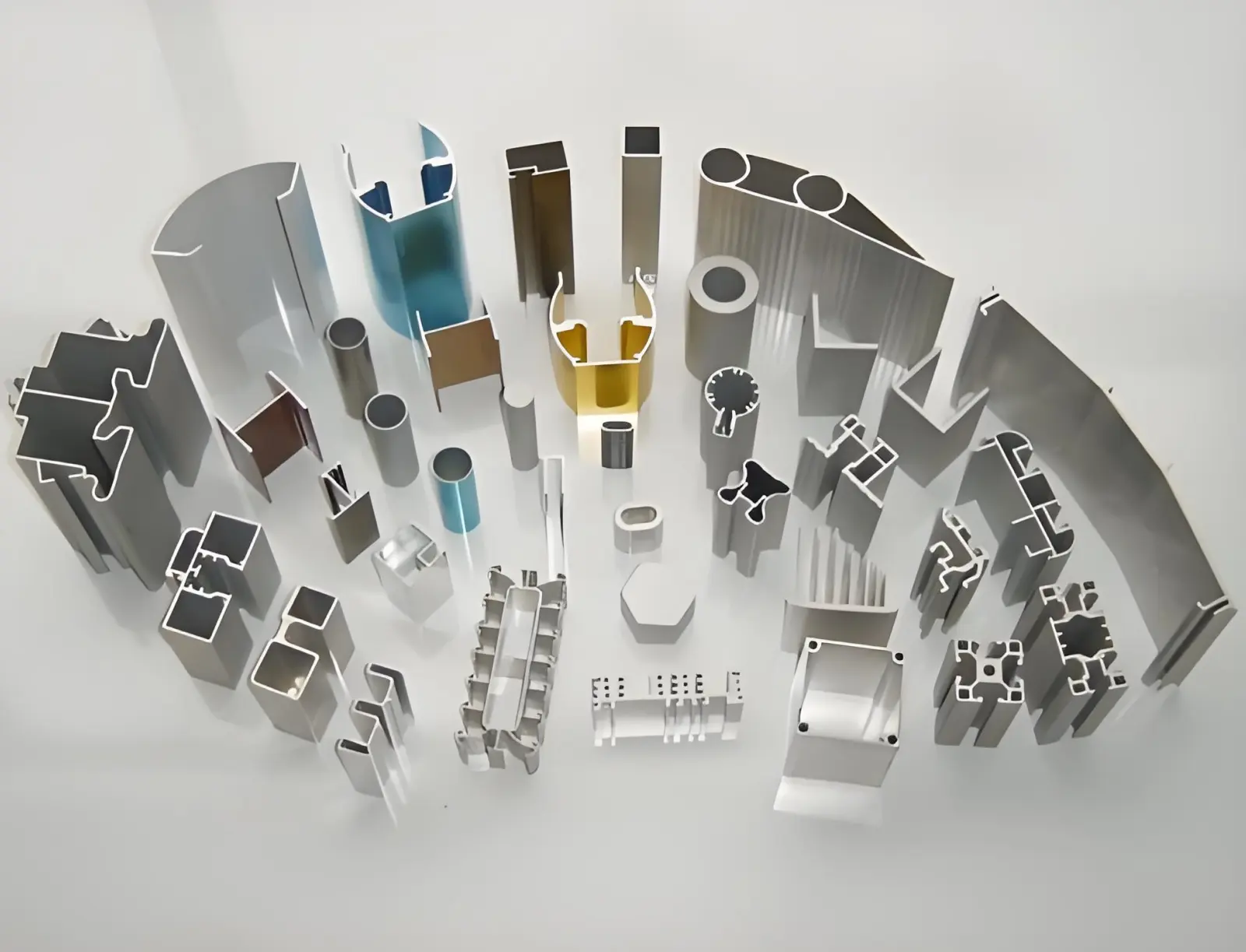
The foundation of high-performance aluminum profiles lies in precise thermal control and powerful extrusion equipment. Kangjian Aluminum operates a state-of-the-art facility featuring 5 specialized extrusion lines designed to cover a wide spectrum of cross-sectional geometries:
A deep dive into structural alloy trends, global procurement standards, and localized compliance.
Global procurement directors often evaluate industrial extrusion partners across several core competencies: alloy chemistry, structural tolerance, scale, and supply chain resilience. Procurement from China provides an advantage due to complete upstream raw material availability and advanced logistics networks.
Our base in the Jimo District of Qingdao utilizes the city's container ports and shipping channels. This allows for streamlined container dispatch and optimized freight configurations, protecting finished profiles from moisture and physical deformation during long-distance sea transit.
As carbon neutrality goals become central to industrial operations, the request for lightweight structural systems has accelerated. Standard automotive and logistics systems face pressure to lower structural weights without compromising safety.
By substituting steel with engineered 6005A, 6061, or 6063 aluminum alloys, engineers can reduce structural component weight by up to 45%. This directly improves fuel efficiency in transportation, simplifies structural requirements for civil engineering, and lowers transportation-related carbon emissions.
Extrusion quality is determined by structural integrity, grain boundary composition, and surface finish. During extrusion, the temperature of the alloy billet must be controlled within ±5°C. This ensures consistent mechanical properties post-aging, which is essential to prevent micro-fissures in high-load structural profiles.
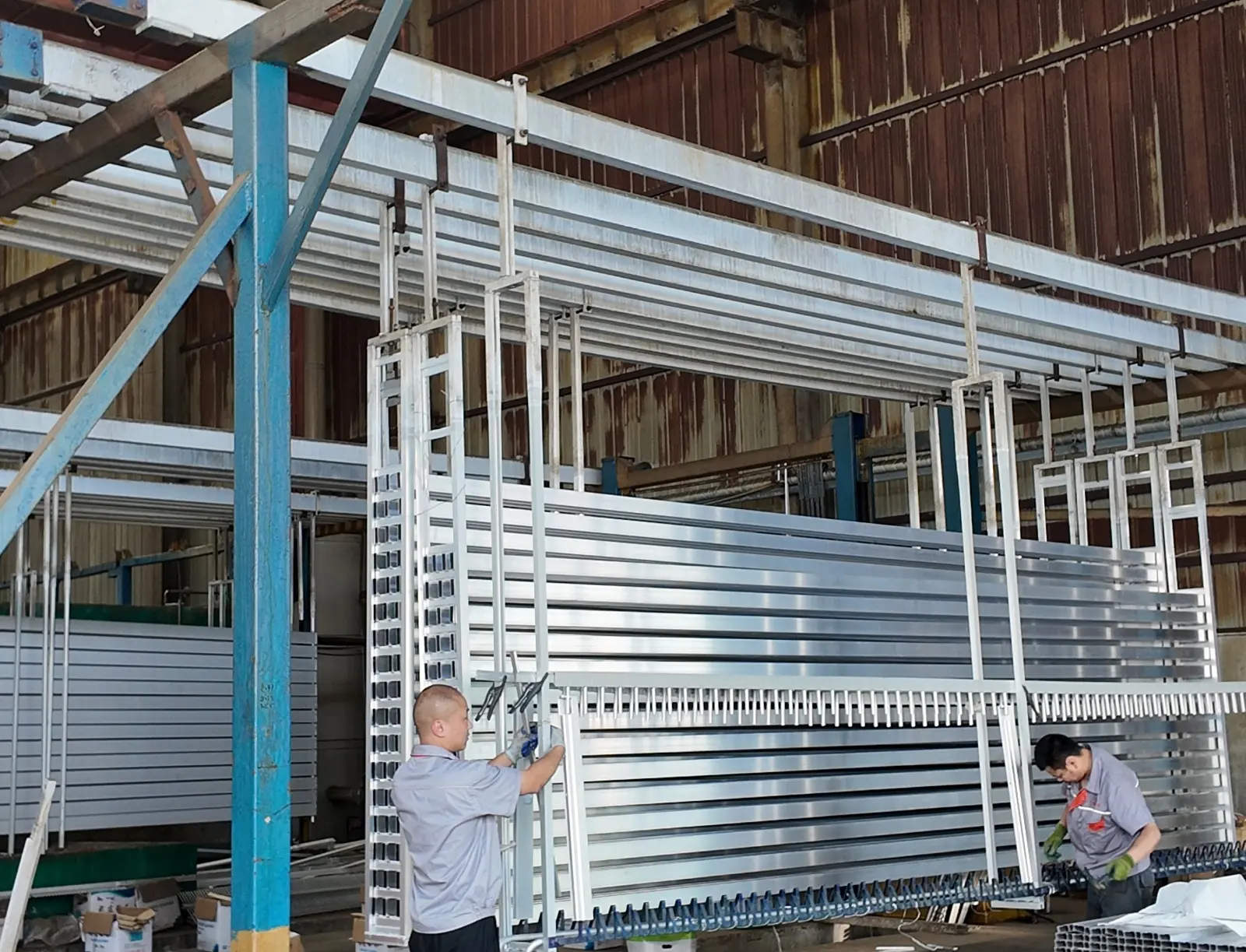
Furthermore, post-extrusion heat treatments (such as T5 or T6 artificial aging) determine the final yield strength, hardness, and elongation metrics. Our manufacturing processes utilize automated quenching and cooling tables to achieve uniform mechanical properties along the entire profile length.

Established by engineers in 2022 along the Yellow Sea, Qingdao Kangjian was founded to address the growing global demand for high-end, high-tolerance aluminum extrusions.
By integrating manufacturing facilities close to Qingdao's logistics hubs, we establish a robust supply line to Korea, Japan, the Americas, and Europe. Today, our profiles support heavy lifting cranes in Scandinavian ports and high-precision systems across the global industrial sector.
We operate with a simple focus: "Engineered quality, global reliability."
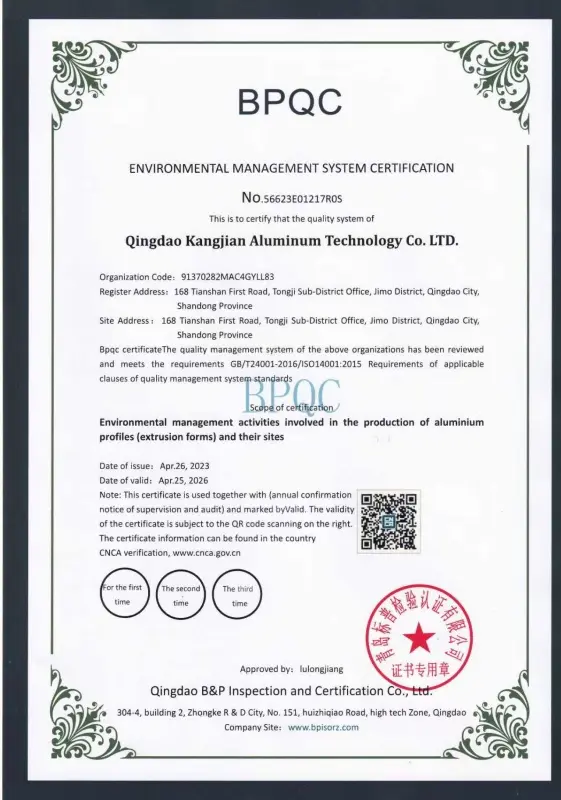
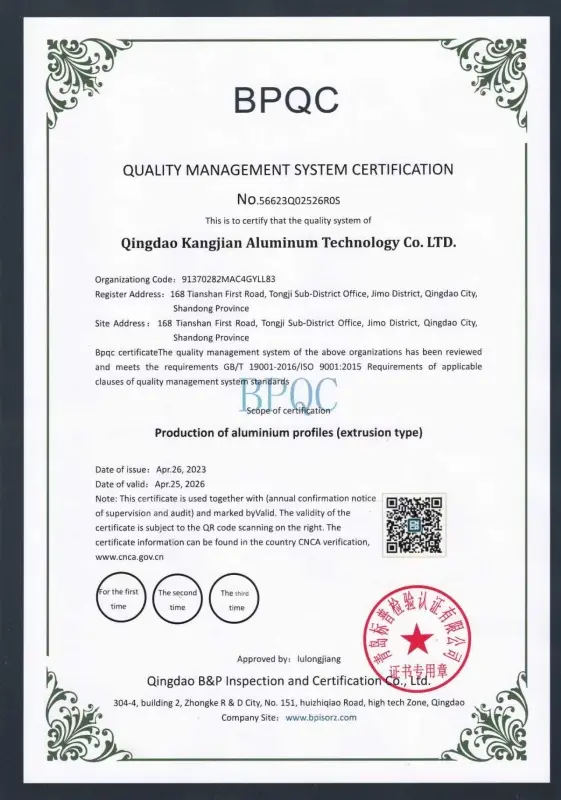
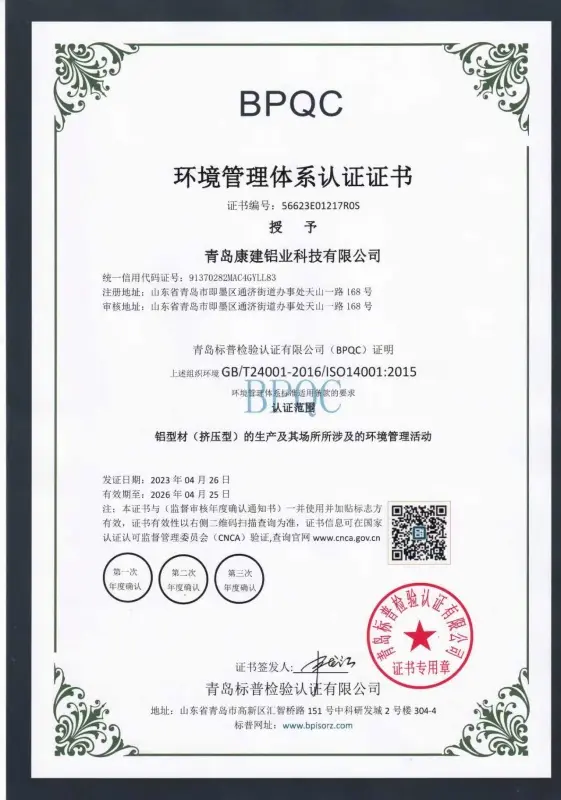
Our manufacturing processes are verified by international testing bodies, ensuring compliance with strict industrial and structural specifications.
To support high-reliability industries, Qingdao Kangjian maintains a comprehensive quality management framework:
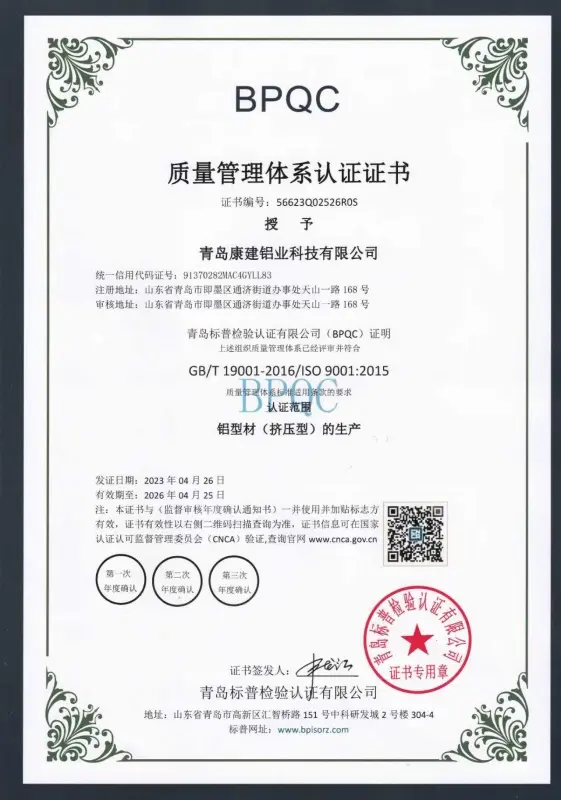
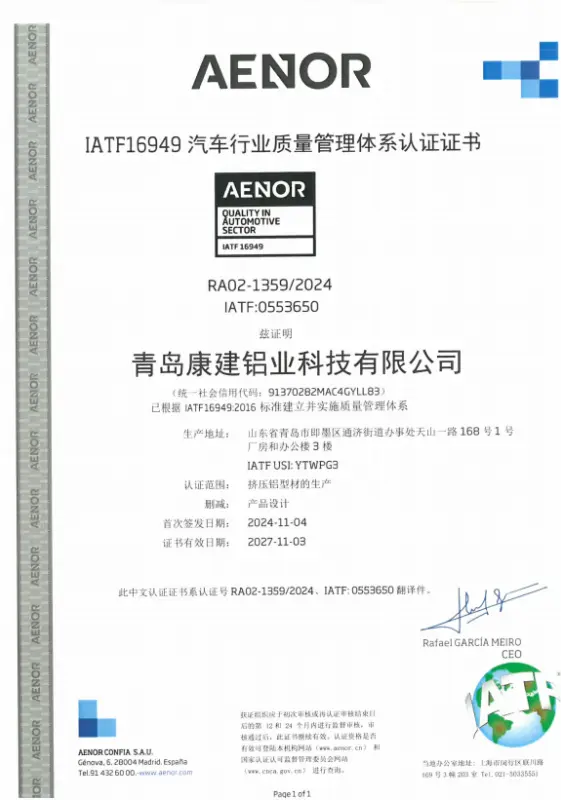
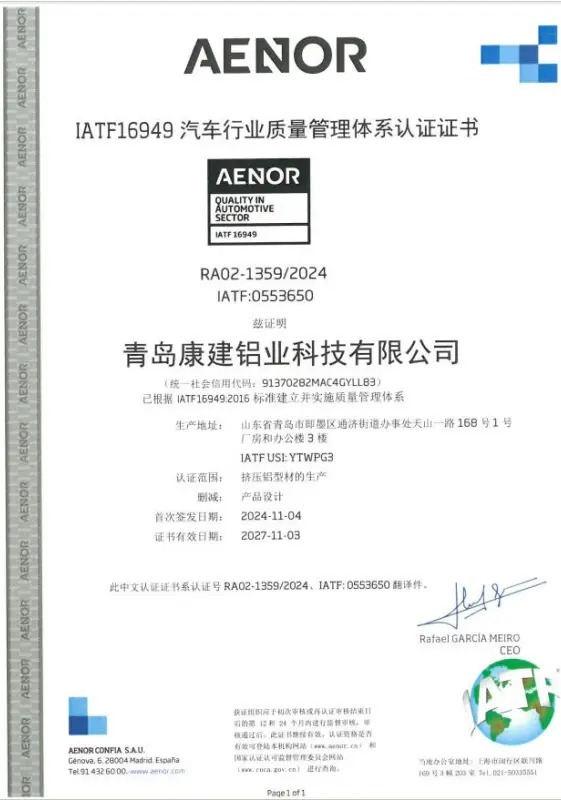
Connecting raw material excellence to finished products through structural design, manufacturing, and logistic support.
Our manufacturing capabilities combine optimized alloy compositions with precise processing techniques to provide cost-effective solutions for challenging architectural and engineering environments.
Annual Business Growth
Total Factory Footprint
From marine docking setups to high-speed mass transit infrastructure, our profiles are utilized in high-demand environments globally.
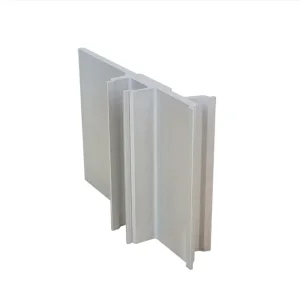
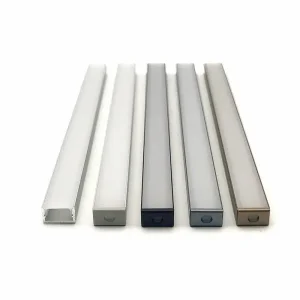
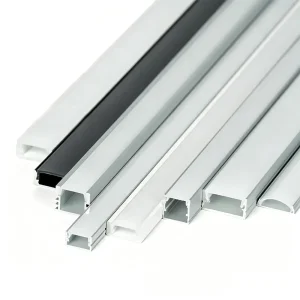
Browse our secondary tier of specialized lighting channels, electrical cable pathways, heavy-duty marine, and robotic frames.
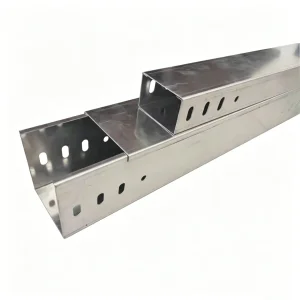
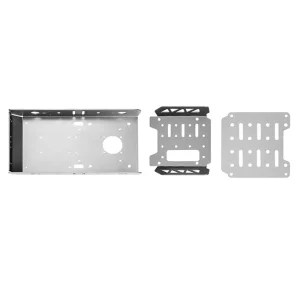
The industrial extrusion sector is shifting toward sustainable materials and optimized manufacturing workflows. Our development plan centers on two main areas:
Integrating real-time thermal monitoring across our 5 extrusion presses ensures consistent grain boundary structure. This allows for tighter control of tensile strength and hardness tolerances along the profile.
By collecting and reprocessing clean production scrap, we reduce overall energy consumption. Recycled aluminum requires only 5% of the energy compared to primary smelting, helping support low-carbon supply chain targets.



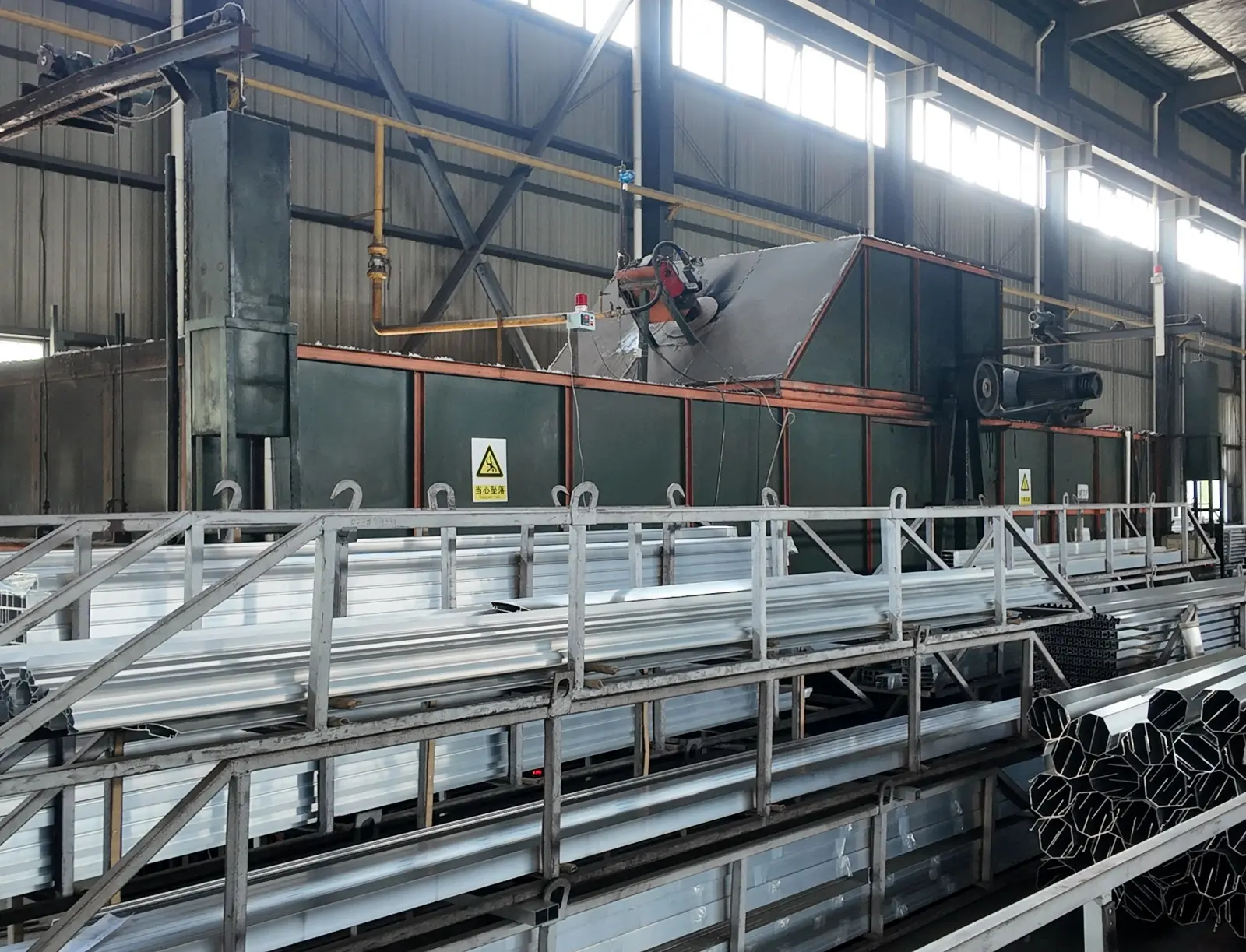
Technical answers regarding custom alloy selection, production capabilities, and quality standards.
Contact our engineering department to discuss alloy selections, structural designs, and delivery options for your projects.