Kangjian
Kangjian
Kangjian
Explore our top-tier catalog of custom anodized and CNC machined aluminum extrusions certified for global logistics, robotics, and solar mounting systems.
Whitepaper Analysis: The Structural Migration from Galvanized Steel to High-Performance Aluminum Extrusion
The global transition to green energy infrastructure demands structural materials that optimize durability, load-bearing efficiency, and rapid installation. Traditionally, galvanized steel dominated utility-scale solar mount installations. However, modern structural engineering dictates a shift to 6005-T5 and 6063-T6 aluminum alloys. These materials present a superior strength-to-weight ratio, reducing freight costs and structural dead loads while matching the yield requirements of harsh environmental conditions.
Aluminum extrusions are inherently anti-corrosive. When exposed to oxygen, they generate a self-healing micro-thin layer of aluminum oxide (Al₂O₃). Under critical coastal or highly acidic agricultural microclimates, advanced anodized finishes (15µm to 25µm thickness) secure structural integrity for 25+ years without the structural degradation common to micro-cracked zinc coatings on galvanized steel.
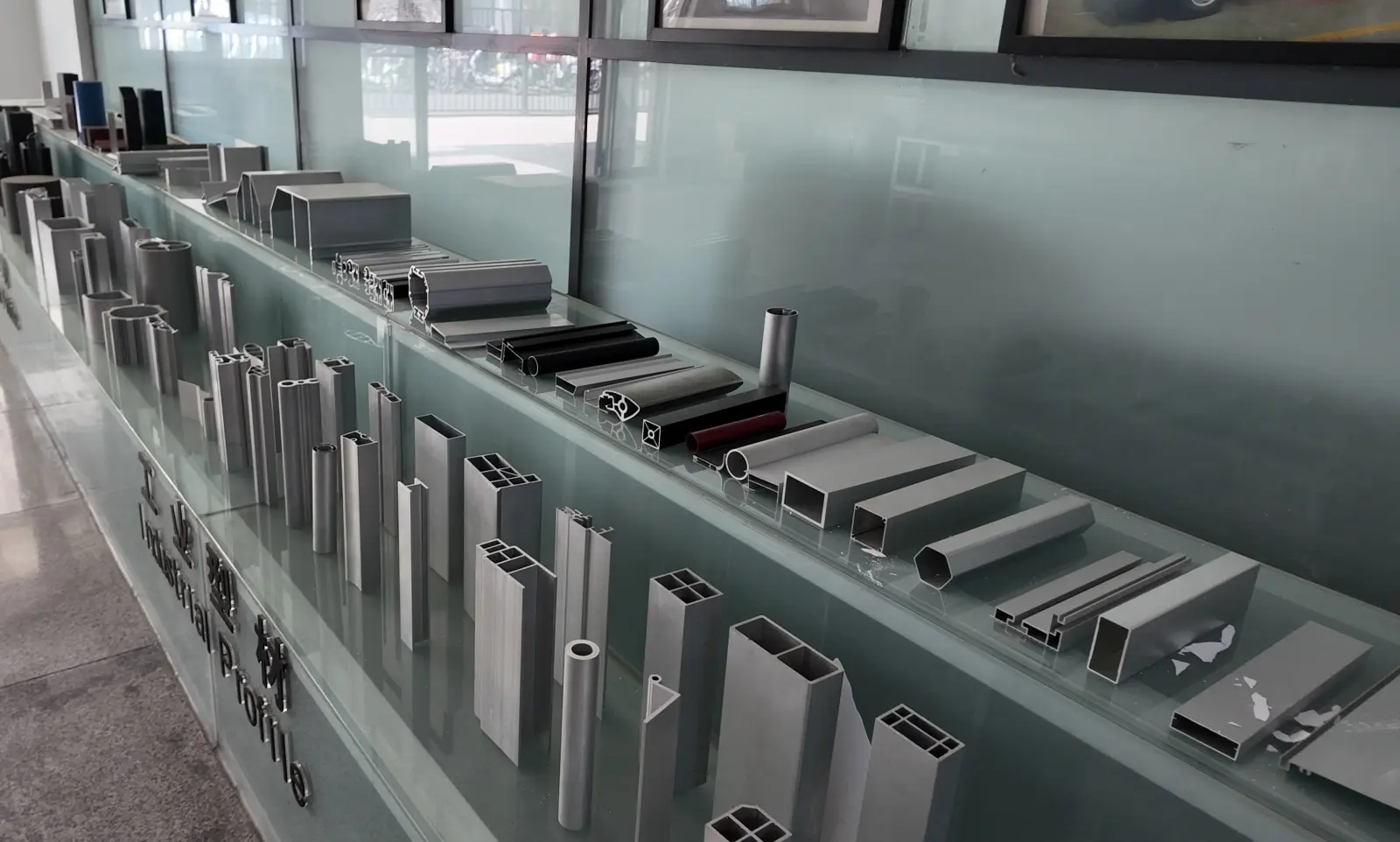
Utility-scale solar farms must survive extreme mechanical stressors, specifically wind shear and static snow loading. Modern PV bracket design relies on customized profiles designed with variable wall thicknesses—thickening the profile web at high-stress nodal connection points and thinning the flanges where stress is minimal. This optimization is only achievable via high-precision aluminum extrusion processes.
Using Finite Element Analysis (FEA), structural engineers simulate local wind velocities (up to 60 m/s or ASCE 7-16 structural codes) to test bending moments and torsional resistance of structural rails, mid-clamps, end-clamps, and triangle supports. This ensures the structural integrity of localized projects regardless of geographic challenges.

Deep dive into the operational capacity and advanced metallurgy processes at Qingdao Kangjian Aluminum Industry Technology Co., Ltd.
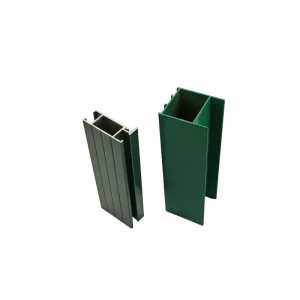
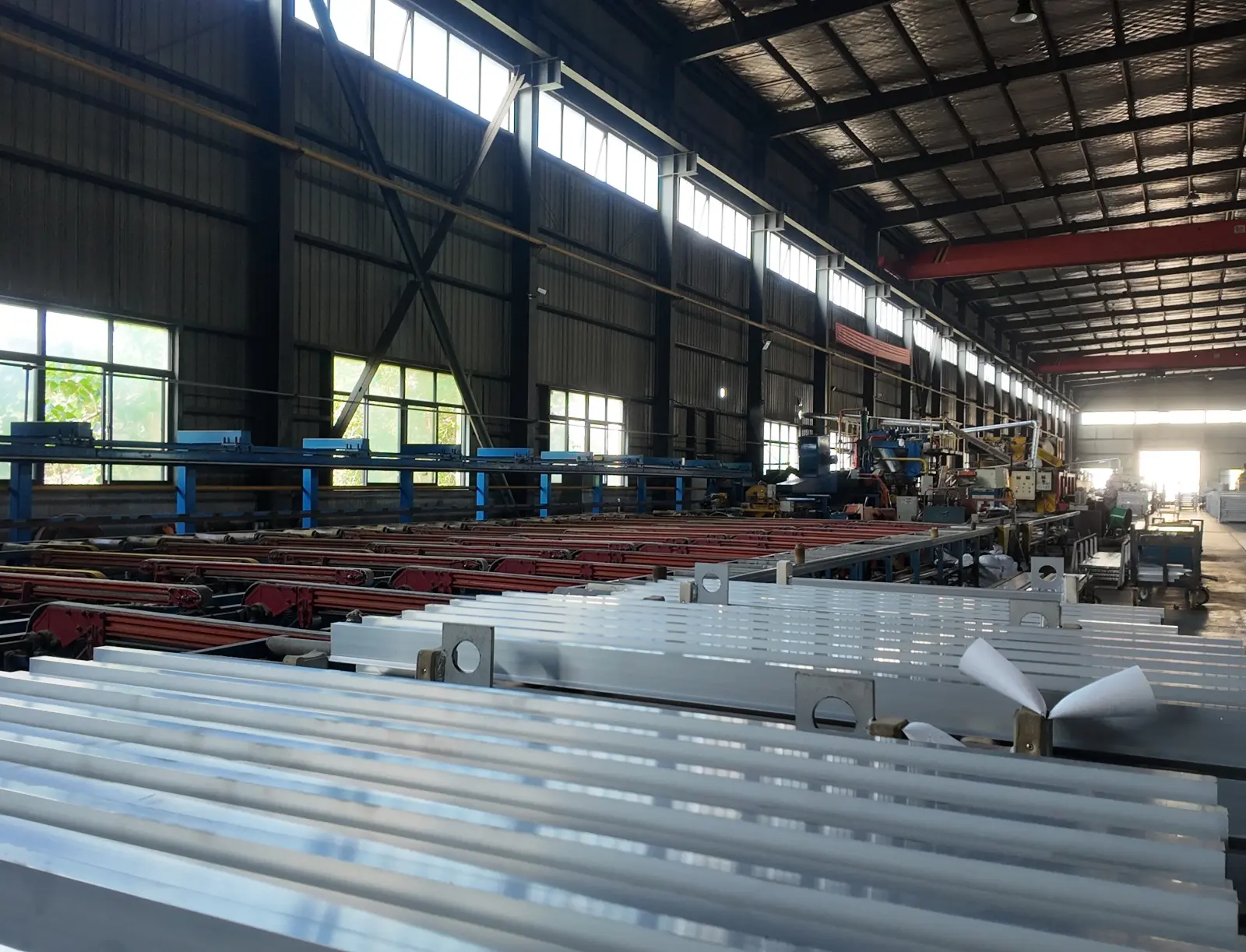
Founded in 2022 and situated in the industrial hub of Jimo District, Qingdao, Qingdao Kangjian Aluminum Industry Technology Co., Ltd. spans a 200-mu manufacturing footprint. Our base integrates 5 advanced extrusion lines: a high-force 2500T extruder, an 1150T unit, a 1450T unit, and two 700T extruders. This configuration allows us to run custom profiles ranging from large-scale solar main beams to lightweight sub-assembly bracket fittings.
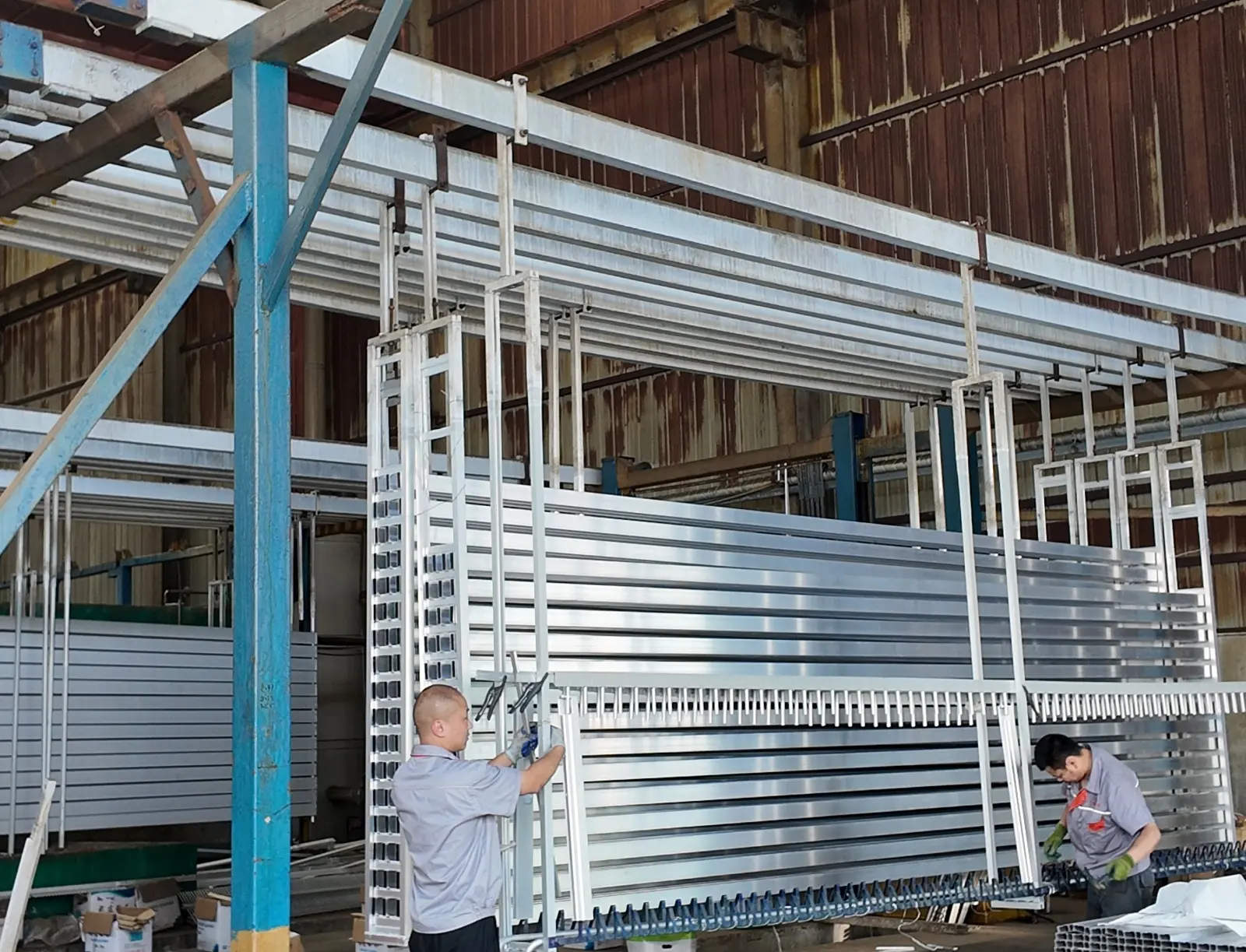
We operate with rigorous quality control, verified by international standards including GB/T19001-2016/ISO9001, ISO14001, IATF16949 (Automotive Industry Quality Management), ISO22163 (Railway Industry), EN15085, and DIN6701. Our facility manages the entire value chain: raw ingot homogenization, extrusion, precise heat treatment (aging), CNC precision machining, and surface anodizing.
Relying on the deepwater logistics networks of Qingdao Port, Kangjian Aluminum services high-end solar structural markets in South Korea, Japan, North America, and Europe. Our geographical location mitigates supply chain risks, delivering efficient sea transport routes that lower global landed costs.
Optimizing structural geometries for varied topography and environmental challenges.
Roof-mounted systems prioritize low static load and water-tightness. We produce lightweight 6005-T5 rails, splices, and standing seam clamps that interface with corrugated metal roofs without compromising structural integrity or building load parameters.
Our structural main-beams, purlins, and ground piles are designed to interface with automated tracking motors. Engineered for high wind-resistance, our extrusions ensure long-term structural alignment for ground-mounted trackers.
High humidity, salinity, and water contact accelerate electrochemical corrosion. Under these conditions, we supply extrusions finished with high-micron marine-grade anodizing (Class II, 20-25µm), preventing pitting corrosion in inland reservoirs and near-shore installations.
Three years of engineering innovation, international logistics leadership, and customer-centric growth.
From our base in Qingdao, China, we have expanded rapidly across domestic provinces—such as Anhui, Hebei, Tianjin, Hunan, Guangdong, Beijing, and Jiangsu. Our manufacturing scalability meets the requirements of tier-1 solar EPC contractors, reducing procurement cycles and stabilizing material supply lines during periods of market volatility.
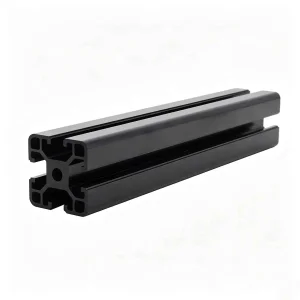
Through our export networks, we regularly ship custom structural shapes, T-slot systems, structural angles, and custom mechanical sub-assemblies to North American, European, Korean, and Japanese distributors under verified OEM contracts.
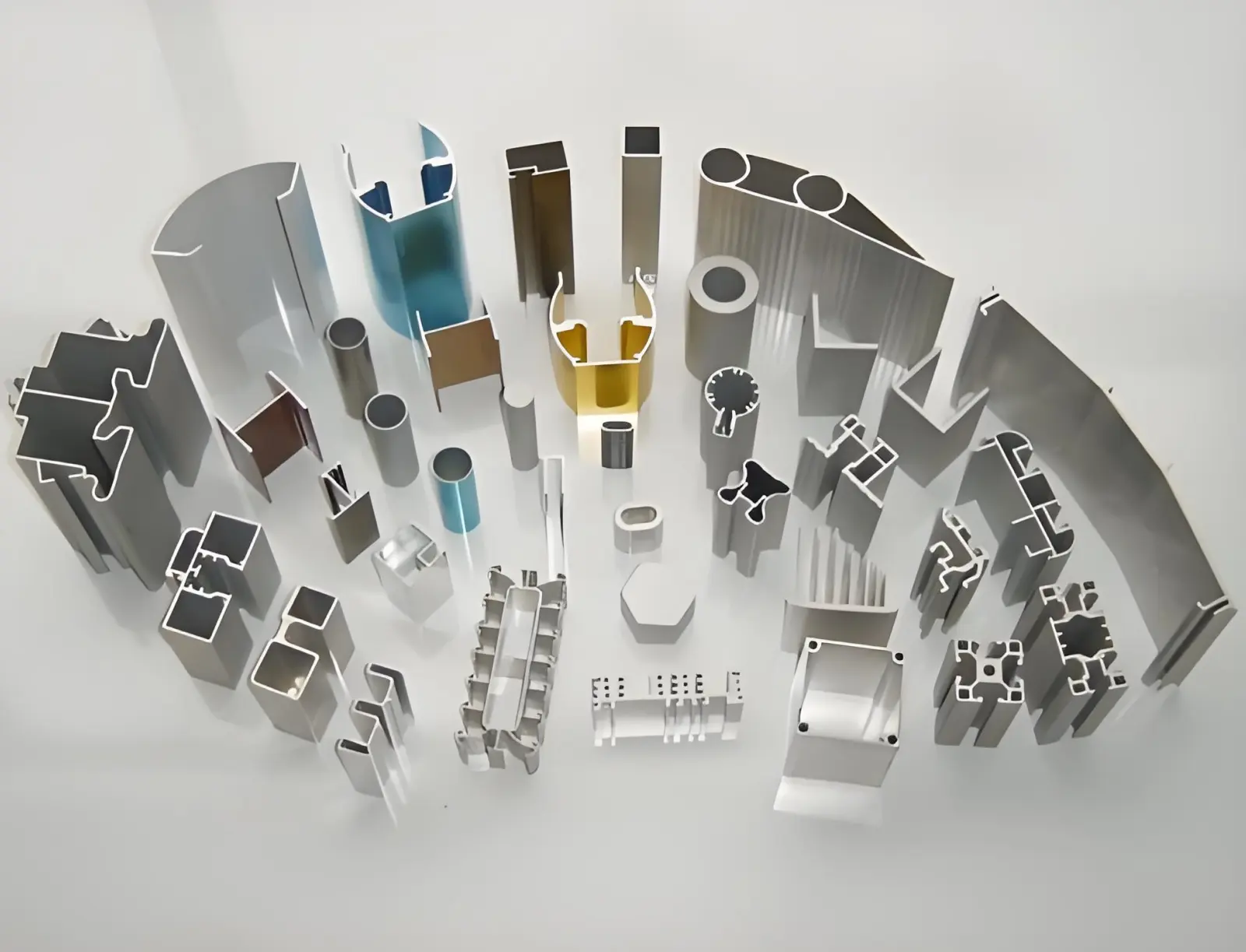
Deep technical answers regarding engineering parameters, alloys, standards, and factory lead times.
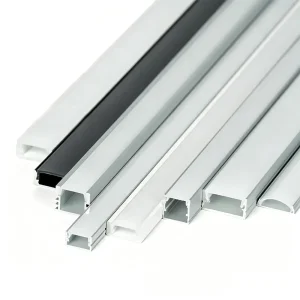
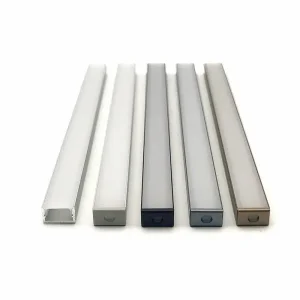
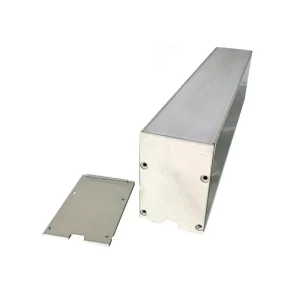
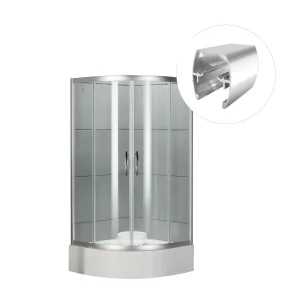
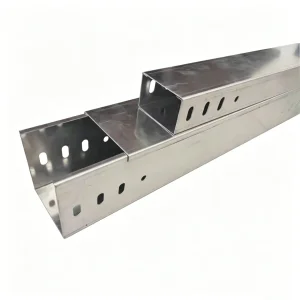
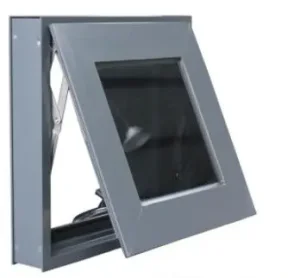
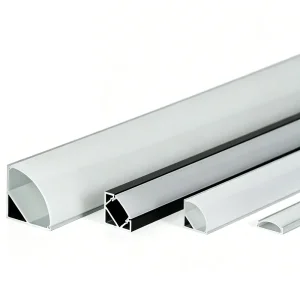
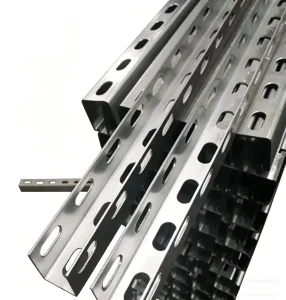
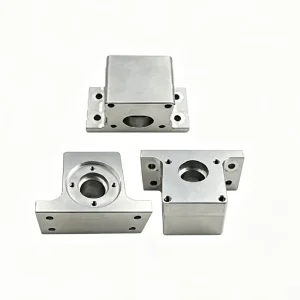
Our extended manufacturing catalog covering LED pathways, architectural profiles, structural window systems, and custom industrial trays.