Kangjian
Kangjian
Kangjian
Precision extruded components configured for global engineering, mechanical architectures, and smart manufacturing.
Why 6061 extruded profiles serve as the structural backbone of modern automated, aerospace, and renewable sectors.
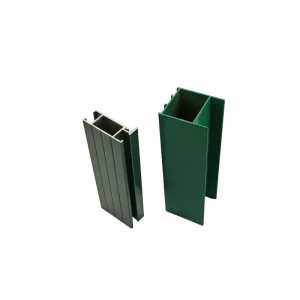
The global industrial landscape is experiencing a massive transformation, driven by the dual mandates of lightweighting and sustainable manufacturing. Within this metallic revolution, 6061 extruded aluminum profiles have emerged as a critical foundational material. Recognized for its excellent structural strength, high weldability, corrosion resistance, and superb machining capabilities, the 6061 alloy (comprising primarily silicon and magnesium) represents the benchmark for medium-to-high strength applications globally.
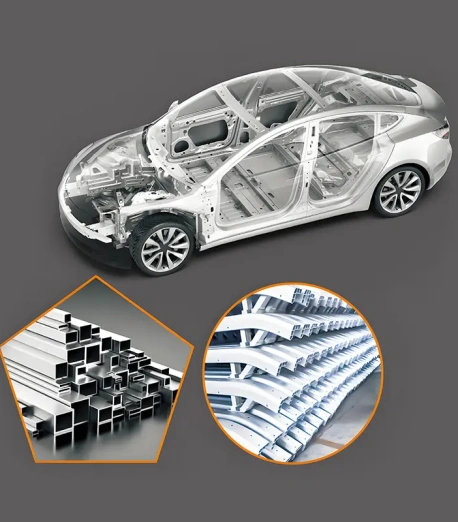
In mature markets like North America and Europe, the demand for 6061-T6 extrusions is driven by the rapid expansion of electric vehicle (EV) architectures, heavy-duty logistics platforms, and utility-scale solar mounting structures. Regulatory frameworks aiming to achieve carbon neutrality are forcing automotive manufacturers to replace steel with lightweight aluminum extrusions to maximize EV range and reduce structural dead weight. Similarly, the aerospace and marine sectors utilize the marine-grade variant of 6061 profiles due to their resilient performance in saline and highly corrosive industrial environments.
Offers high mechanical performance, allowing it to withstand high structural loads while retaining a density of only 2.70 g/cm³, replacing steel and reducing total component weight by up to 50%.
Superior adaptability to high-speed CNC milling, turning, and multi-axis machining, coupled with excellent MIG/TIG welding behavior and structural structural adhesive bonding.
Exhibits exceptional response to industrial surface finishing, including protective anodizing, decorative powder coating, and specialized electrophoresis for high corrosion resistance.
Leveraging state-of-the-art extrusion technologies, certified testing protocols, and a highly competitive industrial footprint.
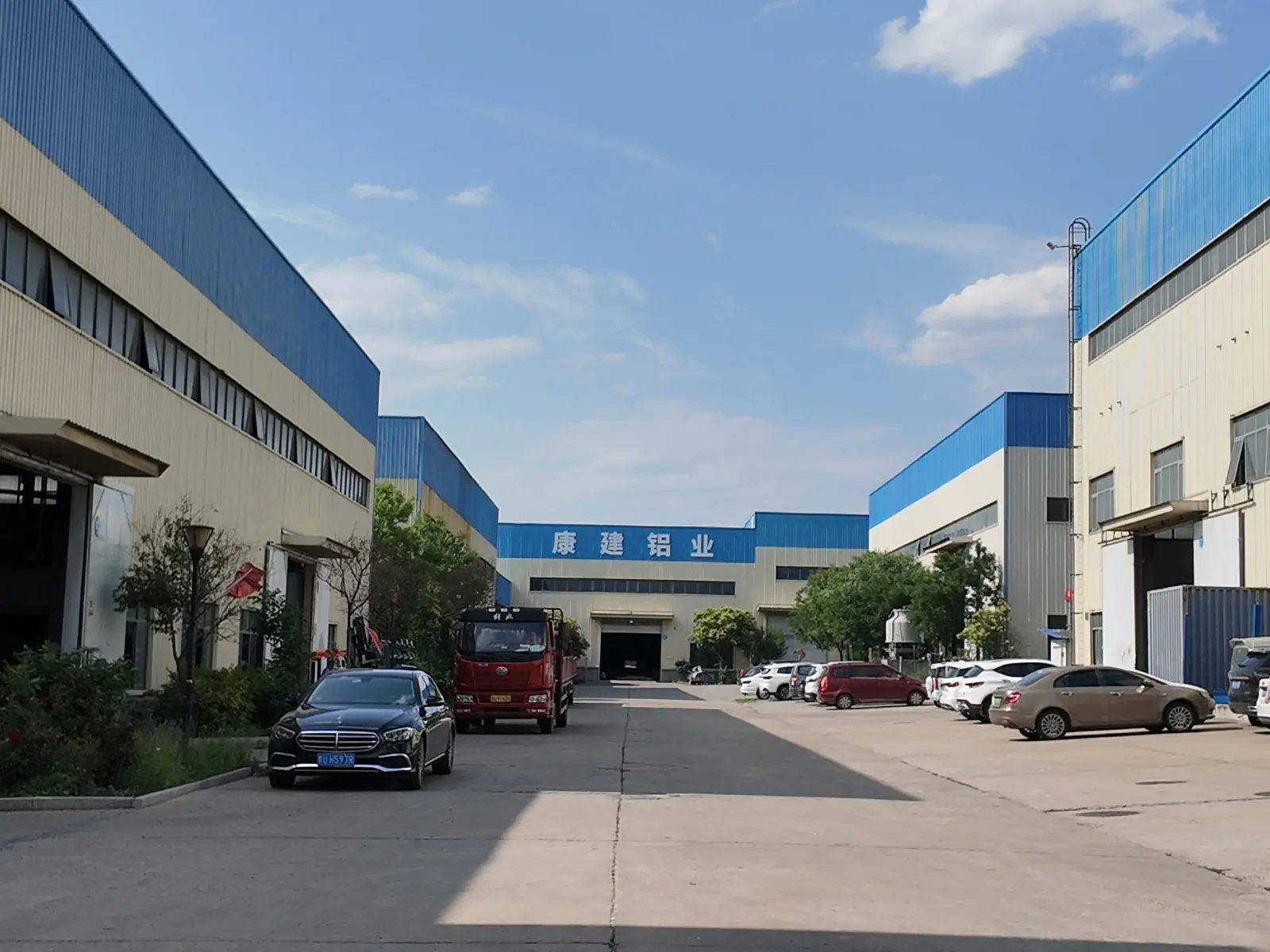
Located in the Jimo District of Qingdao, Qingdao Kangjian Aluminum Industry Technology Co., Ltd. stands as a premier manufacturing powerhouse in Northern China. Established with a vision to deliver premium, high-integrity aluminum alloys to international markets, our operation combines advanced extrusion technologies with a deep commitment to quality control. Covering a vast industrial footprint of 200 mu, including 80,000 square meters of state-of-the-art factory facilities, our modern plant outputs an annual capacity of 15,000 tons of customized aluminum profiles.
Our core operational strength lies in our multi-scale extrusion lines. Running five independent extrusion lines allows us to process various billet sizes and complex cross-sections efficiently. Our primary pressing configurations include:
Configured for large, heavy-duty industrial profiles, structural railway chassis elements, and wide-span marine assemblies.
Optimized for structural automotive components, EV engine frames, and medium-scale architectural profiles.
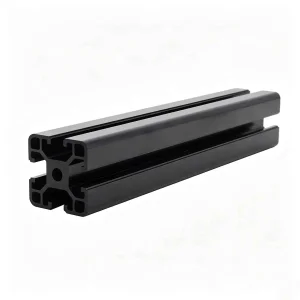
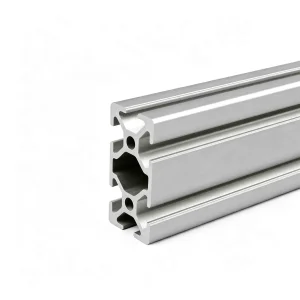
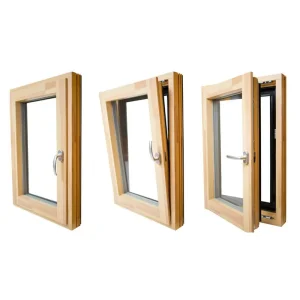
Ideal for custom solar framing, window sash systems, and specialized industrial T-slot profiles.
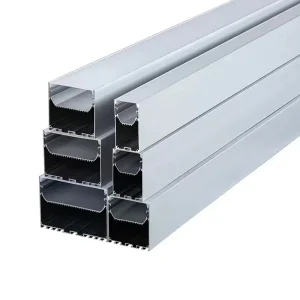
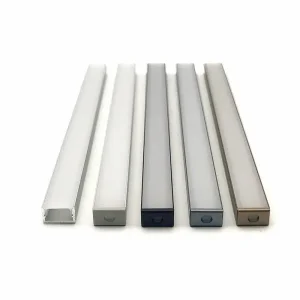
Configured for high-precision, thin-walled profiles, smart robotics frame kits, and detailed LED lighting fixtures.
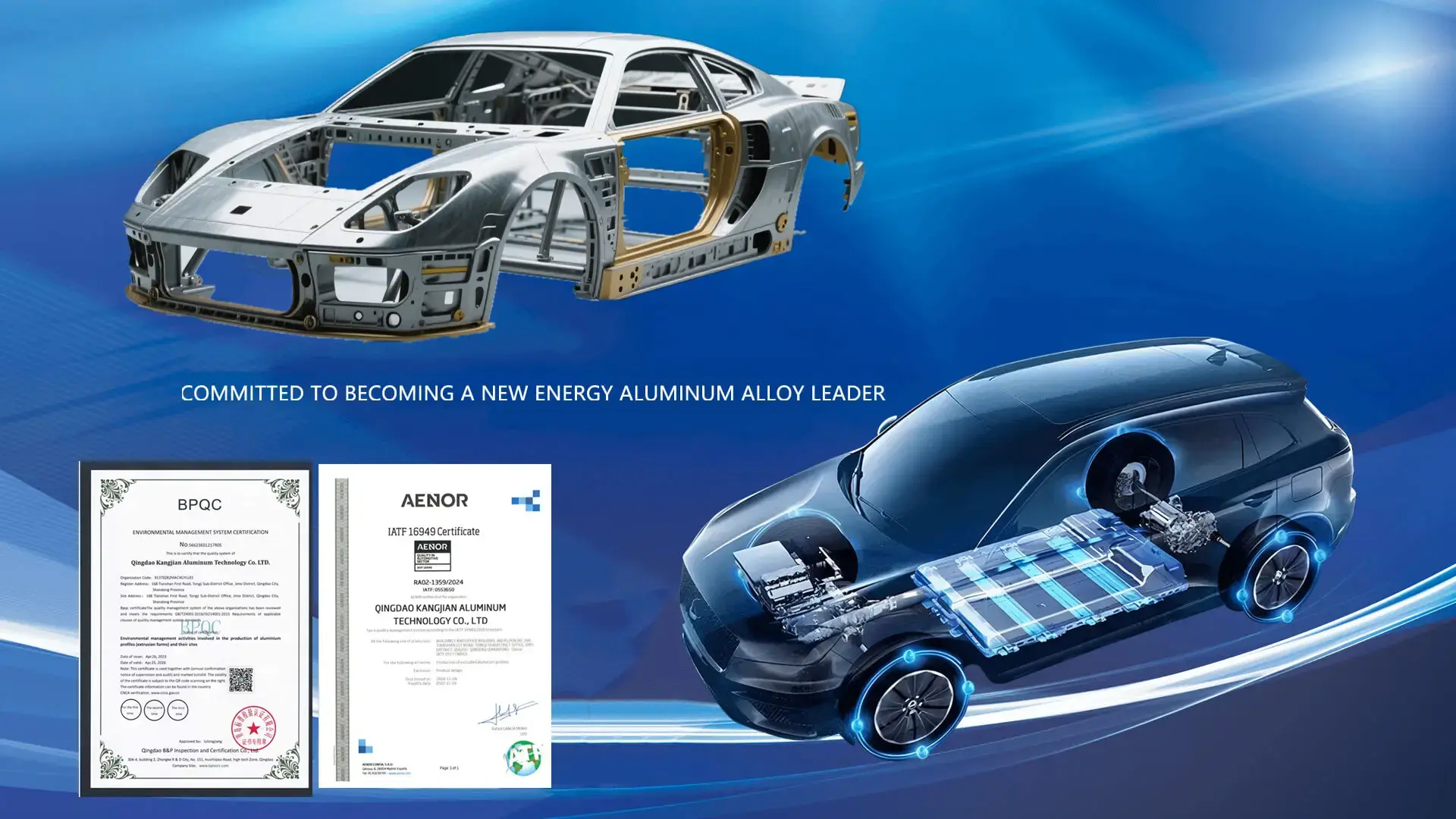
Beyond our extrusion capacity, Kangjian's true competitive edge is our adherence to strict global manufacturing standardizations. Our laboratory is equipped with advanced testing systems for mechanical tensile testing, chemical component mapping, and coating thickness verification. This focus has enabled us to achieve a comprehensive portfolio of global industry certifications, ensuring our suitability for high-stakes procurement:
| Certification Standard | Applicable Domain & Industrial Scope | Compliance Quality Assurance |
|---|---|---|
| IATF 16949 | Automotive Component Quality Management Systems | Verifies structural aluminum profiles for EV battery cases, chassis components, and energy absorption structures. |
| ISO 22163 (IRIS) | Global Railway Industry Standard | Certifies structural extruded profiles for high-speed rail, subway rolling stock, and interior fittings. |
| EN 15085-2 / ISO 3834-2 | Welding of Railway Vehicles and High-Quality Structural Weldments | Validates the integrity, durability, and safety of load-bearing welded joints under dynamic loads. |
| DIN 6701 | Adhesive Bonding of Railway Vehicles and Component Parts | Ensures high reliability of safety-critical adhesive bonded aluminum assemblies. |
| ISO 9001 / ISO 14001 | Quality Management & Environmental Protection Standard | Guarantees complete traceability, raw material verification, and sustainable, energy-efficient production. |
Custom mechanical and structural configurations tailored for high-performance and demanding environments.
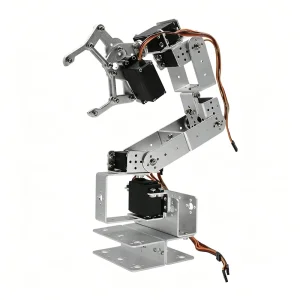
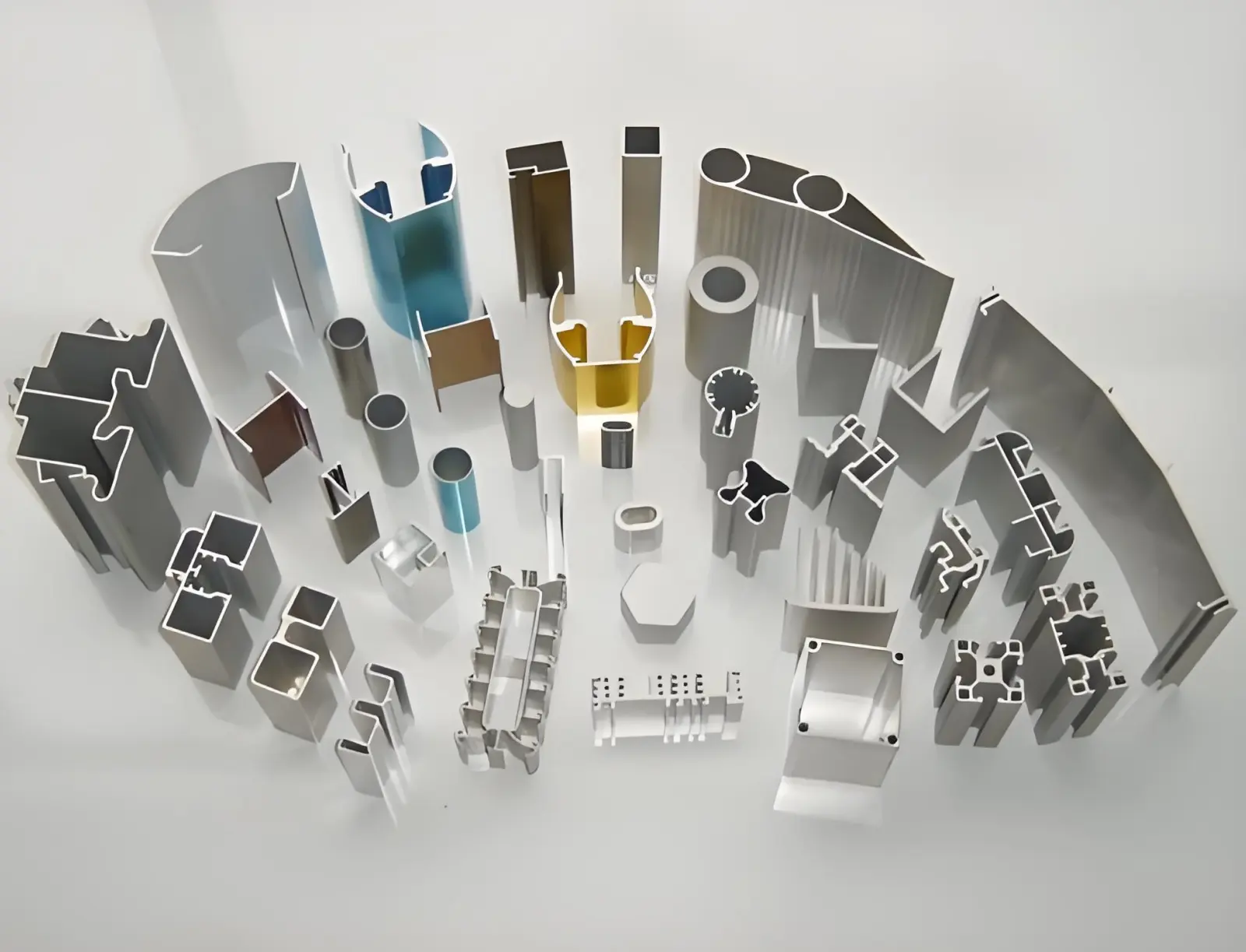
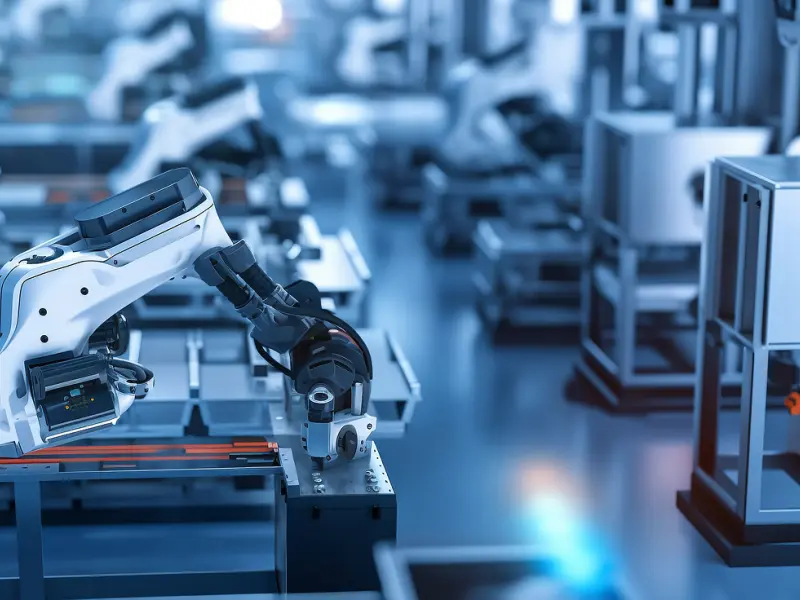
We supply precision extruded robot arm components, structural machine frames, and lightweight linear slide tracks. The high strength-to-weight ratio of 6061-T6 profiles minimizes inertial forces in rapid-cycling pick-and-place robots and mechanical assemblies.
Our heavy-duty marine-grade structural profiles are optimized for gangways, custom oil drilling platform access panels, and ship superstructure fittings. Utilizing custom surface treatment technologies ensures long-term resistance to salt spray corrosion.
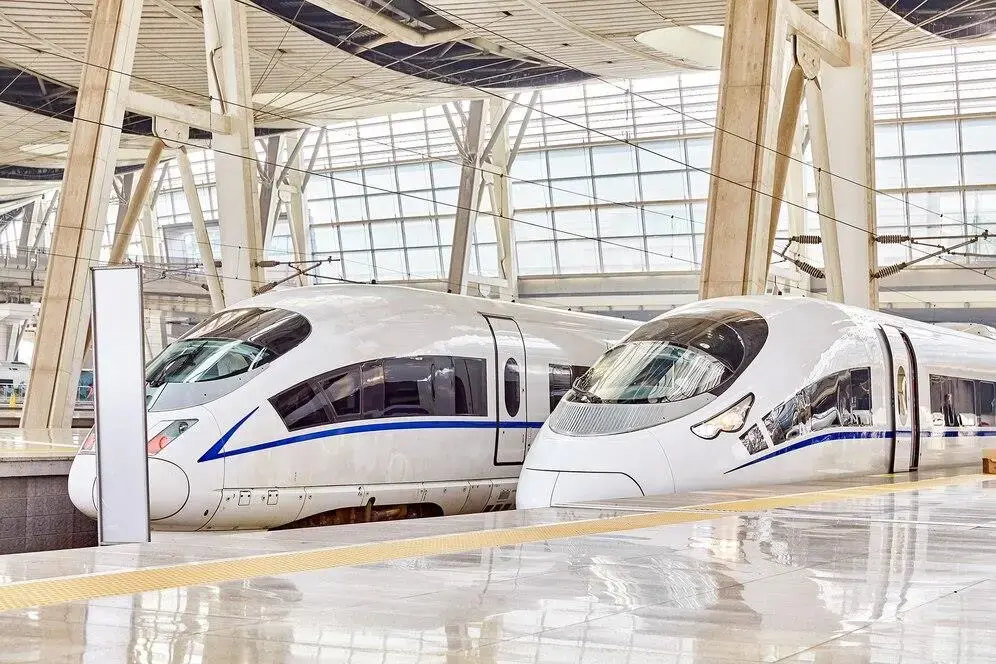
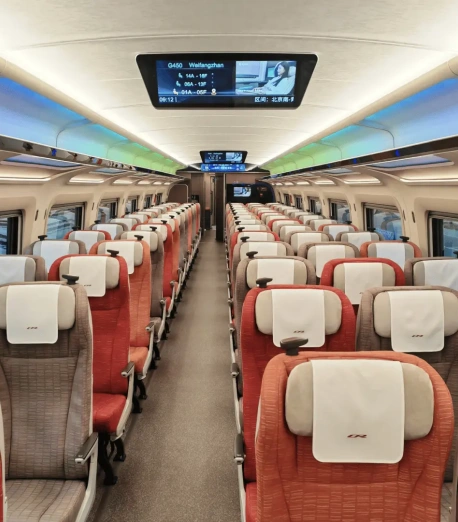
Working to IRIS (ISO 22163) criteria, we produce side buffers, floor structural sections, cable channels, and specialized crash boxes for modern high-speed trains, subways, and commercial freight transport.
Deep engineering insights into material behaviors, temper conditions, and sustainable extrusion processes.
In B2B industrial procurement, choosing between 6061-T5 and 6061-T6 tempers is a key decision that affects structural engineering. While both temper levels share the same raw elemental composition (Magnesium: 0.8% - 1.2%, Silicon: 0.4% - 0.8%, Iron: Max 0.7%, Copper: 0.15% - 0.4%), their mechanical profiles diverge significantly due to different heat treatment regimes:
Looking ahead, the aluminum extrusion industry is shifting towards low-carbon manufacturing. Companies like Qingdao Kangjian are investing in green billet melting, utilizing primary ingots processed via clean energy, and increasing the ratio of recycled post-industrial scrap. Additionally, the integration of multi-axis CNC machining centers directly at the extrusion facility eliminates intermediate logistical steps. This allows global clients to receive ready-to-assemble profiles, optimizing the supply chain and reducing overall production lead times.
Streamlining the custom development lifecycle, from technical drawings to bulk logistics management.
B2B procurement of customized extrusion profiles requires a balance between dimensional tolerances, manufacturing schedules, and quality assurance. For international procurement managers, verifying a factory’s in-house tooling capability is critical. At Qingdao Kangjian, our tool-making division uses CAD/CAM modeling to design, refine, and cut dies with tight tolerances. This level of control helps prevent mechanical defects, extrusion speed issues, or surface friction lines that can affect cosmetic and structural quality.
Additionally, our port-adjacent location in Qingdao provides logistical benefits. The facility has direct access to high-capacity deep-water ports, reducing inland transit times and simplifying container shipping to North America, South Korea, Japan, and European hubs. By combining streamlined logistics with custom tooling development, we support global purchasing departments in meeting tight project deadlines while managing total landed costs.
We analyze customer blueprints, verifying geometric dimensions and tolerances (GD&T) to align the design with extrusion parameters.
Our machine shop fabricates H13 steel hot-work extrusion dies, followed by trail runs to verify wall-thickness consistency.
Extruded lengths undergo heat treatment, precision straightness alignment, surface finishing, and quality control reporting.
Addressing essential metallurgical, engineering, and commercial procurement inquiries from global buyers.
Specialized configurations for modern interior design, localized fixture engineering, and high-integrity shower installations.