Kangjian Kangjian

Wholesale Bifold Door Slider Suppliers & Engineering Partners

Next-Generation Heavy-Duty Architectural Extrusions and High-Load Sliding Hardware Systems Engineered for Global Commercial Standards

Global Procurement Demand for Bifold Door Slider Systems

In an era of rapid commercial urban expansion and sophisticated residential layouts, multi-panel architectural setups demand superior physical performance metrics.

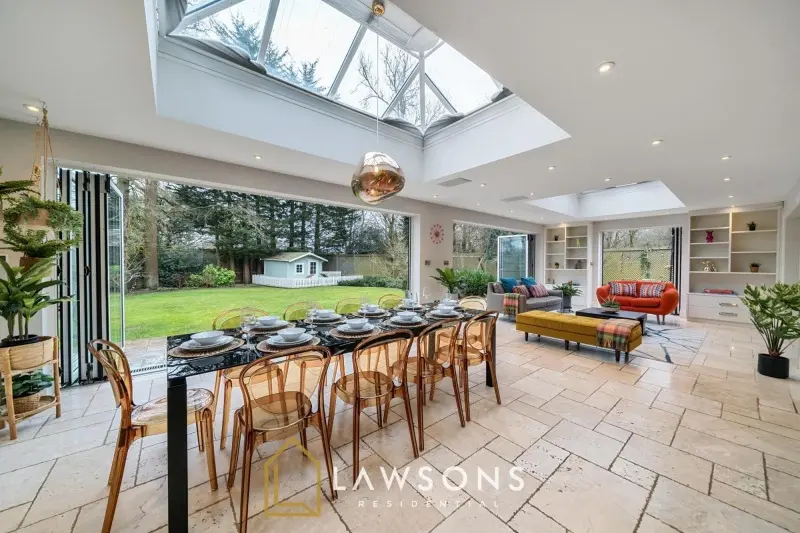
Modern architectural paradigms emphasize maximizing open spaces, bridging the divide between interior environments and exterior landscapes. The bi-folding door system has emerged as the premier solution for developers, commercial builders, and luxury home designers. However, the operational reliability of these large-format structures rests entirely on the quality of their tracks, rollers, and structural framing. High-performance bifold door sliders must withstand severe wind loads, resist structural sagging, prevent water penetration, and operate with low-friction sliding mechanics.
From a global procurement perspective, developers and hardware distributors face significant engineering challenges. These include fluctuating material standards, compliance with structural certifications, and finding suppliers capable of maintaining micro-tolerance levels in custom profile runs. In response to these complex requirements, international buyers are shifting away from modular retail suppliers. Instead, they are partnering directly with vertically integrated industrial aluminum manufacturers. These manufacturers possess both raw extrusion capacity and advanced surface-finishing technologies.
15,000T
Annual Profile Output
2500T
Heavy Extrusion Line Cap
30%+
Year-over-Year Growth
8+
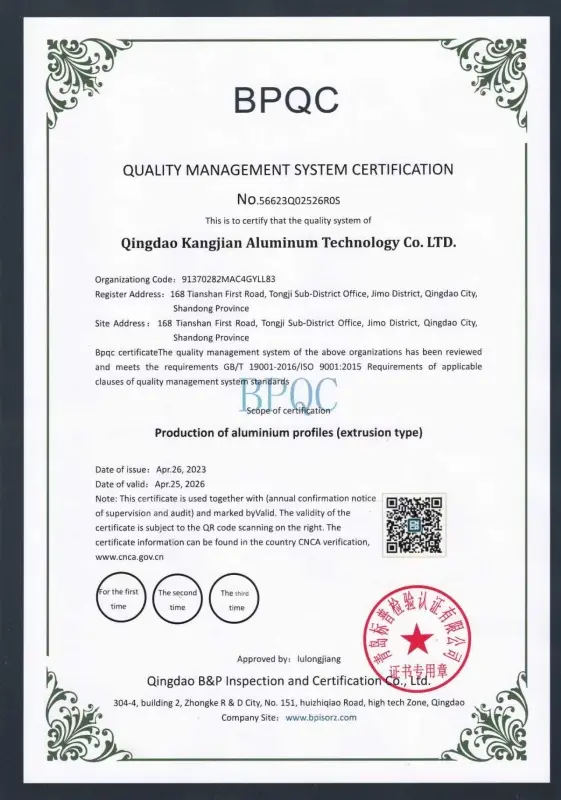
International System Certs

Technical Engineering & Material Science: The Aluminum Track Foundation

High structural integrity begins at the atomic level. Exploring the mechanical parameters of aluminum alloys 6063 and 6061.

Alloy Selection & Grain Structure

The structural framing of bifold door systems relies on Alloy 6063, tempered to T5 or T6. This composition offers an optimal balance of high tensile strength, excellent surface quality, and design flexibility. For high-load tracks carrying multi-panel arrays, Alloy 6061-T6 is utilized, offering superior yield strength.

Anti-Corrosion Passivation

Sliding door systems operating in coastal or humid environments face rapid galvanic corrosion risks. Anodizing layers must exceed 15 microns. Additionally, electrostatically applied powder coatings, compliant with Qualicoat and AAMA 2604/2605 specifications, provide UV resistance and salt spray protection.

Precision Roller Tolerance

Bifold door rollers require precise micro-machined tracks. Extrusion variations must not exceed +/-0.15mm along the sliding channel axis. Even minor deviations can result in elevated friction, roller wear, and structural rattling under lateral wind loads.

Qingdao Kangjian Aluminum Industry Technology Co., Ltd.

Established in 2022, a premier manufacturer of high-end aluminum profiles and sliding components based in Jimo District, Qingdao, China.

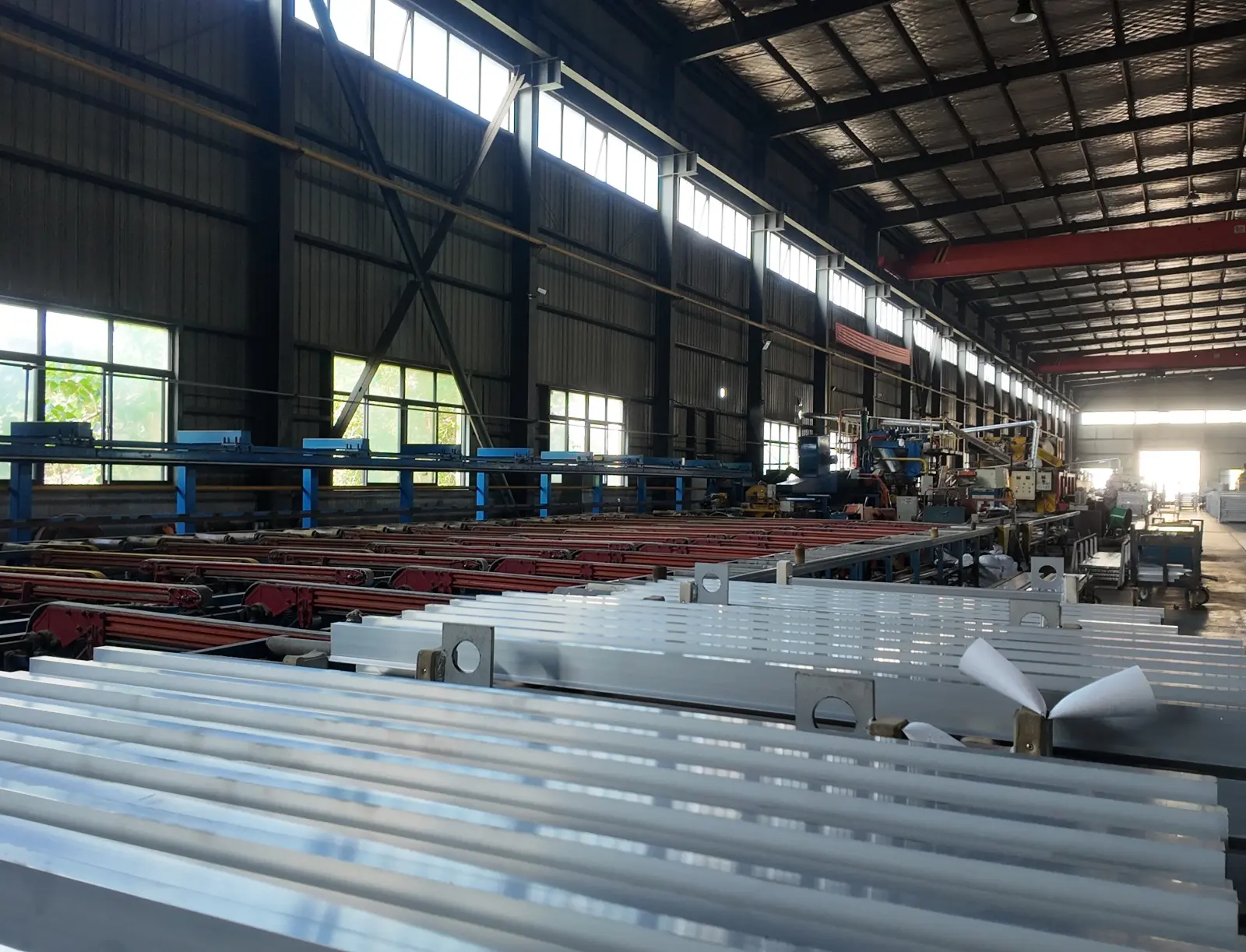
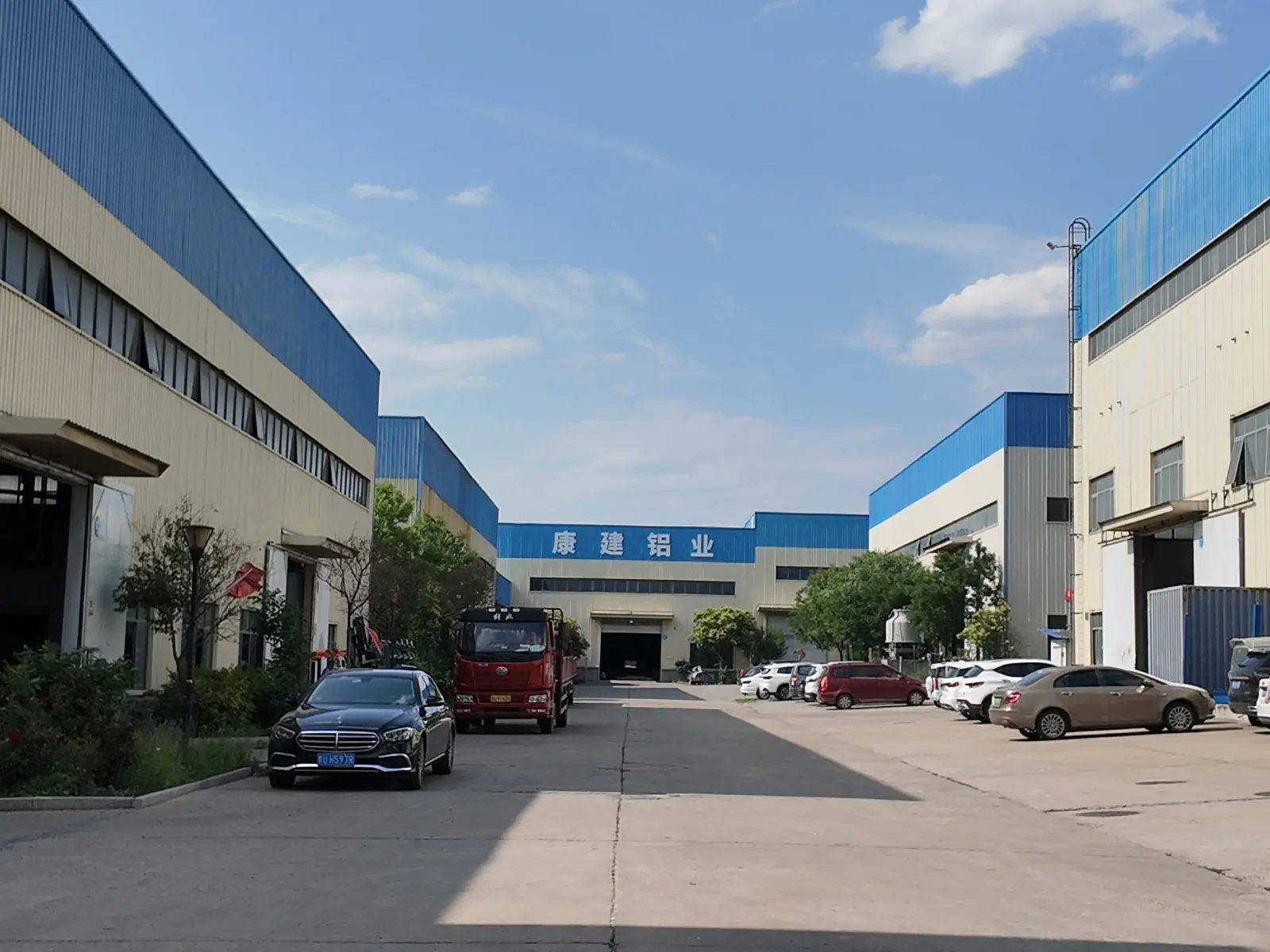
Located at No. 168, Tianshan 1st Road, Jimo District, Qingdao Kangjian Aluminum Industry Technology Co., Ltd. has established a modern industrial production base covering 200 mu, with 80,000 square meters of factory space and 4,000 square meters of office infrastructure.

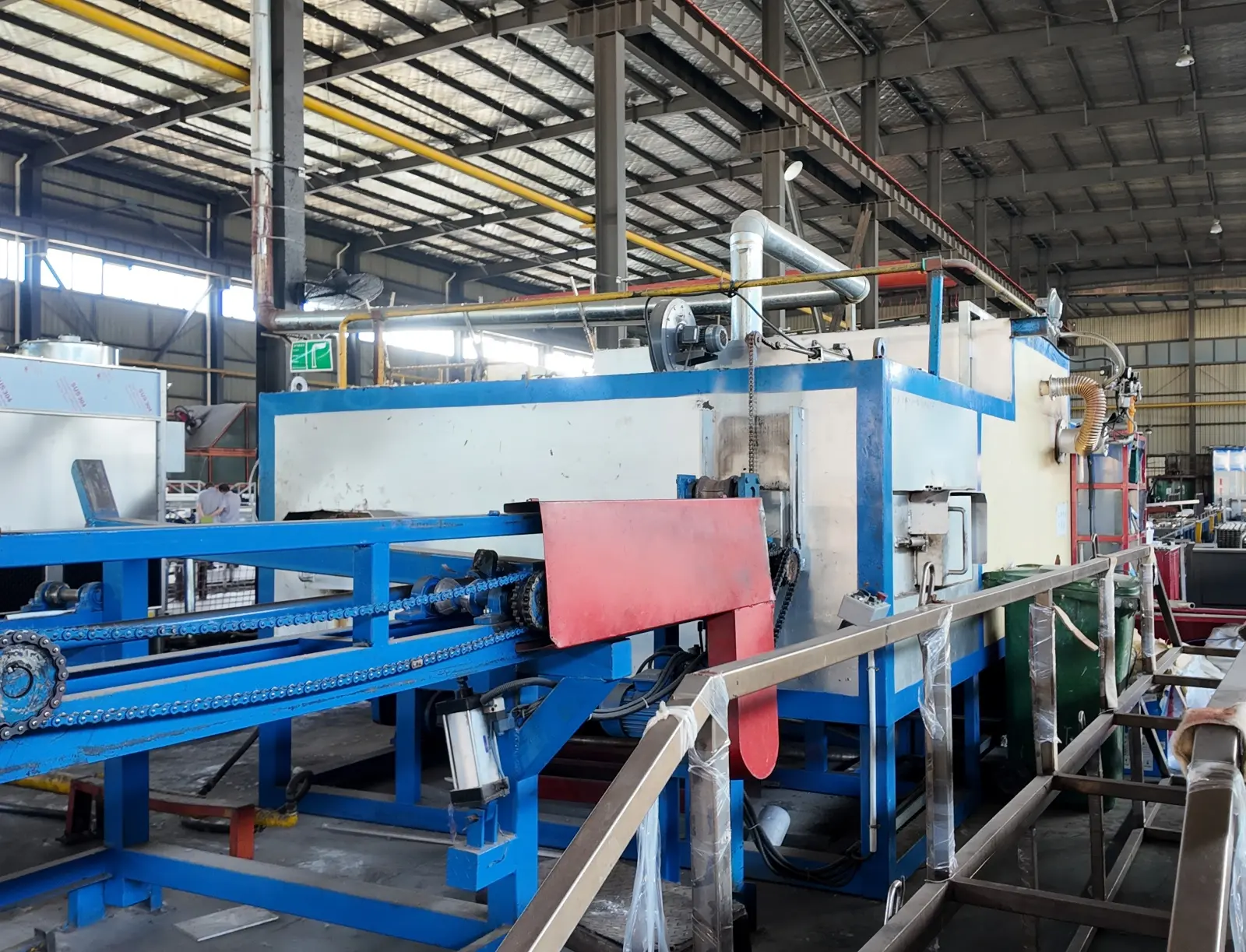
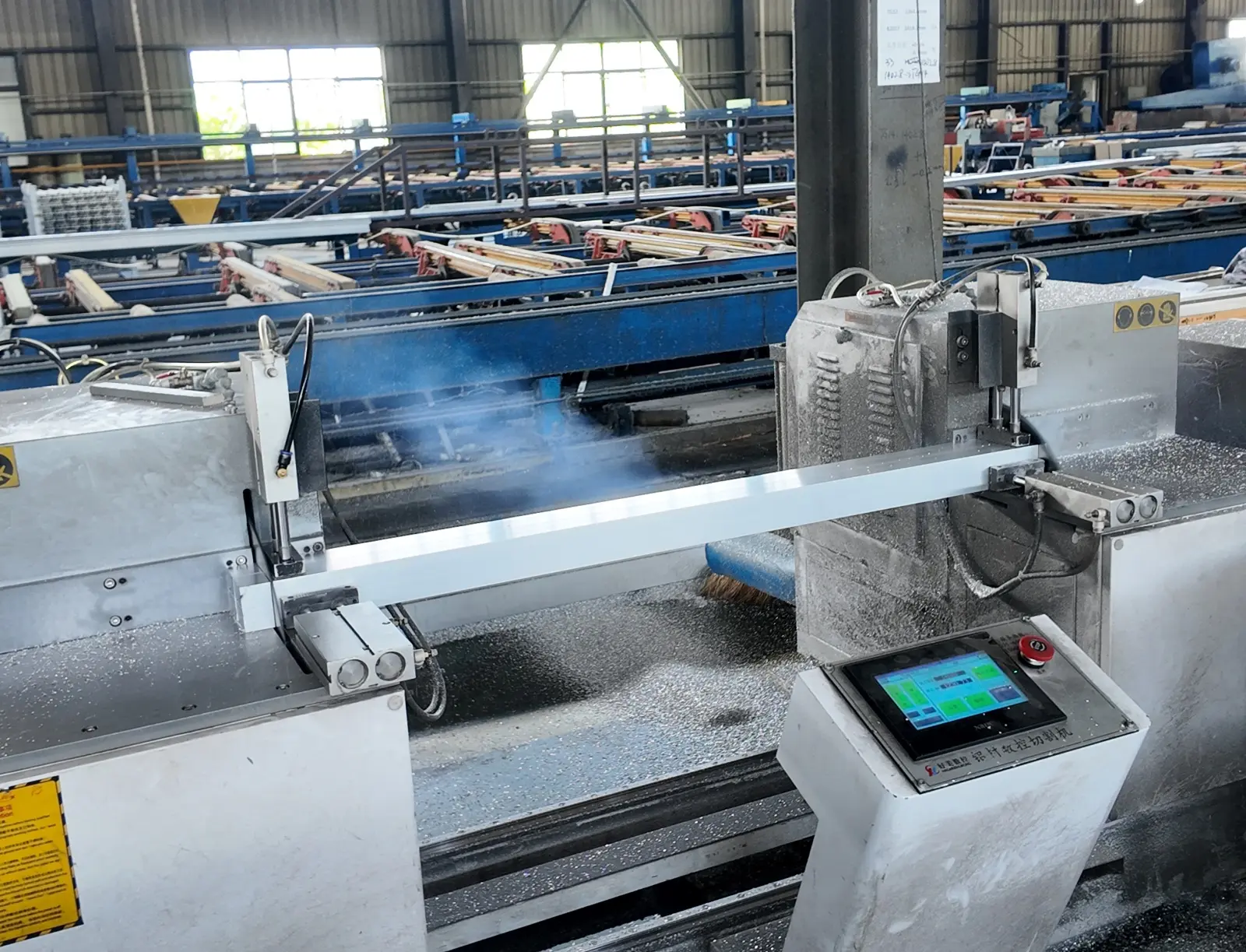
With a production capacity yielding 15,000 tons of high-grade aluminum profiles annually, the company employs 90 specialized technicians and operates 5 advanced extrusion production lines. These lines include one 2500T extruder, one 1450T unit, one 1150T unit, and two 700T units, allowing us to extrude structural profiles ranging from high-precision tracks to large-scale industrial components.
Rapid Local & Global Growth: Over the past three years, our footprint has expanded across major domestic regions (including Anhui, Hebei, Tianjin, Hunan, Guangdong, Beijing, and Jiangsu) and key international markets like South Korea, Japan, the United States, and Europe, maintaining an average annual order delivery growth rate of 30%.
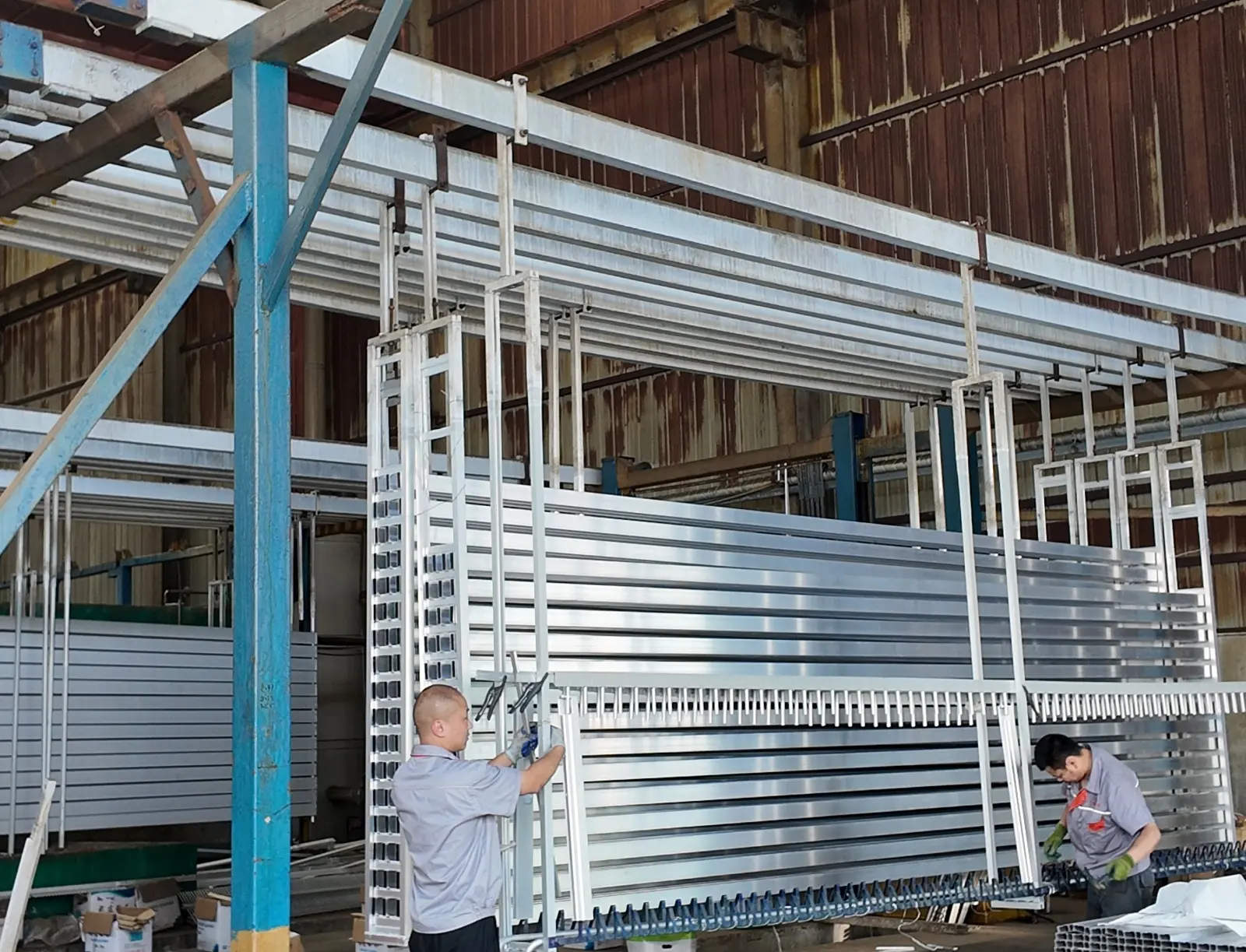
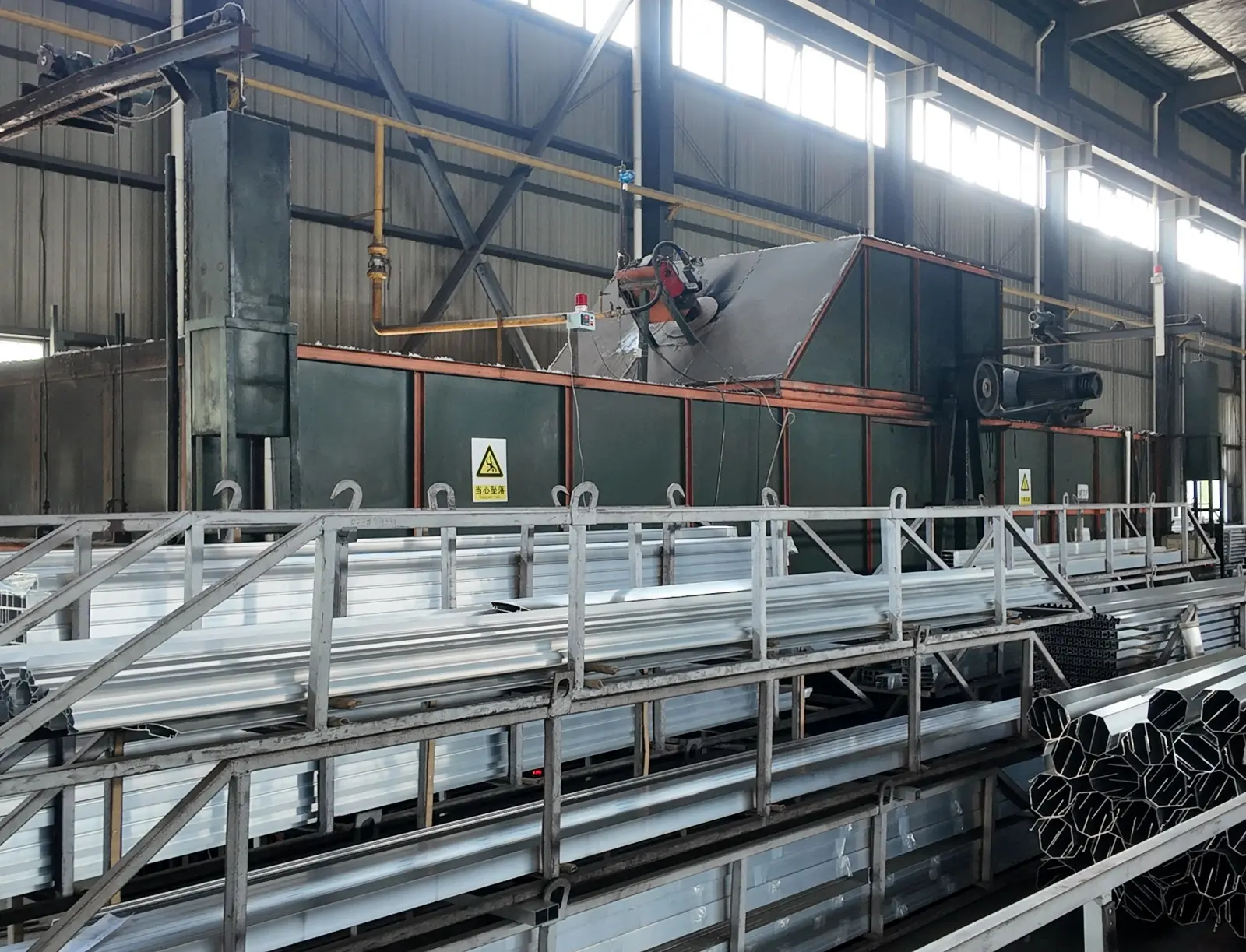
Qingdao Kangjian Aluminum Factory Overview
Brand Story Image

Brand Story: Forging the World's Aluminium Light

In the coastal industrial hub of Qingdao, our founders identified a critical gap: the shortage of local, high-precision custom aluminum extrusion capabilities capable of meeting high international standards. This inspired the establishment of Kangjian.

Located near major shipping channels, Kangjian has implemented a "dual-sea layout"—serving both the domestic industrial market and supplying high-strength components to global ports, infrastructure projects, and architectural fabricators.

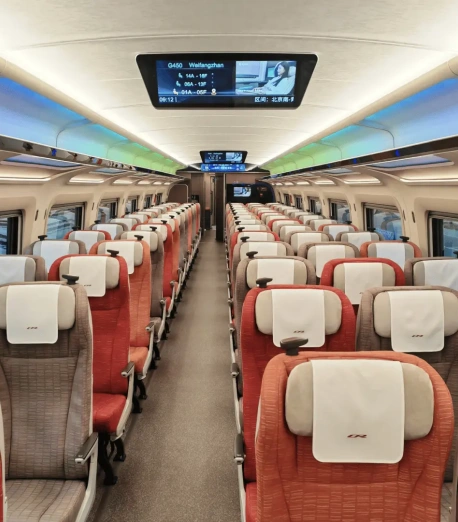
Our corporate philosophy, "Producing high-end aluminum materials and serving global customers," is reflected in our strict quality control and continuous technical development. From large gantry cranes in Northern Europe to high-speed railway networks in Asia, our profiles are designed to perform reliably in demanding environments.

Corporate Vision & Strategic Innovation

We aim to connect regional metal extrusion engineering with global demand, serving as a reliable partner for custom structural profiles. Our operations focus on three key pillars:

1. Innovation-Driven Solutions: Developing custom profile geometries to meet challenging design requirements.

2. Quality Control: Adhering strictly to international production tolerances and materials standards.

3. Collaborative Partnerships: Providing transparent trade, logistics, and engineering support to simplify procurement.
Corporate Vision
Innovation

Engineering Innovation

Developing precision aluminum designs to assist our partners in achieving complex architectural layouts.
Quality

Quality Standards

Implementing strict quality controls to ensure each batch meets structural and mechanical specifications.
Cooperation

Global Trade Integration

Optimizing logistics and production planning to ensure reliable delivery times for international shipments.

Industrial Profile Classifications & Applications

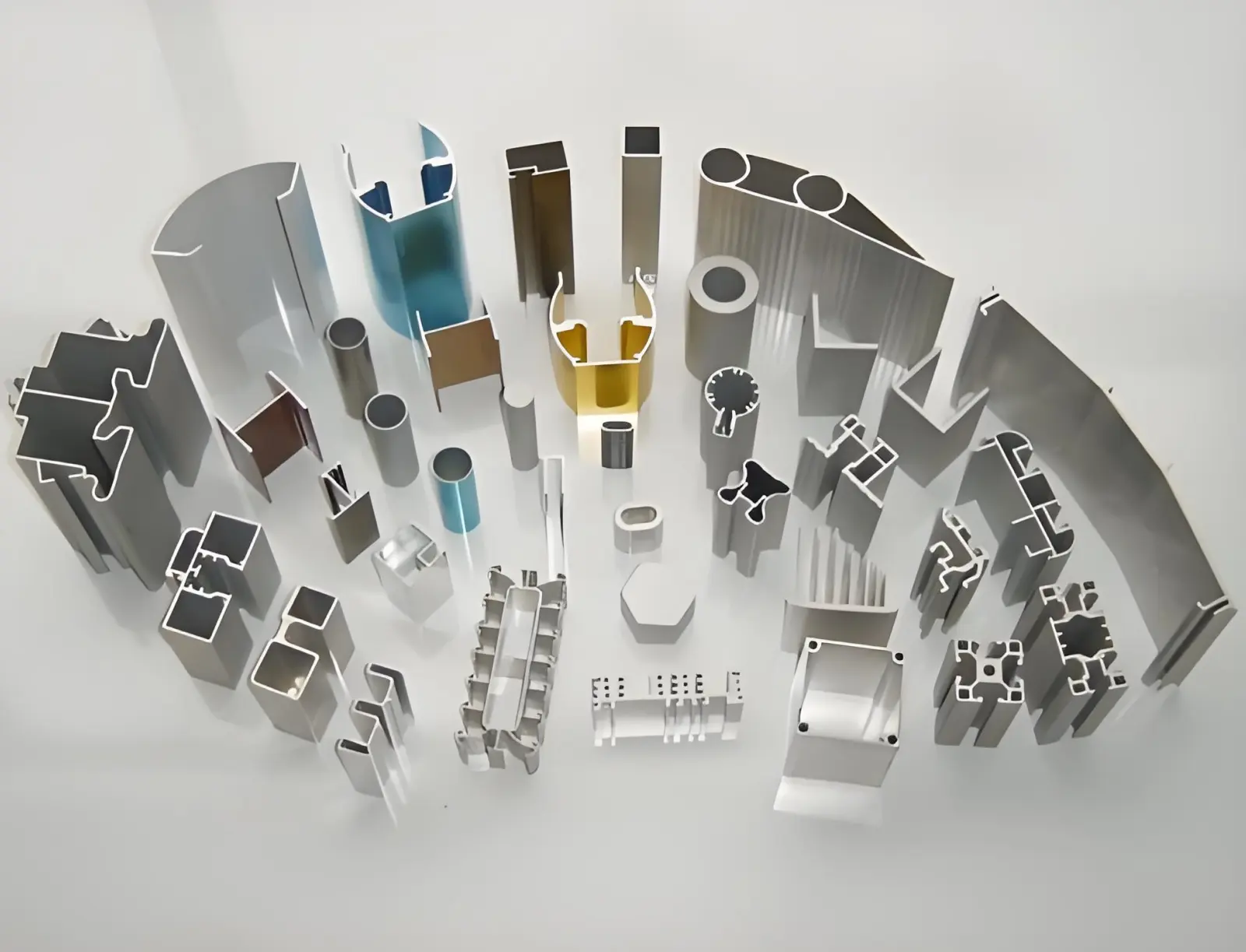
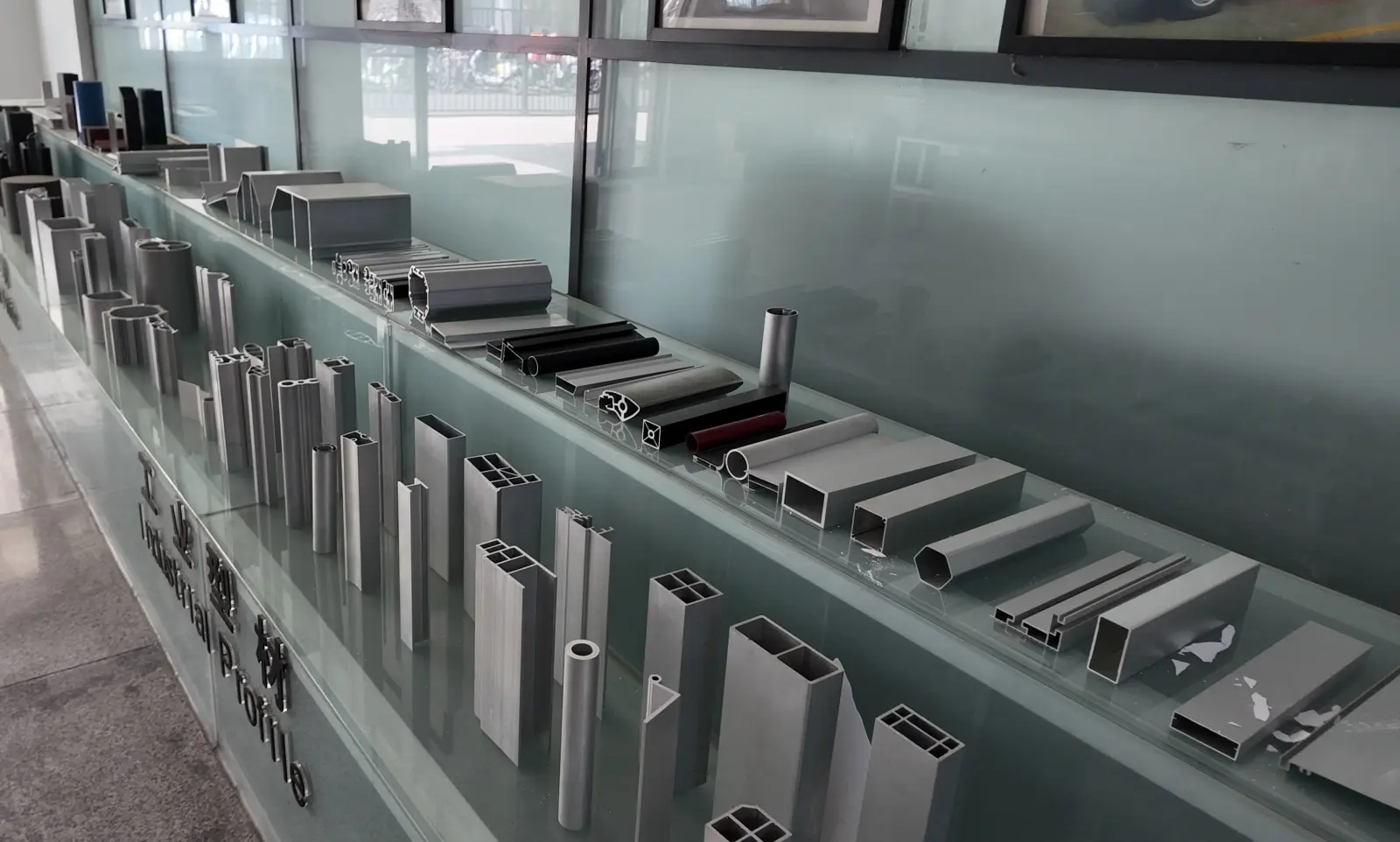
From architectural sliding doors to rail transit components and automotive structures, we provide profiles engineered for high mechanical load environments.

Industrial profile

Industrial Profiles

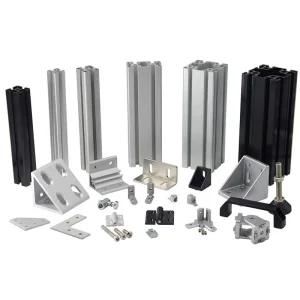
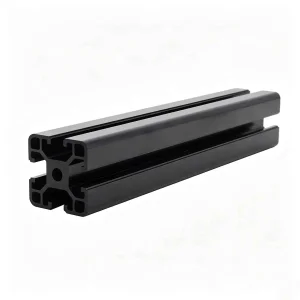
Heavy-duty profiles designed for manufacturing lines, robotic framing, and automation enclosures.
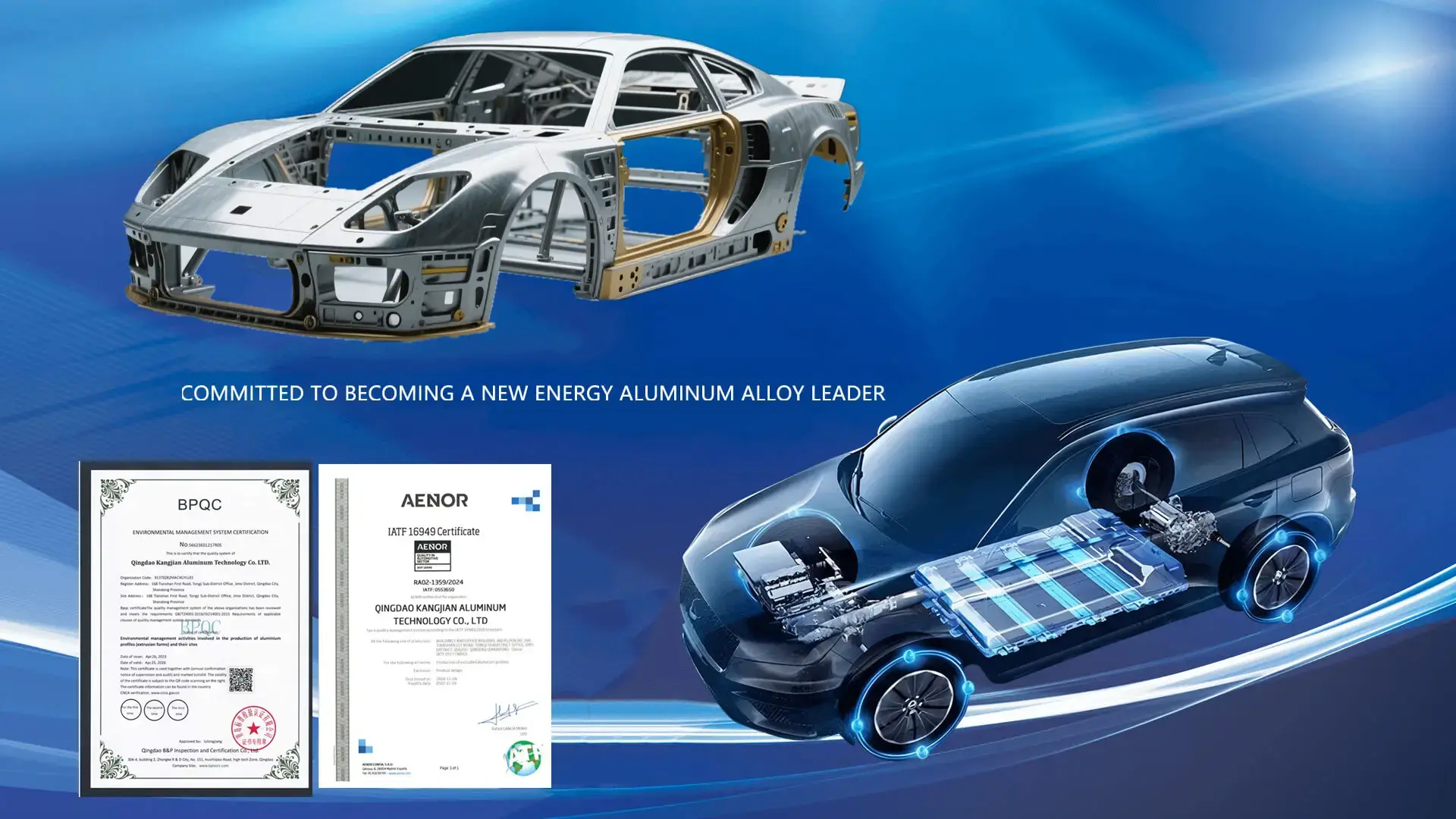
Automotive profile

Automotive Profiles

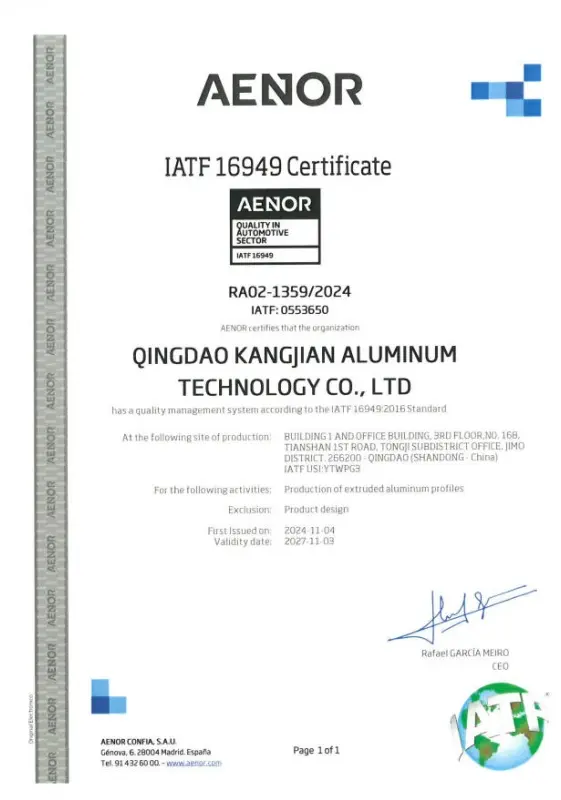
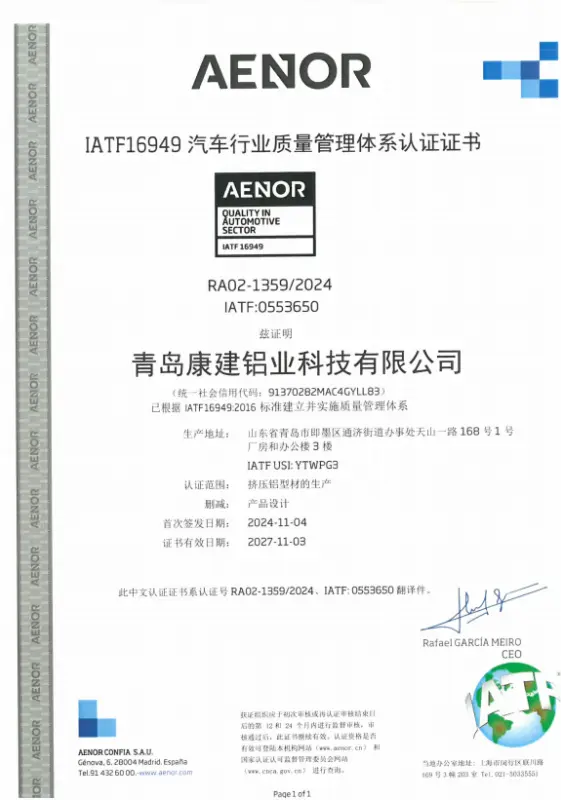
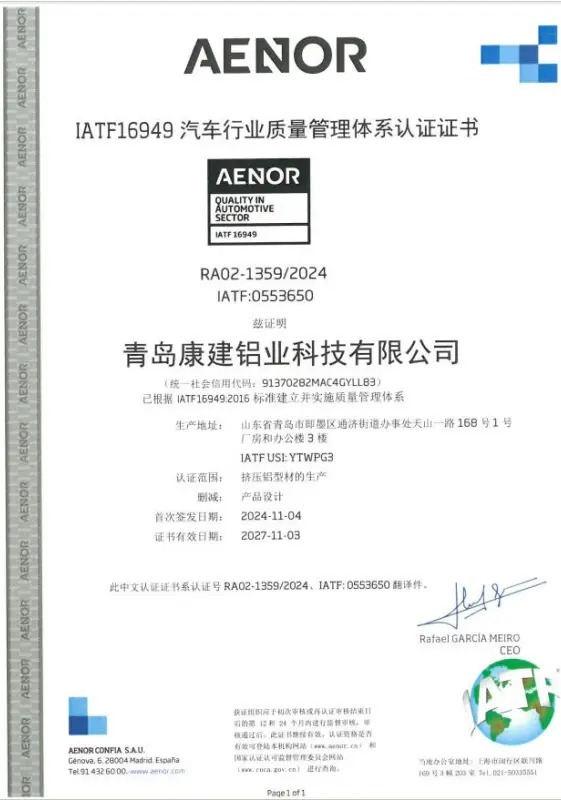
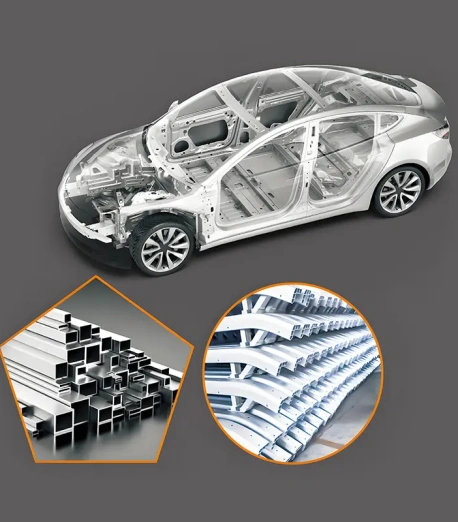
Lightweight structures engineered to automotive standards under our IATF16949 certification.
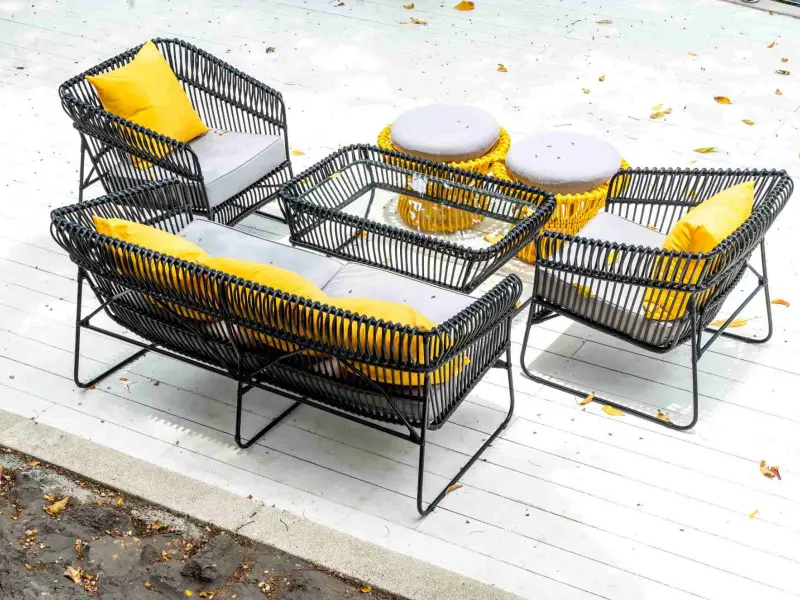
Outdoor furniture profile

Outdoor Profiles

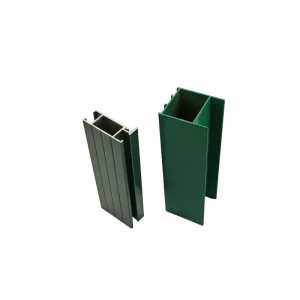
Corrosion-resistant extrusions treated for outdoor applications and exposure to variable climates.
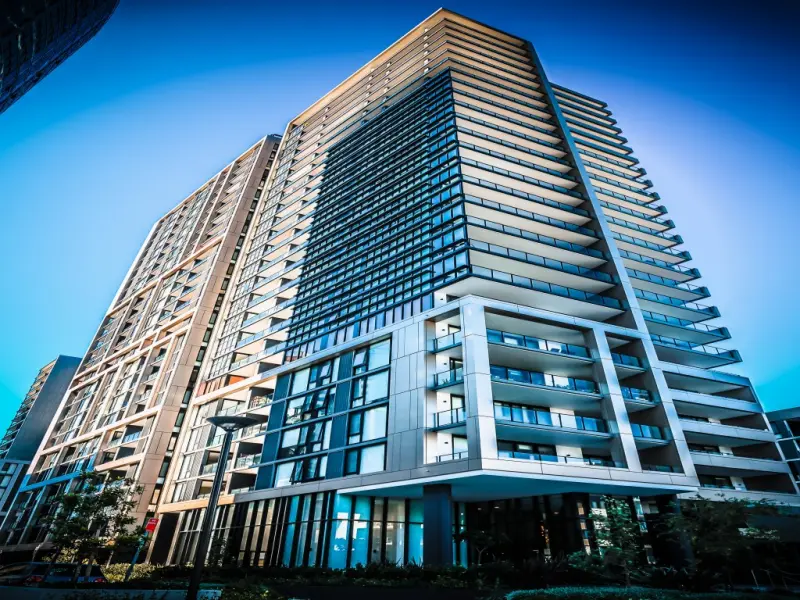
Building profile

Architectural Profiles

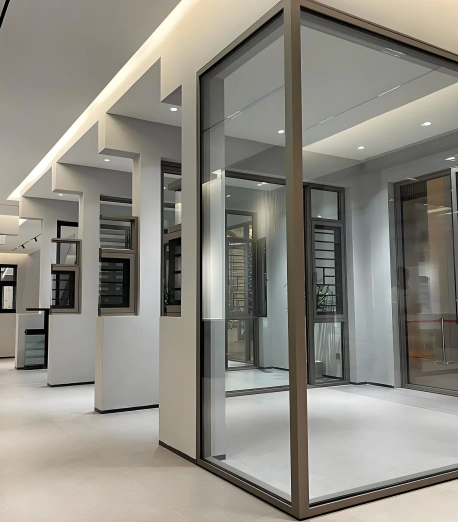
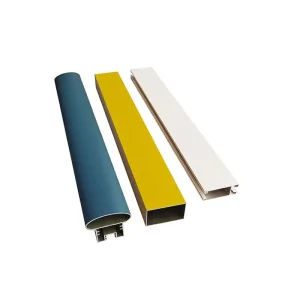
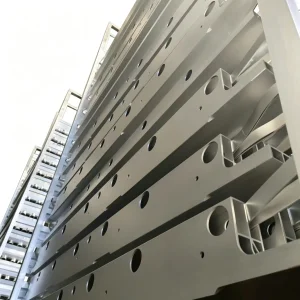
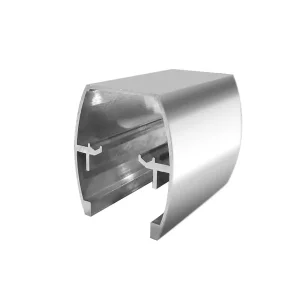
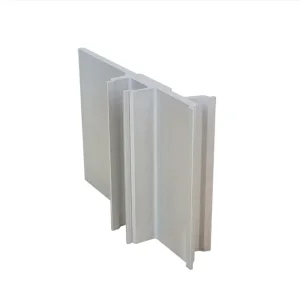
High-precision profiles for curtain walls, bifold door sliders, and structural window frames.
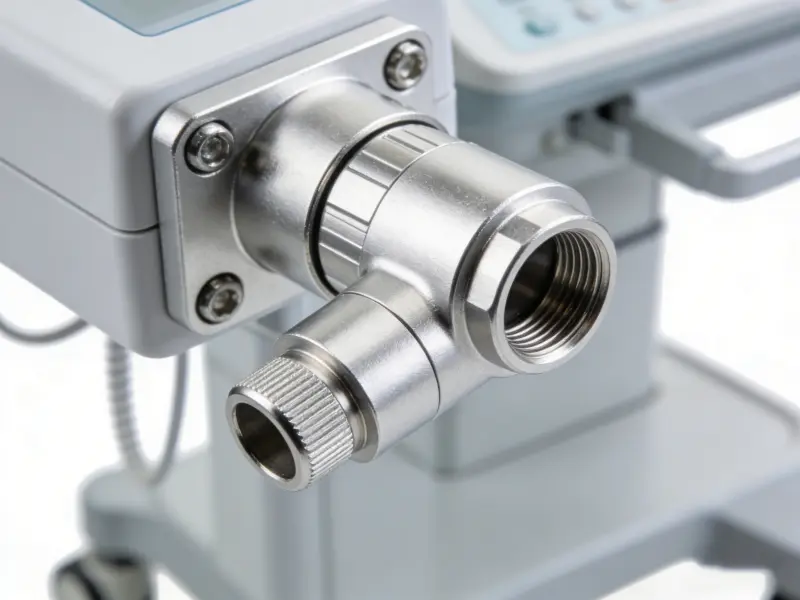
Medical device profile

Medical Equipment

Precisely tolerance-machined aluminum structures for medical framing and hospital systems.
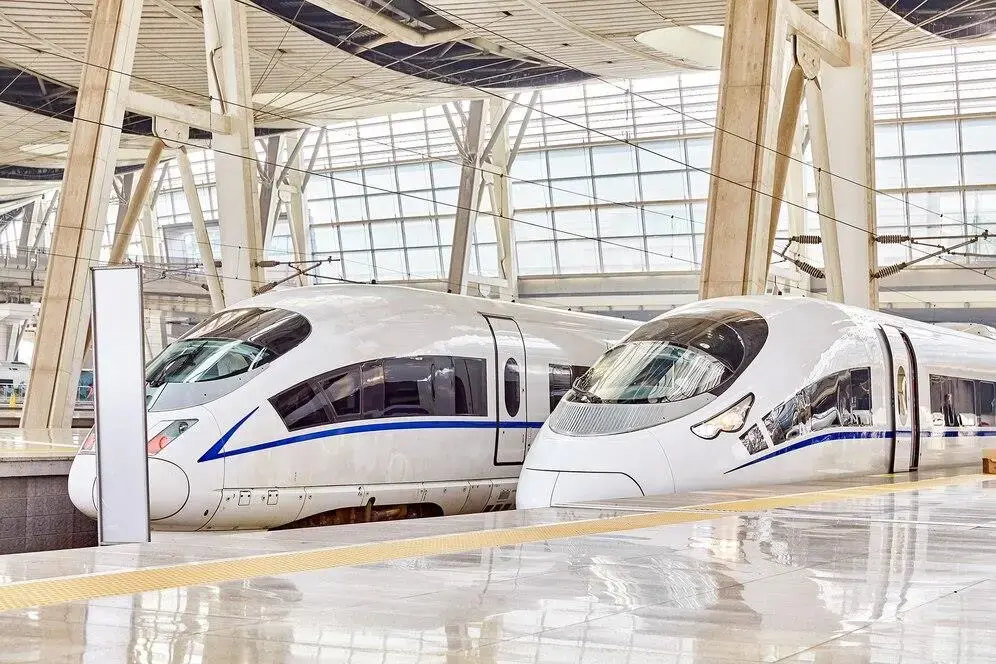
Transportation and logistics profile

Logistics & Rail Transit

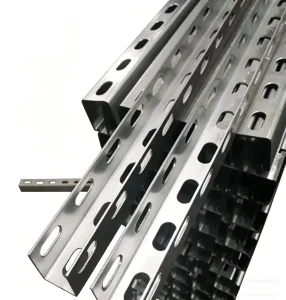
High-strength structures designed under EN15085 welding systems for rail rolling stock and freight.

Technology Roadmap & Sustainability in Sliding Systems

As global energy codes tighten, structural components must evolve to support sustainable, high-performance building envelopes.

The future of bifold door sliders is centered on optimizing thermal performance and integrating automation. Standard aluminum profiles can allow significant thermal transfer, reducing the energy efficiency of the building. To counter this, next-generation systems integrate advanced structural polyamide thermal barriers (such as PA66 GF25), separating the interior and exterior aluminum profiles. This helps designers meet strict local energy requirements and lower overall thermal transmittance (U-values) for large glazed installations.
Simultaneously, the industry is adopting smart home and building automation solutions. Modern commercial structures utilize motorized tracks, integrated control systems, and soft-close mechanisms designed to handle heavy glass panels. These systems rely on precision-machined guide rails to reduce wear on electric drive units. Additionally, manufacturers are working to decrease the carbon footprint of aluminum production. By utilizing low-carbon primary aluminum, recycling production scrap, and improving the energy efficiency of extrusion presses, the industry is aligning with global sustainability initiatives.

Localized Engineering Support & Compliance Guarantees

Reliable custom profile development requires transparent quality validation and structured global logistics support.

Developing custom bifold slider tracks requires close coordination between architectural fabricators and our engineering team. We assist client engineers in refining profile geometries to simplify extrusion, minimize weight without sacrificing load-bearing capacity, and ensure compatibility with standard roller hardware. Our rapid prototyping workflow utilizes structural simulations and short-run trial extrusions to verify profile design before moving to volume production.
To simplify international shipping, we manage transit logistics through the Port of Qingdao. Products are packaged with protective interlayers, structural steel cradles, and moisture-resistant wrapping to prevent damage during long-distance maritime transport. Each shipment is accompanied by complete documentation, including mill test certificates, alloy composition analyses, and surface treatment reports to ensure compliance with import regulations.

FAQ: Structural Aluminum Profile Procurement

Answers to common technical questions regarding alloy selection, tolerances, surface treatments, and custom extrusion tooling.

Q1: What are the mechanical differences between 6063 and 6061 alloys for bifold tracks?
6063 aluminum alloy is chosen for architectural profiles because of its excellent extrudability, thin-wall capabilities, and smooth surface finish, which is ideal for anodizing. 6061 is a structural alloy with higher tensile and yield strength, making it suitable for heavy-duty, load-bearing tracks or structural framing that supports large multi-panel bifold door systems.
Q2: What thickness of anodizing is required to protect profiles in coastal environments?
For standard interior applications, an anodizing thickness of 10 microns is sufficient. However, for outdoor installations—especially in coastal or industrial environments—we recommend a minimum of 15 to 25 microns to prevent pitting and galvanic corrosion.
Q3: How does Kangjian ensure dimensional tolerances along long extrusion profiles?
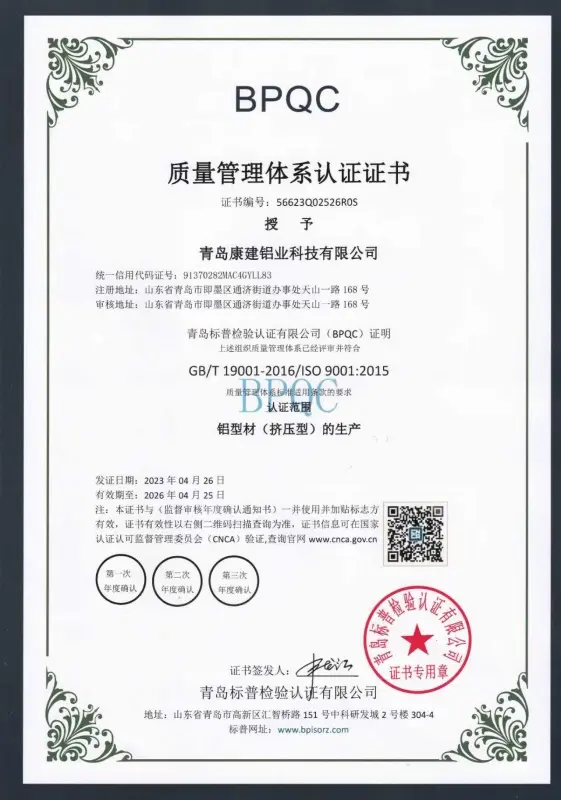
We maintain strict alignment checks and monitor our extrusion dies under ISO9001 and IATF16949 guidelines. Our standard production follows EN 755 and DIN 12020 tolerances, which keeps variation along the track profile to a minimum and prevents sliding issues.
Q4: What is the tooling lead time for custom bifold door slider profiles?
Custom tool and die development typically takes 10 to 15 days, depending on profile complexity. Once the tool is verified, we run sample extrusions for client approval before starting volume production.
Q5: Do your architectural profiles include integrated thermal break options?
Yes, we supply custom profiles designed for thermal breaks. We can extrude individual inner and outer sections ready for assembly with standard polyamide thermal insulating strips (such as PA66 GF25).
Q6: What certifications does your factory hold for international railway and automotive components?
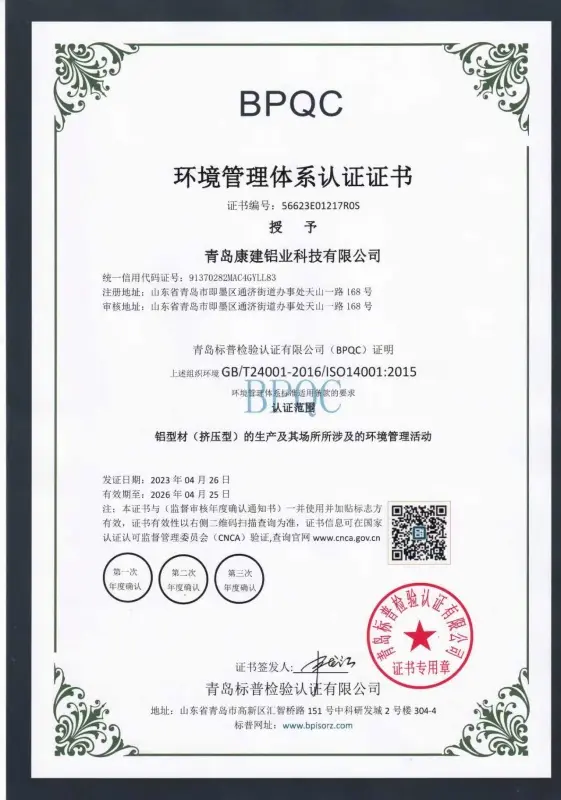
We hold IATF16949 for automotive quality management, ISO22163 for rail transit systems, EN15085 and ISO3834 for structural welding systems, and DIN6701 for adhesive bonding applications.
Q7: What is the minimum wall thickness you can achieve for precision track guides?
We can extrude wall thicknesses down to 0.8mm for light decorative elements, though load-bearing sliding tracks generally require a minimum wall thickness of 2.0mm to 3.5mm to prevent structural deformation.
Q8: How are bulk shipments protected during sea freight?
We wrap individual profiles in protective film, bundle them, and place them into reinforced steel crates or wooden boxes. This packaging prevents movement and moisture exposure during ocean transit.
Q9: What is the annual production capacity of your extrusion facility?
Our facility has an annual production capacity of 15,000 tons of aluminum profiles. This capacity is supported by five extrusion lines ranging from 700T to 2500T.
Q10: Can you match custom colors for powder-coated architectural components?
Yes, we match custom colors based on RAL, Pantone, or physical samples provided by our clients. All powder coatings are applied to meet Qualicoat durability standards.

Certified Quality & Operations

Our production processes are audited and certified to meet high safety and quality standards across multiple industries.
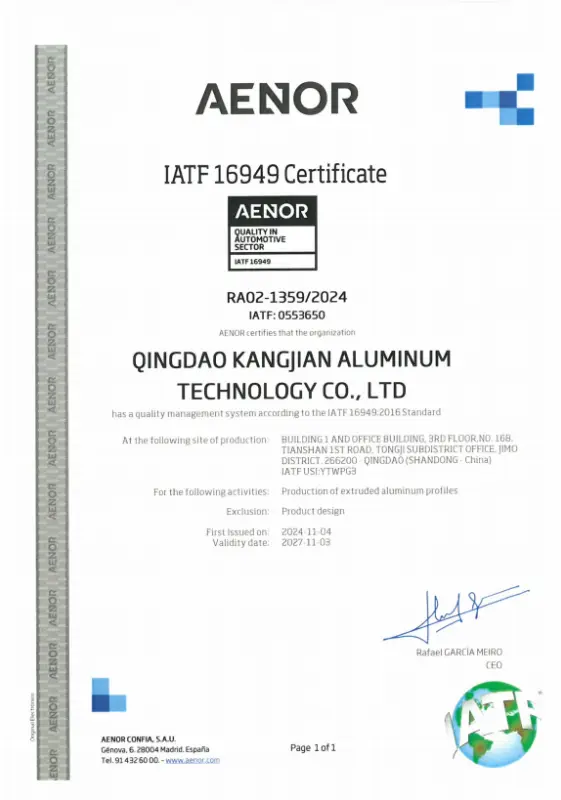
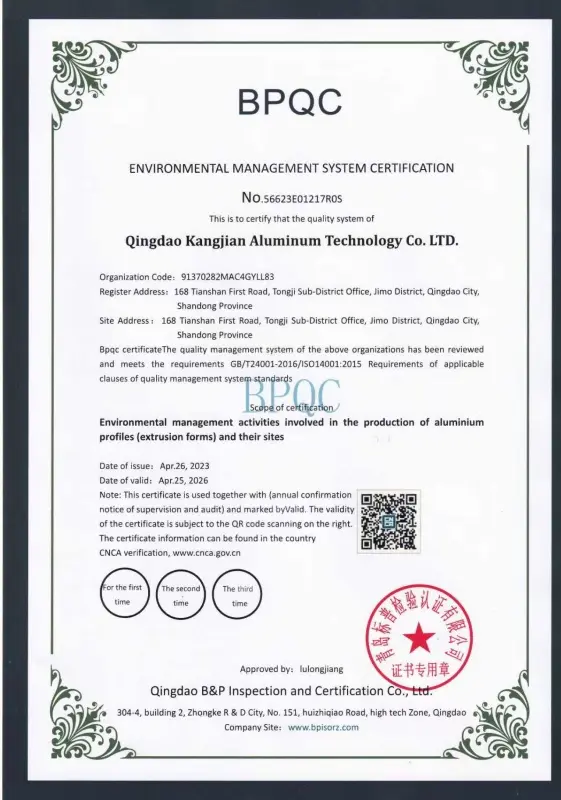
Compliance Certification 1
Compliance Certification 2
Compliance Certification 3
Compliance Certification 4
Compliance Certification 5
Compliance Certification 6
Compliance Certification 7
Compliance Certification 8

Global Industrial Partnerships

Partner Logo 1
Partner Logo 2
Partner Logo 3

Production Environment & Application Case Displays

A visual overview of our manufacturing processes, warehousing, and structural aluminum applications.
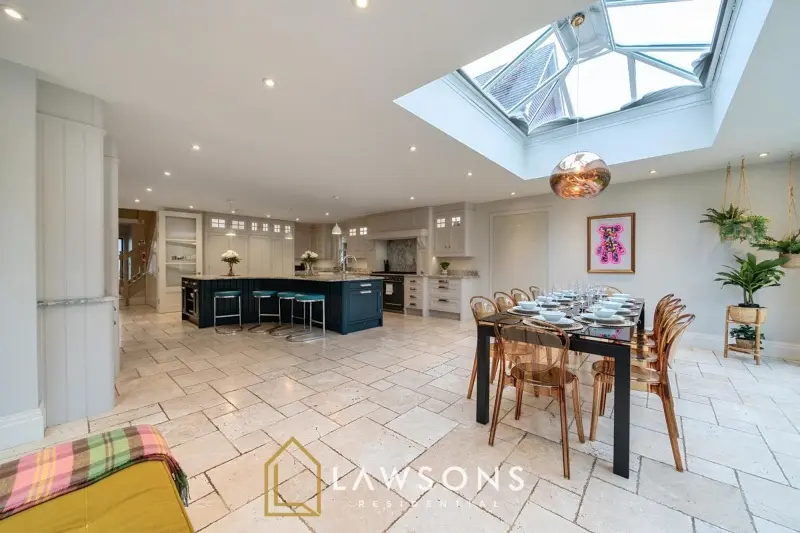
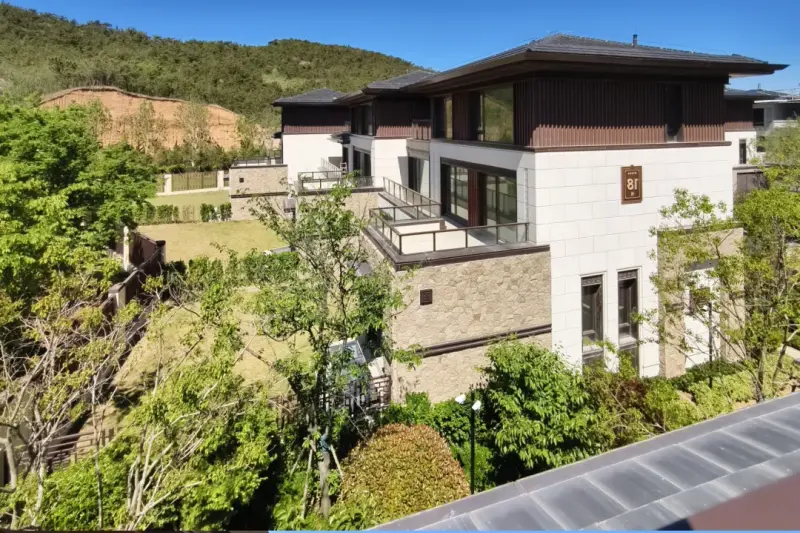
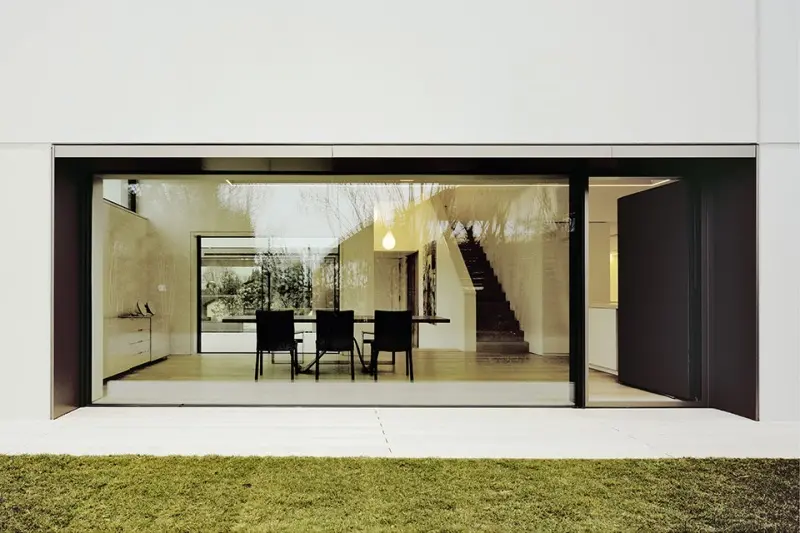
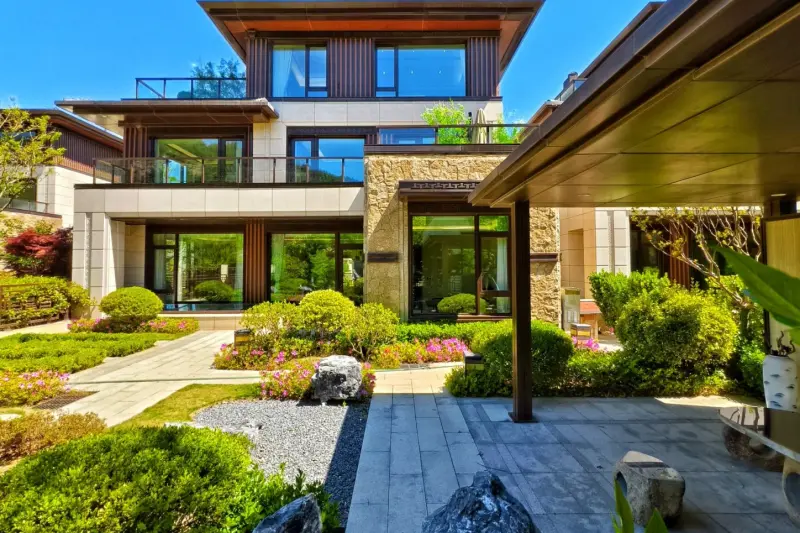
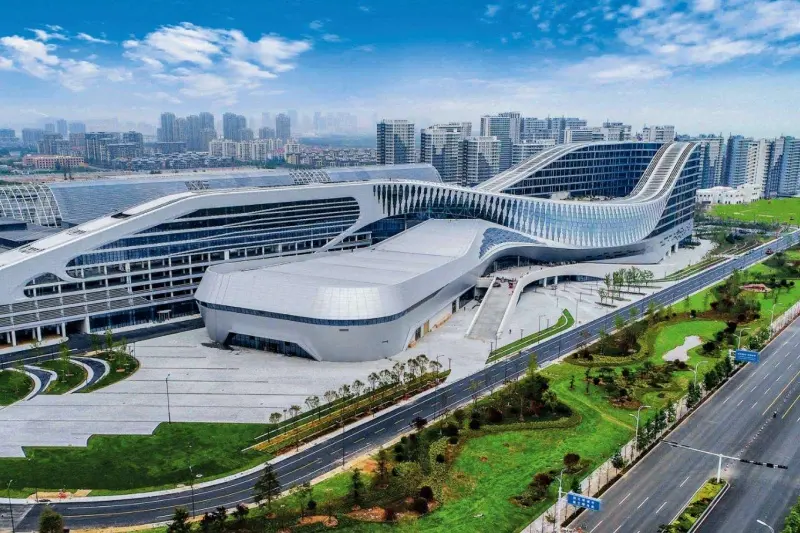
Global Application Cases