Kangjian
Kangjian
Kangjian
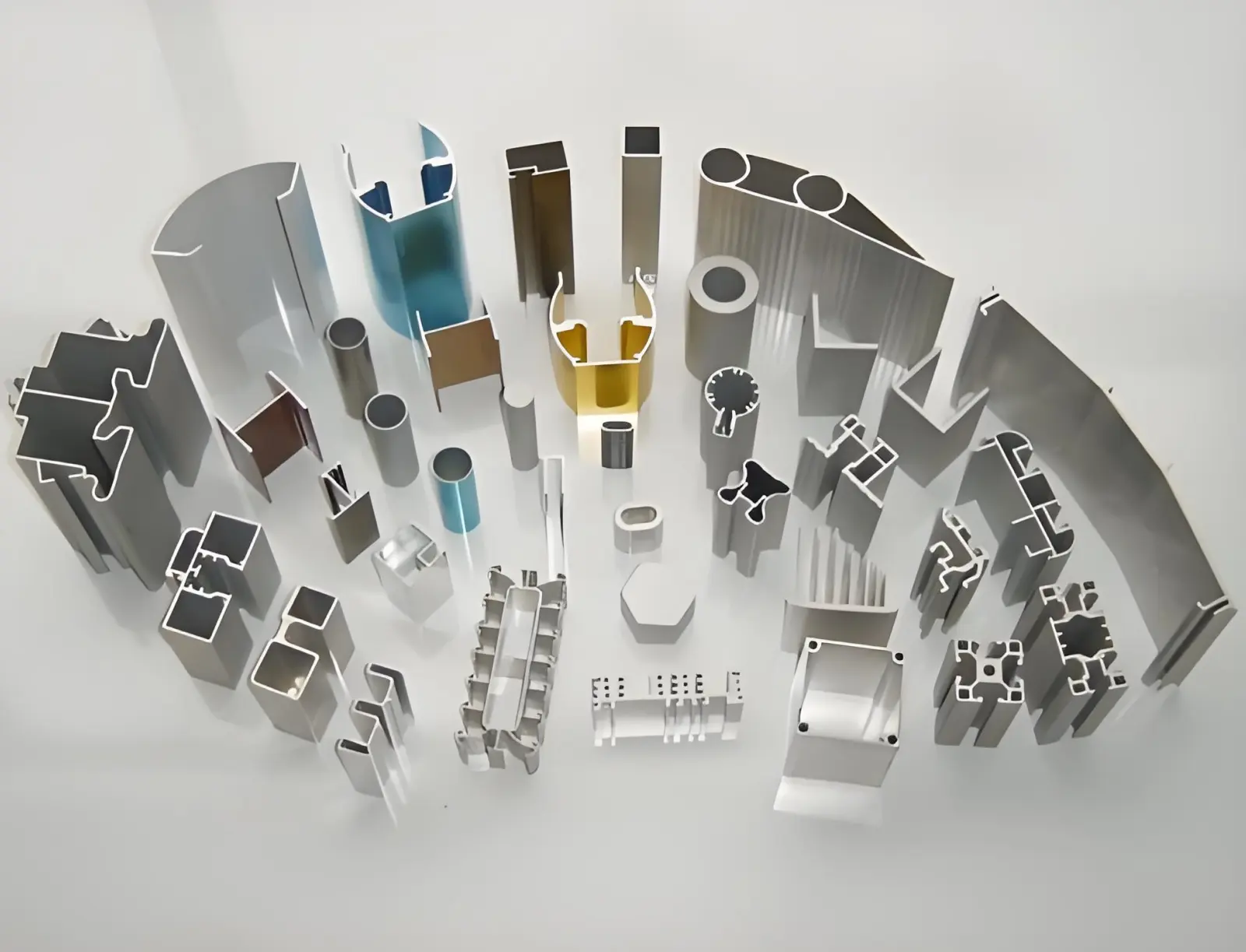
Explore our high-precision custom aluminum profiles and CNC machined parts designed to enhance structurally-demanding UAV airframes, industrial arms, and lighting channels.
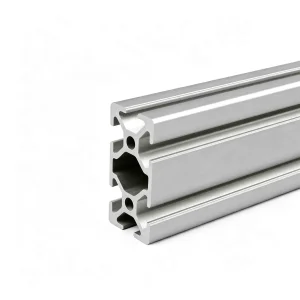
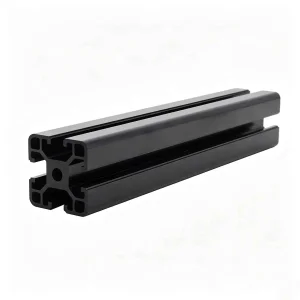
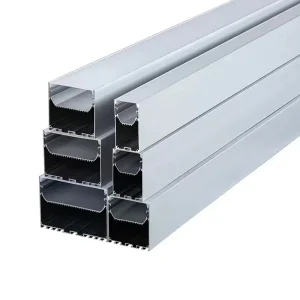
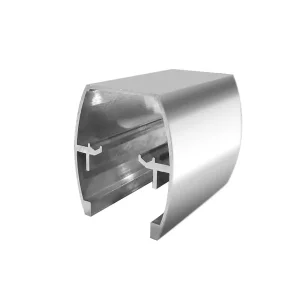
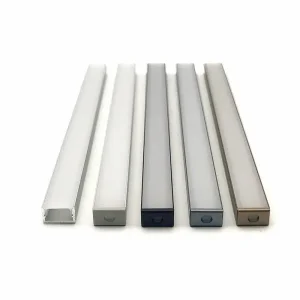
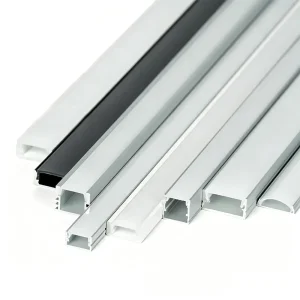
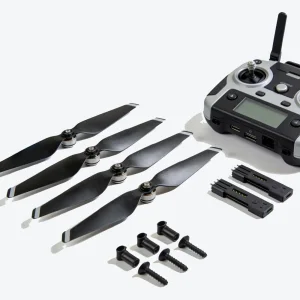
Modern unmanned aerial vehicles (UAVs) demand structural components that harmonize minimal weight with maximum mechanical resilience. In this engineering landscape, extruded aluminum profiles have emerged as the foundational material for commercial, agricultural, and industrial drone frames. While carbon fiber dominates hobbyist builds, aerospace-grade aluminum profiles provide distinct advantages in impact energy absorption, structural predictability, electromagnetic shielding, and cost efficiency.
Aluminum alloys like 6061-T6 and 7075-T6 offer excellent yield strengths alongside outstanding machinability. This allows for the integration of complex geometries—such as cooling fins, internal wiring channels, and snap-fit joints—directly into the extrusion profile. This structural integration eliminates mechanical fasteners, significantly minimizing drone empty weight while accelerating assembly operations.
Furthermore, as drone technology shifts toward payload-heavy and long-endurance missions (e.g., LiDAR scanning, logistics delivery, high-resolution surveillance), the frame must withstand intense vibration, dynamic motor torques, and diverse thermal cycles. High-precision aluminum profiles act as an efficient heatsink for speed controllers (ESCs) and motors, drawing heat away from delicate sensors and batteries to ensure operational safety and system reliability.
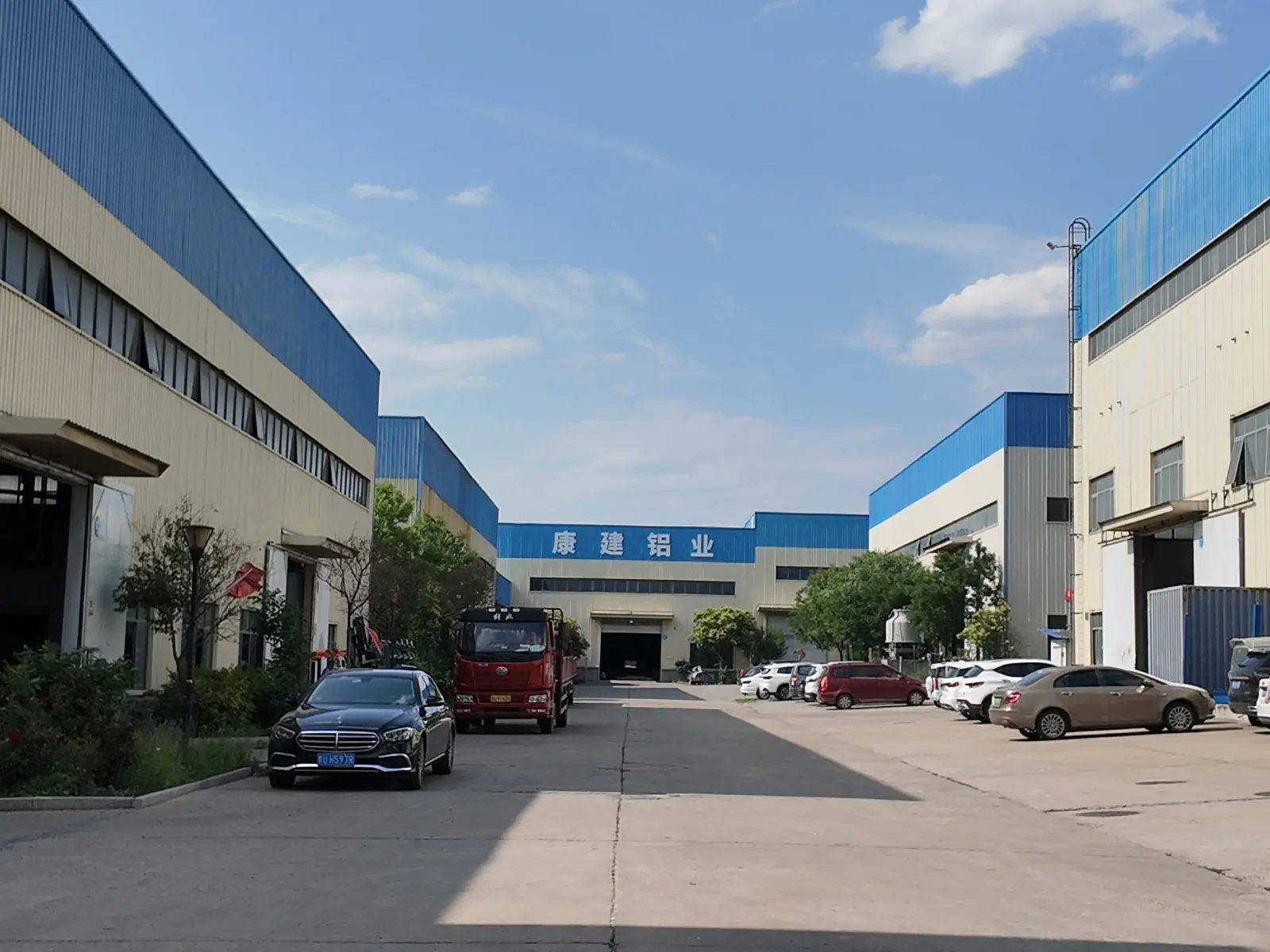

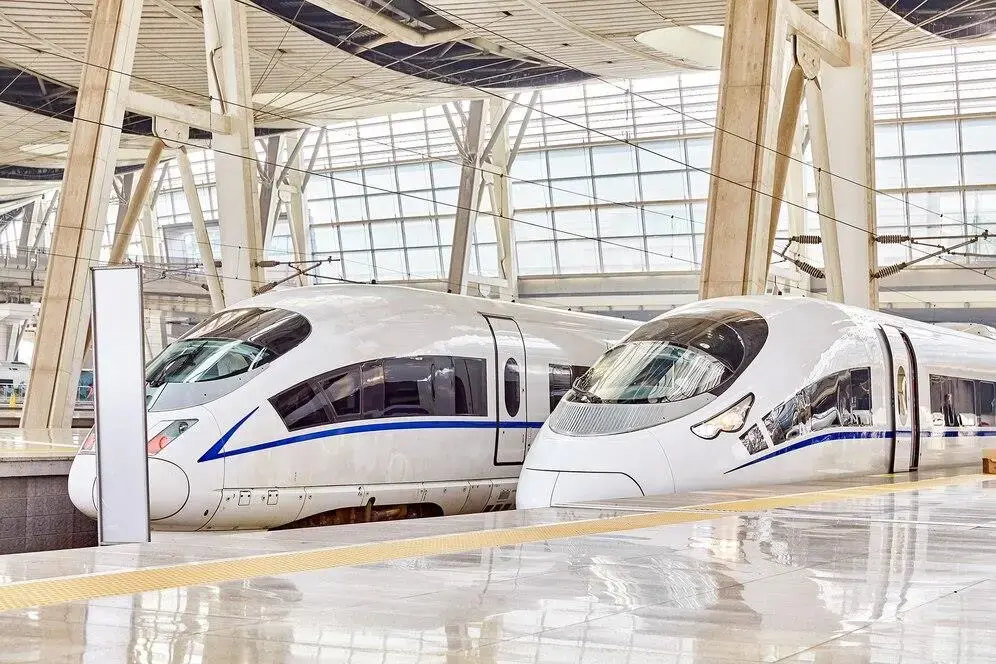
Founded in the Jimo District of Qingdao City, Qingdao Kangjian Aluminum Industry Technology Co., Ltd. is a leading manufacturer of high-performance, precision-engineered aluminum and aluminum alloy profiles. Since our registration and establishment in 2022, we have focused on producing structural materials for highly-demanding sectors: rail transit, aerospace, automotive, marine engineering, and structural components for industrial robotics and drones.
Operating a state-of-the-art production base covering 200 mu (with 80,000 square meters of factory space and 4,000 square meters of advanced administration facilities), our production hub manages an annual output of over 15,000 tons of premium aluminum profiles. Our facility houses 5 modern extrusion production lines, comprising:
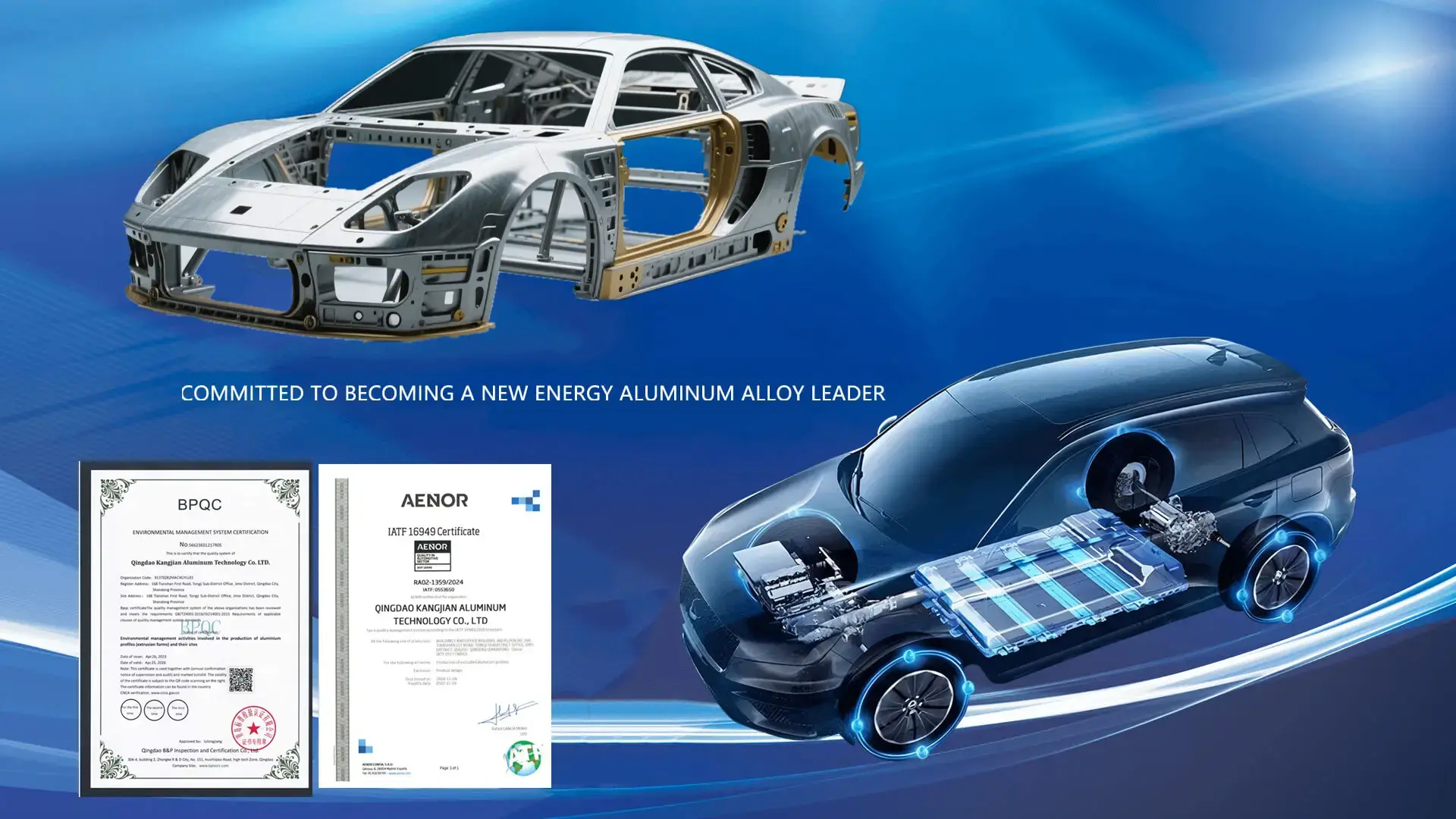
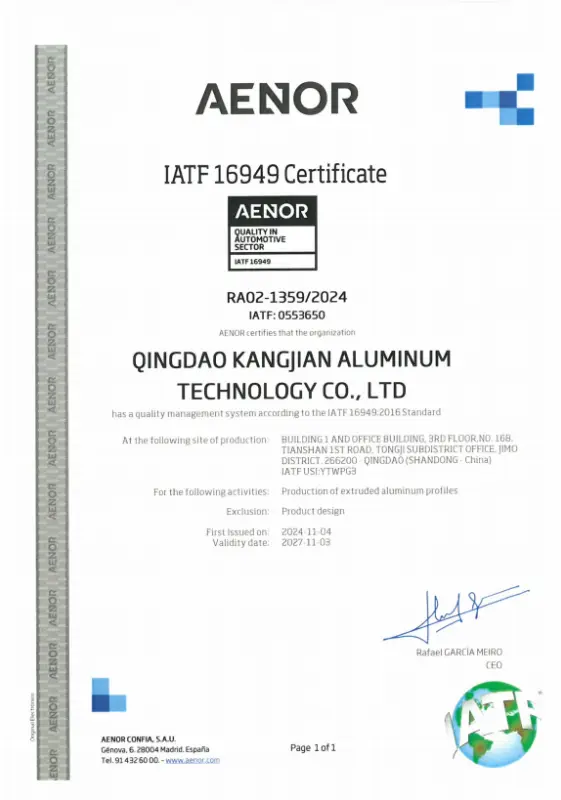
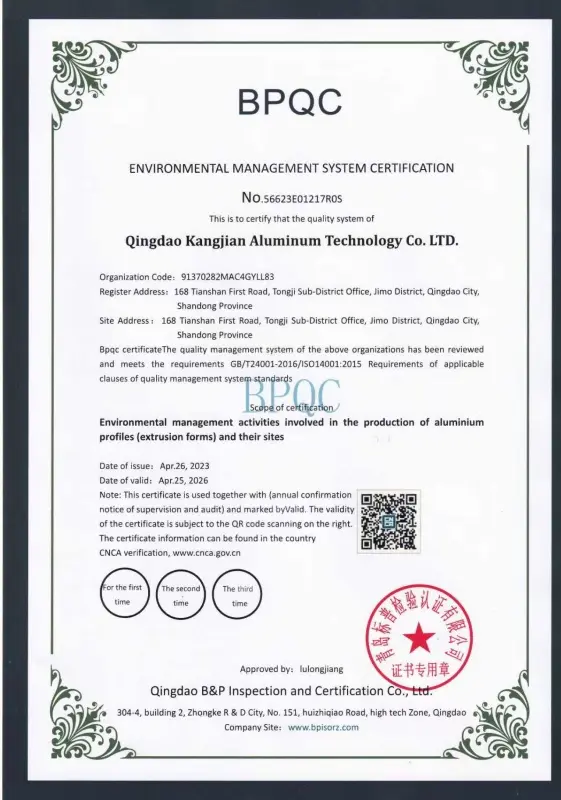
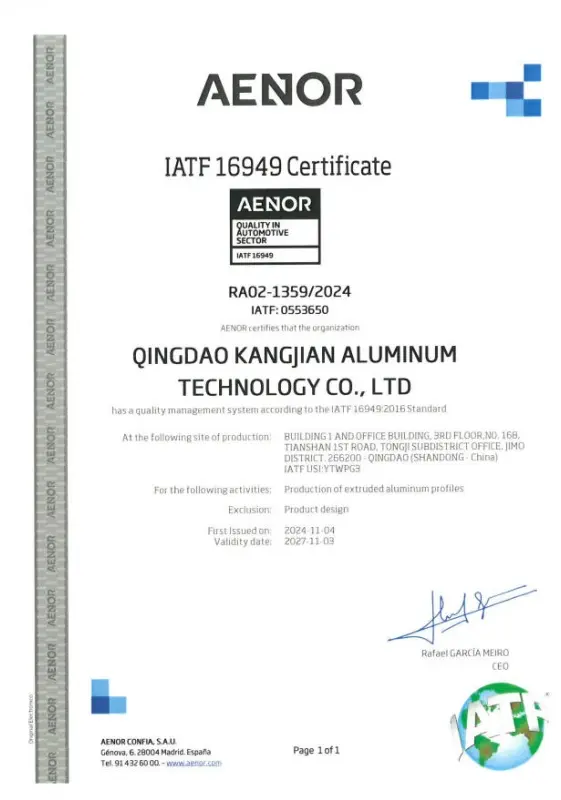
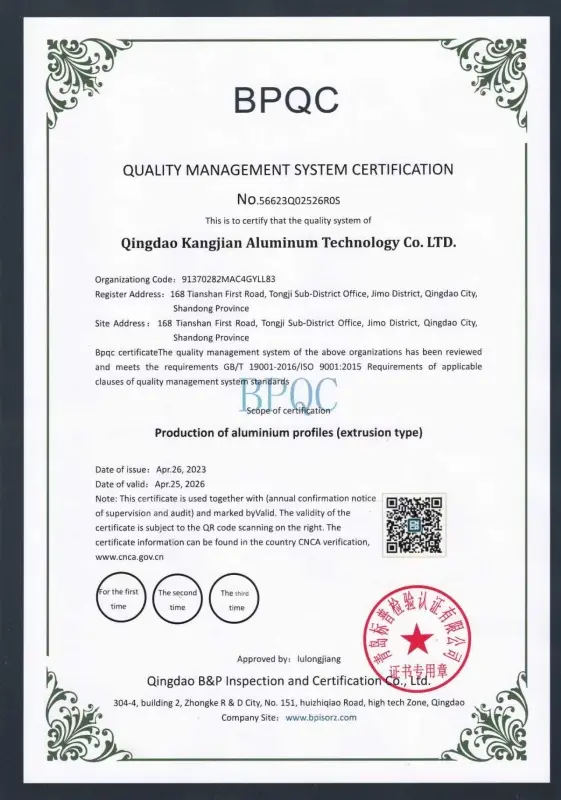
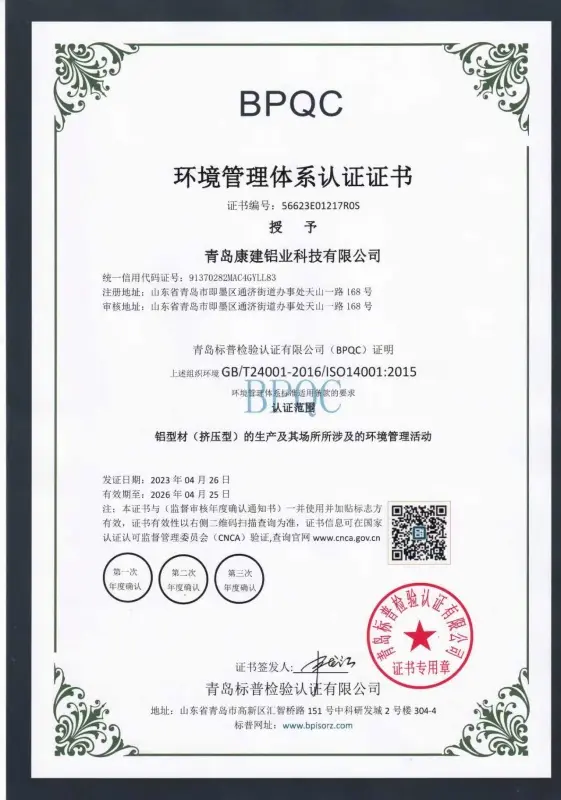
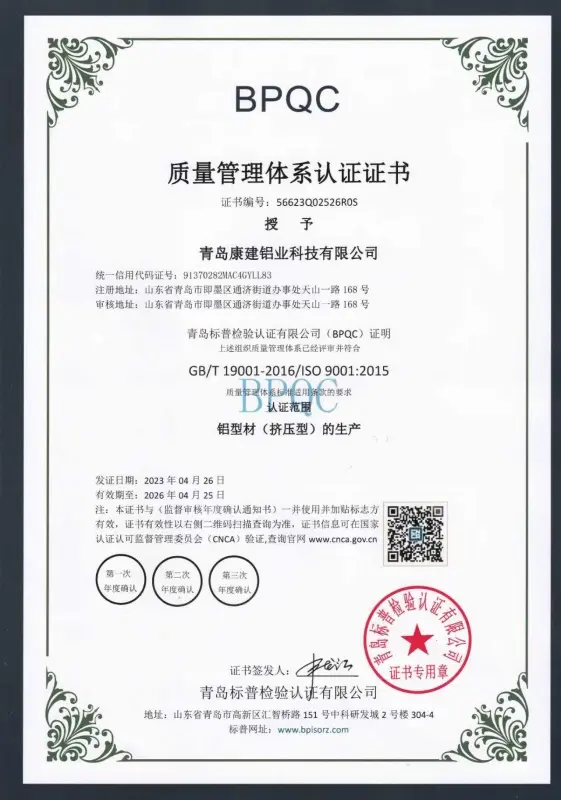
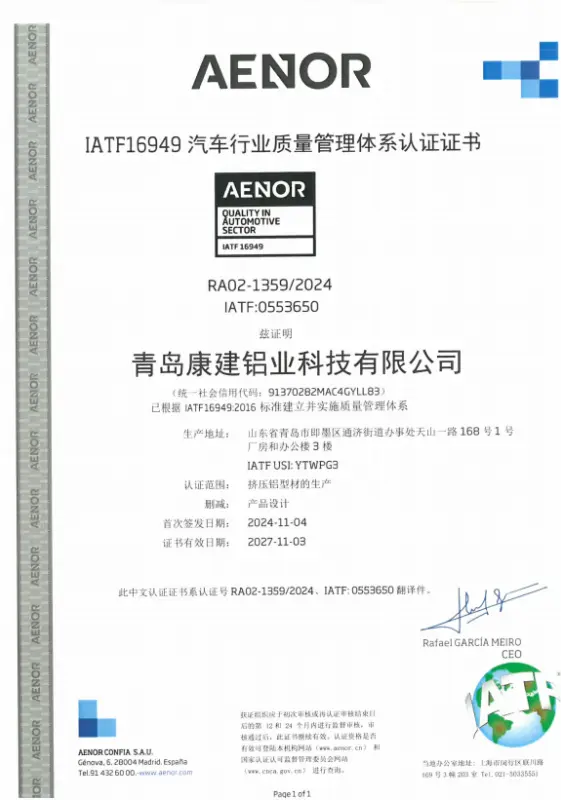
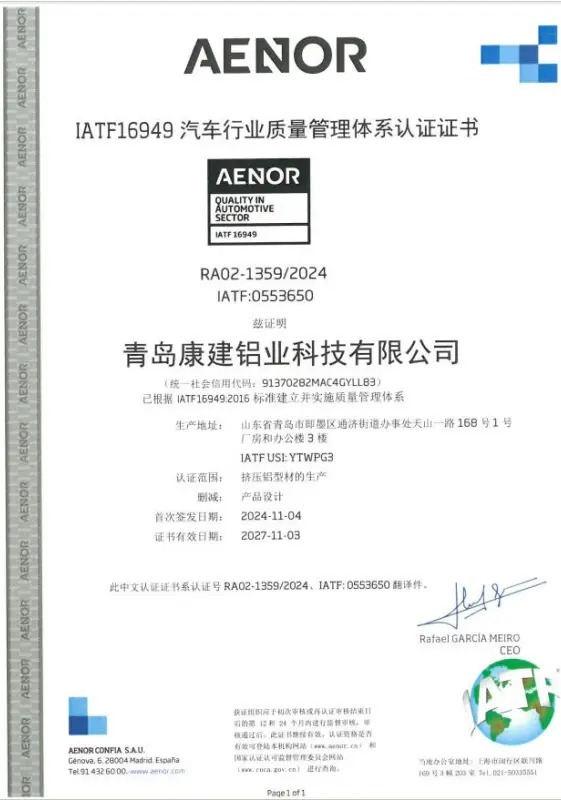
Our commitment to quality management is backed by strict compliance certifications, including the National Industrial Product Production License, GB/T19001-2016 / ISO9001 Quality Management System, GB/T24001-2016 / ISO14001 Environmental Management System, and the highly demanding IATF16949 Automotive Industry Quality Management System Certification. We also hold specialized certifications such as ISO22163 (Railway Industry Management System), EN15085 (Welding of Railway Vehicles), and DIN6701 (Adhesive Bonding of Railway Vehicles and Parts).
We supply a variety of structural alloys optimized for strength, corrosion resistance, and precision CNC post-processing.
| Alloy & Temper | Tensile Strength (MPa) | Yield Strength (MPa) | Elongation (%) | Key Characteristics & Primary Drone Applications |
|---|---|---|---|---|
| 6061-T6 | ≥ 310 | ≥ 276 | 12 - 17 | Excellent structural strength, ease of welding, highly corrosion-resistant. Standard for drone arms and base mounts. |
| 6063-T5/T6 | ≥ 220 | ≥ 170 | 8 - 12 | Superb surface finish, ideal for complex, intricate thin-walled structural extrusions. Commonly used in heat sinks and LED tracks. |
| 7075-T6 | ≥ 572 | ≥ 503 | 11 | Extremely high strength-to-weight ratio comparable to steel. Perfect for heavy-lift commercial and military drone airframes. |
| 6082-T6 | ≥ 310 | ≥ 260 | 10 | Highly resilient to dynamic impacts, excellent machine workability. Often chosen for agricultural spraying drones. |
Navigating supply chain volatilities, strict precision tolerances, and regulatory international standards.
UAV structural assemblies require strict tolerances for motor mounts and sensor housings. Even minor millimeter-level deviations can cause unwanted airframe vibration. Our integrated CNC machining center guarantees dimensional tolerances within ±0.02 mm.
Commercial agricultural and marine drones operate in harsh environments. We offer custom surface finishes, including hard anodizing (Type III), sandblasting, and corrosion-resistant powder coatings to extend airframe life under challenging conditions.
By combining alloy design, tool engineering, aluminum extrusion, and precision multi-axis CNC machining under one roof, we eliminate intermediate transportation costs, reduce risk, and shorten prototype-to-production cycles.
Staying ahead of structural industry trends: the transition to lighter, stronger, and more sustainable alloy configurations.
Development of ultra-thin aluminum profiles with wall thicknesses under 0.8 mm. Tailored for micro-UAVs and FPV frames to achieve carbon-fiber-level weights at a fraction of production costs.
Incorporating trace amounts of scandium (Sc) into traditional 6xxx and 7xxx series extrusions. This refinement increases weld strength, fatigue life, and microstructural thermal stability.
Implementing clean-energy smelting processes and high-fraction recycled scrap processing. This aligns with global carbon-reduction policies and international ESG criteria.
Efficiency in supply chain management is defined by raw material proximity and direct logistics routes. Qingdao Kangjian Aluminum operates near the Port of Qingdao—one of the world's busiest deepwater shipping terminals. This strategic location provides seamless access to direct international maritime lanes, connecting our facility directly to major markets across North America, the European Union, South Korea, and Japan.
Despite shifts in the global industrial economy, we maintain a resilient export infrastructure. Over the past three years, our international shipment volume has grown by 30% annually. We streamline global distribution by managing export documentation, customs clearances, and international compliance standards like REACH, RoHS, and SGS environmental parameters.
Whether you require LCL consolidation for prototype testing or continuous FCL deliveries of high-volume runs, our dedicated logistics division ensures safe, prompt transit times from our Jimo factory directly to your manufacturing floor.
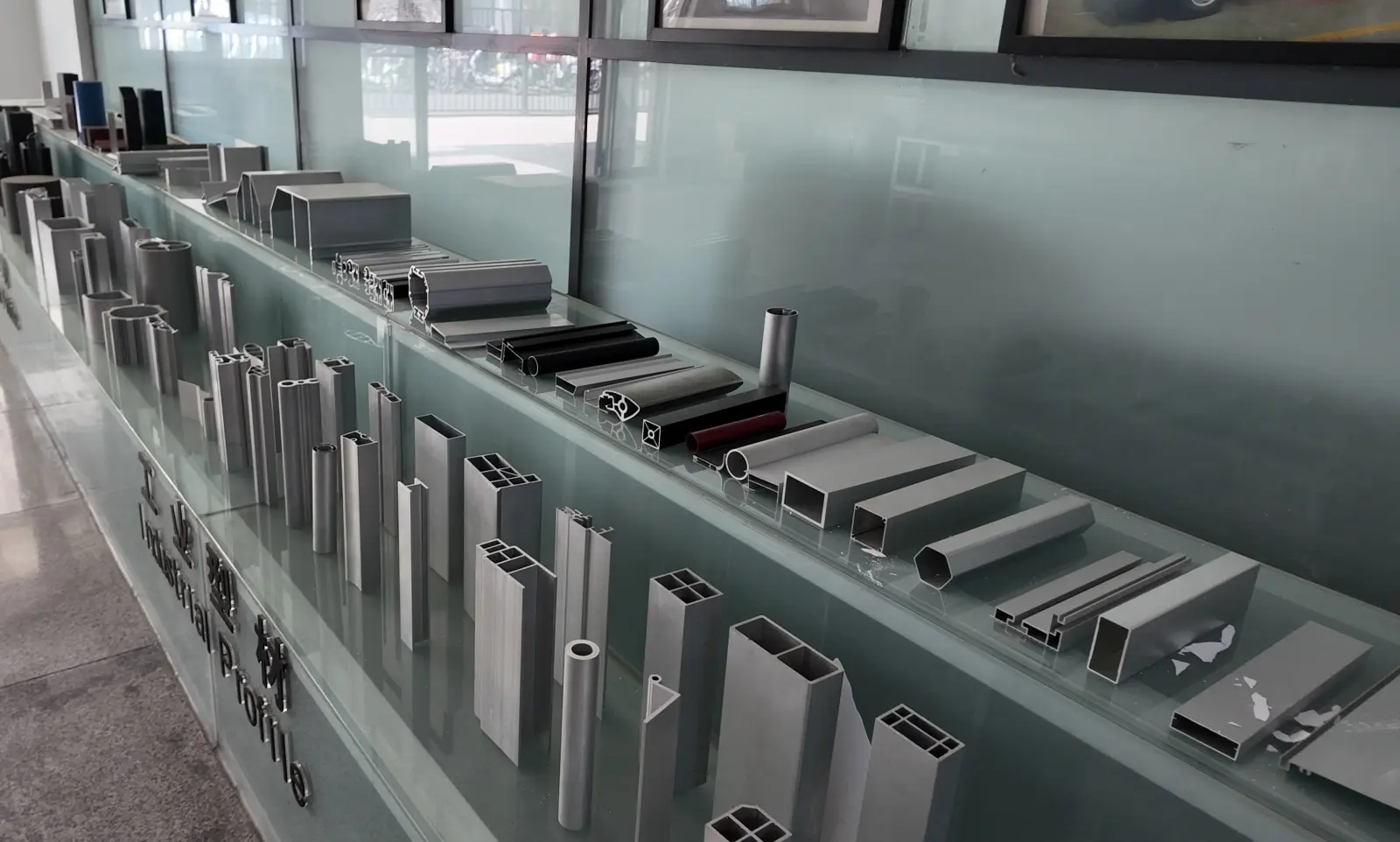
Beyond unmanned aerial vehicles, our custom-engineered profiles serve as critical components in many high-stress industries.
Continuous investment in heavy extrusion machinery, heat treatment ovens, and precision post-processing ensures consistent quality control.
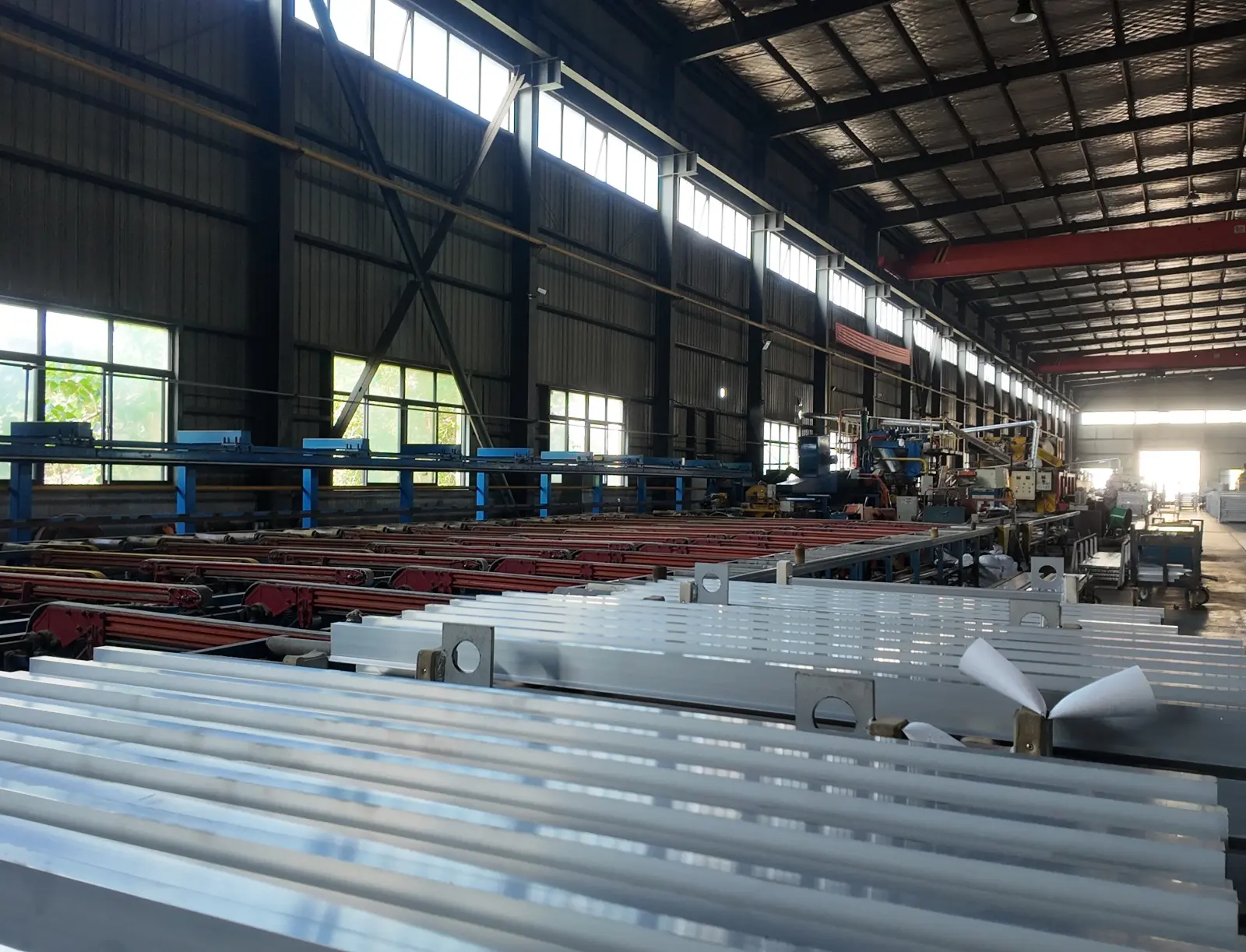
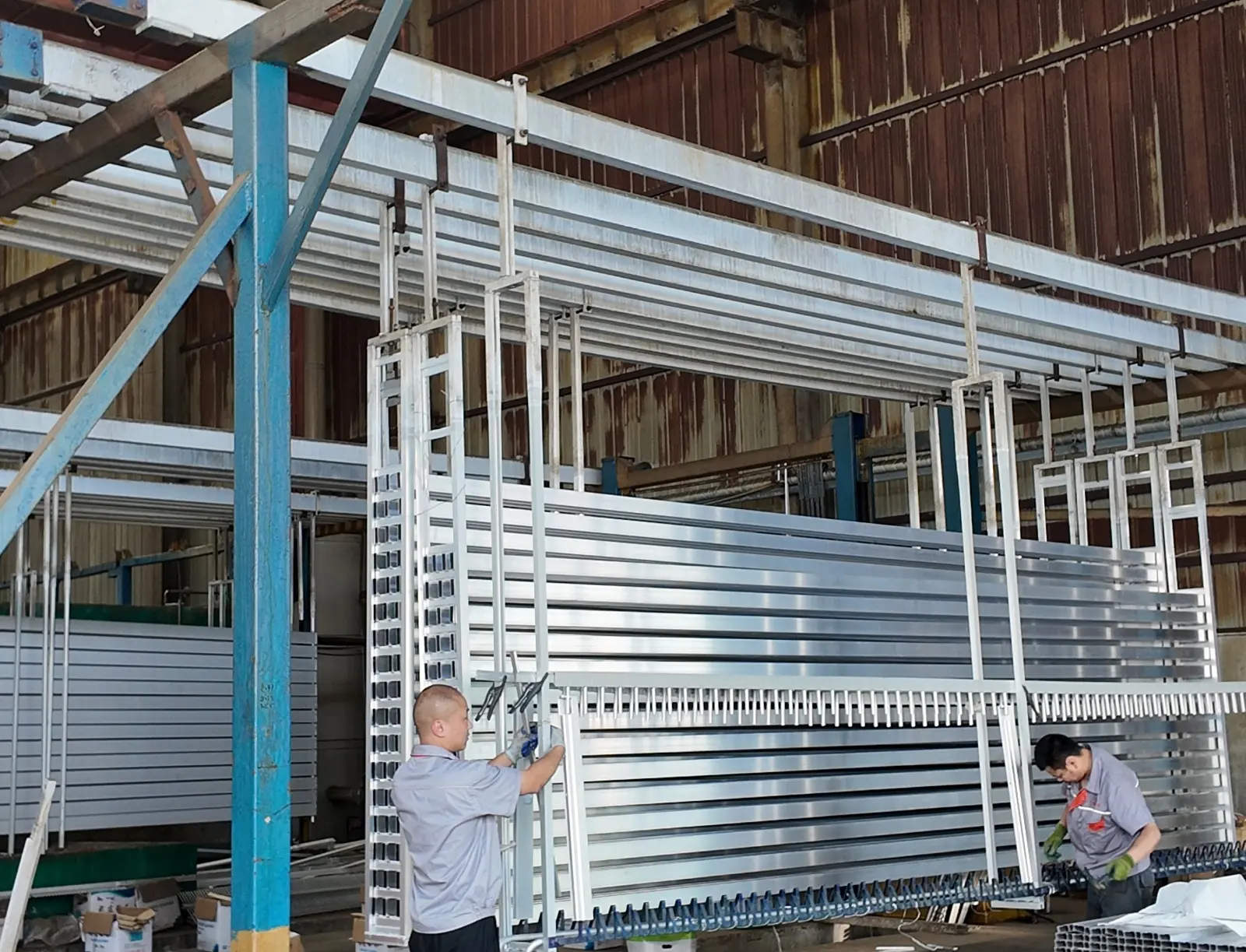
We maintain rigorous certifications to meet the strict quality standards of the aerospace, railway, and automotive sectors.
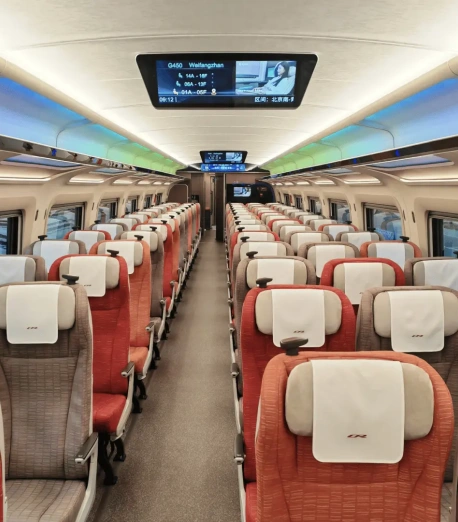
Discover how our structural profiles and assemblies are deployed in active high-speed rail, logistics, and marine environments.
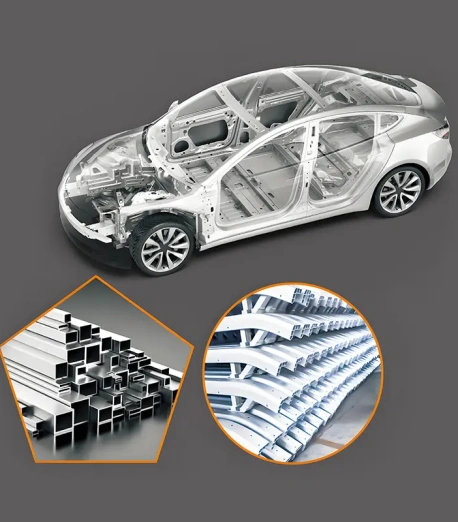
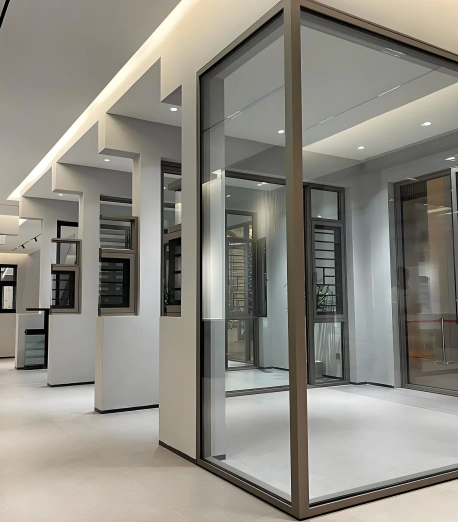
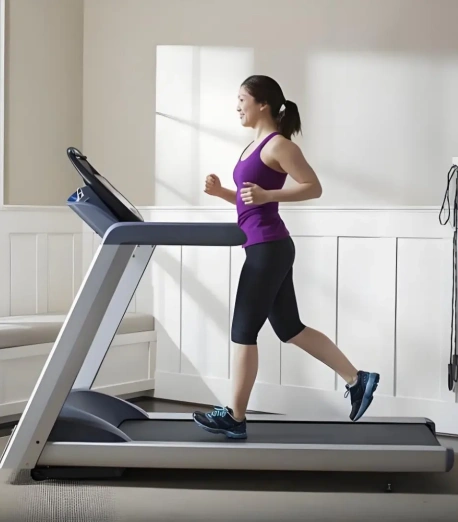



Highly requested extrusions, linear LED tracks, and light-weight profile configurations.
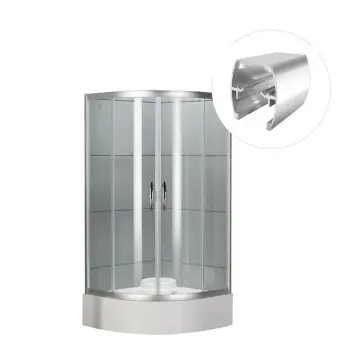
Manufactured from lightweight 6063-T5 aluminum, featuring high surface finishes and custom anodization.
Learn More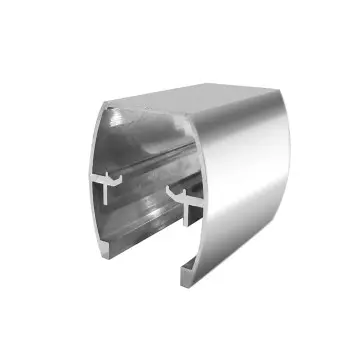
High strength-to-weight structural profiles engineered to withstand repetitive mechanical strain.
Learn More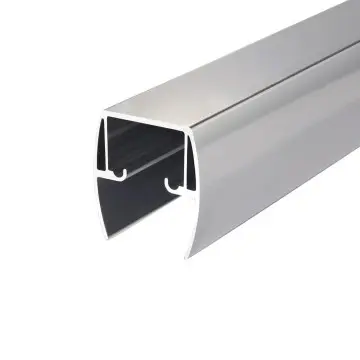
Premium structural profiles built for modular framing, heavy architectural uses, and industrial casings.
Learn More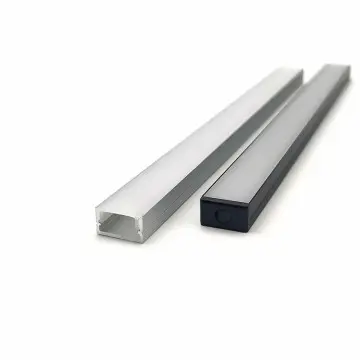
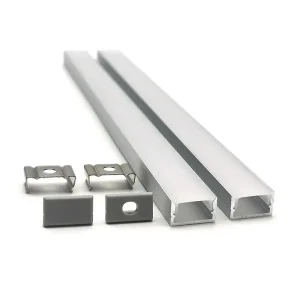
Ideal for structural heat-sinking and protection in industrial electronics and strip lighting.
Learn More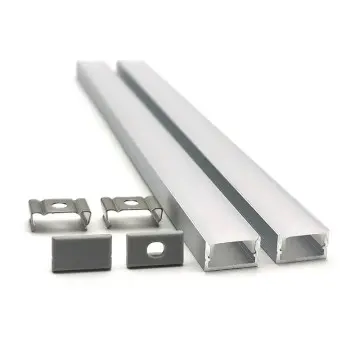
Excellent thermal dissipation efficiency with customizable lengths and anodized surfaces.
Learn More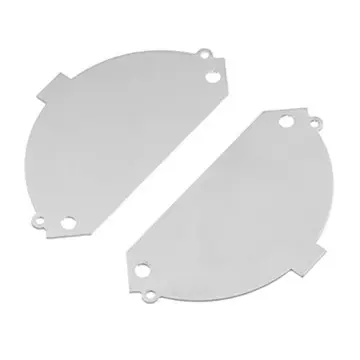
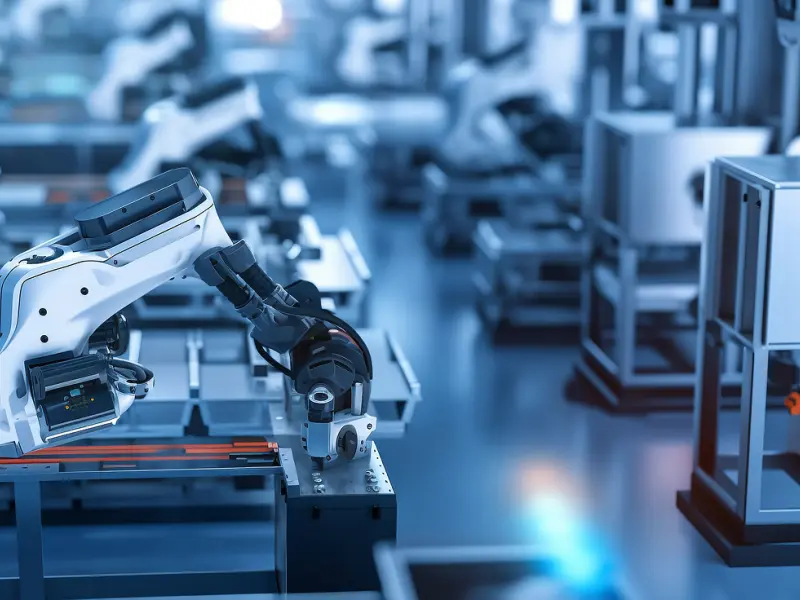
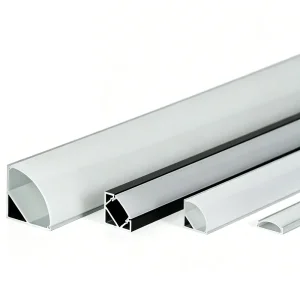
Compact, structural corner profile for secure wiring integration in tight robotic geometries.
Learn MoreFor aerospace engineering teams sourcing custom aluminum extrusions, optimized performance requires balancing geometric layout with structural performance. Below are the key design rules used in our production facility:
Minimizing structural weight remains a key target in drone design. However, reducing extrusion walls too far can lead to structural buckling under dynamic stress. For structural alloys (e.g., 6061-T6), we recommend keeping wall thicknesses at a minimum of 1.0 mm. For non-structural components (e.g., electronic compartments or heat-sink tracks), we can scale walls down to 0.8 mm using our high-pressure 2500T extrusion lines.
Sharp internal corners are primary focus areas for stress concentrations, which can lead to micro-fractures under vibration. We suggest adding a minimum radius of 0.5 mm to all internal and external corners of the extrusion design to ensure smoother material flow during production and more balanced load paths under aerodynamic stress.
Anodizing does more than shield structural aluminum from corrosion; it also alters its thermal emissivity. A black anodized surface, for example, increases the material's thermal radiation efficiency, aiding in cooling down hot speed controllers (ESCs) and battery bays during sustained drone flights.
We work closely with UAV design firms to turn complex concepts into flight-ready components. Our engineering staff assesses structural design drawings for optimal metal flow during extrusion, minimizing manufacturing defects and reducing overall production scrap.
Once extruded, profiles are processed in our CNC precision machining workshop, where multi-axis vertical machining centers perform drilling, milling, and thread tapping. This integrated manufacturing method avoids shifting between sub-contractors, maintaining dimensional control and ensuring that each assembly is ready for direct installation on your assembly line.
Our commitment to precision engineering has positioned Kangjian as a trusted manufacturing partner for advanced robotics, modern rail cars, and industrial drone builders worldwide.
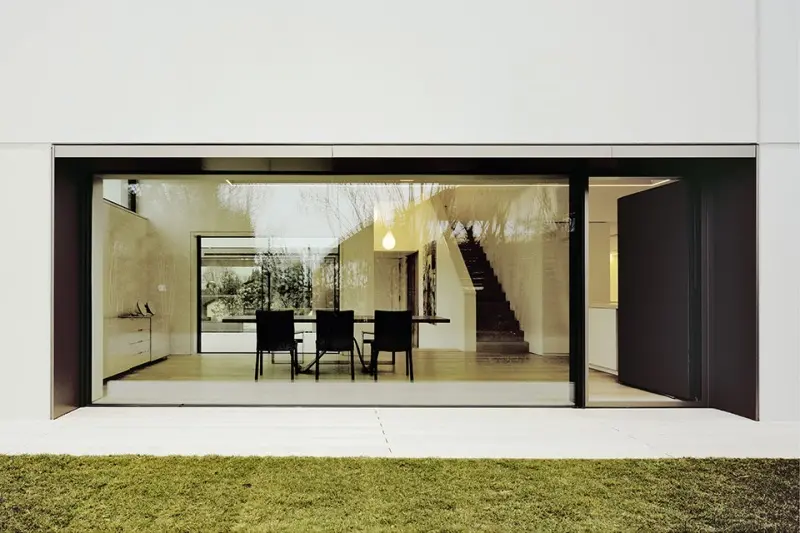
Review our structural aluminum alloys, custom photovoltaic mounts, industrial framing systems, and precision robot arm bases.
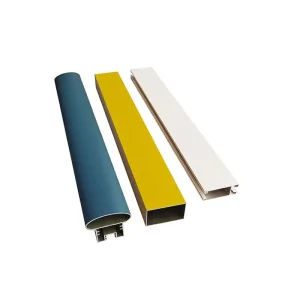
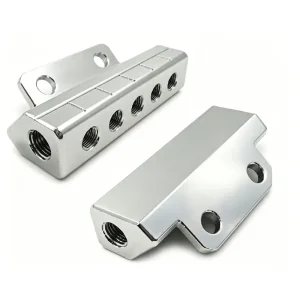
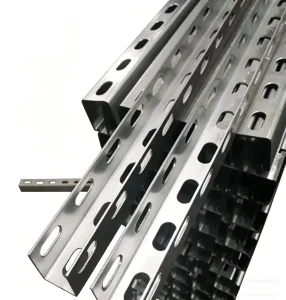
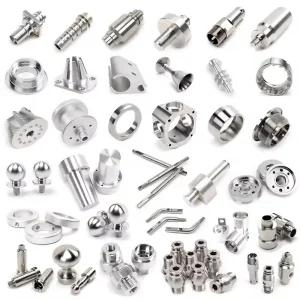
We believe that high-quality raw materials form the backbone of modern industrial development. Whether supplying heavy structural shapes for marine ports, support structures for light rail cars, or light-weight extrusions for advanced robotics, our manufacturing target remains unchanged: precision, reliability, and traceibility.
We continue to invest in clean production technologies and digital automation to ensure that our operations remain highly competitive and ecologically responsible. From our local facility in Qingdao, we are proud to support global design teams and help build a more connected, lightweight, and energy-efficient future.
Common inquiries regarding alloy selection, customization processes, tooling costs, and shipping parameters.