Kangjian
Kangjian
Kangjian
Browse our first tier of custom industrial and lighting profile extrusions designed for immediate procurement. Engineered for thermal efficiency, optimized shear strength, and longevity under load.
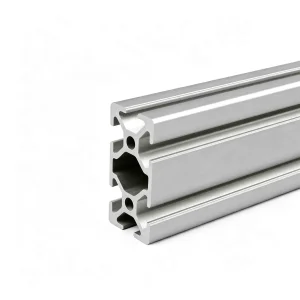
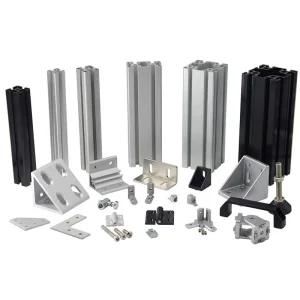
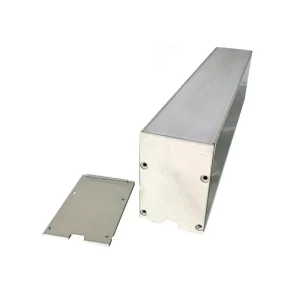
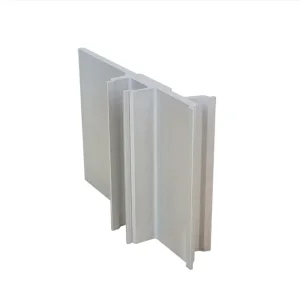
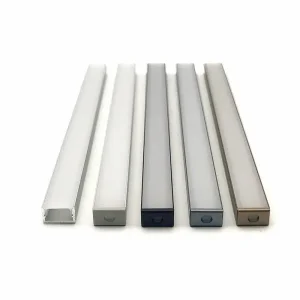
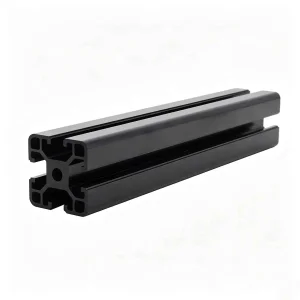
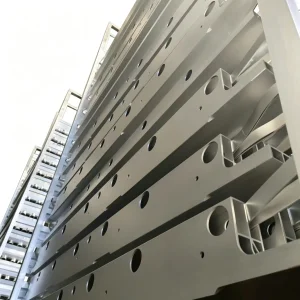
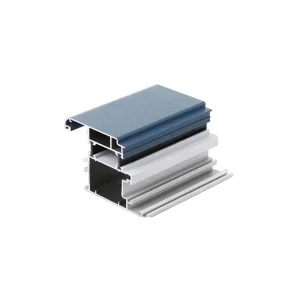
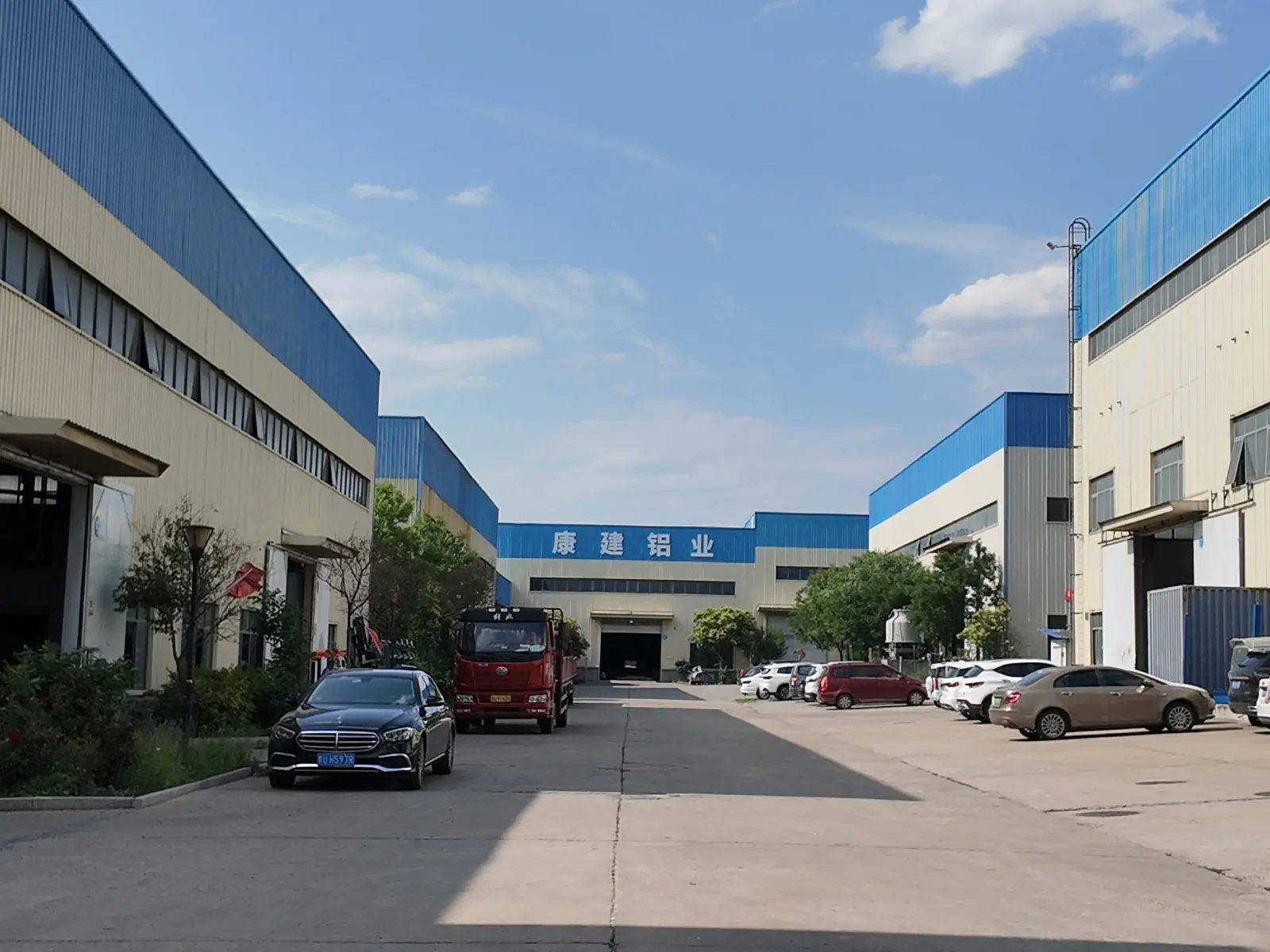
In the rapidly changing industrial landscape of modern structural engineering, the demand for lightweight, high-tensile, and corrosion-resistant components has driven extruded aluminum frames to the forefront of clean-energy vehicle development, railway transit networks, and micro-precision robotics. Founded in 2022 and situated in the Jimo District of Qingdao, Qingdao Kangjian Aluminum Industry Technology Co., Ltd. is a specialized leader in industrial aluminum alloy manufacturing. Spanning a state-of-the-art production base of 200 mu (approx. 133,333 sqm), our facility holds over 80,000 square meters of high-capacity production workshops and a 4,000-square-meter administrative headquarters.
By focusing on E-E-A-T (Experience, Expertise, Authoritativeness, and Trustworthiness), we assure engineering excellence through international certifications. With an initial phase producing over 15,000 tons of specialized aluminum profiles annually, our 90 veteran metallurgical engineers, extrusion masters, and quality controllers operate 5 high-tonnage heavy extrusion production lines (including one 2500T, one 1450T, one 1150T, and two 700T extruders) to meet the most stringent specifications required by heavy industries.
Operating multiple heavy extrusion presses ranging from 700T to 2500T allows us to tailor grain structures and mechanical properties specifically to the client's functional designs. The larger 2500T line accommodates complex, large-format cross-sectional profiles utilized in structural rail transit beams, heavy photovoltaic frames, and massive maritime structures. Meanwhile, our smaller, highly calibrated 700T presses specialize in high-precision micro-millimeter LED enclosures, robotic connectors, and medical tool housings where dimensional tolerances must be kept within sub-millimeter fractions (compliant with DIN ISO 2768-m standards).
Operating under rigorous international standards, our structural framework products successfully service heavy cranes in Nordic harbors, high-speed rail trains in East Asia, and complex structural hardware systems throughout Central Europe and North America.
Modern global sourcing managers faces severe risks when procuring structural metallic profiles, primarily due to unstable energy pricing, carbon taxation policies, raw billet grade variations, and geographical delays. The transition toward lightweight structural profiles has forced procurement specialists to transition away from structural steel toward Extruded Aluminum Frames. Aluminum alloy extrusions offer a superior strength-to-weight ratio, complete recyclability, and natural corrosion resistance via surface passivating oxides.
We reduce TCO by combining raw billet casting, precision extrusion, automated heat treatment (T5/T6), and comprehensive CNC machining under a single facility roof. This cuts logistical delays and multiple handling markups.
Using raw primary standard aluminum ingots (mainly Al-Mg-Si series) with strictly audited trace minerals (iron, copper, manganese) prevents hot cracking and structural failures in heavy-duty load-bearing assemblies.
Located on the Yellow Sea coast at Qingdao port, we minimize continental transit and container handling risks. Our overseas shipments bypass intermediate freight steps, flowing directly to European, North American, and East Asian hubs.
Extruded aluminum profiles are not generic commodities; they are custom-designed physical components tailored for specific structural performance metrics. Qingdao Kangjian manufactures specific alloys engineered for distinct mechanical stresses, electrical conductivity, and environmental exposures:
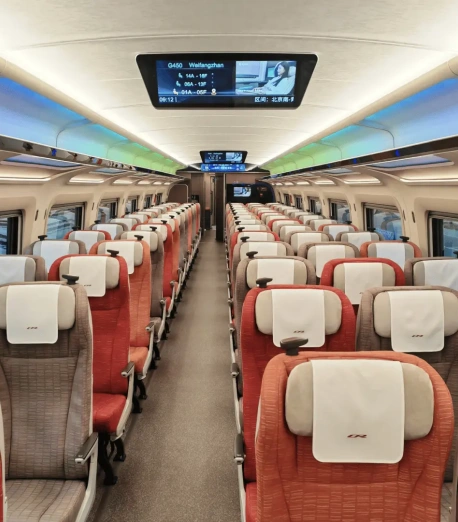
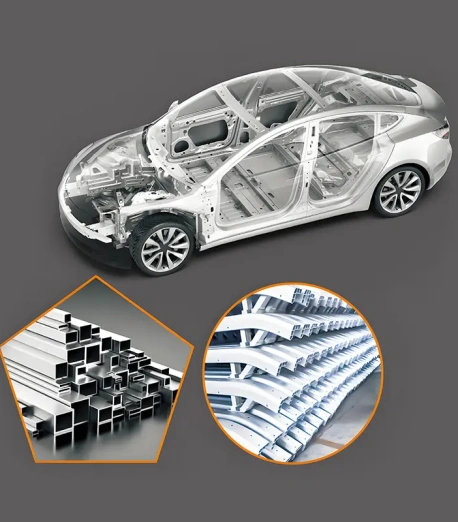
Utilizing high-strength 6005A and 6082 alloys to manufacture structural subframes, crash management systems, passenger carriage floors, subways, and side panels. Optimizes vehicle weight to extend electric vehicle ranges and lower high-speed rail power usage.
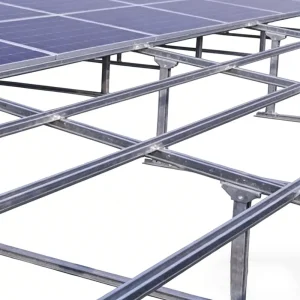
Providing heavy-duty, corrosion-resistant framing (often 6005-T6 with thick anodizing >15μm) built to withstand extreme environmental wind loads and chemical corrosion in marine-coastal environments and hot desert solar farms.
Precision structural frames designed for robotic arms and custom automation assemblies. Demands strict straightness tolerances (≤ 0.5mm/m) and high structural stiffness to prevent resonance and vibrations during high-speed pick-and-place movements.
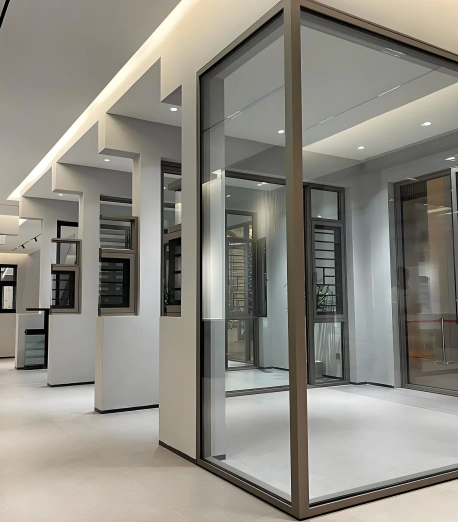
Architectural curtain wall frame systems engineered with complex internal hollow chambers. Interlocking plastic polyamide thermal breaks provide excellent insulation, lowering global structural energy consumption.
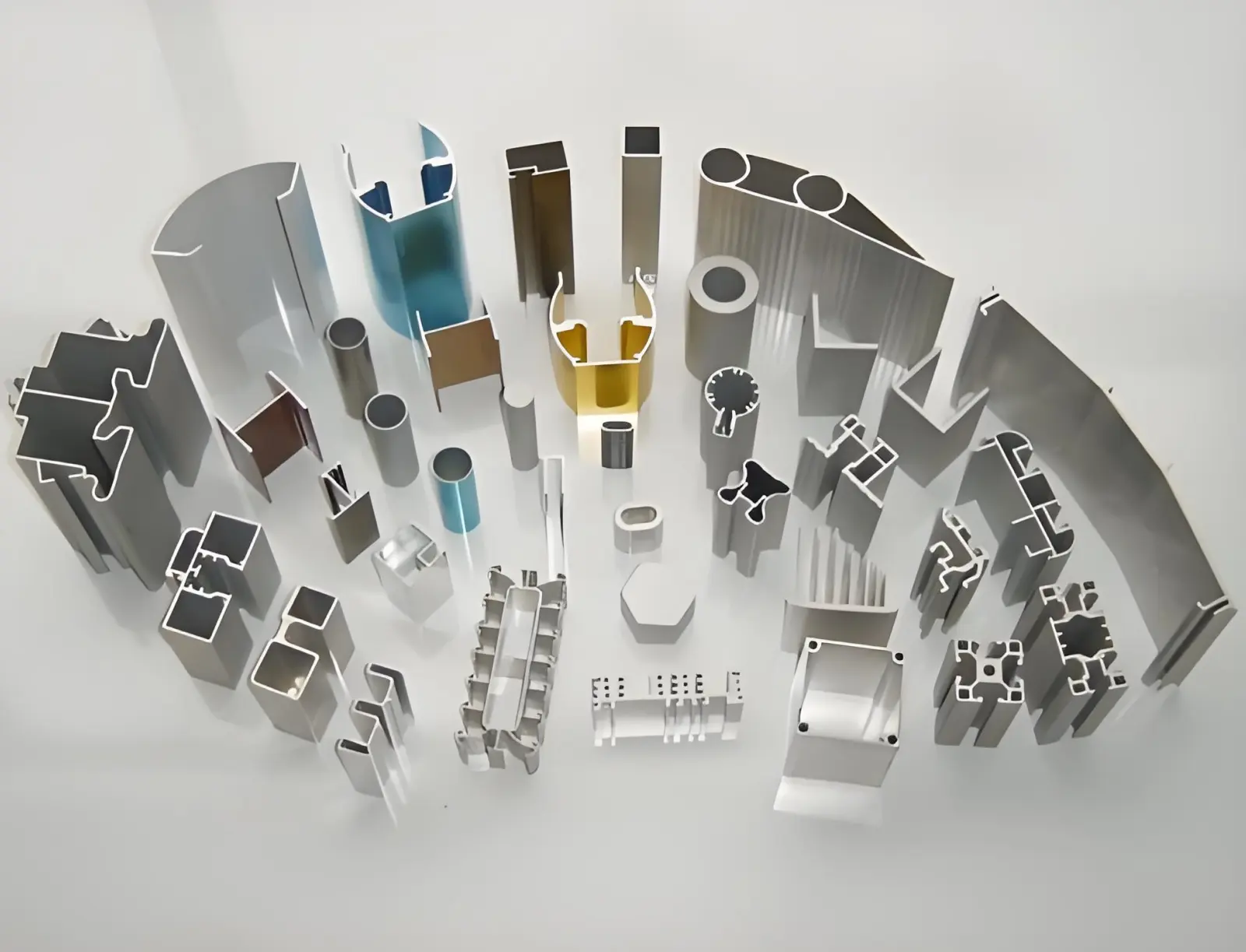
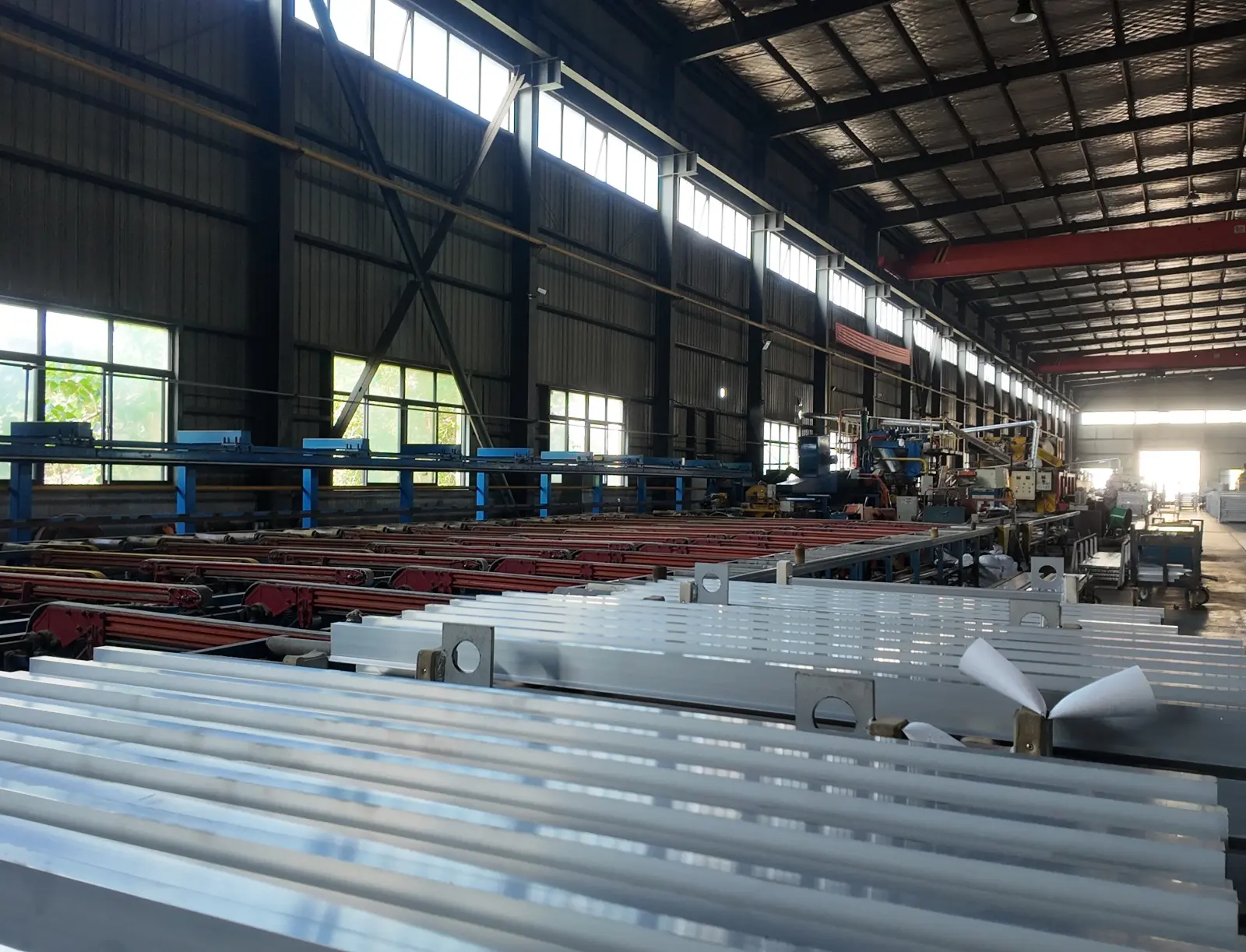
Extrusion performance depends heavily on the chemical composition of the billets and the subsequent thermal processing window. At Qingdao Kangjian, our technological roadmap focuses on microstructural refinement, mechanical parameter consistency, and post-extrusion precision.
Understanding the microstructural mechanics of Al-Mg-Si alloys is crucial. The primary elements, Magnesium (Mg) and Silicon (Si), are formulated to create magnesium silicide (Mg2Si). This compound undergoes solid-state precipitation during aging, hardening the aluminum matrix.
6063 Alloy: Formulated for clean surface finishes, moderate strength, and high thermal and electrical conductivity. This alloy is the standard for architectural window frames, LED heat sink tubes, and consumer shower enclosures.
6061 Alloy: Formulated with increased trace copper and chromium to provide higher yield and tensile strength. This alloy is ideal for structural mechanical profiles, automotive subframes, and oil drilling platforms where structural loading limits are paramount.
T5 vs T6 Tempering: T5 temper components are cooled rapidly directly from the extrusion press and aged artificially. T6 temper components undergo solution heat treatment followed by rapid water quenching and artificial aging. This increases tensile yield strength by up to 30%, which is essential for load-bearing robotics and marine infrastructure.
Below is a summary of standard mechanical properties across our typical production configurations:
| Alloy & Temper | Tensile Strength | Yield Strength | Elongation % |
|---|---|---|---|
| 6063 - T5 | ≥ 150 MPa | ≥ 110 MPa | ≥ 8% |
| 6063 - T6 | ≥ 205 MPa | ≥ 170 MPa | ≥ 8% |
| 6061 - T6 | ≥ 265 MPa | ≥ 240 MPa | ≥ 10% |
| 6082 - T6 | ≥ 290 MPa | ≥ 250 MPa | ≥ 10% |

For critical structural and electrical components, quality control is a matter of safety and long-term viability. Qingdao Kangjian operates an advanced laboratory suite to perform raw chemical analysis, geometric verification, cross-sectional profile matching, and mechanical strain tests on every production batch. We maintain complete production traceability for industrial peace of mind.
Our manufacturing processes conform to globally recognized standards:
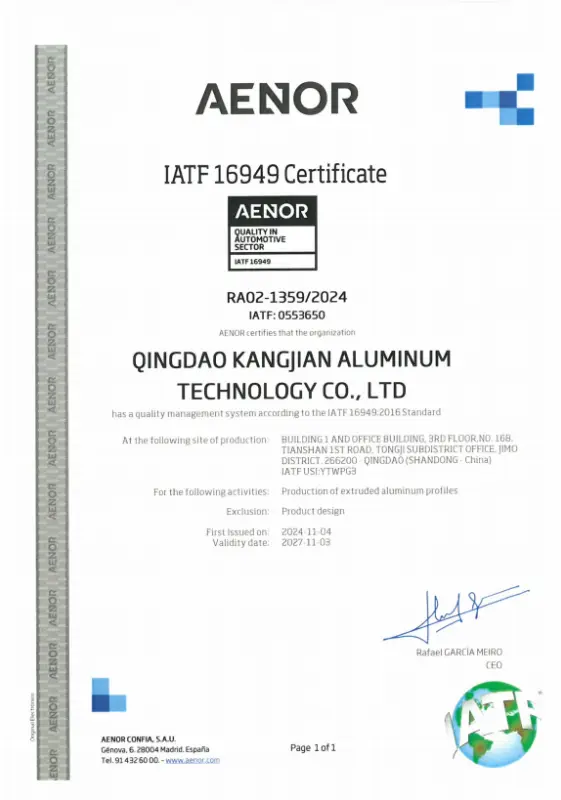
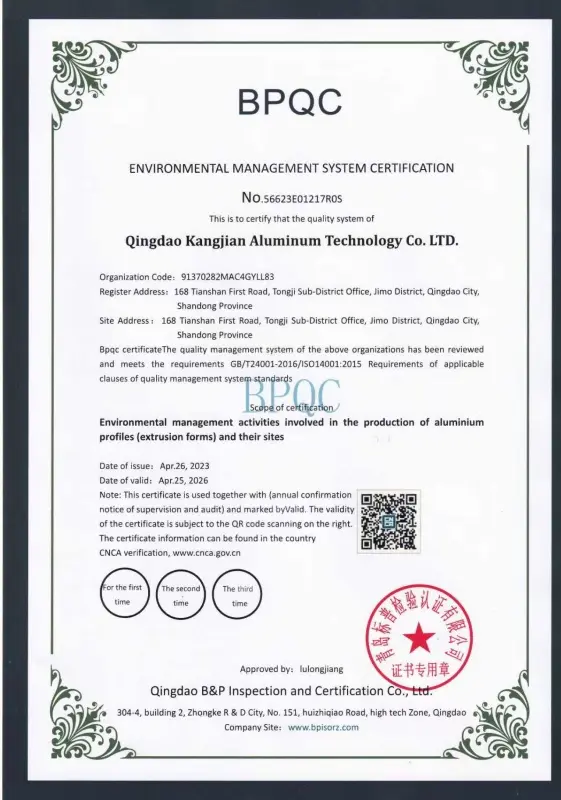
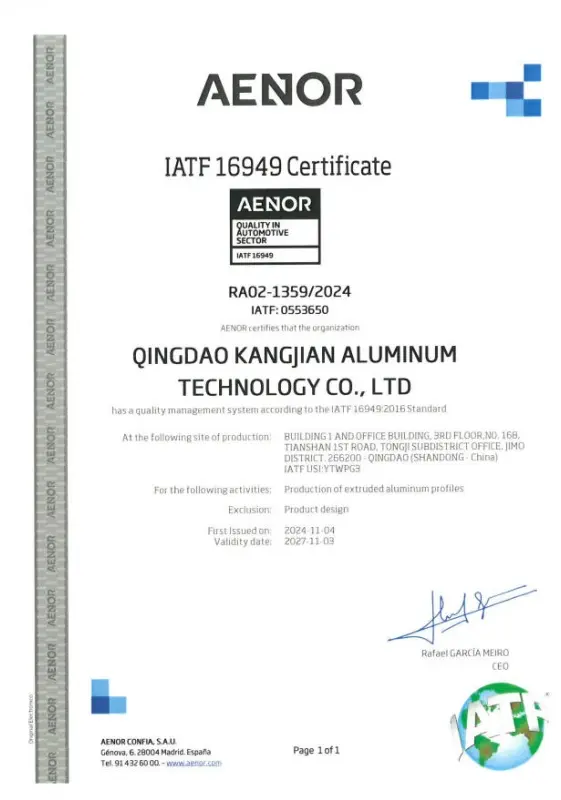
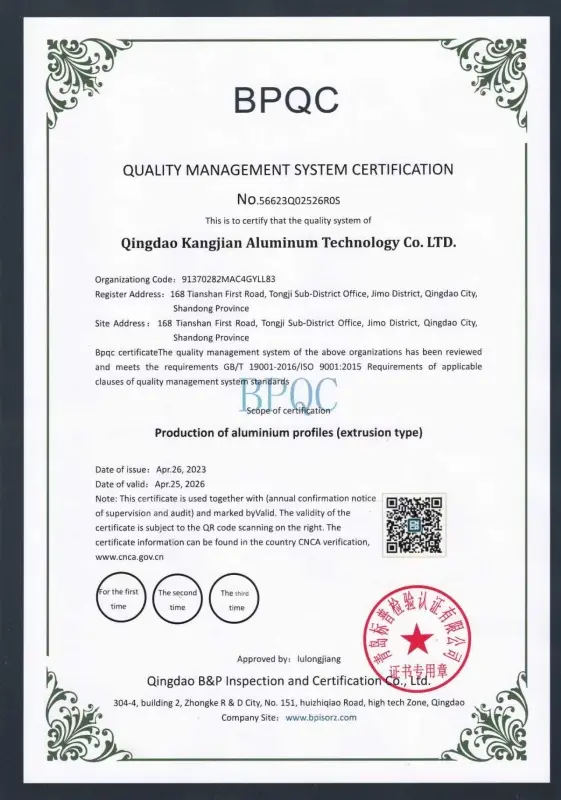
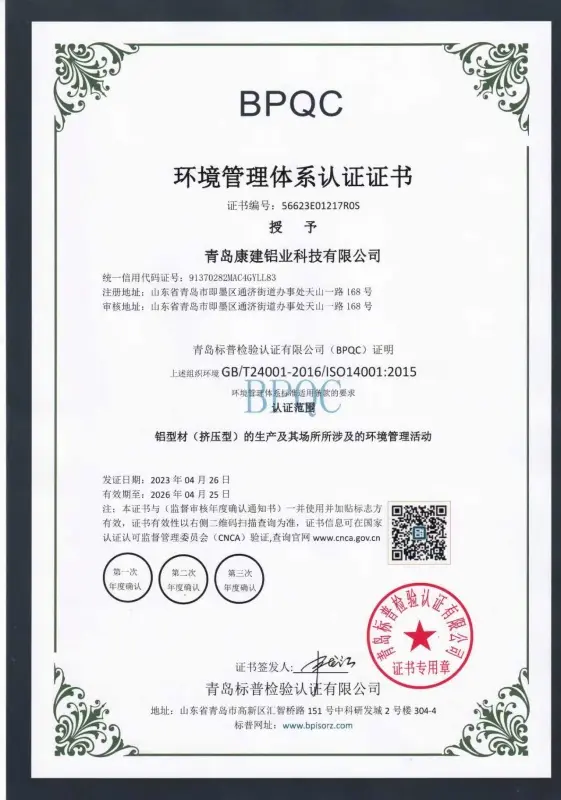
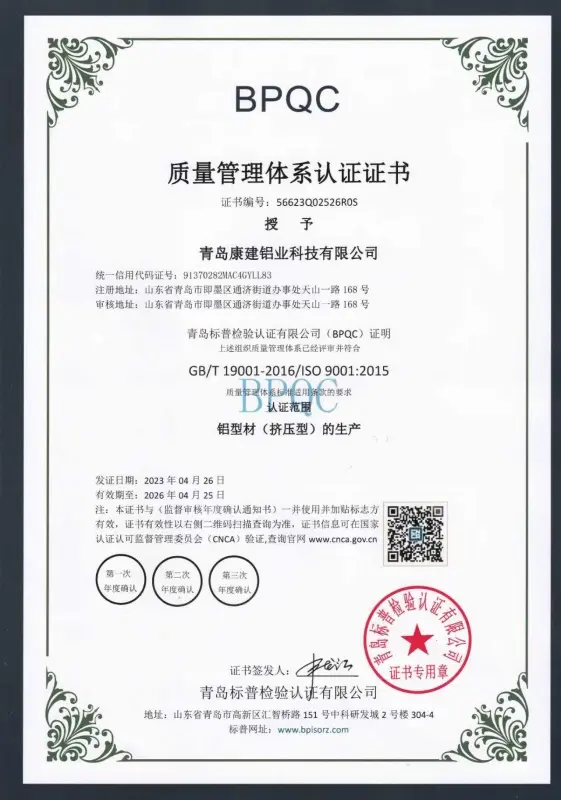
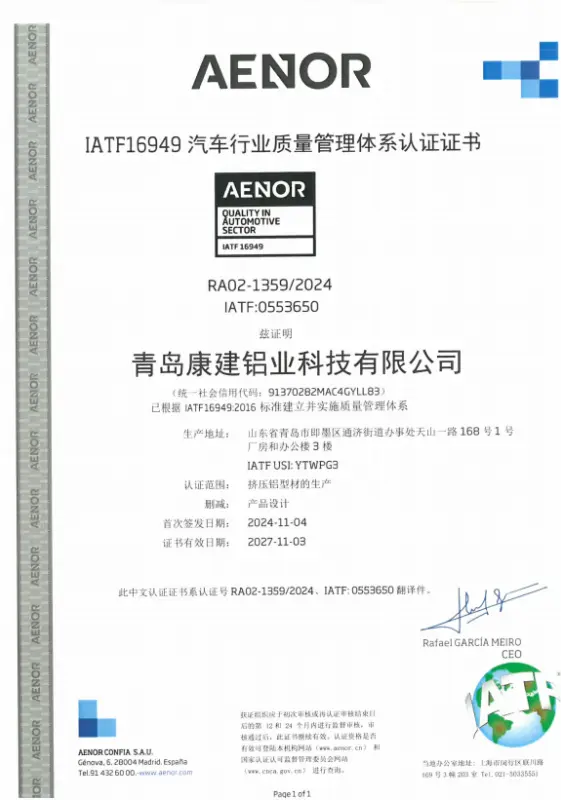
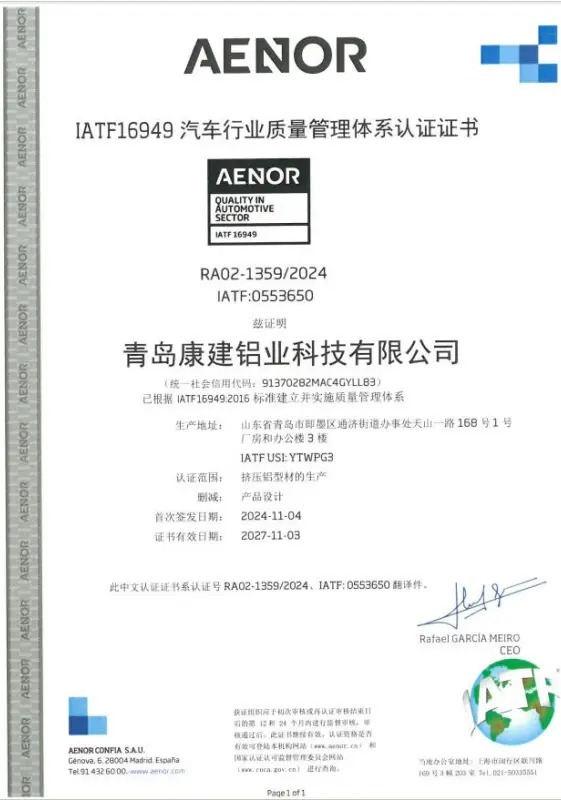
Established with a global focus, Qingdao Kangjian has expanded from localized regional supply channels in Shandong to dynamic markets across Anhui, Hebei, Tianjin, Hunan, Guangdong, Beijing, and Jiangsu. Utilizing Qingdao's integrated maritime port infrastructure, we service prominent industrial accounts across Europe, North America, Japan, and South Korea.
In international metallurgy supply chains, delivery lead times are a critical risk factor. Our proximity to the Port of Qingdao allows direct container boarding without inland transfer delays, reducing risk for long-distance ocean freight. This allows us to offer shorter lead times and more reliable scheduling to ports in Northern Europe, North American coastlines, and major Asian hubs.
Every step—from custom mold production and CNC post-processing to surface anodization and final packaging—is tracked via our internal ERP system. This integration ensures structural parts arrive in optimal condition, ready for assembly.
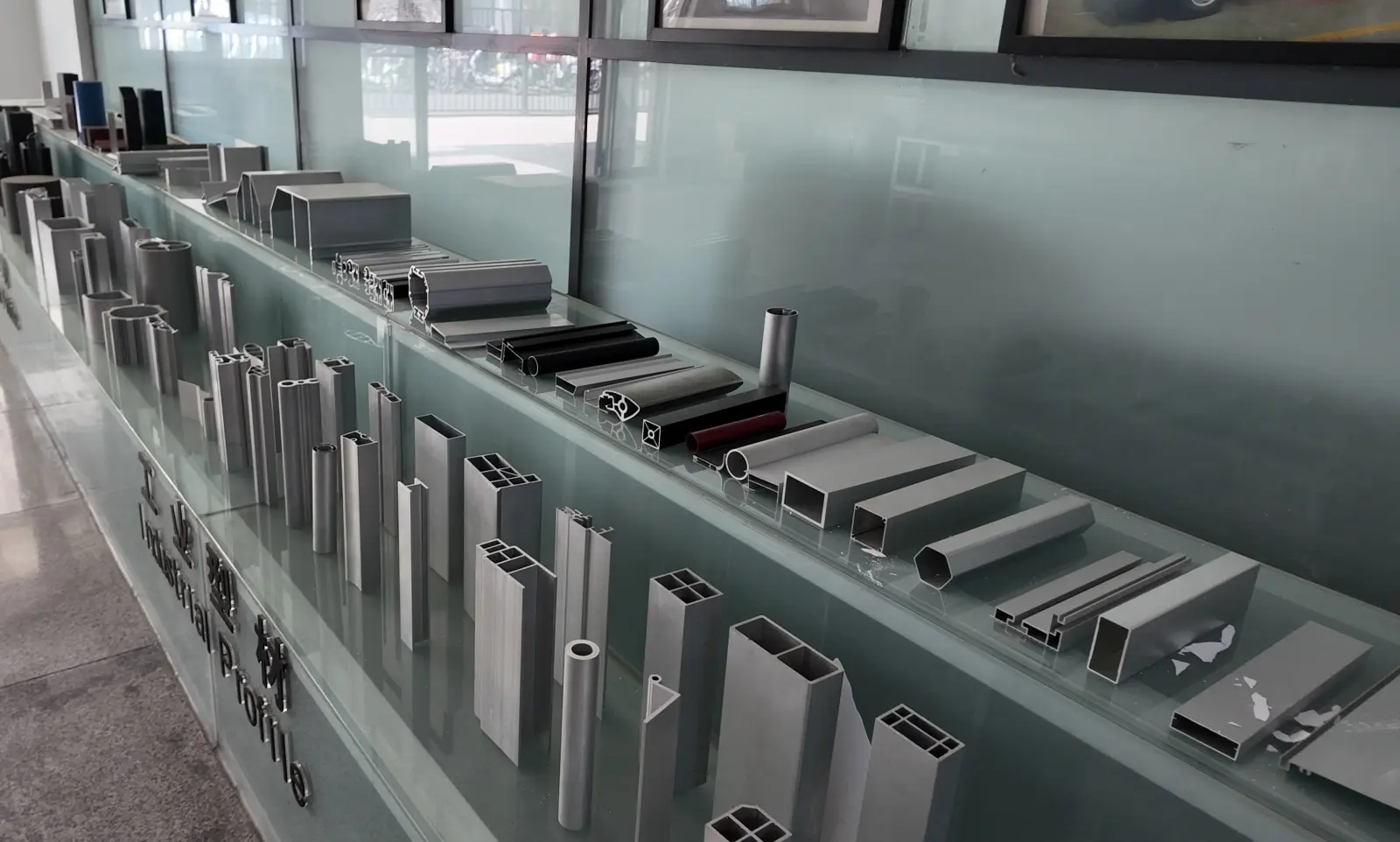



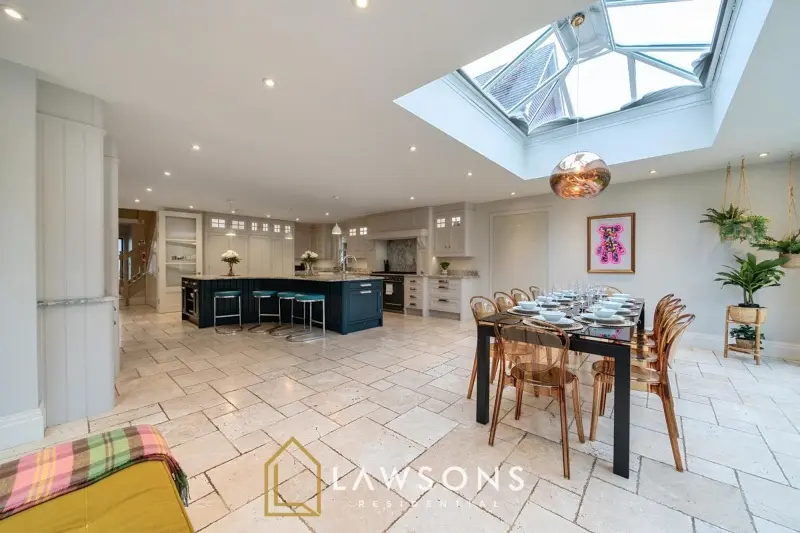
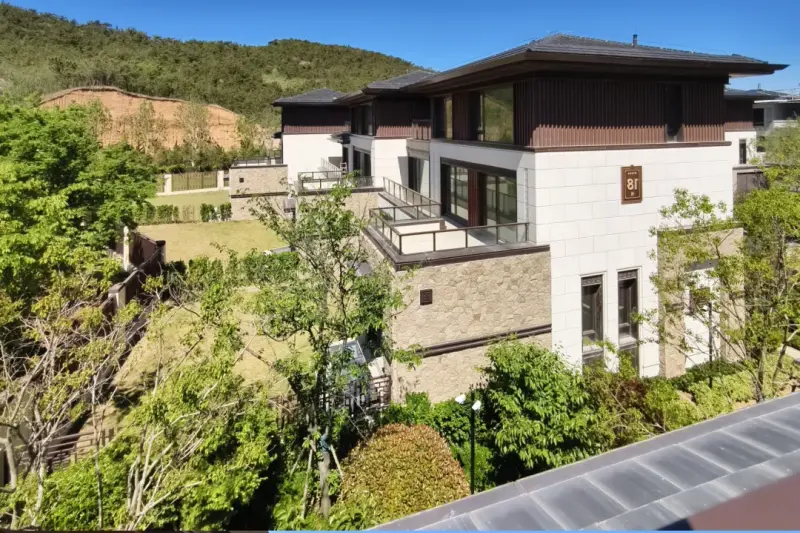
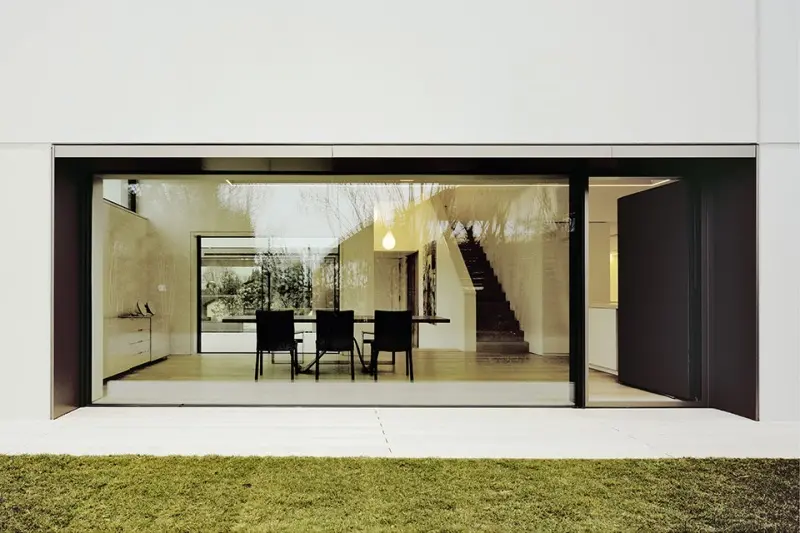
Our structural profile solutions are utilized across diverse global environments. From heavy port cargo cranes to sensitive indoor lighting, our systems provide structural reliability and precision.
State-of-the-art hydraulic extrusion machinery ensures stable extrusion speeds and precise temperature control, maintaining consistent mechanical performance across the entire profile length.
Secondary processing facilities equipped with multi-axis CNC machines for drilling, tapping, slotting, and precision miter cutting, delivering ready-to-assemble structural frames.
Comprehensive testing, including chemical spectrochemical analysis, tensile stress evaluation, hardness mapping, and surface finish thickness testing, ensures compliance with design specs.
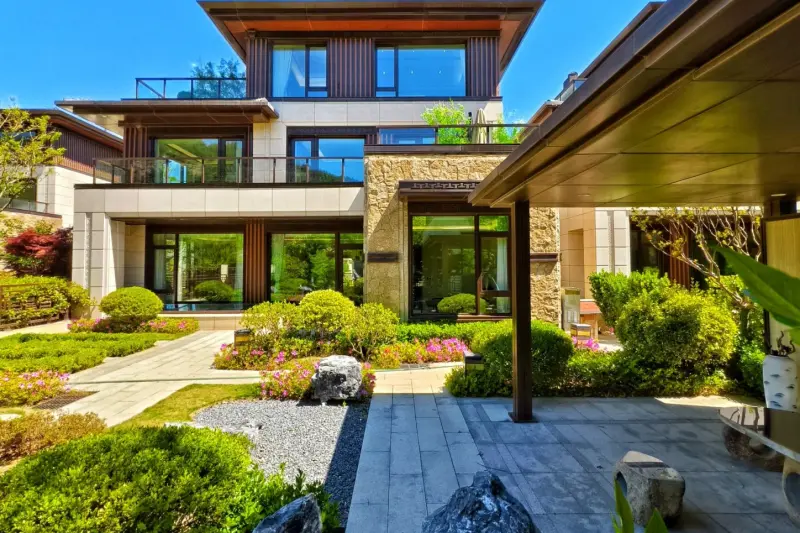
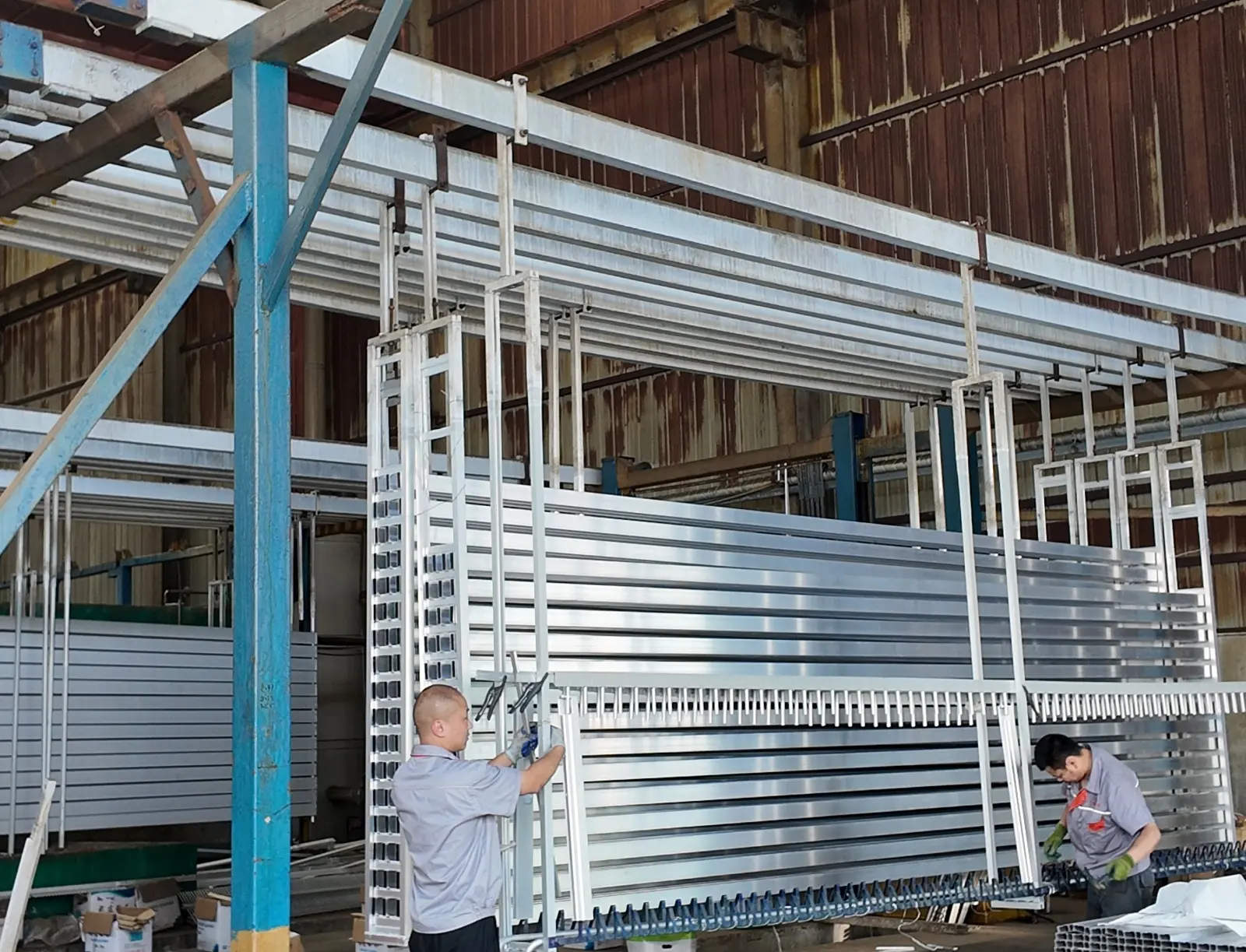
Automated electrochemical lines for clear anodizing, color anodizing, sandblasting, and premium outdoor powder coating, providing excellent wear and corrosion resistance.
This structured Q&A addresses the key metallurgical, design, and commercial questions faced by global procurement specialists and design engineers.
The primary differences lie in their chemical composition and resulting mechanical properties. 6061 aluminum alloy contains higher concentrations of silicon, magnesium, copper, and chromium. This yields a tensile strength of ≥ 260 MPa, making it suitable for structural applications like subframes, platforms, and heavy-duty robotics.
6063 aluminum alloy has lower levels of silicon and magnesium, with strict controls on iron impurities. This improves extrudability, allowing for complex thin-walled profiles with smooth surface finishes. It is the preferred choice for architectural windows, LED light tracks, and decorative hardware where cosmetic quality and anodization response are key.
Tonnage represents the hydraulic force available to push a heated aluminum billet through an extrusion die.
A 2500T press can extrude larger billets, accommodating profiles with wider cross-sections, thicker walls, and higher weight per meter (such as structural railway side beams or heavy industrial frames). A 700T press is optimized for smaller cross-sections and thin-walled profiles. Using the smaller press for these profiles reduces tooling costs and allows for more precise control over thin walls (down to 0.8 mm).
Automotive and rail applications demand strict certification to manage dynamic stresses and safety requirements:
For outdoor and industrial environments, anodizing is highly effective. It electrochemically builds an aluminum oxide layer that is integrated with the underlying metal. Anodizing thicknesses of Class I (15μm to 25μm) are recommended for harsh coastal or industrial environments.
For high UV exposure or custom color matching, high-durability powder coating (complying with Qualicoat standards) provides a protective barrier against moisture, salt spray, and chemical exposure.
Standard commercial extrusions comply with EN 755-9, which defines acceptable variations in twist, straightness, wall thickness, and cross-sectional dimensions.
For high-precision applications like robotics and electronic housings, we manufacture to EN 12020-2 standards, which offer tighter tolerances. Post-extrusion precision CNC machining can achieve tolerances as fine as ±0.02mm for critical features.
Browse our second tier of precision industrial profiles. These components are designed for heavy structural assemblies, automated robotics systems, and renewable energy infrastructure.