Kangjian
Kangjian
Kangjian
Engineered Components Directly from ISO & IATF Certified Production Facilities
Understanding Sourcing Compliance, Structural Extrusions, and Material Science in Modern Supply Chains
In the rapidly changing landscape of global manufacturing, industrial enterprises face the continuous challenge of optimizing their supply chains while maintaining strict quality control and regulatory compliance. Heavy industries such as rail transportation, aerospace, clean energy systems, and robotics development require metal components that meet rigorous mechanical and environmental benchmarks. Selecting the right wholesale metal parts factory is no longer merely a transaction based on cost-per-kilogram; it is a critical, long-term partnership that influences an organization's structural capability, safety protocols, and product innovation.
This industrial whitepaper examines the manufacturing capabilities, supply chain advantages, and quality frameworks of top-tier extrusion and CNC factories, using the operations of Qingdao Kangjian Aluminum Industry Technology Co., Ltd. as a primary case study. Operating as a leading manufacturer in China’s industrial hub, the company represents a growing sector of suppliers integrating advanced materials science with global logistics frameworks to serve markets in Europe, the Americas, and East Asia.
A Modern Heavy Industry Manufacturing Base in Qingdao, China
Established in 2022 and situated in the Jimo District of Qingdao, Qingdao Kangjian Aluminum Industry Technology Co., Ltd. has established itself as a major developer of high-strength industrial aluminum alloy products. The enterprise specializes in manufacturing structural profiles for high-speed rail networks, urban subways, aerospace systems, marine vessels, and energy-efficient architecture. By investing in heavy extrusion machinery and strict quality control systems, the company provides custom solutions that translate complex engineering specifications into reliable structural components.
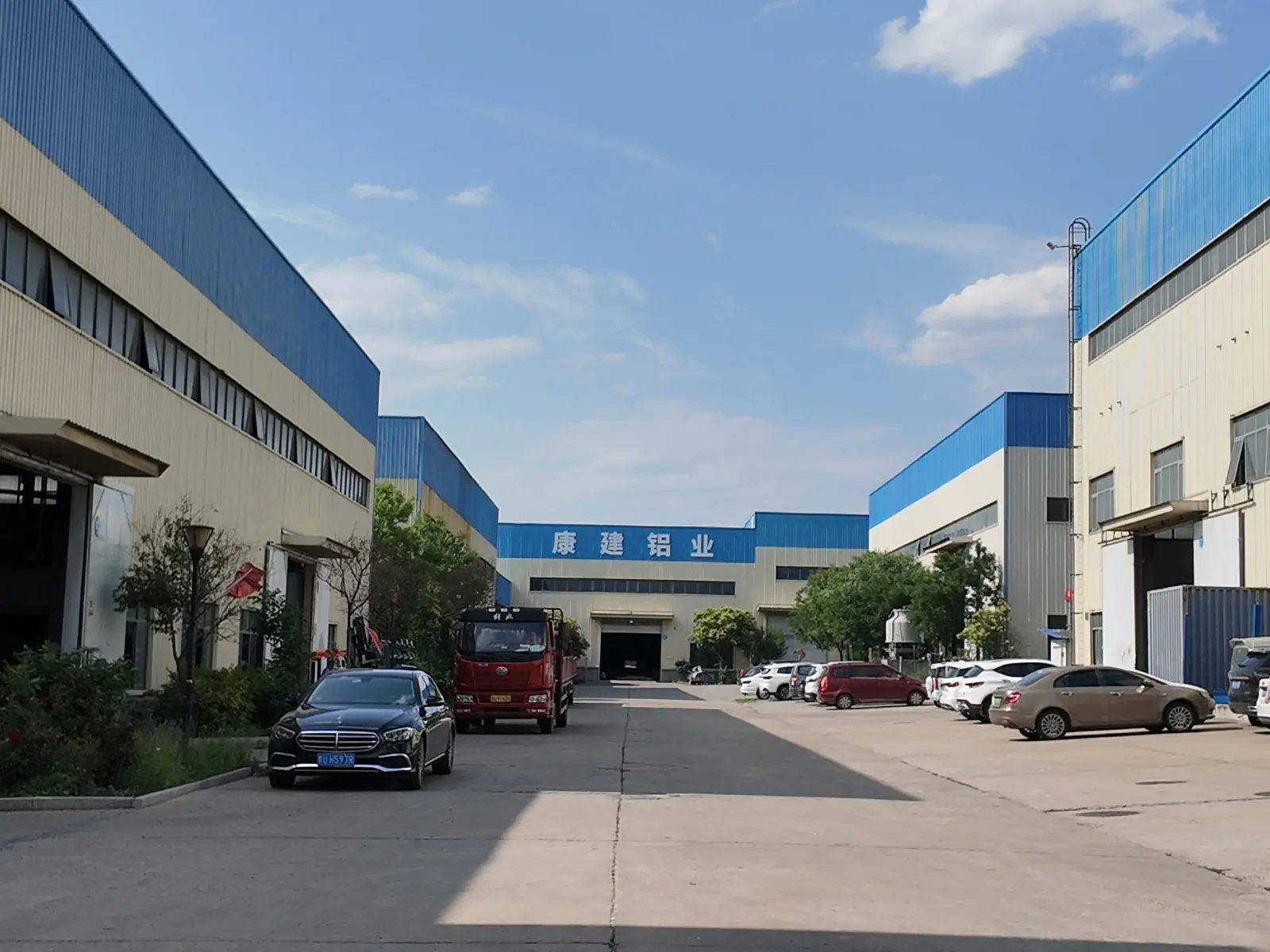
The industrial footprint of Kangjian covers a 200-mu industrial park, comprising 80,000 square meters of modern production halls and a 4,000-square-meter administrative headquarters. The base has an active annual capacity of 15,000 metric tons of high-precision profiles, supported by five specialized extrusion lines:
Equipped with 5 production lines, including a heavy-duty 2500T extruder, a 1450T unit, an 1150T unit, and two 700T lines. This range allows the factory to produce complex, thin-walled, or heavy-duty structural sections with tight dimensional tolerances.
Processing architectural-grade 6000-series (6063-T5/T6, 6061-T6) to high-strength structural alloys. The company specializes in manufacturing structural components for rail cars, high-stress automotive subframes, and marine environments.
With over 90 technicians and engineers on-site, the plant manages a 15,000-ton capacity, ensuring a continuous supply of raw materials and finished parts for projects in North America, Europe, and Asia.
Selecting the Correct Alloy Grade for Industrial Engineering Projects
Different structural challenges require specific aluminum alloys. Below is a comparative guide developed by our materials engineering team to assist procurement managers in choosing the right material properties for their applications.
| Alloy Grade & Temper | Tensile Strength (MPa) | Yield Strength (MPa) | Elongation (%) | Corrosion Resistance | Primary Industrial Applications |
|---|---|---|---|---|---|
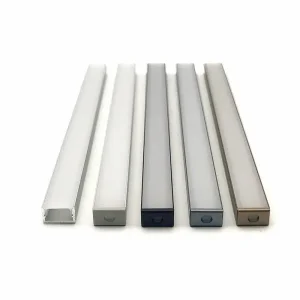
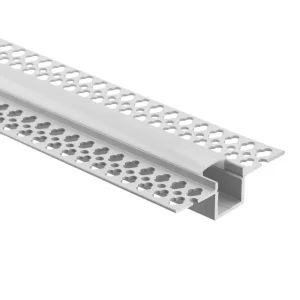
| 6063-T5 / T6 | 150 - 220 | 110 - 170 | 8% - 12% | Very High | LED strip profiles, architectural windows, doors, lightweight frames. |
| 6061-T6 | ≥ 290 | ≥ 240 | ≥ 9% | High | Robot arm components, drone structures, structural brackets, machinery parts. |
| 6082-T6 | ≥ 310 | ≥ 260 | ≥ 10% | High | High-stress components, rail transit frames, marine structures, bridges. |
| 5083-H111 | 270 - 350 | 110 - 190 | ≥ 12% | Excellent (Marine) | Shipbuilding, pressure vessels, offshore oil drilling platforms. |
From Regional Extrusion to Global High-End Markets
In just a few years since its establishment, Qingdao Kangjian Aluminum has expanded its sales footprint from local regional markets to major industrial hubs in China and abroad. Our products serve core domestic regions including Anhui, Hebei, Tianjin, Hunan, Guangdong, Beijing, and Jiangsu. Leveraging the logistical advantages of the Qingdao port, our international business has expanded to high-spec markets in South Korea, Japan, the United States, and across Europe.
Despite challenging macroeconomic factors, Kangjian has maintained stable growth in production and delivery. The average annual growth rate of order volume and factory output value has reached 30%, driven by ongoing process improvements and investments in high-speed extrusion technology.
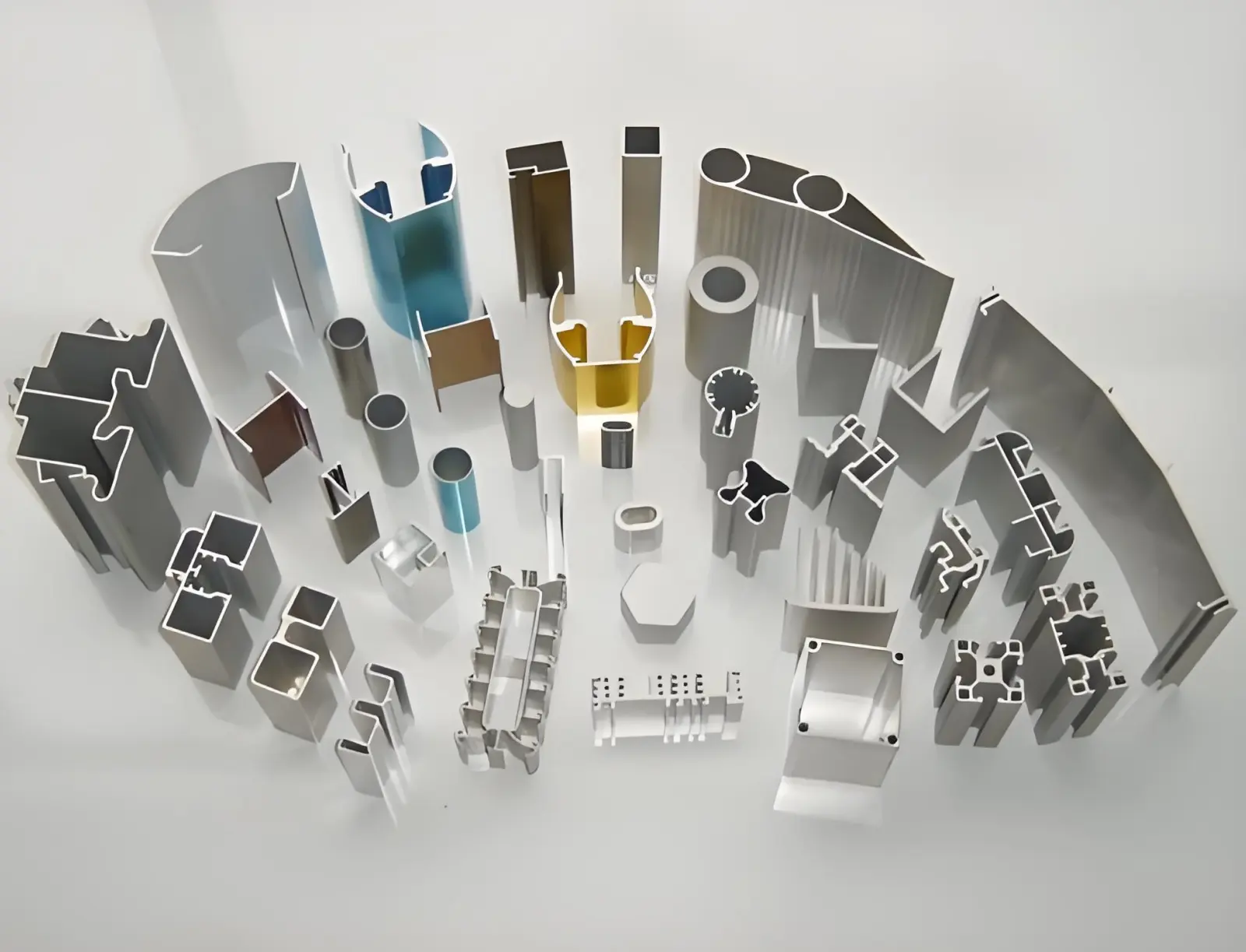
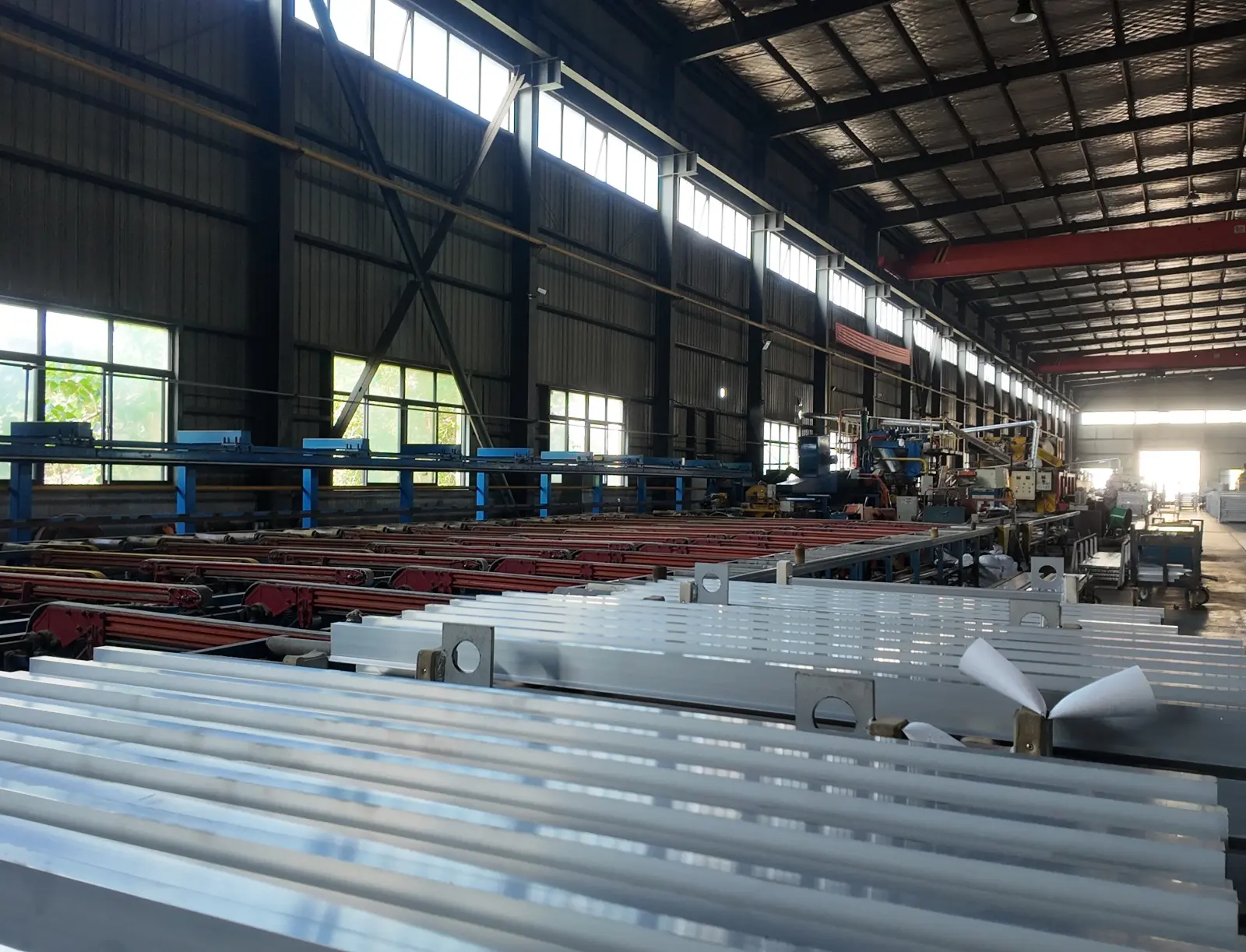
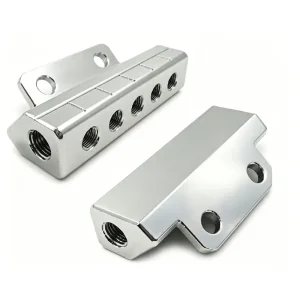
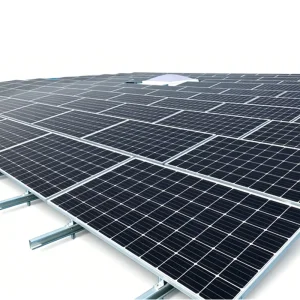
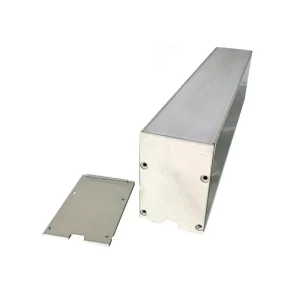
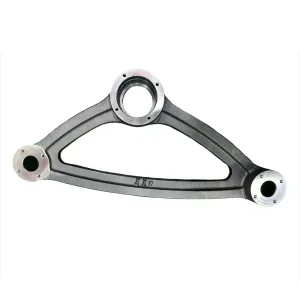
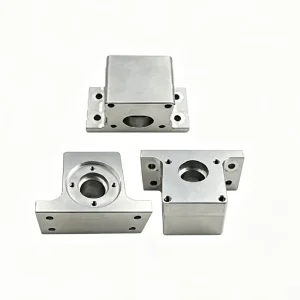
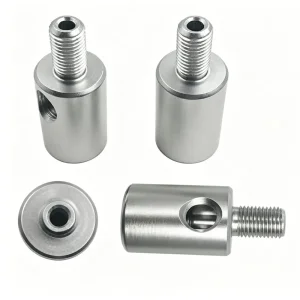
The plant produces profiles customized for specific industrial requirements. This includes structural components for rail transport, heat sinks for power electronics, specialized solar PV mounting frames, and complex CNC-machined components for aerospace and medical applications.
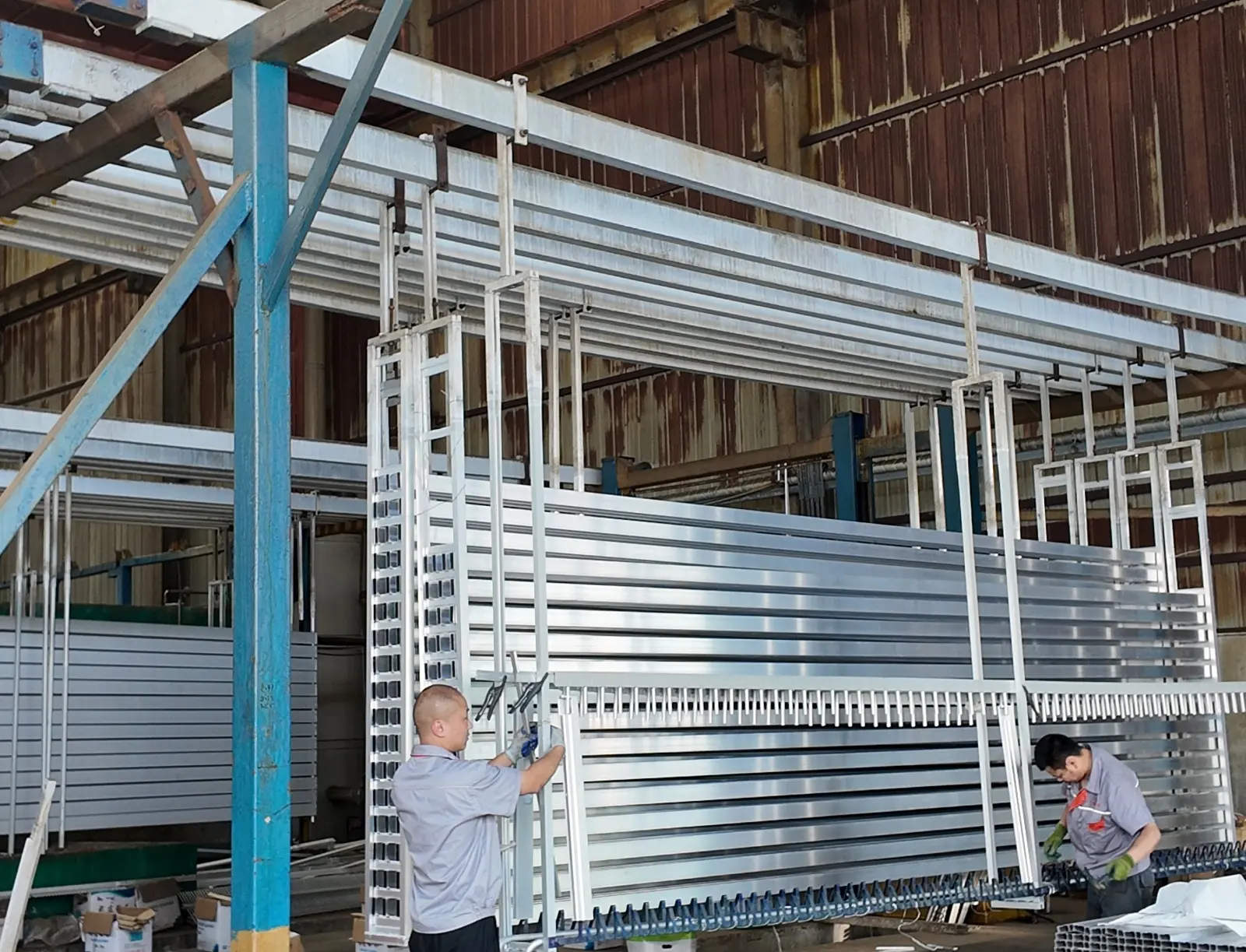
Our location near the Port of Qingdao ensures efficient shipping to major global ports. Our engineering team reviews international designs to ensure they comply with DIN, ASTM, and EN standards, providing a smooth process from drawing approval to final delivery.
We offer specialized packaging, marine-grade anti-corrosion treatments, and tracking systems to ensure components arrive in optimal condition.
Founded in 2022 in the industrial hub of Qingdao, the company was established with the goal of meeting the growing demand for complex, high-tolerance aluminum extrusions. The founders recognized a market need for reliable, high-spec structural parts that could serve both local and international manufacturers.
Qingdao’s location offers access to a large domestic market as well as key international shipping routes. This dual-sea layout allows us to source raw materials efficiently and deliver finished components quickly to global ports.
"Producing high-performance aluminum materials to serve global customers" is our core guiding principle. We maintain strict control over every stage of production, ensuring that our products meet the technical specifications required for demanding projects, from marine infrastructure to precision components.

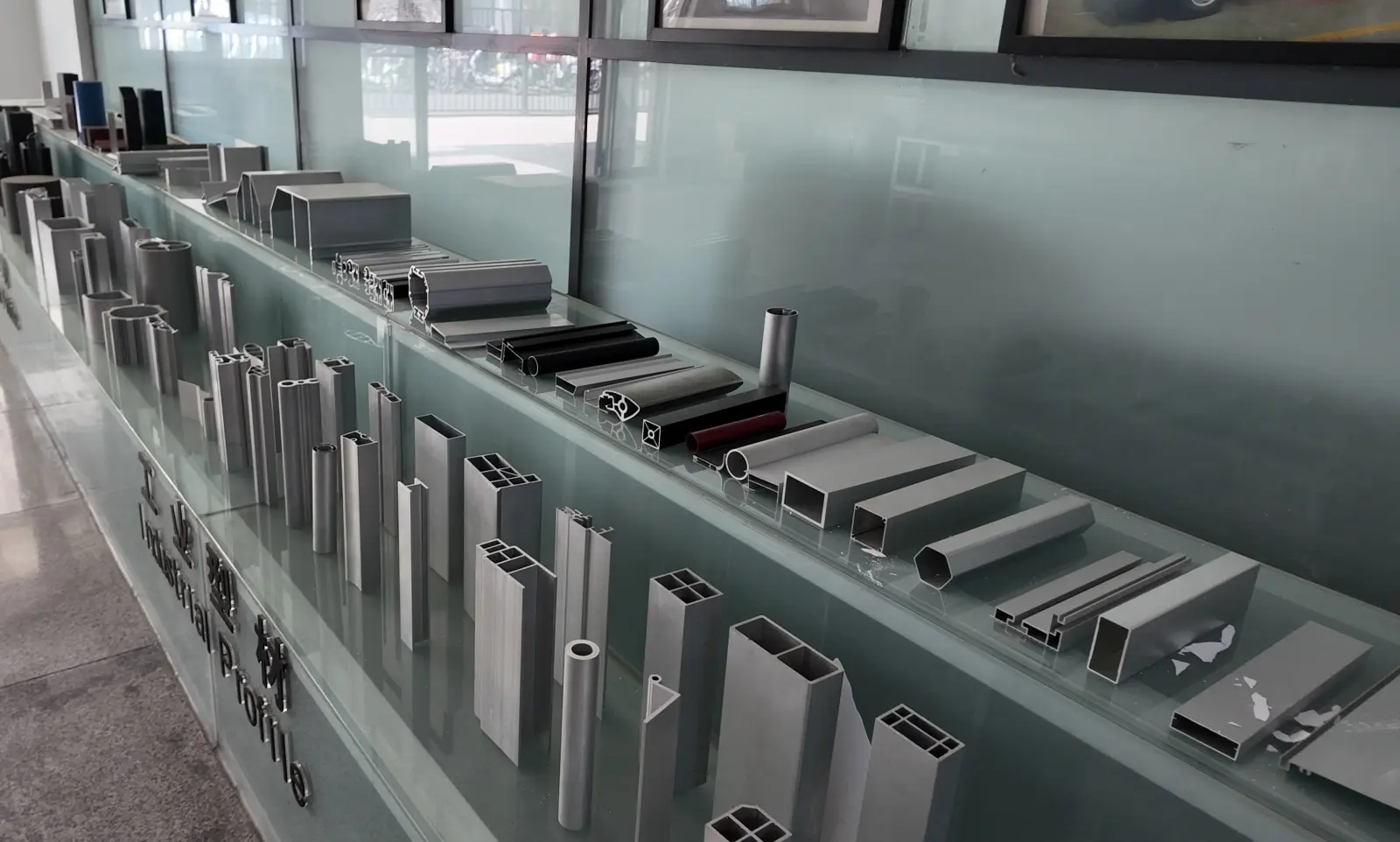
Our company's products are used in demanding applications, including load-bearing structures for maritime ports and high-speed rail systems. We focus on durability, corrosion resistance, and dimensional accuracy to ensure long service lives for all components.
By combining advanced machinery with systematic quality checks, Kangjian works to provide international clients with reliable manufacturing services that meet global industry standards.
Ensuring Long-Term Performance, Stability, and Value
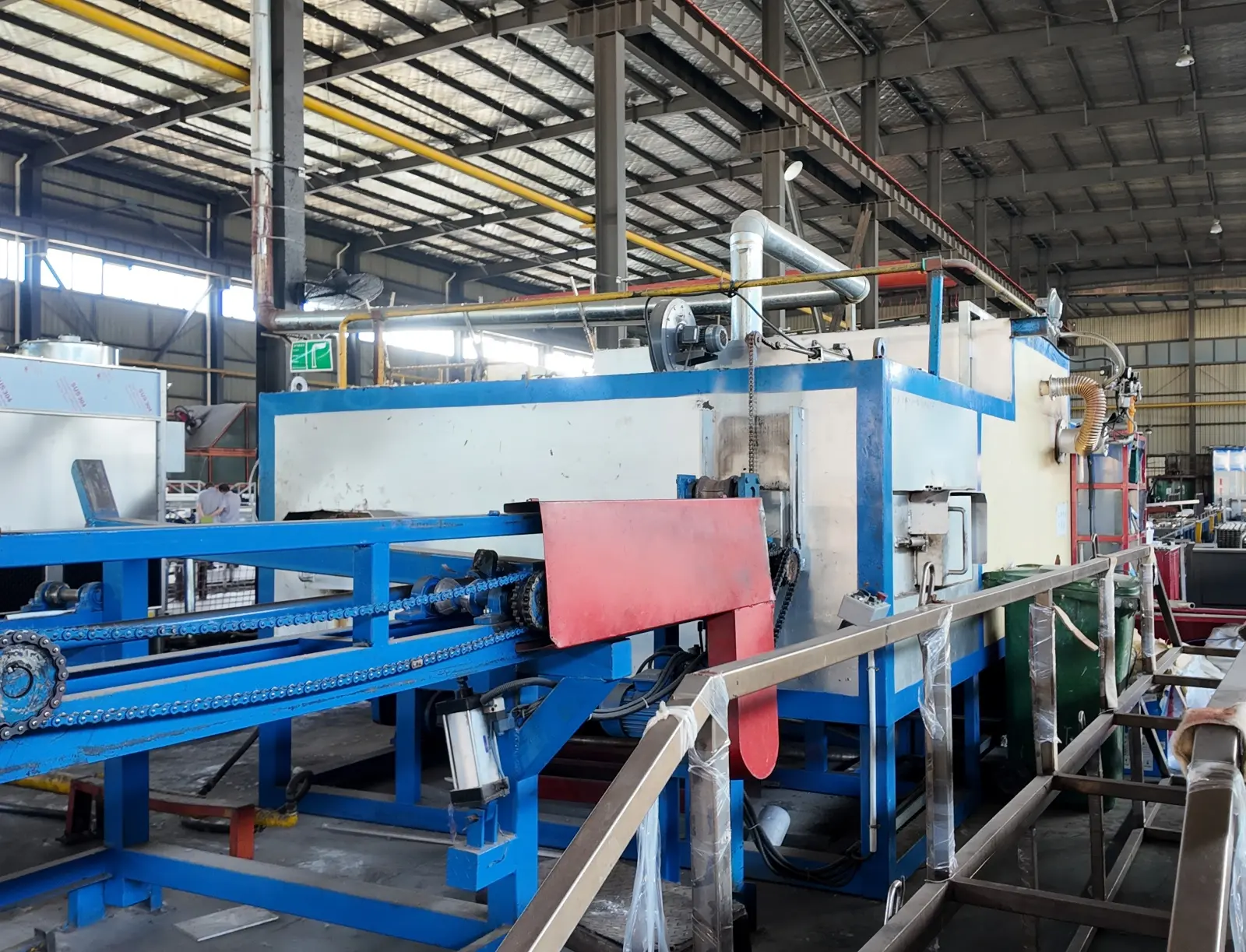
We work to develop extrusion solutions that meet complex design requirements, providing high-precision profile products that support demanding engineering applications.
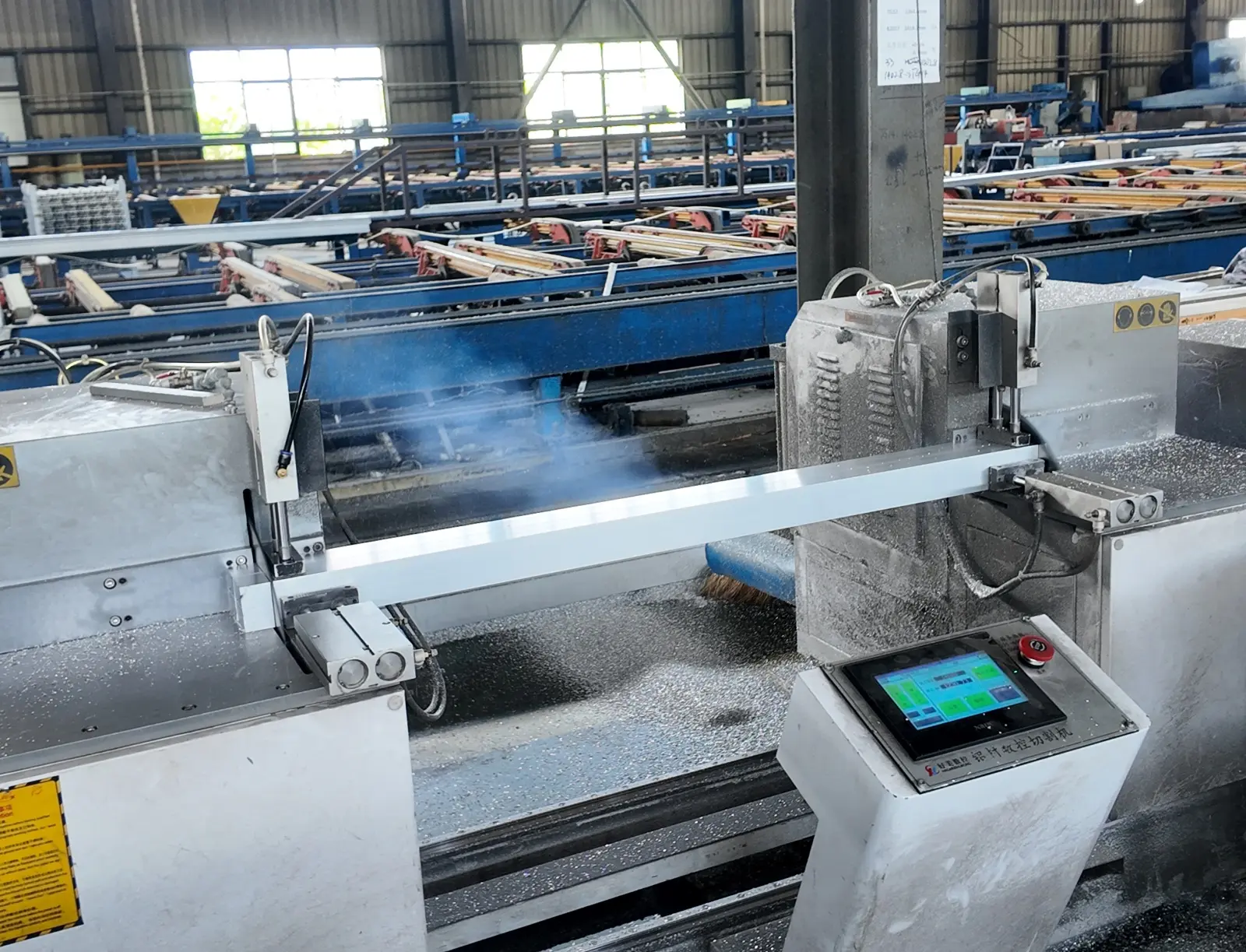
Quality is fundamental to our operations. We maintain strict control procedures throughout the manufacturing process to ensure that each batch of profiles meets customer specifications.
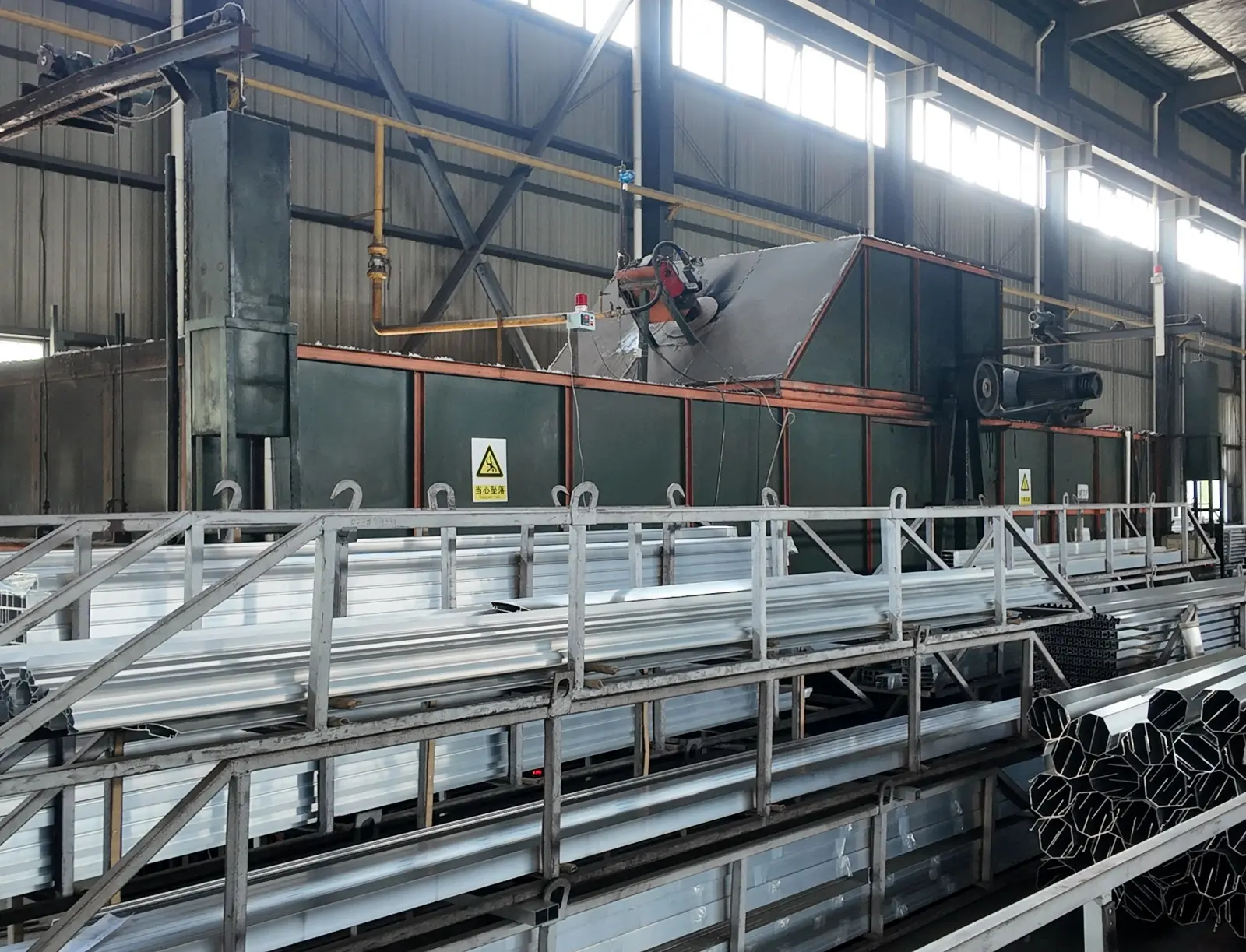
We provide clear, efficient foreign trade services, offering responsive support and optimized logistics to assist customers with their international supply chain needs.
How Regional Infrastructure and Industry Clustering Drive Efficiency
Global procurement teams seek to balance cost, quality, and delivery speed. Sourcing metal and aluminum parts from specialized Chinese factories provides distinct advantages due to regional infrastructure and supply chain integration:
Chinese manufacturing regions bring together raw material suppliers, extrusion plants, tooling shops, and surface treatment facilities. This close proximity helps reduce transit times between processing stages and lowers internal logistics costs.
Equipped with CAD/CAM software and high-speed CNC machines, the factory can produce custom extrusion dies quickly. This supports faster prototyping and design iterations for complex projects.
Our location near the Port of Qingdao allows for direct container loading and shipping to major global markets, minimizing handling times and streamlining custom clearances.
Meeting International Standards for High-Regulated Industries
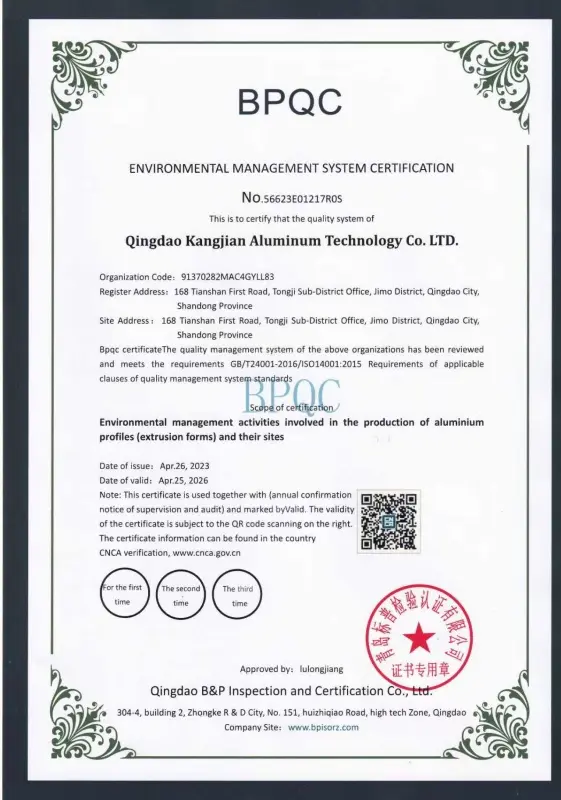
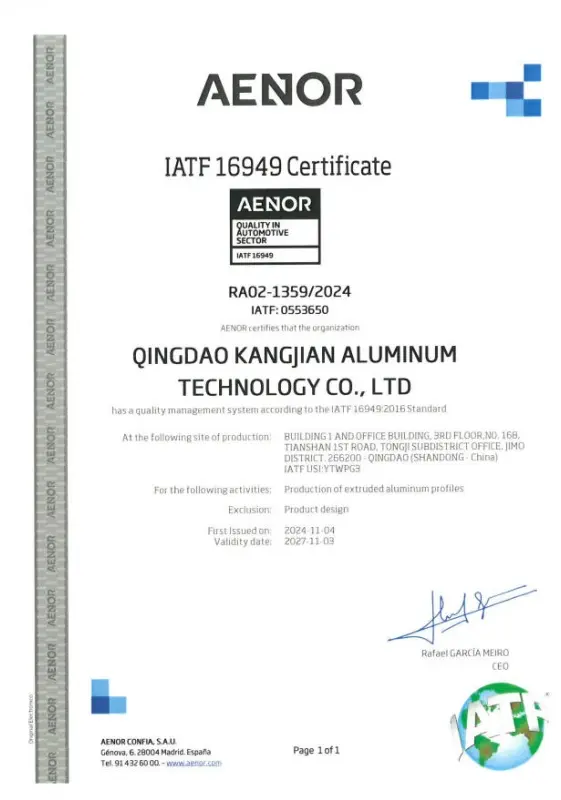
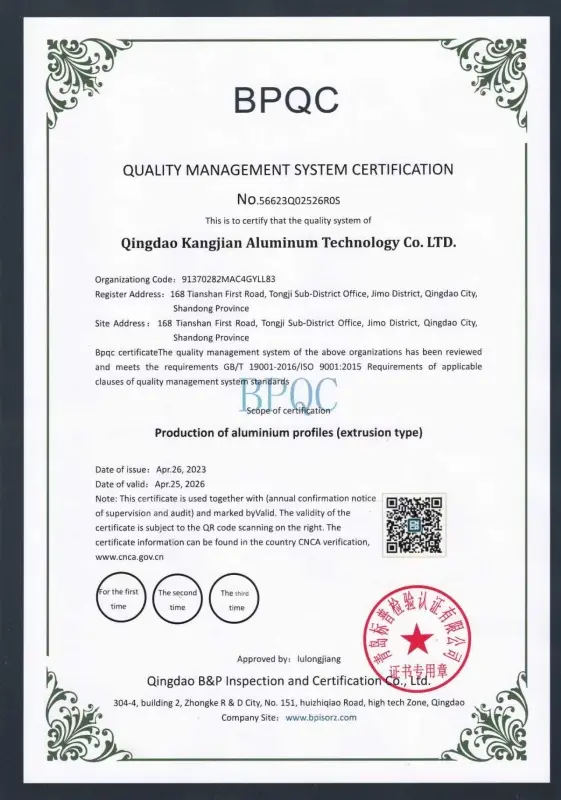
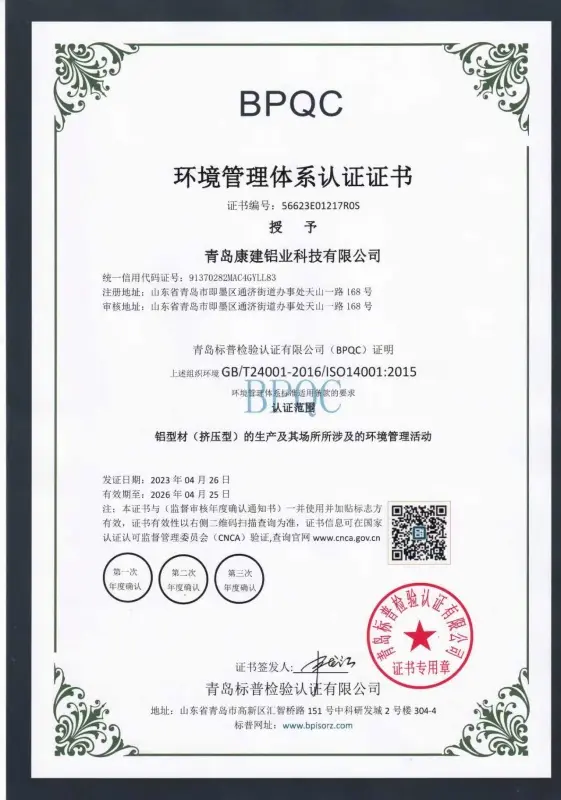
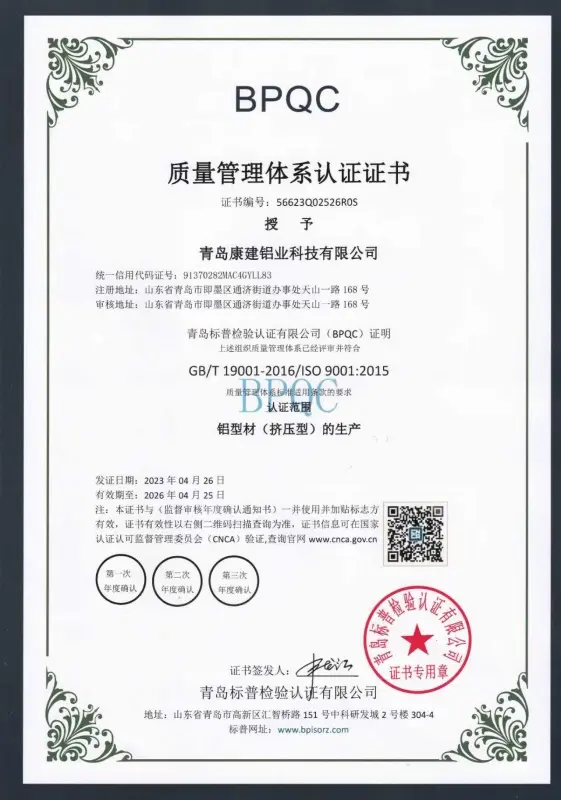
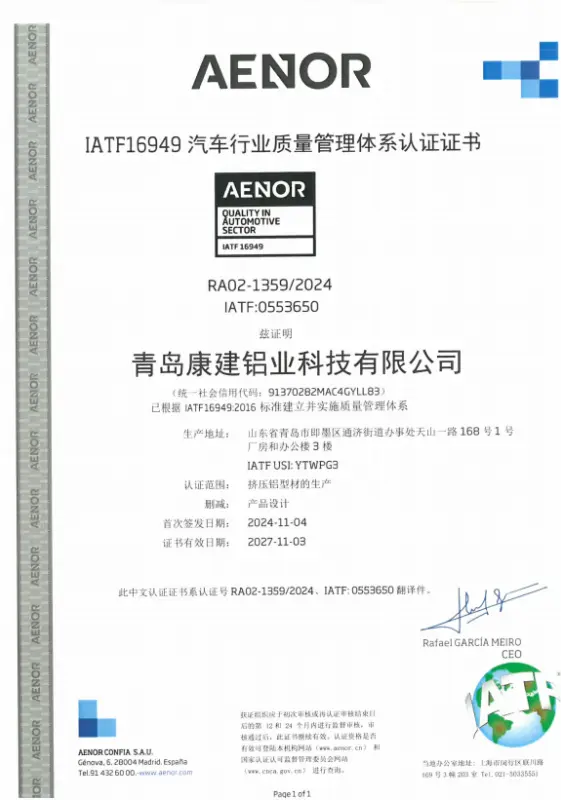
To supply sectors such as rail transit, automotive, and clean energy, manufacturers must demonstrate compliance with international quality and safety standards. Qingdao Kangjian has established a comprehensive quality management system, backed by key industry certifications:
These standards cover our overall quality management and environmental systems, ensuring consistent production quality while working to manage and reduce environmental impacts.
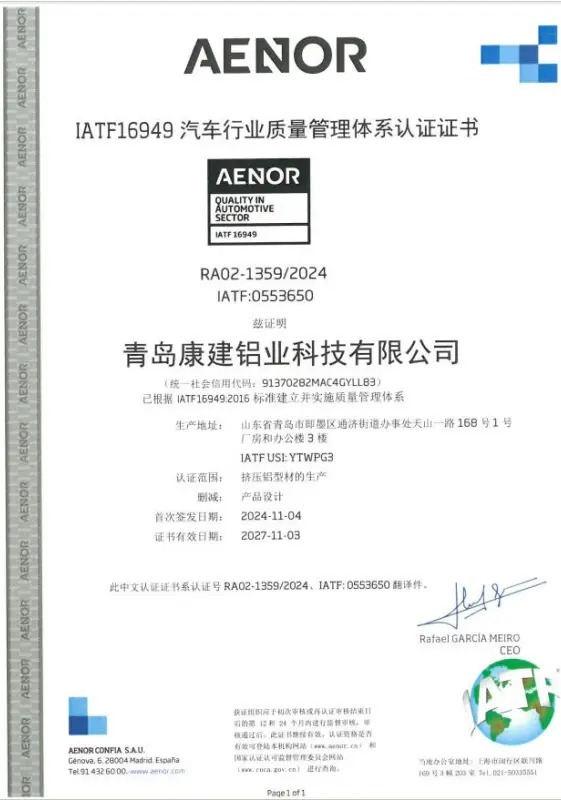
This automotive quality certification confirms our capability to supply precision parts that meet the safety and reliability requirements of the global automotive industry.
These standards certify our welding and adhesive bonding processes for railway vehicle components, ensuring structural integrity in high-stress transit applications.
Verifying Our Capabilities Through Independent Audits
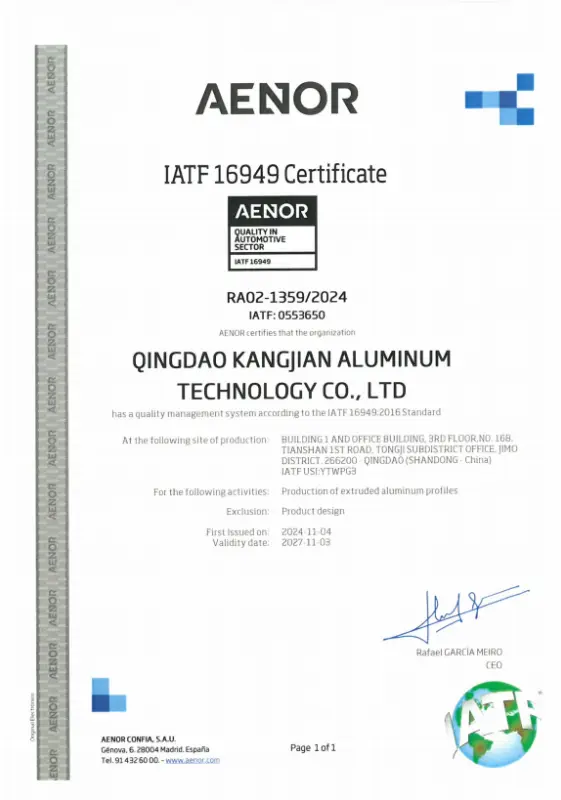

Extruded and Machined Components Built to Specific Technical Standards
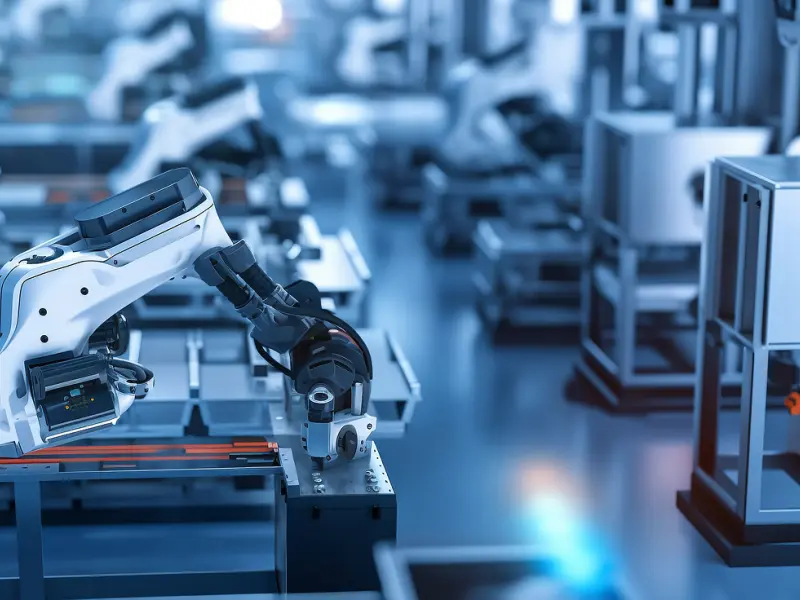
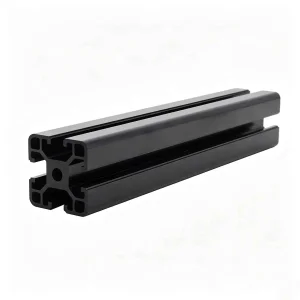
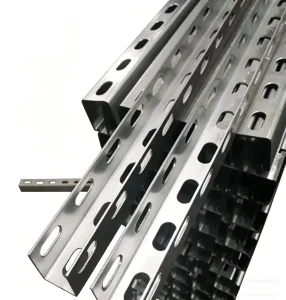
Heavy-duty profiles for machinery frames, T-slot systems, robotics kits, and conveyor lines. Optimized for structural load capacity.
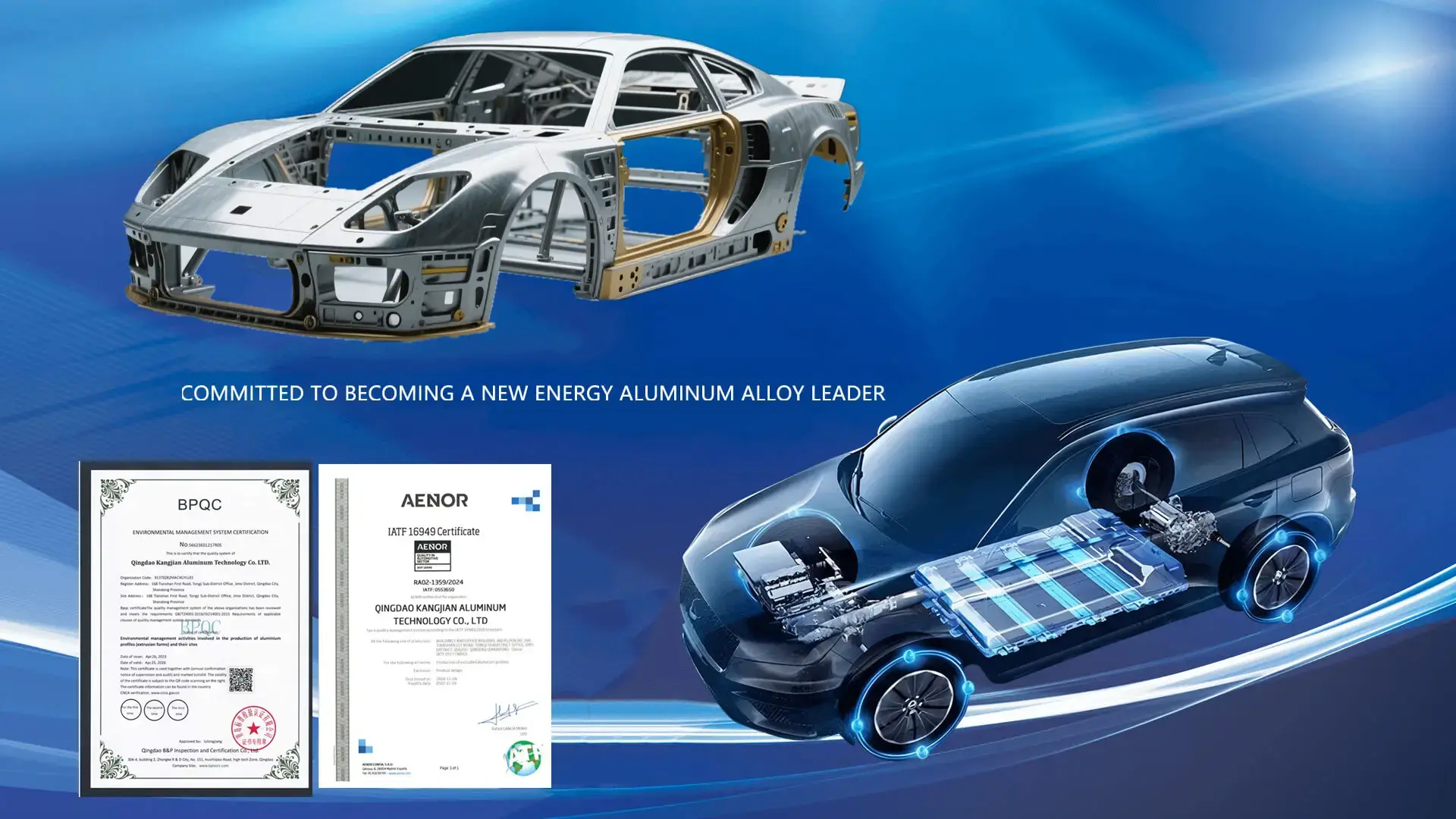
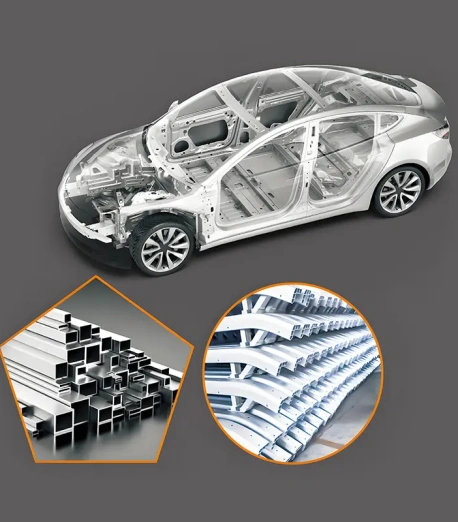
Lightweight structural elements that support vehicle weight reduction and crash safety requirements, verified to IATF 16949 standards.
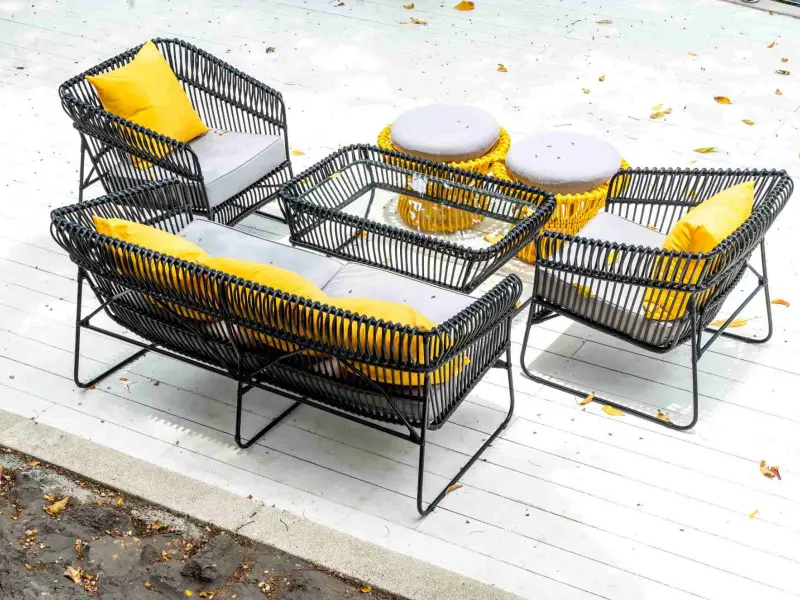
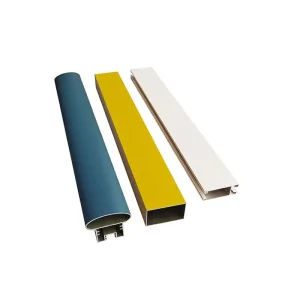
Weatherproof, anodized aluminum extrusions that provide corrosion resistance and surface finish durability for outdoor installations.
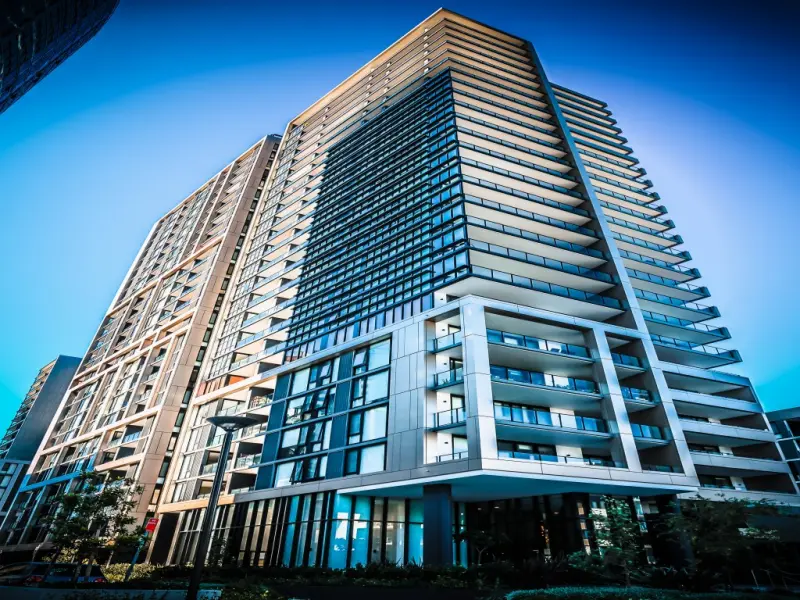
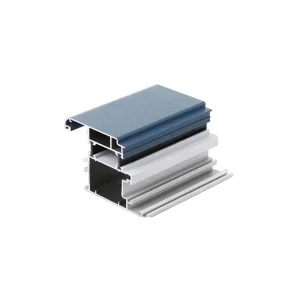
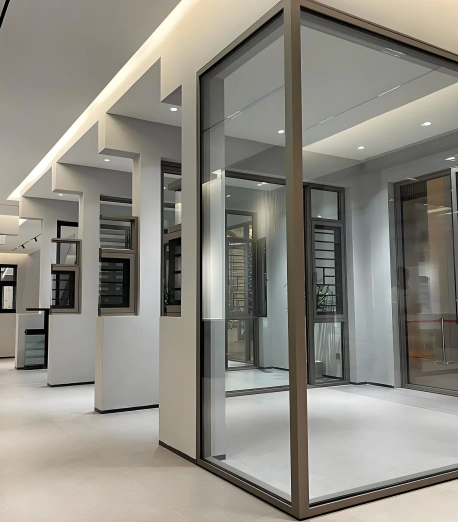
Extruded sections designed for curtain walls, energy-efficient window systems, door frames, and thermal-break assemblies.
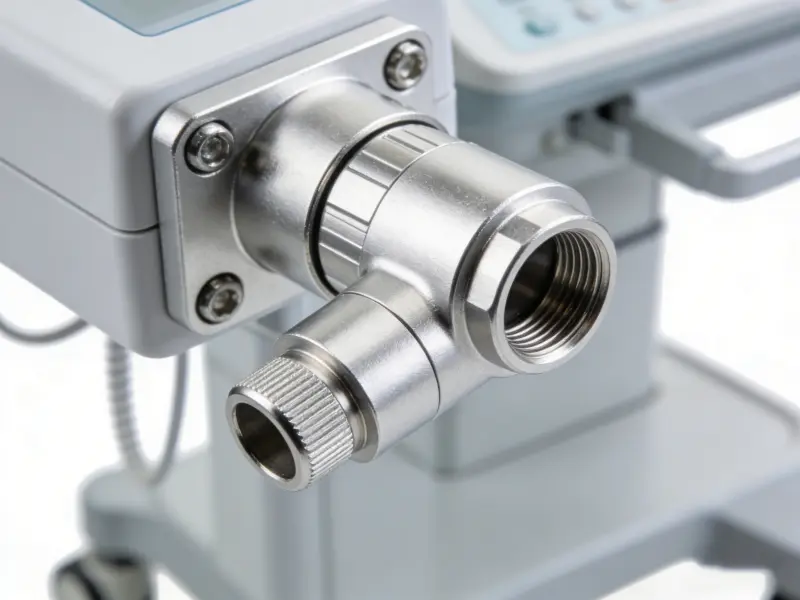
High-precision, anodized aluminum alloys with smooth surfaces suitable for clinical and diagnostic equipment structures.
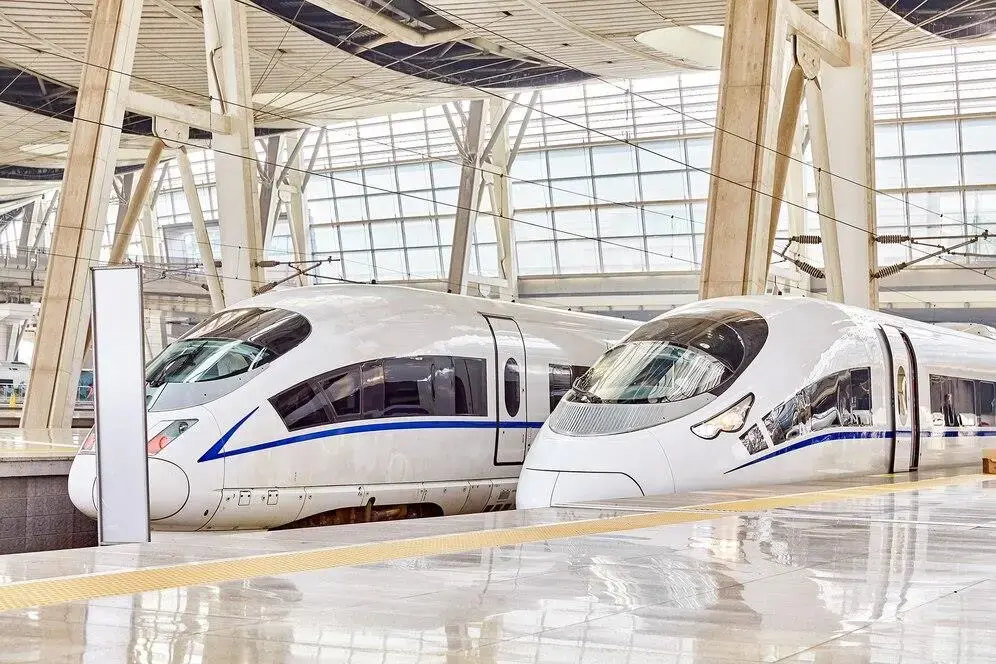
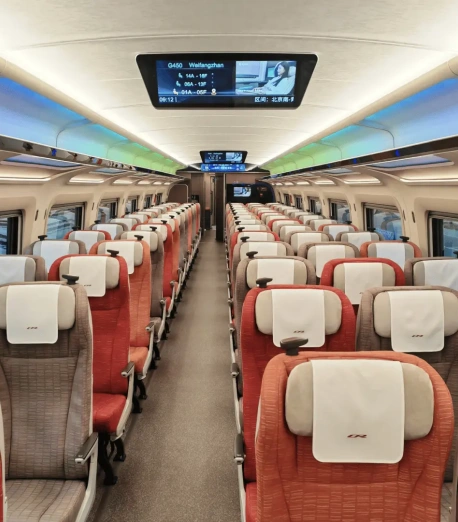
Structural profiles engineered for high-speed rail cars, shipping containers, and heavy-duty logistics equipment.
How Technological Changes and Sustainability Goals Shape Metal Component Sourcing
The global metal components market is experiencing shifts driven by environmental goals and new technologies. Sourcing strategies are moving toward materials and processes that support these changes:
As electric vehicles and clean energy systems expand, reducing weight remains key. Aluminum alloys are replacing traditional steel components in structural applications to lower overall weight without compromising strength.
International regulatory frameworks are placing greater focus on lifecycle carbon footprints. Manufacturers are increasingly using recycled aluminum and low-emission extrusion processes to align with these requirements.
Integrated CNC machining and extrusion processes allow factories to deliver finished, ready-to-assemble parts. This helps reduce secondary processing requirements for the end buyer.
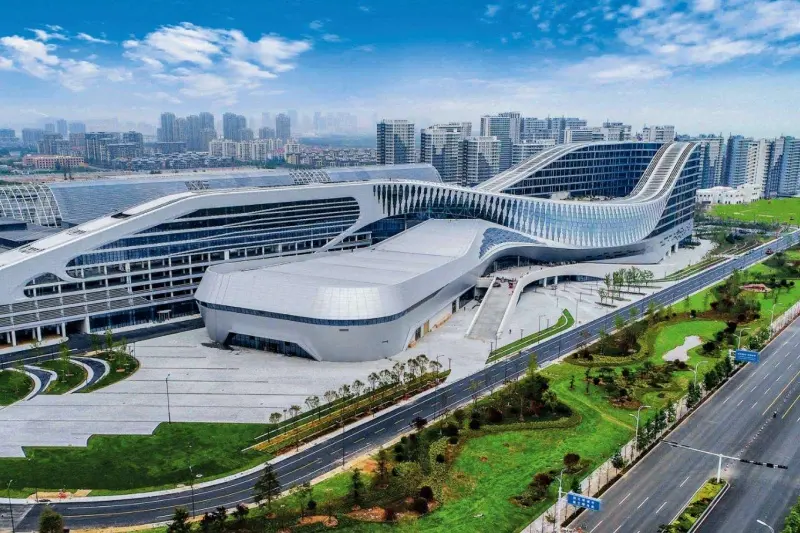
Demonstrating Performance Across Varied Marine, Industrial, and Architectural Settings

Direct Answers to Key Technical and Sourcing Questions
Browse Our Fully Certified Product Line and OEM Solutions