Kangjian
Kangjian
Kangjian
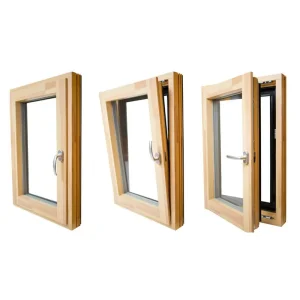
The global demand for high-performance architectural systems has driven the development of modern sliding bi-fold doors. No longer viewed simply as standard domestic dividers, modern folding door systems represent complex structural configurations designed to withstand extreme wind loads, optimize thermal performance, and offer vast, uninterrupted glass expanses. The design of these systems depends on the structural integrity of their underlying aluminum extrusions. Specifying the correct aluminum alloy, extrusion tolerance, and thermal break technology is critical for projects to meet building codes in various regions.
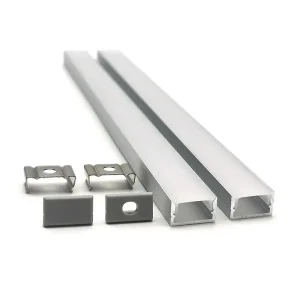
As a leading supplier and factory, Qingdao Kangjian Aluminum Industry Technology Co., Ltd. leverages decades of metallurgical expertise to produce high-precision 6063-T5, 6063-T6, and 6061-T6 aluminum extrusion profiles. These profiles form the structural backbone of heavy-duty commercial folding glass walls and residential bi-fold patio systems globally. Our facility uses advanced extrusion presses, high-speed CNC machining lines, and automated surface treatment lines to supply architectural profiles that meet international quality standards.
The global sliding bi-fold door market is undergoing a transition driven by commercial requirements and changes in building regulations:
Architects are calling for narrower sightlines alongside increased sash dimensions. Bi-fold panels exceeding 3.5 meters in height require custom heavy-duty stiles. Standard profiles fail under high dynamic wind pressures; thus, our factory engineers high-moment-of-inertia profiles reinforced with internal structural fins.
Strict European and North American building energy codes require low overall U-values. The raw thermal conductivity of aluminum (approx. 200 W/m·K) must be managed using advanced thermal barriers. Kangjian designs and extrudes profiles with integrated Polyamide 66 reinforced with 25% glass fiber (PA66GF25) thermal breaks, significantly reducing heat transfer.
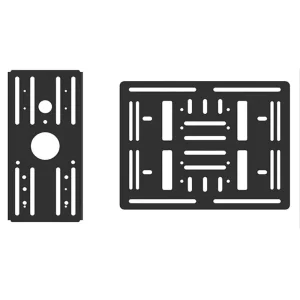
The modern architectural market is moving toward smart building systems. Future bi-fold profiles must accommodate concealed motorized driving mechanisms, multi-point lock actuators, and smart sensors without compromising structural profiles. Our CNC precision machining center processes specialized slots directly on the profiles.
Selecting the appropriate aluminum alloy is critical to ensuring the longevity and structural stability of sliding bi-fold doors. Our factory primary works with 6000-series aluminum alloys, which offer an optimal balance of extrudability, mechanical properties, and surface finish quality.
| Alloy & Temper | Tensile Strength (min. MPa) | Yield Strength (min. MPa) | Elongation (min. %) | Key Application in Bi-Fold Systems |
|---|---|---|---|---|
| 6063-T5 | 150 | 110 | 8 | Standard frame profiles, glazing beads, and non-structural decorative trims. |
| 6063-T6 | 205 | 170 | 8 | Heavy-duty structural sashes, outer frames, and tracks requiring load capacity. |
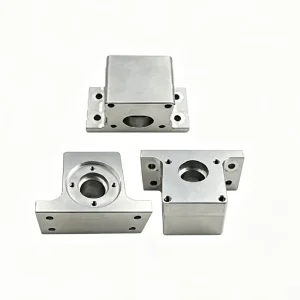
| 6061-T6 | 290 | 240 | 10 | High-stress corner connectors, structural heavy-duty guide sills, and hardware brackets. |
Precision is key for bi-fold systems where multiple panels fold and slide along a single overhead track. A variance of even 1mm across a 6-meter span can lead to alignment issues and accelerated hardware wear. Kangjian adheres to standard tolerances closer than EN 12020-2, ensuring that wall thicknesses, straightness, and twist angles remain well within strict limits. Our advanced five extrusion lines (ranging from 700T to 2500T) enable us to maintain precise control over the cooling (quenching) rate, securing uniform mechanical properties across the entire profile length.
When engineering sliding folding doors for external applications, calculating the wind-load resistance is critical. Structural deflection (L/175 or L/240 as per various building codes) determines the maximum size of the door panel sashes. Deflection is calculated using the following bending formula:
f = (5 * Wk * L^4) / (384 * E * I)
Where:
To prevent structural damage under wind pressure, our engineers increase the Moment of Inertia (I) of the vertical stile profiles. By selectively adding wall thickness to the outer flanges of the profiles, we achieve higher load ratings without significantly increasing the weight of the profile. This allows clients to build large-span doors that open smoothly while maintaining structural safety.
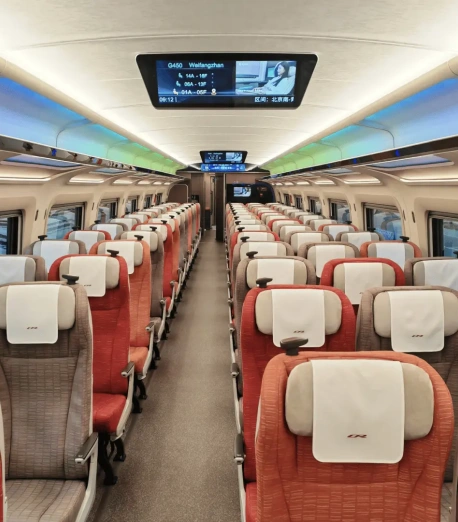
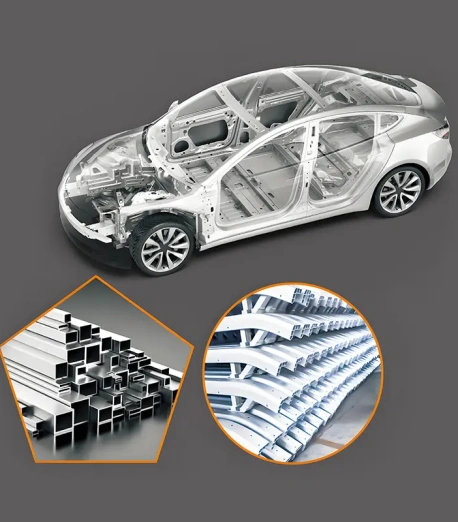
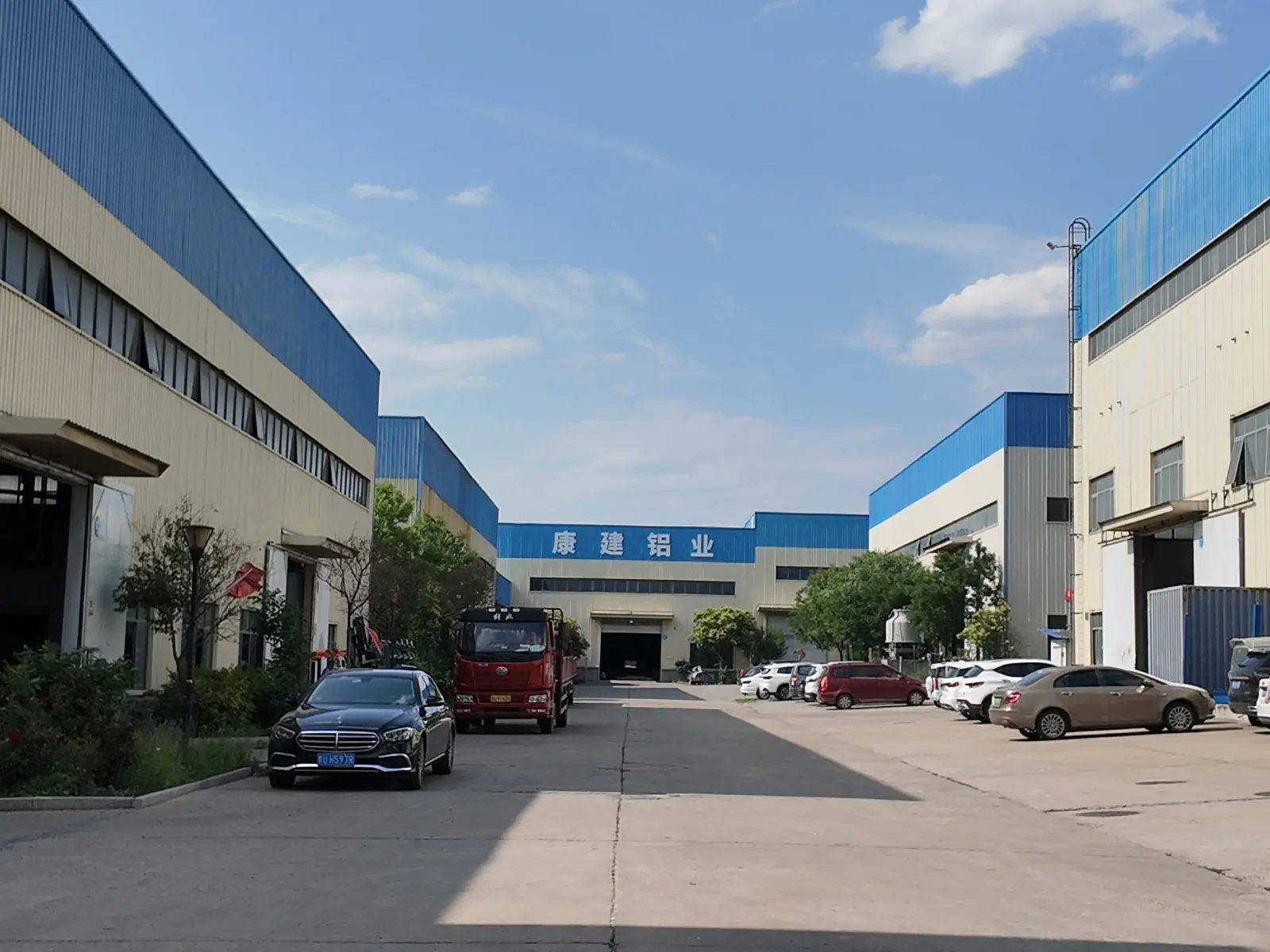
Established in 2022, Qingdao Kangjian Aluminum Industry Technology Co., Ltd. is located in Jimo District, Qingdao City, occupying a 200-mu production facility. Featuring 80,000 square meters of modern manufacturing plants and a team of dedicated metallurgical professionals, we operate 5 high-performance extrusion lines with an annual output capacity of 15,000 tons. Our primary capabilities range from automotive-grade precision profiles and rail transit components to architectural framing systems and customized sliding bi-fold door extrusions.
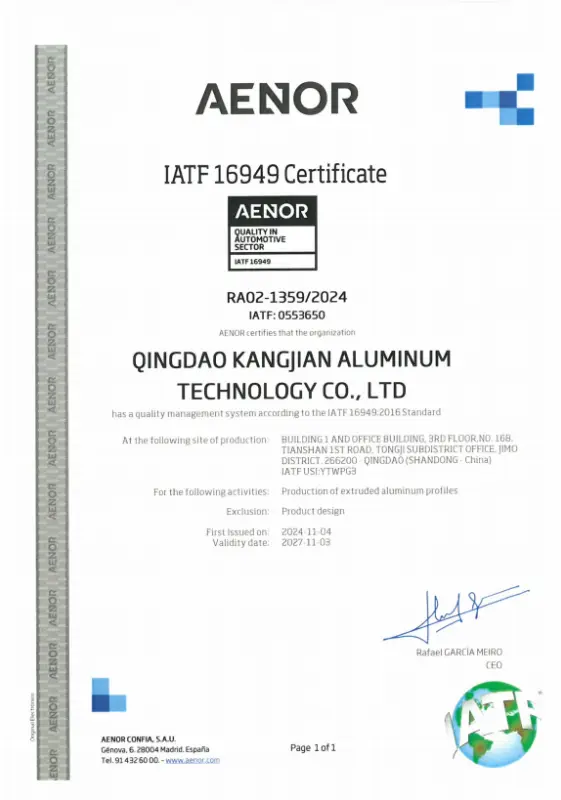
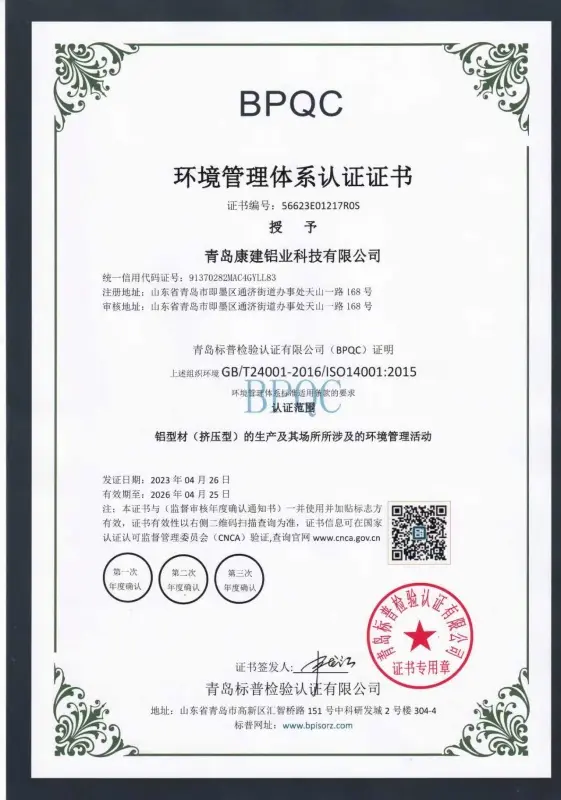
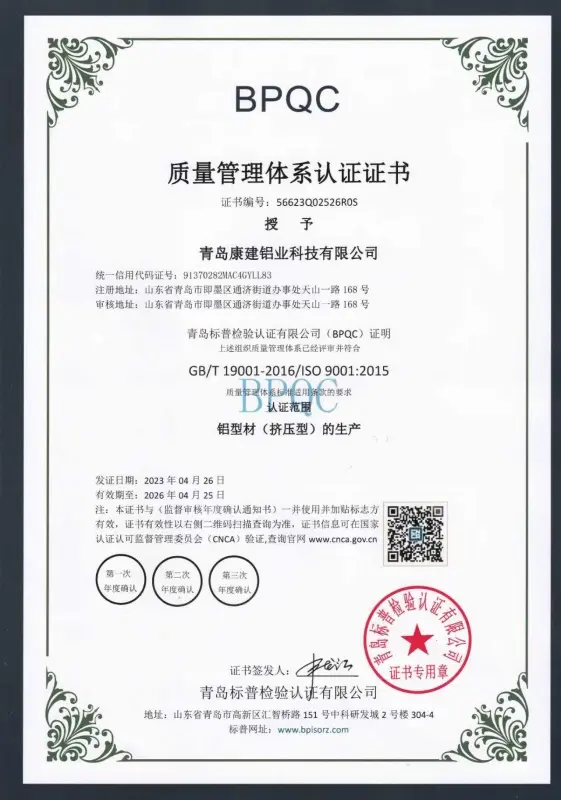
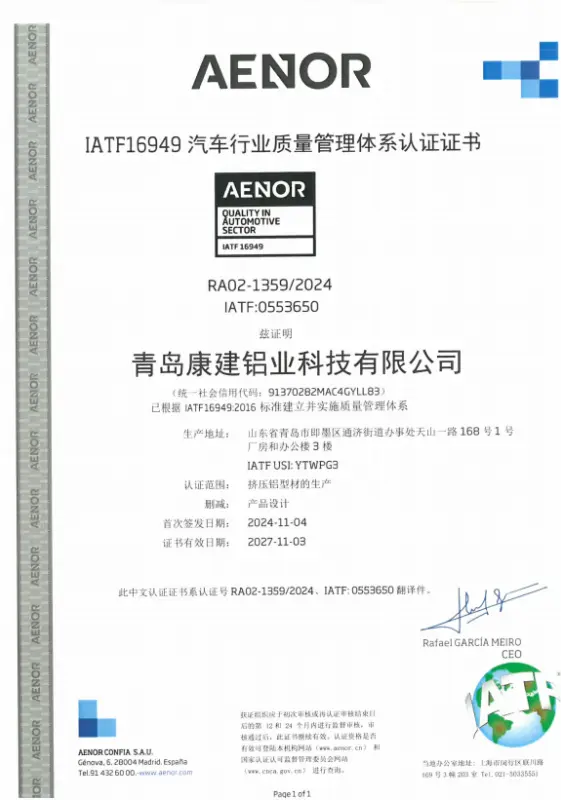
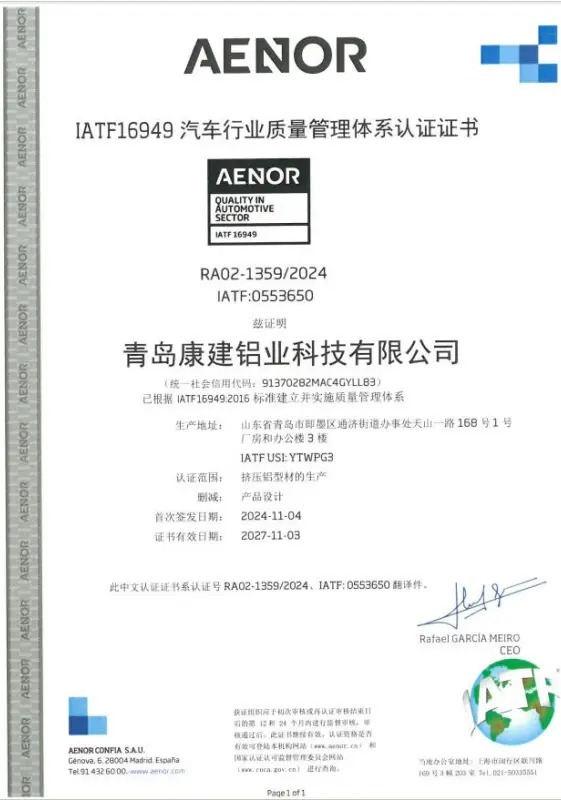
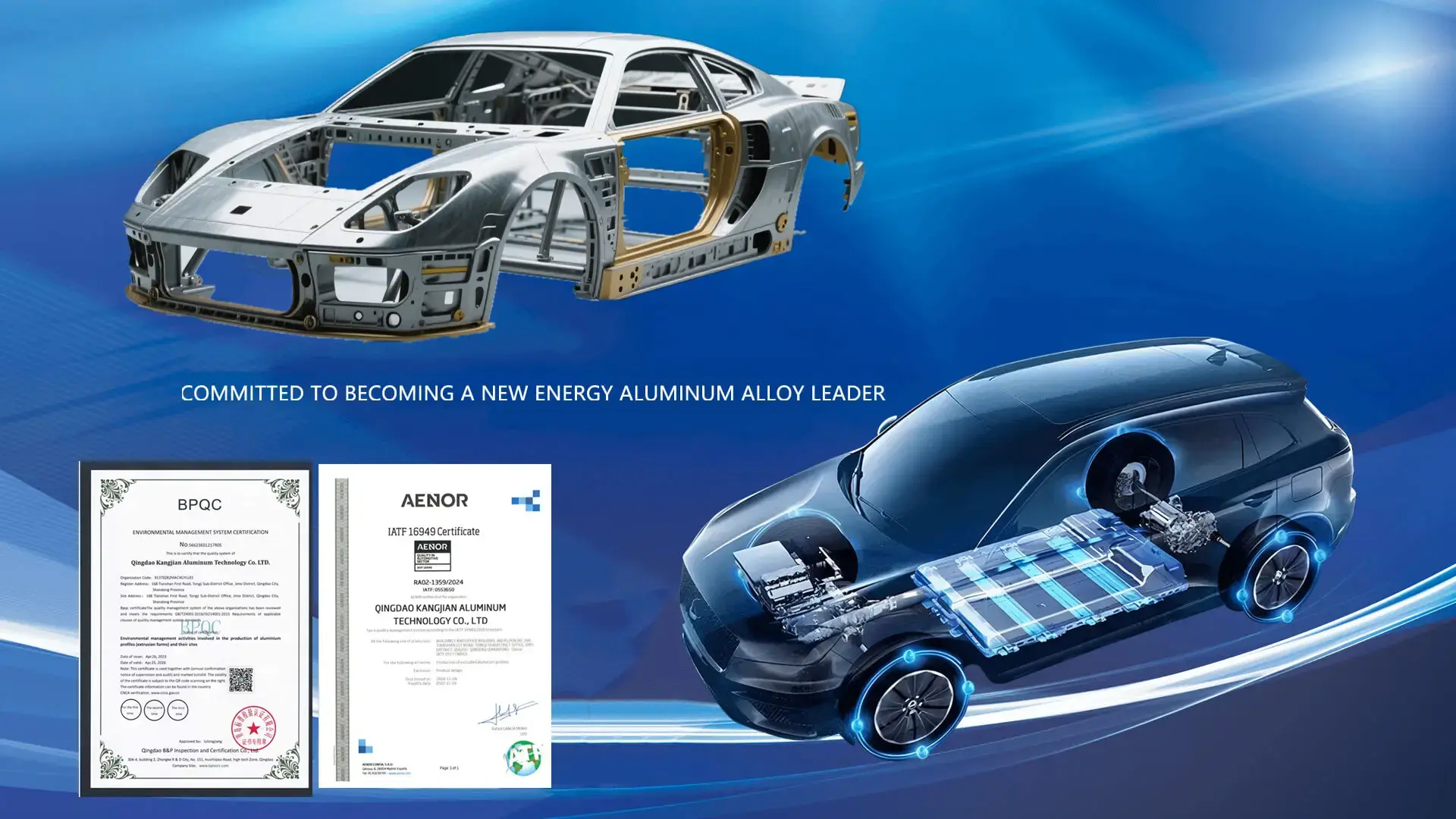
Our commitment to quality is backed by international certifications, including:
This strict compliance framework allows us to manufacture components with high consistency, meeting the requirements of complex architectural and commercial projects.
Sliding bi-fold doors are used in a variety of environments, each presenting distinct mechanical challenges. Our profiles are engineered to meet these environmental demands:
Coastal areas require resistance to wind loads and saline corrosion. Kangjian offers anodized and architectural powder-coated profiles tested under ISO 9227 salt spray standards. Our thick-walled profiles withstand deflection under coastal wind pressures while resisting oxidation.
In cold regions, thermal bridge prevention is essential to avoid internal condensation. Our multi-chamber thermal break profiles use polyamide thermal barriers, maintaining interior comfort while reducing energy bills.
For restaurants, hotels, and retail entrances, durability is paramount. We supply profiles designed for heavy-duty bottom-rolling carriages, ensuring smooth operation over thousands of cycles.
As architectural requirements evolve, Kangjian's R&D team continues to develop next-generation extrusion profiles. The future of sliding bi-fold door systems is focused on structural optimization, smart system integration, and sustainability:
Developing structural profiles with visible width under 50mm, using high-tensile 6061-T6 alloys to maintain load-bearing capacity.
Designing profiles with built-in channels for electrical wiring, dynamic sensors, and concealed motorized folding operators.
Increasing the use of post-industrial recycled aluminum content to support green building standards like LEED and BREEAM.
We maintain strict process controls from billet casting to shipping. Below are our official certifications and industry applications.





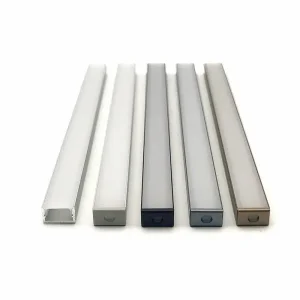
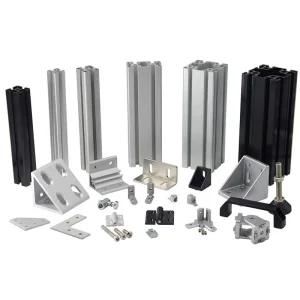
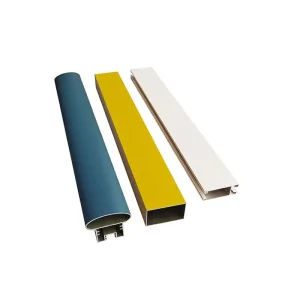
Beyond custom bi-fold profiles, Kangjian manufactures specialized extrusions across several product segments:

Deep technological explanations answering standard specifications, chemical composition details, and wholesale procurement standards.
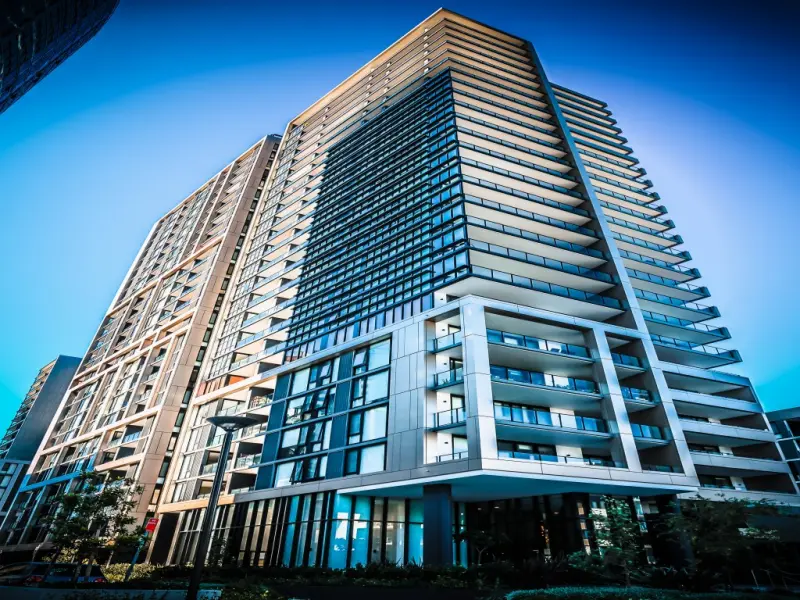
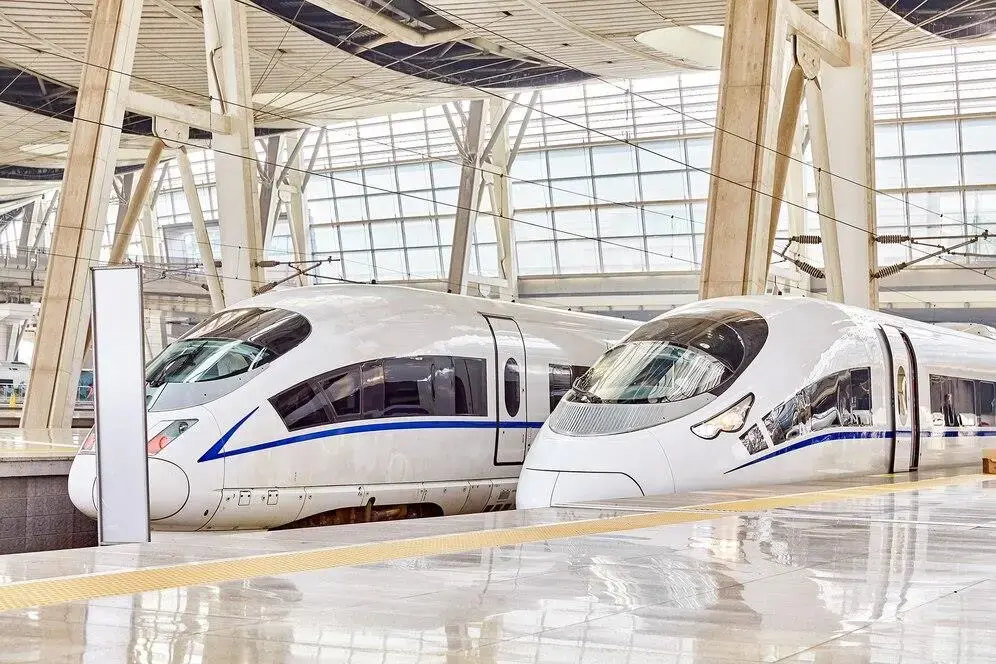
Our profiles are used globally in architectural applications, railway infrastructure, and custom engineering projects.